'Absurd' — Trump's Board of Peace project falls flat in Ukraine
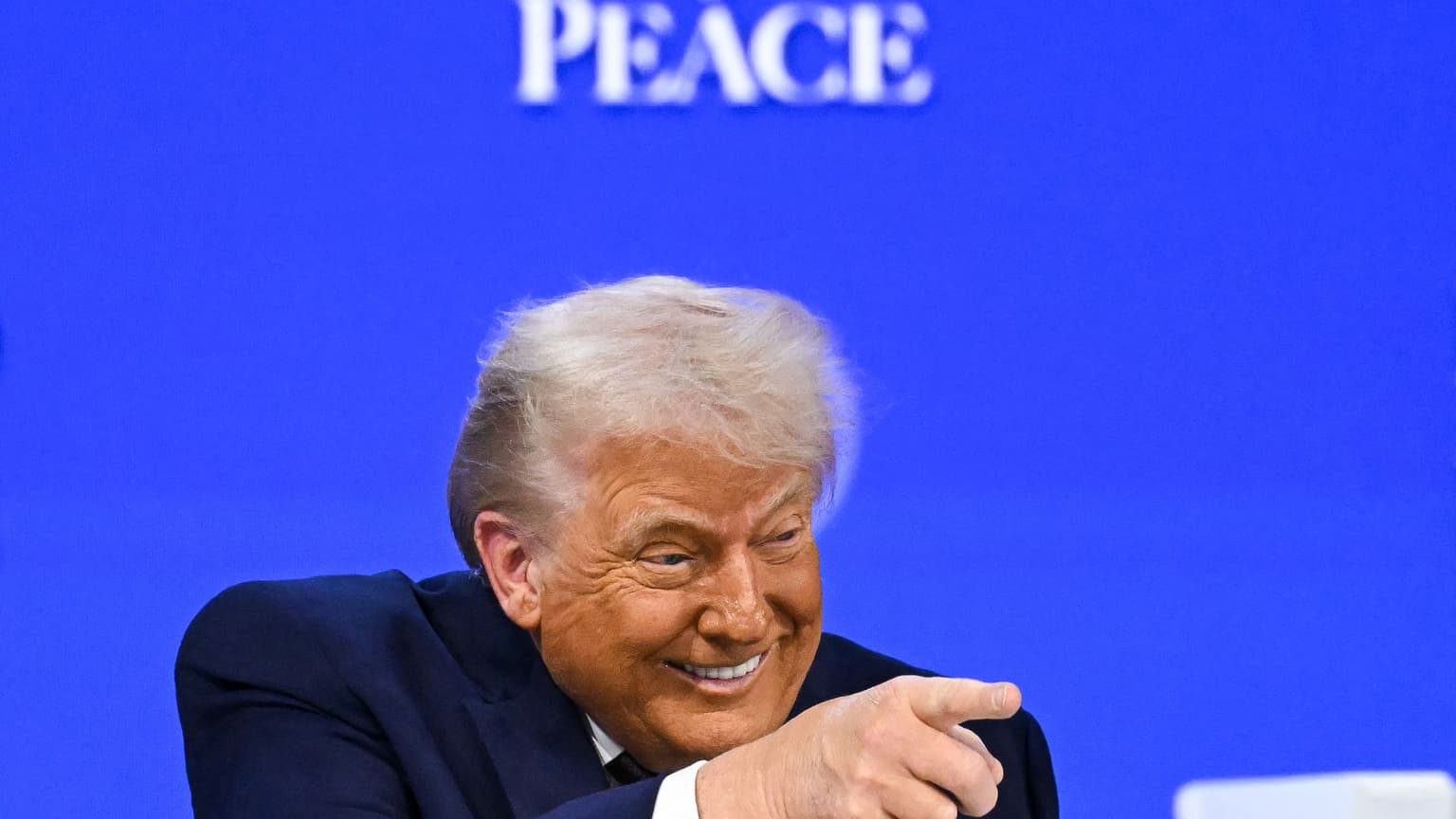
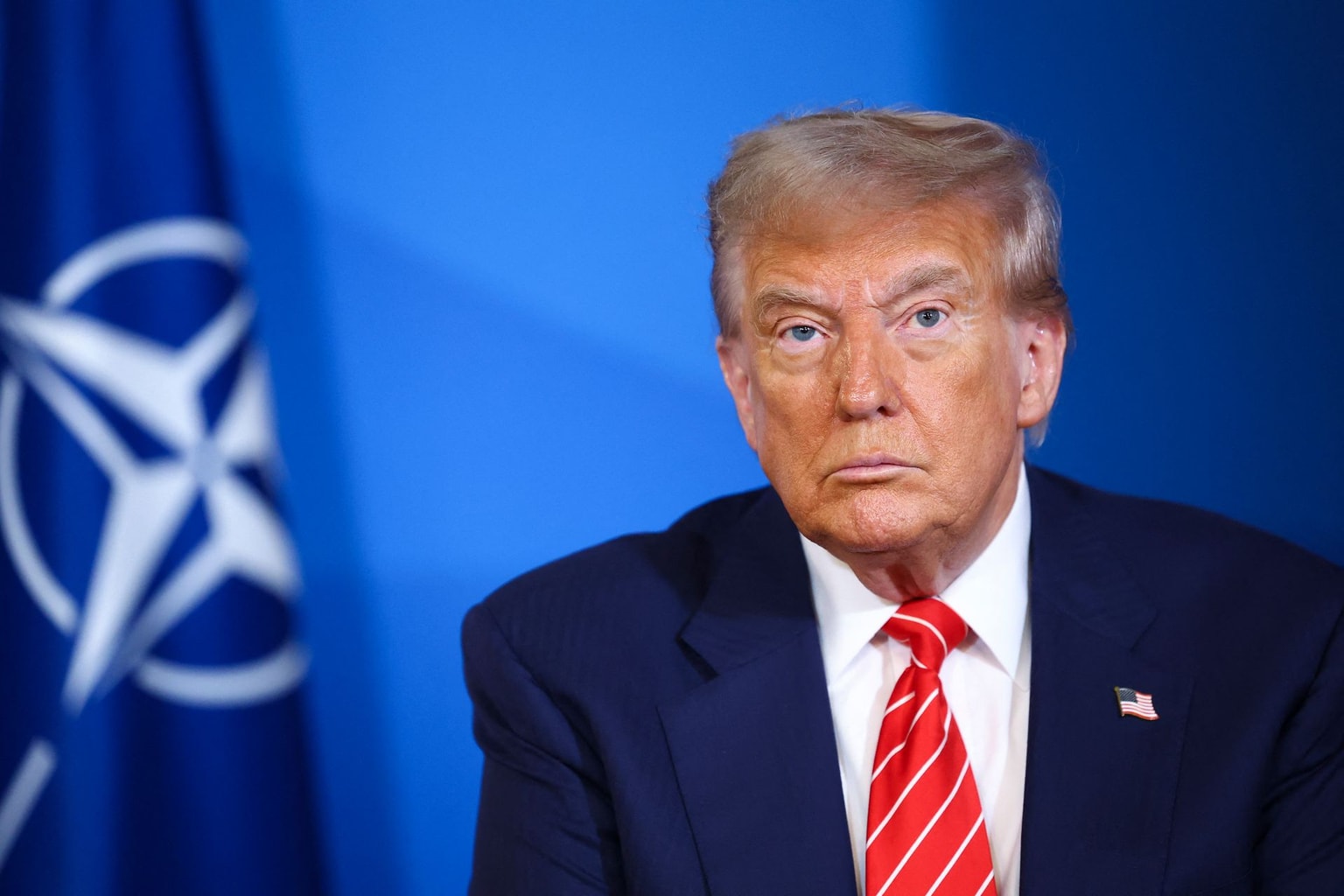
U.S. President Donald Trump gestures as he speaks at a “Board of Peace” meeting during the World Economic Forum annual meeting in Davos, Switzerland, on Jan. 22, 2026. (Fabrice Coffrini / AFP via Getty Images)
 on Google
U.S. President Donald Trump's unveiling of his new "Board of Peace" drew a divided response from the international community.
Most of Europe — including Ukraine — was absent from the signing ceremony in Davos, which featured mainly Middle Eastern leaders and Trump's ideological allies, such as Hungarian Prime Minister Viktor Orban or Argentinian President Javier Milei.
Despite seeking Trump's favor in peace talks with Russia, Kyiv remains reluctant to join as long as the war lasts.
The reason, President Volodymyr Zelensky said, is that Ukraine cannot sit at the Trump-chaired board beside Russia and Belarus, which were also invited.
Experts and Ukrainian lawmakers who spoke with the Kyiv Independent expressed skepticism about the project, some saying Ukraine should stick with its European allies rather than join the "motley crew" of mostly illiberal leaders.
"The board is a 'pay-to-play' scam that is simply another vehicle for Donald Trump's ego."
Others underscored the paradox of Russia, which is ramping up attacks on Ukraine's energy infrastructure amid freezing temperatures, sitting at any peace-building body.
"The very idea of inviting to this Board of 'Peace' the biggest violator of peace and international law, Russia, and Belarus, complicit in the crime of aggression, is absurd," says Oleksandr Merezhko, head of the parliament’s foreign affairs committee.
Trump's personal 'UN'
Initially conceived as a U.N.-approved initiative for overseeing the 20-point ceasefire between Israel and Hamas, the newly minted board aims for a broader mandate.
Trump's central role as its inaugural — and potentially permanent — chairman, and a $1 billion fee for a permanent seat, have led some observers to view this board as the president's personal version of the U.N., an organization he has often lambasted.
"The board is a 'pay-to-play' scam that is simply another vehicle for Donald Trump's ego," says Dan Hamilton, a non-resident senior fellow at the Brookings Institution.
"Countries like Hungary or Argentina are unlikely to have the most impact on Gaza, so the board is simply a cover for Trump to ram through his preferred solutions to the ongoing conflict."

U.S. officials said that about 35 out of the 50 invited countries from across the Middle East, Europe, Asia, and Latin America have confirmed interest in joining.
States represented at the opening ceremony included Turkey, Hungary, Azerbaijan, Armenia, Argentina, Pakistan, Qatar, the United Arab Emirates, and Saudi Arabia. Belarus, Israel, and Vietnam have also said they would join the board.
In turn, many Western democratic countries — who were in the doghouse with Trump recently over his bid for Greenland — have rejected it, including France, Germany, Sweden, and Norway.
An invitation to Canada was rescinded after a feud between Trump and Canadian Prime Minister Mark Carney over the latter's speech at the Davos forum, underscoring the U.S. president's personalistic approach to the project.
From Gaza to Ukraine
A U.S. official who spoke to the Kyiv Independent said that the board could, subject to the chairman's discretion and the consent of the relevant states, address other conflicts around the world, including the Russia-Ukraine war.
But neither Kyiv nor Moscow has publicly confirmed interest in joining — even though Trump claimed the latter had.
So far, Russian President Vladimir Putin has only floated using $1 billion in Russian assets frozen by the U.S. as a payment for the permanent seat.
"With Russians, we are enemies. Belarus — (they are) allies of the Russians. We can't be with them."
Zelensky, in turn, said that Ukraine could join any such efforts only after Russia's invasion ends.

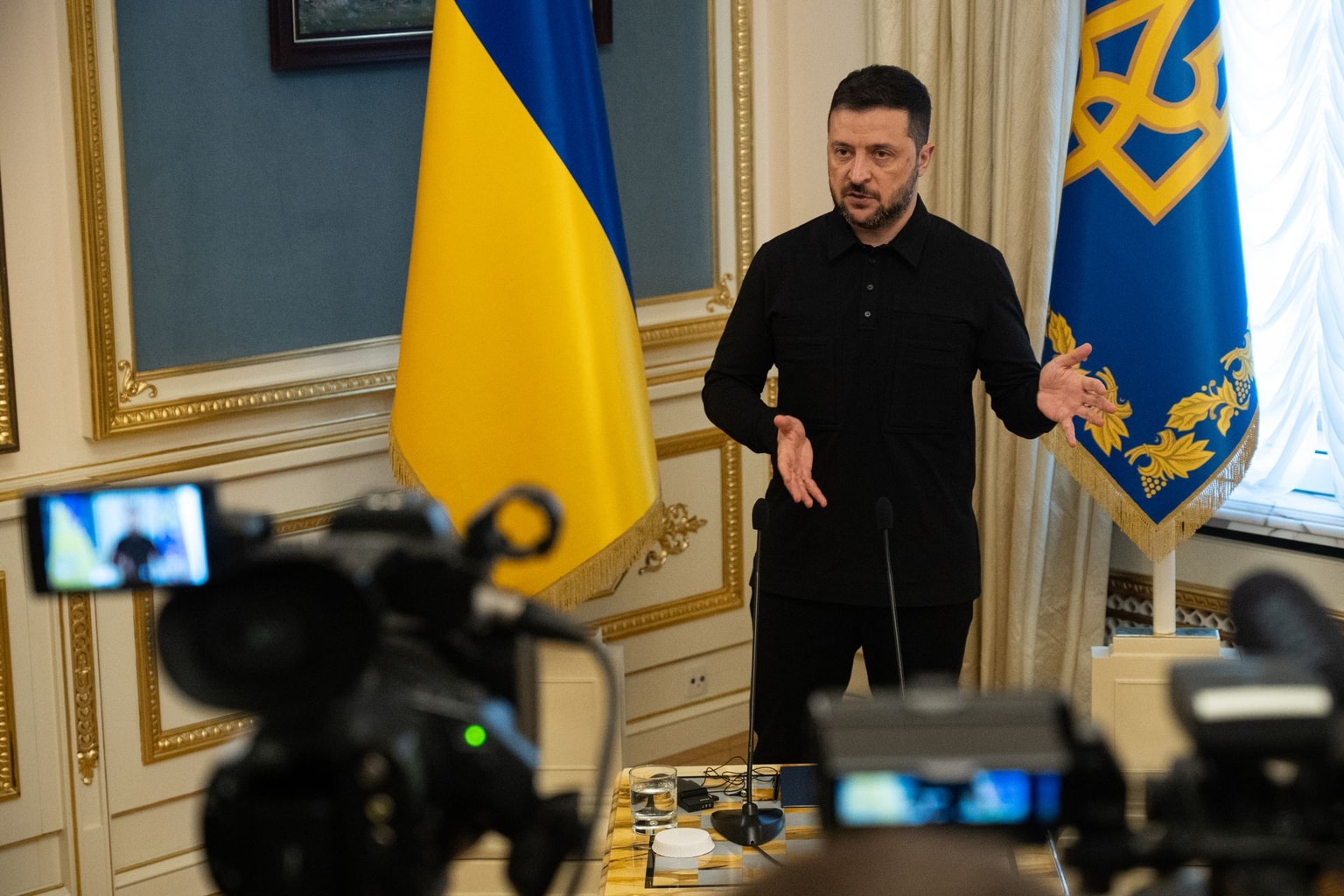
"With Russians, we are enemies. Belarus — (they are) allies of the Russians. We can't be with them," the Ukrainian leader said in Davos.
Other observers doubt that the board will be effective at all.
Volodymyr Dubovyk, head of Odesa National University's Center for International Studies, expressed reservations that the board will play "any significant and active role in solving any conflicts," adding that Ukraine has priorities elsewhere.
Caught between Trump and Europe
There may be at least one reason why Kyiv is not completely closing the door on the project.
Zelensky and his team have worked hard for over a year to earn the favor of Trump, a leader whose mercurial nature determines many life-or-death decisions on Ukraine, from air defense to post-war security guarantees.
Yaroslav Yurchyshyn, a lawmaker from the opposition Holos (Voice) party, says Ukraine cannot flat out reject the invitation "so as not to further strain our already complicated relationship with Trump."
But others argue that flattery of the U.S. leader is a worn-out, ineffective tactic.
"Ukraine has tried many things… only to find, again and again, this approach is not working," Dubovyk noted.
Despite Ukraine's best efforts, periods when Trump seemed to lean toward ramping up support for Kyiv, for example, by Tomahawk missile deliveries, proved short-lived.

Merezhko added that he would rather "give Trump $1 billion for his support for Ukraine to join NATO instead of all other 'boards'."
As Trump's foreign policy also sours on Europe, Ukraine is walking a fine line between not upsetting Washington while maintaining its increasingly vital ties with European partners.
Europe foots the bill for military aid to Ukraine, and the prospect of EU membership is crucial to the country's post-war recovery and long-term development.
"Considering that basically all European countries are not joining (the board), Ukraine should not either, especially in the middle of an important stage of the process of Ukraine's integration into the EU," Dubovyk commented.
As Yurchyshyn added, Ukraine must align its steps with Europe in order to "become the foundation for a new European system of collective defense, which is currently taking shape."
Note from the author:
Hi, this is Martin Fornusek.
I hope you enjoyed this article. In our team, we believe that fact-based, truthful reporting should be available to all – that's why we don't use a paywall.
If you'd like to help us provide you with more in-depth coverage of Ukraine's struggle against Russian aggression, international politics, and more, please consider joining the Kyiv Independent community.