Why Trump’s capture of Venezuela’s Maduro is both a blessing and a curse for Russia
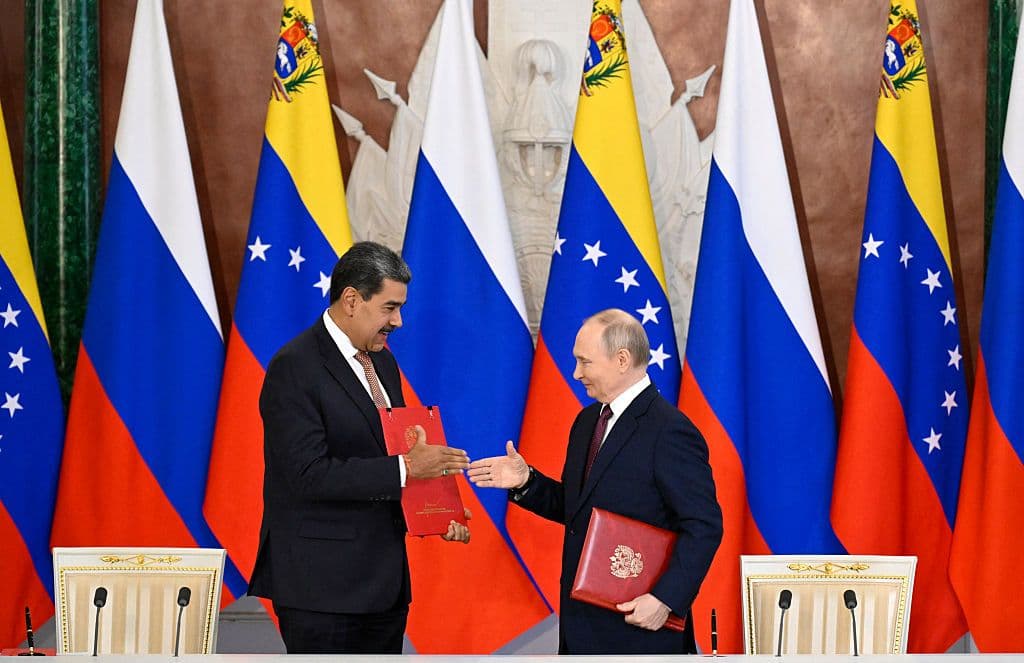
Russian President Vladimir Putin and Venezuelan President Nicolas Maduro attend a signing ceremony following their talks at the Kremlin in Moscow on May 7, 2025. (Photo by Alexander Nemenov/AFP via Getty Images)
 on Google
The U.S. operation to capture Venezuelan dictator Nicolas Maduro, a Kremlin ally, is a blow to Russia's influence in Latin America.
However, Russia may also derive some benefits from U.S. President Donald Trump's unprovoked intervention.
First, Trump's apparent violation of international law plays into the Kremlin's handbook, analysts say. Russia is likely to use the legally dubious U.S. operation as a justification for its illegal war of aggression against Ukraine.
Second, Russia may also accept an increase in U.S. clout in the Western hemisphere in exchange for a reduction in U.S. influence in Europe and Ukraine, according to experts.
Moreover, the shift in Trump's attention to the Americas may undermine his peacemaking efforts in Ukraine.
"(The U.S. operation) will give a pretext for (Russian President Vladimir) Putin to double down on his violent actions," Orysia Lutsevych, a Russia and Ukraine expert at Chatham House, told the Kyiv Independent.
"On the positive side, this weakens the autocratic coalition that was backing Putin and supporting his invasion of Ukraine. It shows that regimes that rely on Russia for security can not be safe."

Maduro's capture
Maduro was snatched from Caracas on Jan. 3 by the U.S. Delta Force and flown to New York to stand trial on 2020 drug trafficking charges. He is accused by the U.S. of smuggling cocaine — a charge that he denies.
Vice President Delcy Rodriguez took over as acting president, while Trump claimed on Jan. 3 that the U.S. would "run Venezuela" by cooperating with her.

It is not clear if Trump's plan will succeed. Rodriguez first condemned the U.S. invasion but struck a more conciliatory tone on Jan. 5, saying that she was prepared to work with the U.S.
The international reaction to Maduro’s arrest has been mixed.
On the one hand, Maduro's legitimacy is dubious. He has been accused of rigging elections, jailing and exiling his opponents, and cracking down on the freedom of speech and assembly. A number of countries, including the U.S. and most European states, did not recognize Maduro as the country’s rightful president.
However, critics argue that the U.S. violated Venezuela's sovereignty and international law, while Trump aimed to turn Venezuela into a puppet state rather than to restore democracy.
A blow to Russia
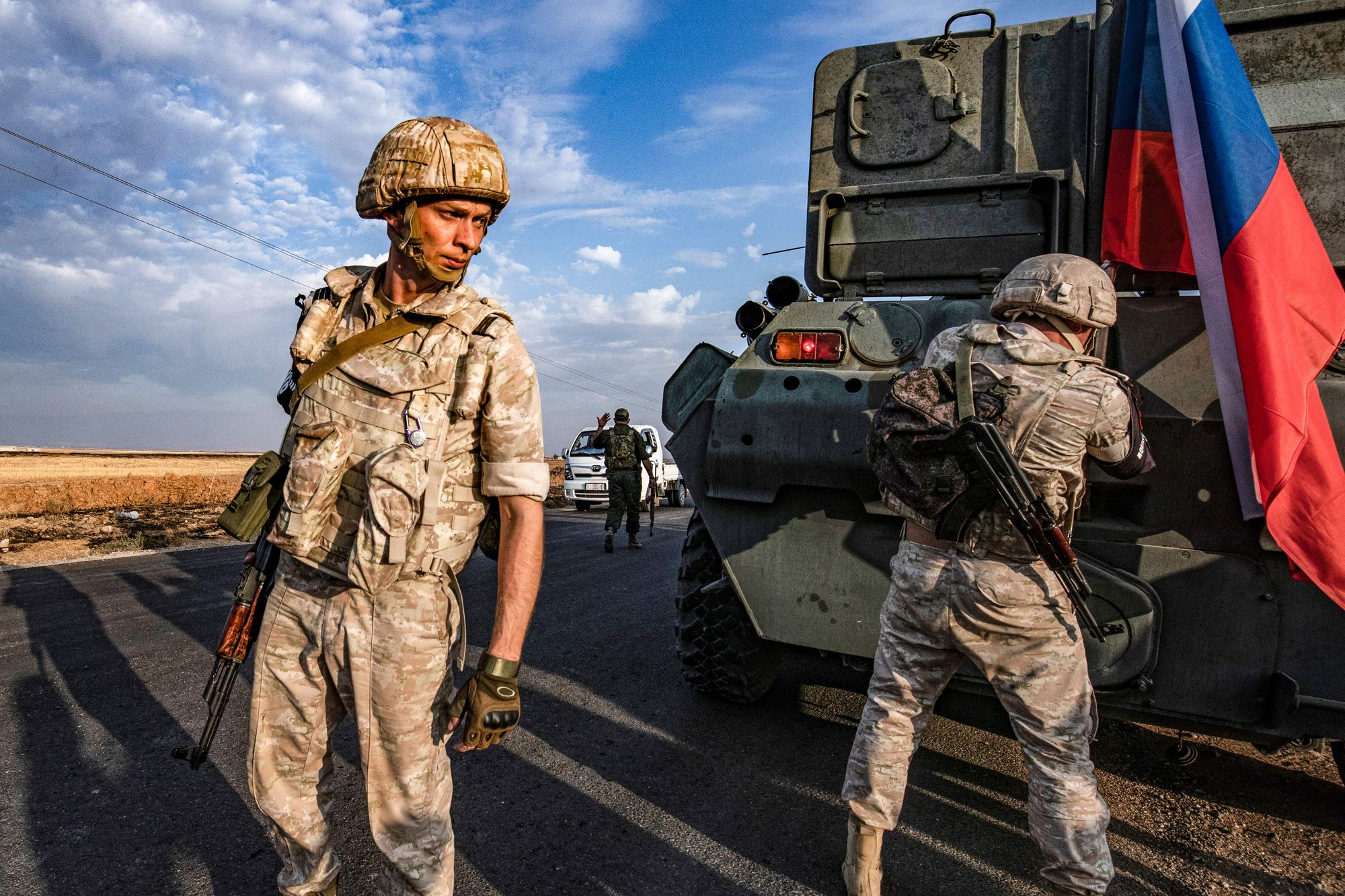
Along with Cuba and Nicaragua, Venezuela has been a key Russian ally in Latin America since 1999, when Maduro's mentor, Hugo Chavez, took over the country.
Russia has since supplied weapons to Venezuela, and the countries have held joint military exercises. Russia and Venezuela have also cooperated in the oil, gas, nuclear power, and other industries.
Maduro's arrest shows "a decline of Russia's influence in Latin America, at least in the short term," Jenny Mathers, a lecturer in international politics at the U.K.'s Aberystwyth University, told the Kyiv Independent.
Maduro's capture "damaged Russia’s credibility and reputation in Latin America."
Johannes Thimm, head of research for the Americas at the German Institute for International and Security Affairs, said that if U.S. companies get access to Venezuelan oil and gas resources and rebuild infrastructure, oil prices could fall, but this process would take years.
"If Venezuela's oil is unlocked, this will be a positive factor for Ukraine," Lutsevych said. "With lower oil prices, the Russian budget will further weaken, and it might alter the calculation in the Kremlin as to how long it can continue its aggression."
Ryhor Nizhnikau, a Russia expert at the Finnish Institute of International Affairs, also argued that Maduro's capture "damaged Russia’s credibility and reputation in Latin America."

"Russia’s narrative of a joint struggle against American imperialism and being a defender of Latin American sovereignty against U.S. neocolonialism was hit by its inaction," he added.
Analysts say there is little Russia could actually do to help Venezuela.
"I do not consider Russia to be in a position to provide any meaningful military assistance to Venezuela," Sascha Bruchmann, a military analyst at the London-based International Institute for Strategic Studies, told the Kyiv Independent.
"Venezuelan-operated Russian air defenses appeared completely incapable of constraining U.S. forces’ freedom of operation in Caracas during the U.S. raid — and the vulnerability would have been noted by all countries operating Russian systems."
He added that "Russia has lost too much in Ukraine," and "Moscow has nothing that could alter the military balance and is unable to project power to counter the U.S. fleet in the Caribbean."
An incentive for Russian aggression
Thimm said that the U.S. operation in Venezuela could also benefit Russia's propaganda narrative, making it more difficult to call out Russia’s war of aggression without being accused of hypocrisy by countries around the world.
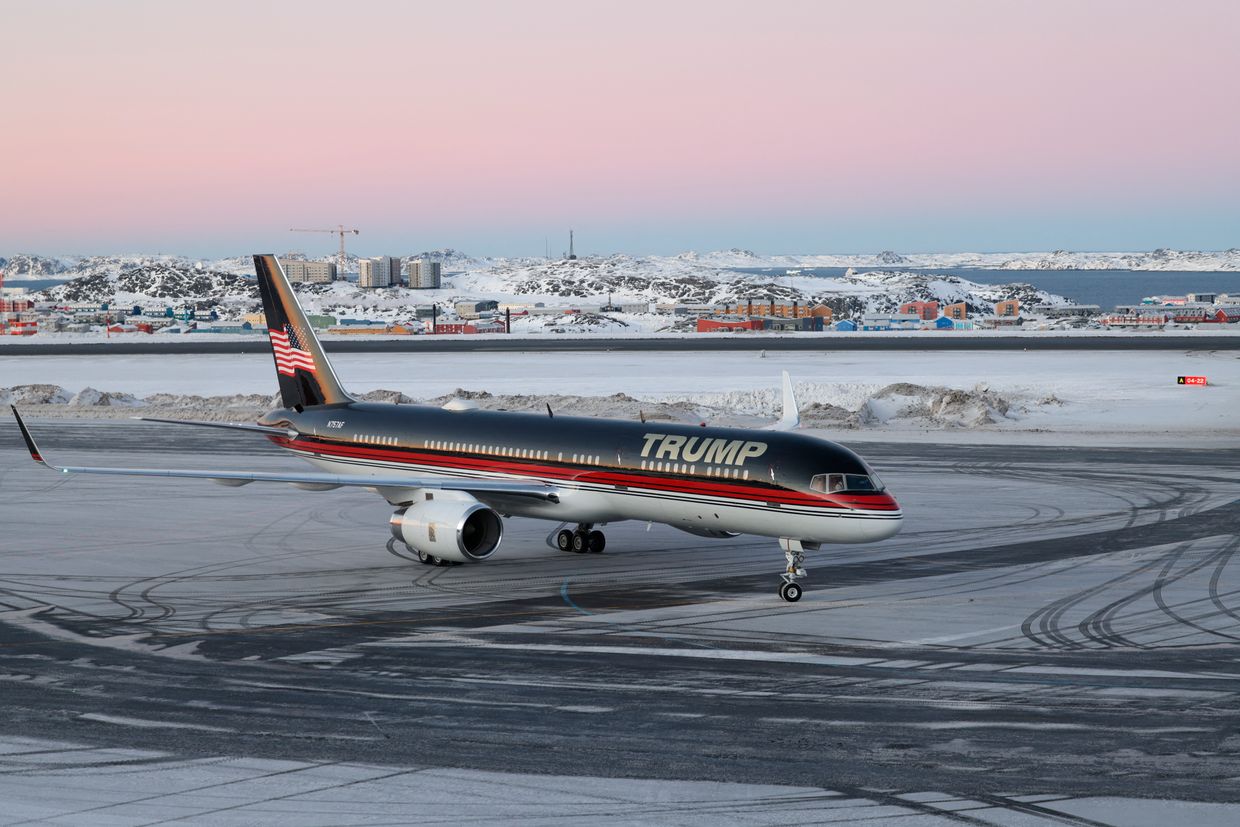
"The Monroe Doctrine is in line with Putin's worldview that ‘might makes right’ and great powers can claim spheres of influence, which is in contradiction to the rules-based international order," he added in a reference to 19th-century U.S. President James Monroe's doctrine that the Americas must be dominated by the U.S.
Roland Paris, a professor of international affairs at the University of Ottawa, also said that the "Trump Administration’s willingness to sideline international law by using military force in Venezuela under a revived Monroe Doctrine sends a troubling signal, potentially further emboldening Vladimir Putin to press ahead with his imperial ambitions across the post-Soviet space."

"For Ukraine, it is not positive," Nizhnikau said. "It is a direct assault on international law; it is another rift in trans-Atlantic ties. If sovereignty is secondary and great power politics substitutes international rules and norms, it further weakens Ukraine’s support in the international arena."
Spheres of influence
Russia officially condemned the U.S. invasion of Venezuela but has so far done little to help its ally.
Despite the weakening of its influence in the Americas, Russia may accept it in exchange for a bigger role in the Eastern Hemisphere, analysts say.
Paris said that "Putin would gladly trade away Russian influence in Latin America for an even freer hand in Europe."
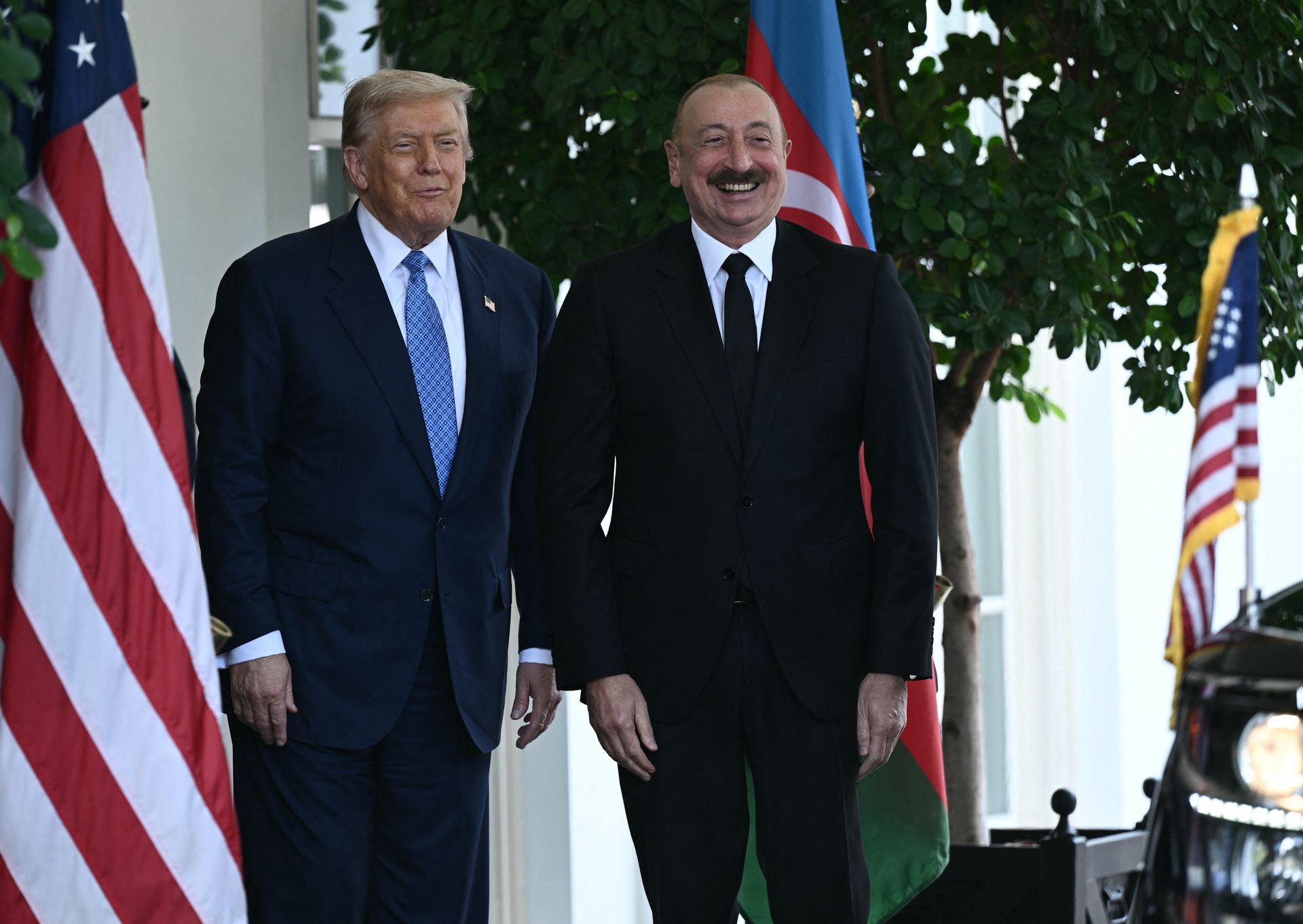
William Wohlforth, a professor focusing on international relations at Dartmouth College, also argued that "Russia’s foreign policy elite would be happy to recognize the 'Donroe Doctrine' of 21st century U.S. domination in Latin America (Trump's version of the Monroe Doctrine) if the U.S. would recognize their 'special rights' in Europe and near abroad."
He added, however, that he doubts that such a "deal is on offer."
"Putin would gladly trade away Russian influence in Latin America for an even freer hand in Europe."
But if there is a deal to divide spheres of influence, "it might actually improve U.S.-Russian relations in the medium to long term," according to Mathers.
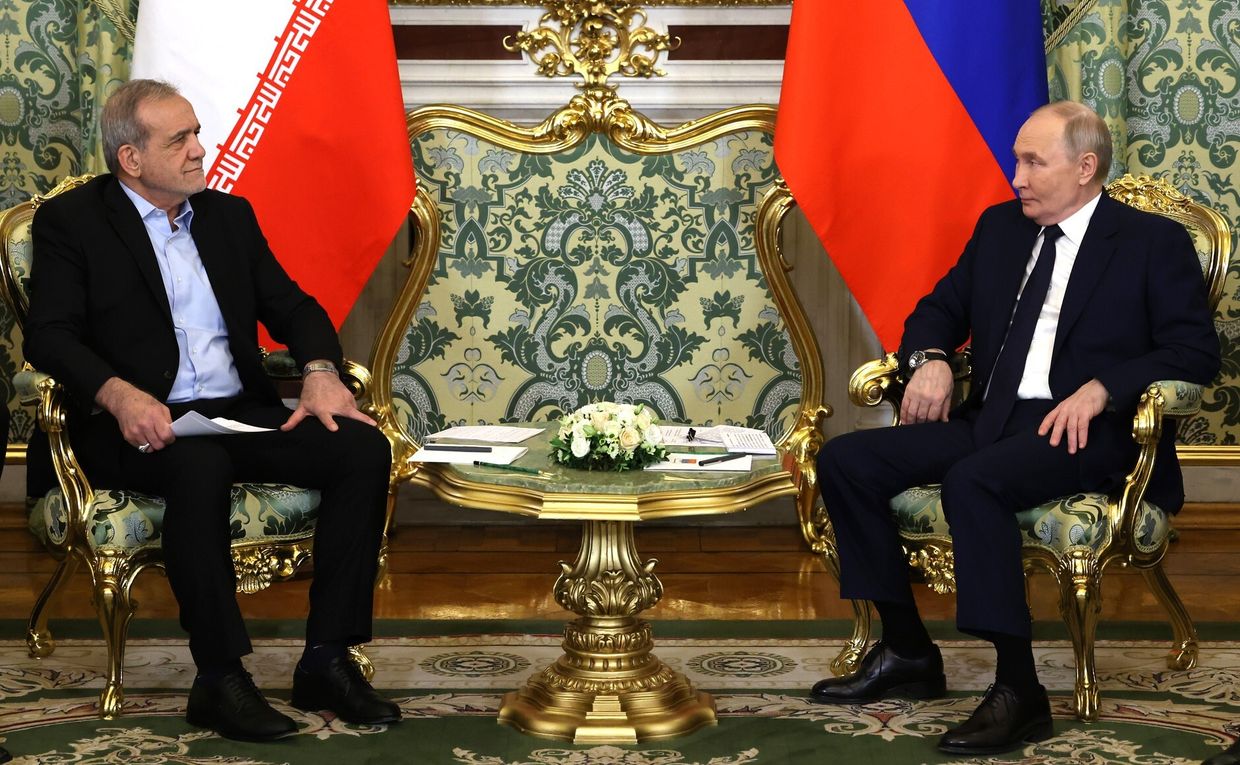
Jamie Shea, a defense and security analyst at Chatham House, compared Putin's policy in Venezuela to his failure to help Syrian dictator Bashar al-Assad during his overthrow in 2024 and Iran when it was bombed by Israel and the U.S. in 2025.
"Putin has a habit of dropping his allies in difficult circumstances and when the geopolitical wind is blowing against him," he said. "He condemns the U.S. in public and in the UN Security Council but doesn’t challenge Washington in practice as his main interest is keeping Trump on his side in Ukraine and getting Washington to lift sanctions on the Russian economy."
Shift in focus
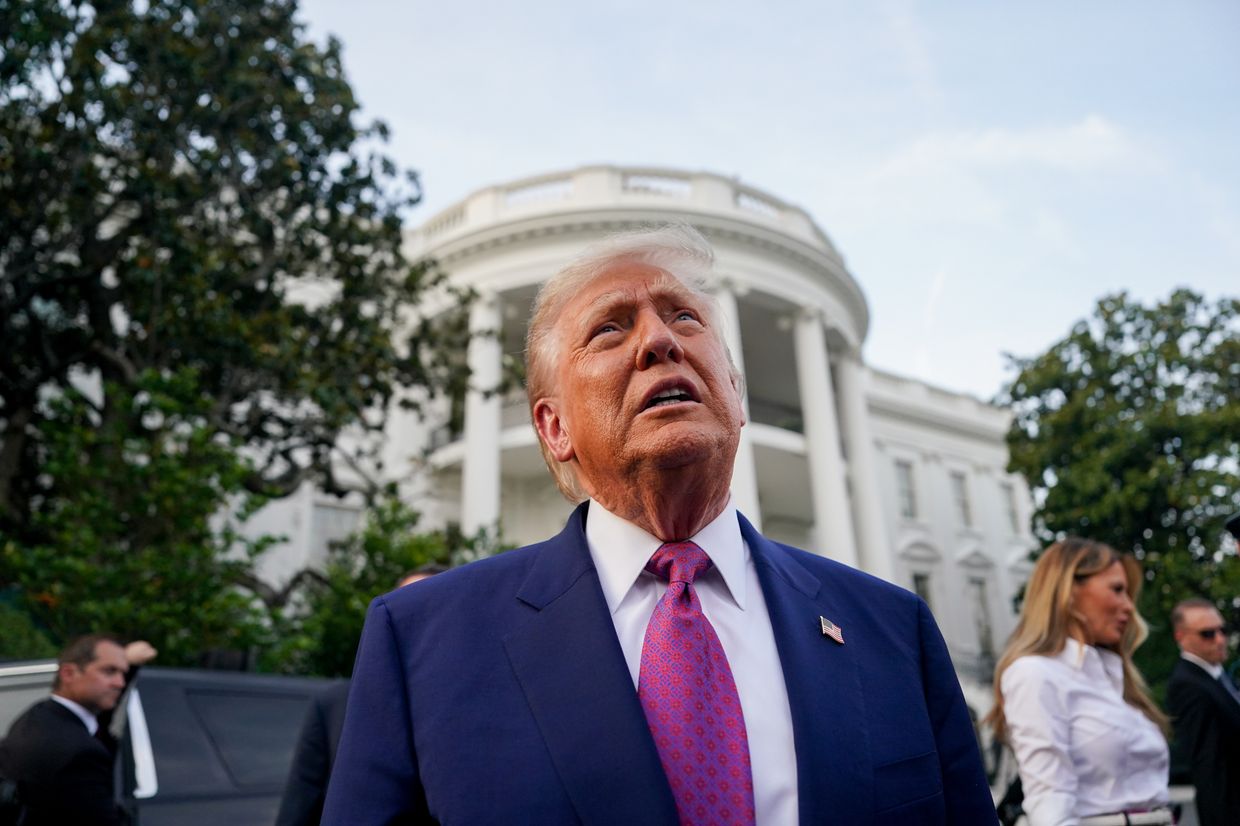
Meanwhile, the shift in Trump's focus from Eurasia to the Western Hemisphere may have an impact on his peacemaking efforts in Ukraine.
"Dealing with the aftermath of the attack on Venezuela and perhaps expanding operations to other countries (as Trump has suggested might be on the table) will probably take a lot of U.S. attention, which suggests that Washington is not going to have the capacity to push for some kind of peace deal in Ukraine as its top priority," Mathers said.
"We can probably expect Russia-Ukraine to slip down the agenda of this administration, at least for a time."
Thimm also argued that "the U.S. will be focused on Venezuela and less focused on Europe, which is a welcome development from the Russian perspective."
Kyiv Independent reporter Tim Zadorozhnyy contributed to this report.