Why the West must support the mental health of Ukraine's defenders
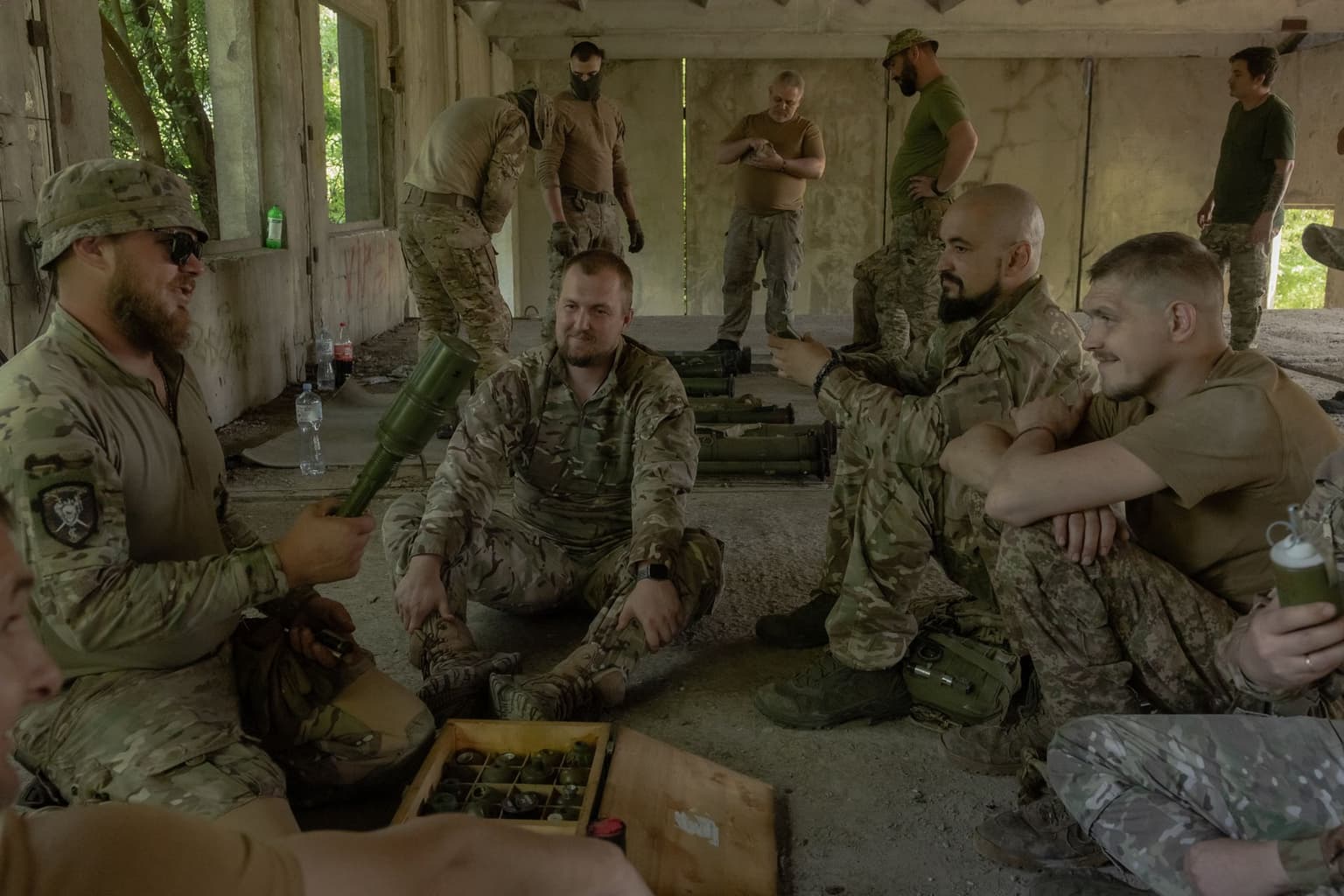
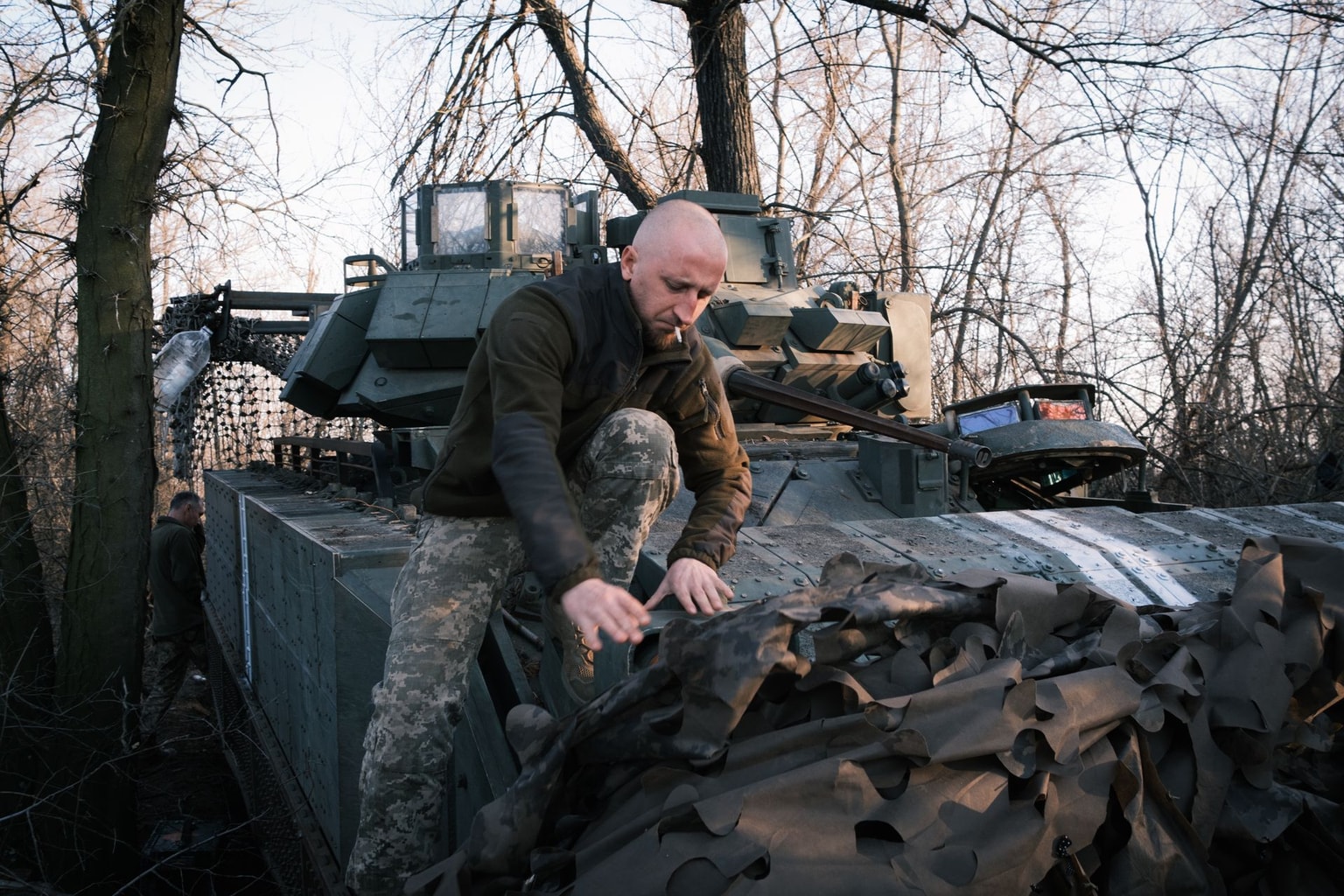
Ukrainian servicemen of the Spartan Brigade take part in a combined mental resilience and combat training exercise in Dnipropetrovsk region, Ukraine, on July 14, 2025. (Roman Pilipey/AFP via Getty Images)
 on Google
Nathalie Timtchenko
Founder and executive director of First Aid of the Soul
As Ukraine continues to seek ways to sustain its army and its citizens, the country's mental health crisis has long been deprioritized, and the West is doing little to address it.
Without systematic intervention now, overlooked trauma could become embedded in Ukraine's demographic future, with repercussions for generations to come.
Given that Ukraine's resources are spread thin, it is unlikely that the country will substantially allocate them to the dire mental health needs, as all immediate priorities understandably go directly toward the battlefield and the sustainment of critical infrastructure. This is where Western countries must step in and provide critical help.
Though it is difficult to pinpoint the exact impact of mental health concerns, only the most harrowing consequences tend to grab people's attention, albeit when it is too late to prevent a tragedy.
On Oct. 3, 2025, it was reported that a Ukrainian soldier hung himself from a tree in a village in Kyiv Oblast. In November 2024, a Ukrainian major of a military recruitment center in Kyiv died in the hospital after attempting suicide as he shot himself in the head due to service fatigue, according to media reports. A month prior, another soldier reportedly fell victim to suicide near the city of Vuhledar, Donetsk Oblast, due to an unsuccessful military operation.
A volunteer paramedic from Germany who has been in Ukraine since 2022, offering combat medical training for Ukrainians, told me that two of his fellow service members recently died by suicide, and it was “out of nowhere; they were seemingly fine and excited about life.”
He now recognizes that the wounds that soldiers acquire are not just physical and that they cannot be left unaddressed.
There are some remarkable psychological support programs that are being established for veterans across Ukraine at a grassroots level, but less attention is being given to active defenders, an issue that cannot be dismissed.
I have worked in Ukraine as a mental health professional for over a decade and have witnessed firsthand the psychological toll of war upon one's mental wellbeing if left unaddressed and how it affects the psyche of an individual.
Estimates from an early 2025 World Health Organization report indicate that approximately 46% of the Ukrainian population is affected by psychological distress, including more severe mental illness and neurological disorders. Other research supports similar findings.
While these numbers are general, there are nuances among various Ukrainian populations, including between internally and internally displaced, children, widows, and the elderly. This certainly applies to the military as well. For example, one study indicates the differences in mental health matters between professional soldiers and civilian combatants, as well as by gender.
The mental health crisis in Ukraine, including among its military, pre-dates the 2022 full-scale invasion.
In 2021, then-Minister for Veterans Affairs Inna Drahanchuk said that around 700 (a conservative figure) of the country's veterans have died by suicide since 2014, when Russia launched the initial invasion.
A 2020 study estimated that 57% of Ukraine's veterans needed mental health support. Another study, which focused on patients at a psychiatric clinic between 2016 and 2018, found a 10-fold increase in hospitalized patients with diagnoses of mental illness in 2014 compared to the pre-war year.

Since February 2022, that problem has obviously exacerbated due to the scale of Russia's aggression, constant and unrelenting stress the Ukrainian soldiers face, compounded by their worries about family and the destruction of their homeland.
Ukrainian officials have acknowledged a severe lack of mental health specialists to address the growing needs.
In March 2024, one estimate noted that Ukraine had only one psychologist for every 100,000 people, far below Western averages. Furthermore, a pervasive stigma against seeking mental health support in military culture prevents many soldiers from even considering getting help.
This can lead to attempts of self-treatment with substance use (i.e., alcohol, drugs, unapproved over-the-counter antidepressants, etc.) and other unhealthy coping behaviors.
Oleh Novak, who directs psychological rehabilitation for a unit at the National Guard of Ukraine, shared with me that the lack of mental health services among Ukraine's active military is devastating, alluding these unaddressed needs to a raging fire. "How do we prepare for the fire if we don't address it now with preventative measures?"
Part of a broader challenge facing policymakers, both in Ukraine and elsewhere, is the lack of clearly defined, actionable frameworks to address the worsening mental health crisis.
It is often treated as an abstract problem — expressed in high-level statistics — without a clear strategy for implementation. Yet systemic challenges persist: quality training remains costly, clinical supervision among fellow professionals is scarce, and cultural understanding is limited among international providers.
Increased funding and research are necessary, but alone are inadequate. What is also required is the actual implementation of well-defined, evidence-based best practices — such as early detection systems, preventive public health strategies, integration of primary care, and systematic monitoring — that can operationalize the response and provide actionable high-impact results.
These best practices should be rooted within an overarching approach — where global expertise is bridged with Ukraine's local capacity.
From my clinical background of working in a variety of settings internationally and in Ukraine, and with my organization's nearly four years of working on the ground in Ukraine, I can confidently say that much of these issues can be effectively addressed through this approach.
It is crucial to integrate psychosocial interventions into healthcare facilities, train interdisciplinary teams of mental health professionals, and implement rigorous monitoring and evaluation systems to scale effective practices that are tailored for Ukraine's military.
The West has mental health professionals, resources, and the responsibility to play a leading role in addressing Ukraine's escalating mental health crisis, as domestic systems are operating beyond their limits. Strengthening Ukraine's psychological resilience will not only enhance military readiness and reduce suicide rates but also improve decision-making under stress, directly saving lives on and off the battlefield.
Editor’s note: The opinions expressed in the op-ed section are those of the authors and do not purport to reflect the views of the Kyiv Independent.