Why investigations against lawmakers do not threaten democracy in Ukraine
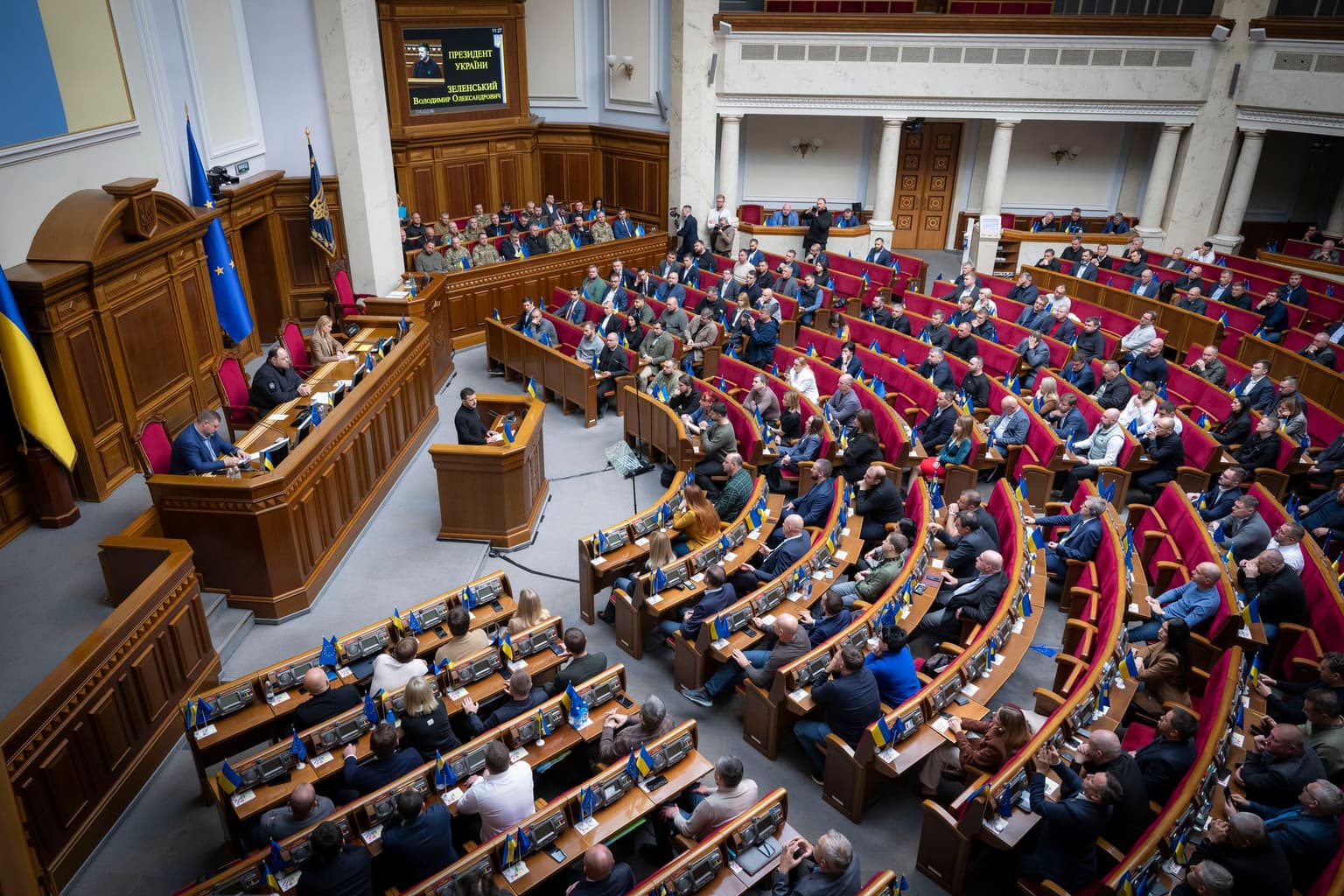
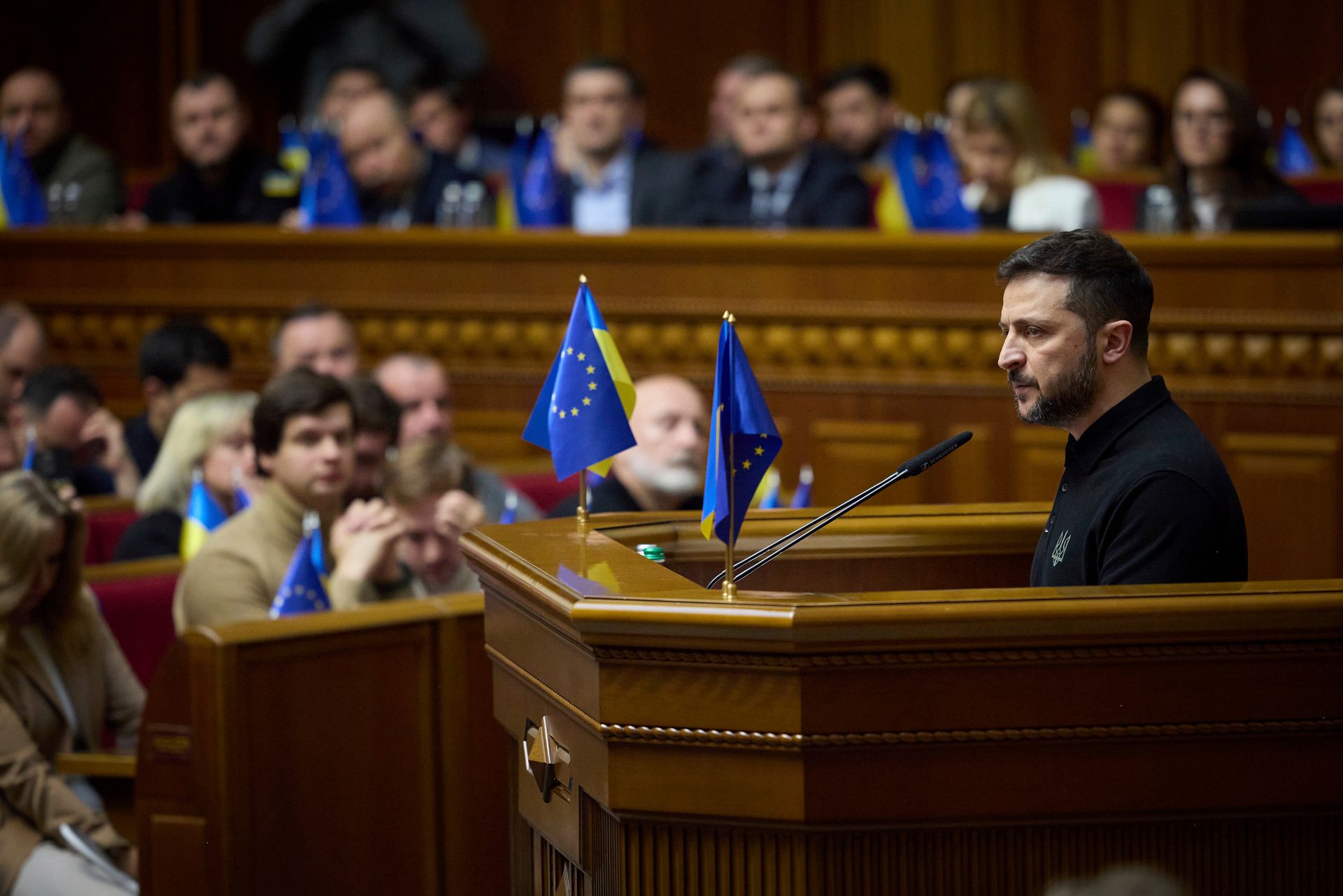
Ukrainian President Volodymyr Zelenskyy addresses parliamentarians at the Verkhovna Rada in Kyiv, Ukraine, on Oct. 16, 2024. (Press Service of the President of Ukraine / AP)
 on Google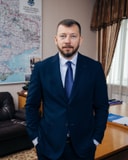
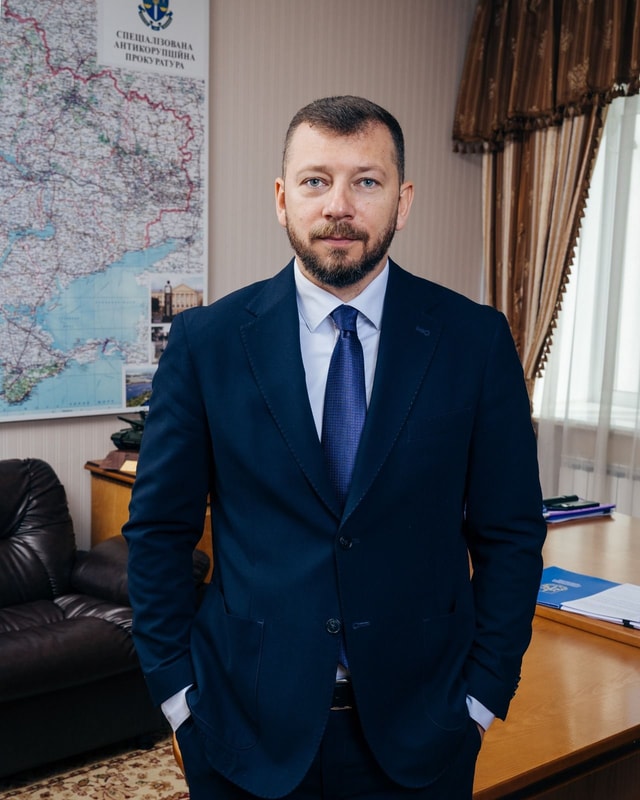
Oleksandr Klymenko
Head of The Specialized Anti-Corruption Prosecutor's Office
Ukraine is fighting two battles at once: resisting Russia's invasion and reforming its institutions to meet EU membership standards.
When corruption investigations target sitting members of parliament, these two realities can appear contradictory. During wartime, prosecutions of lawmakers may seem to indicate institutional fragility.
In fact, the opposite is true.
Investigating MPs during wartime is not a threat to Ukrainian democracy — it is evidence that the rule of law is finally reaching the country's political elite.
Ukraine established specialized institutions — the National Anti-Corruption Bureau (NABU) and the Specialized Anti-Corruption Prosecutor's Office (SAPO) — precisely to investigate corruption at the highest political levels. Such investigations, by putting an end to corrupt practices, naturally strengthen the resilience and potential of a country seeking to become part of a united Europe.
What does the data show?
Ukraine's parliament currently has 393 members. At present, 21 MPs, about 5% of the parliament, are suspects or defendants in NABU and SAPO cases. Over the course of this term, 41 lawmakers have faced corruption-related charges, affecting both members of government and opposition factions.
These numbers suggest that NABU and SAPO investigations could hardly affect the Ukrainian parliament's overall functioning. Moreover, Ukrainian law generally provides bail as an alternative to detention in most corruption cases. As a result, MPs who face suspicions usually remain able to continue exercising their parliamentary duties.
In some cases involving MPs, no verdict was reached due to legislative loopholes.
In particular, in 2023 and 2024, eight proceedings regarding filing false asset declarations were closed in court because of an unreasonably short two-year statute of limitations. European Commissioner Marta Kos and Ukraine's Deputy Prime Minister for European Integration, Taras Kachka, jointly declared that closing this loophole is a legislative priority for 2026.
Since 2023, four MPs have been convicted, including one serving four years for abuse of influence, and another sentenced to eight years, who fled Ukraine before the verdict and is now on an international wanted list.
For a parliament that originally had 450 members and now has just under 400, these cases hardly suggest political persecution. Instead, they show that accountability is slowly taking hold in Ukraine's political class.

The "envelope payments" case
Last December, NABU and SAPO uncovered an alleged system of regular illegal payments to a group of MPs from the governing majority — a practice often referred to in Ukrainian politics as "salaries in envelopes."
Investigators suspect these were not one-off bribes tied to specific votes but recurring unofficial payments distributed over an extended period, possibly even before Russia's full-scale invasion.
According to the investigation, payments started before the Russian full-scale invasion and reportedly ranged from $2,000 to $20,000 per month and depended on factors such as attendance at parliamentary sessions and participation in votes. Instructions on how to vote were allegedly shared in a group messaging chat.
Importantly, the payments were not tied to individual votes. The system, instead, allegedly assessed MPs' overall voting behavior throughout the month. According to our investigation, the parliamentary agenda included not only EU-related legislation but also initiatives backed by specific interest groups.
Some politicians have attempted to portray the case as political persecution or pressure on parliament. However, the investigation has not obstructed the Verkhovna Rada's functioning. The MPs involved were released on bail and remain able to perform their parliamentary duties. Meanwhile, parliament has continued to pass legislation, including laws required for Ukraine's integration into international organizations.
The investigation is conducted under strict judicial oversight, which undermines claims of political persecution. Crucially, that oversight is exercised by the High Anti-Corruption Court, an institution that has consistently demonstrated independence and impartiality in handling high-level corruption cases.
At the same time, NABU and SAPO are also investigating other alleged attempts to bribe MPs, including a case involving the leader of an opposition faction.
Together, these investigations reinforce two principles: everyone is equal before the law, and anti-corruption efforts are neither biased nor politically selective.
The European Commission's 2025 report on Ukraine's EU accession progress highlighted steady advances in building a track record in the fight against high-level corruption — the very mandate of NABU and SAPO. These investigations involving members of parliament are part of the process and demonstrate that Ukraine is delivering the accountability the EU expects from candidate countries.

Where does the system fall short?
At the same time, cases involving MPs expose structural weaknesses in Ukraine's anti-corruption framework.
Court decisions in NABU and SAPO investigations are accessible to a wide range of individuals, creating conditions in which sensitive information about investigative actions can leak. Wiretapping remains dependent on other law enforcement agencies. Meanwhile, procedural rules in the Criminal Procedure Code carry the risk that complex corruption cases may collapse due to unreasonable time limits.
Another limitation concerns the special legal procedure for members of parliament: criminal proceedings against an MP can be formally registered only by the Prosecutor General or an acting Prosecutor General, meaning such investigations depend on decisions taken at the highest level of the prosecution service. An additional obstacle is the internal and external complications surrounding the extradition process.
To strengthen our fight against high-level corruption, lawmakers must amend the Criminal Procedure Code to reinforce the institutional autonomy of NABU and SAPO — and deliver a faster, more effective justice system. Second, the two institutions need their own technical capacity to conduct autonomous wiretapping, rather than relying on other law enforcement agencies.
Third, loopholes in access to the judicial registry must be addressed to better protect the secrecy of pre-trial investigations. And finally, Ukraine needs stronger mechanisms for international extradition, as courts in other jurisdictions often refuse to extradite suspects, citing security risks linked to the war.
These challenges concern not individual cases, but the capacity of Ukraine's justice system as a whole, and addressing remaining problems will be a key determinant of Ukraine's European integration and economic recovery.
Editor's note: The opinions expressed in the op-ed section are those of the authors and do not purport to reflect the views of the Kyiv Independent.