Russia's increased army size 'largely aspirational,' experts say
 on Google
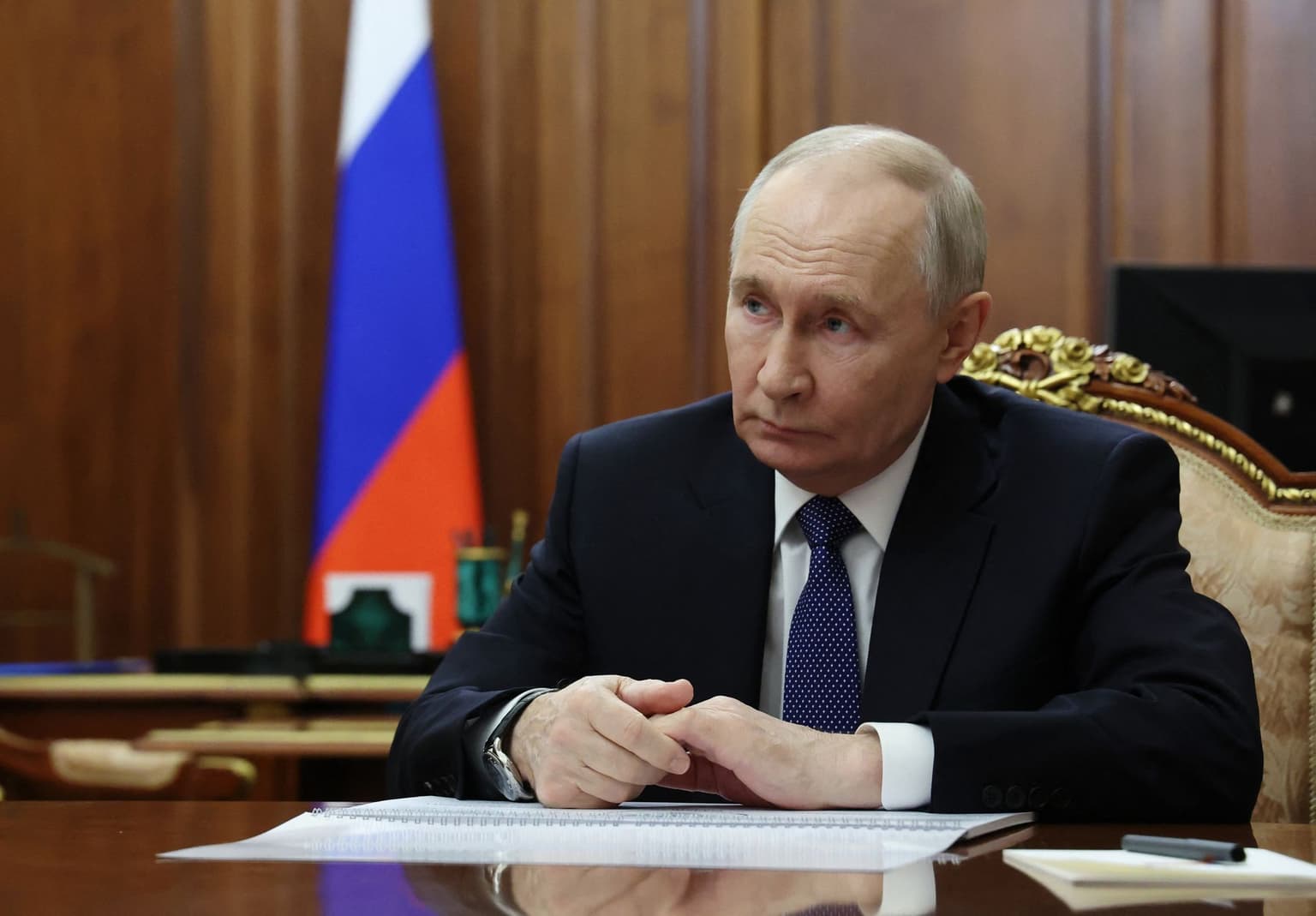
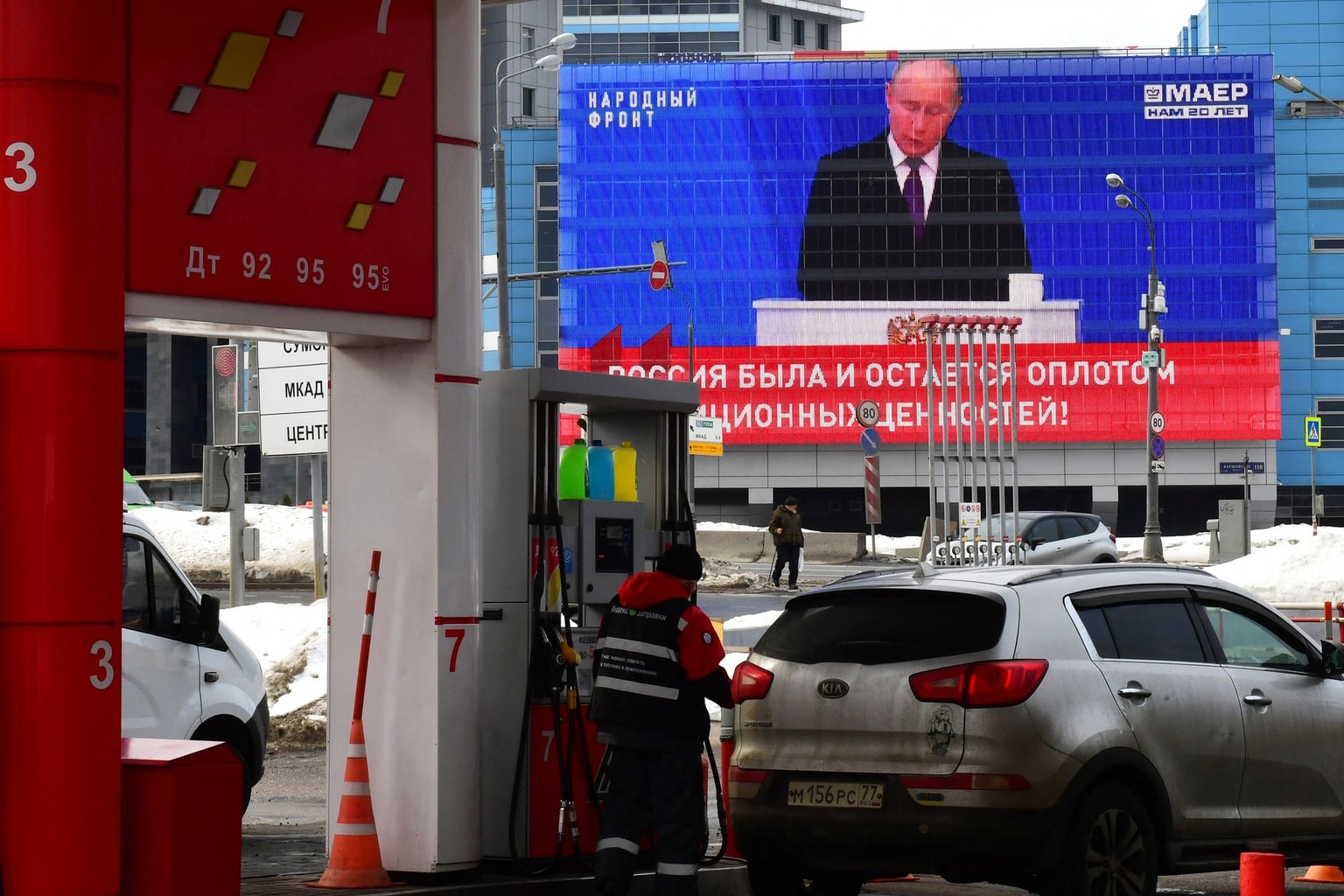
Russian President Vladimir Putin has increased the potential size of the country's armed forces, a move analysts say is tied to long-term military reforms aimed at strengthening Moscow's capabilities against NATO.
According to a decree signed on March 4, the maximum number of Russian service members could reach 2,391,770 personnel. Of these, 1,502,640 will serve as active-duty troops — 2,640 more than before.
But while the overall numbers are large, experts say they don't necessarily translate into actual soldiers on the front lines.
"These numbers are largely aspirational," Kateryna Stepanenko, a Russia analyst at the Institute for the Study of War, told the Kyiv Independent.
"They represent what the Kremlin wants the Russian standing army to look like in the long term rather than the current force composition fighting in Ukraine."
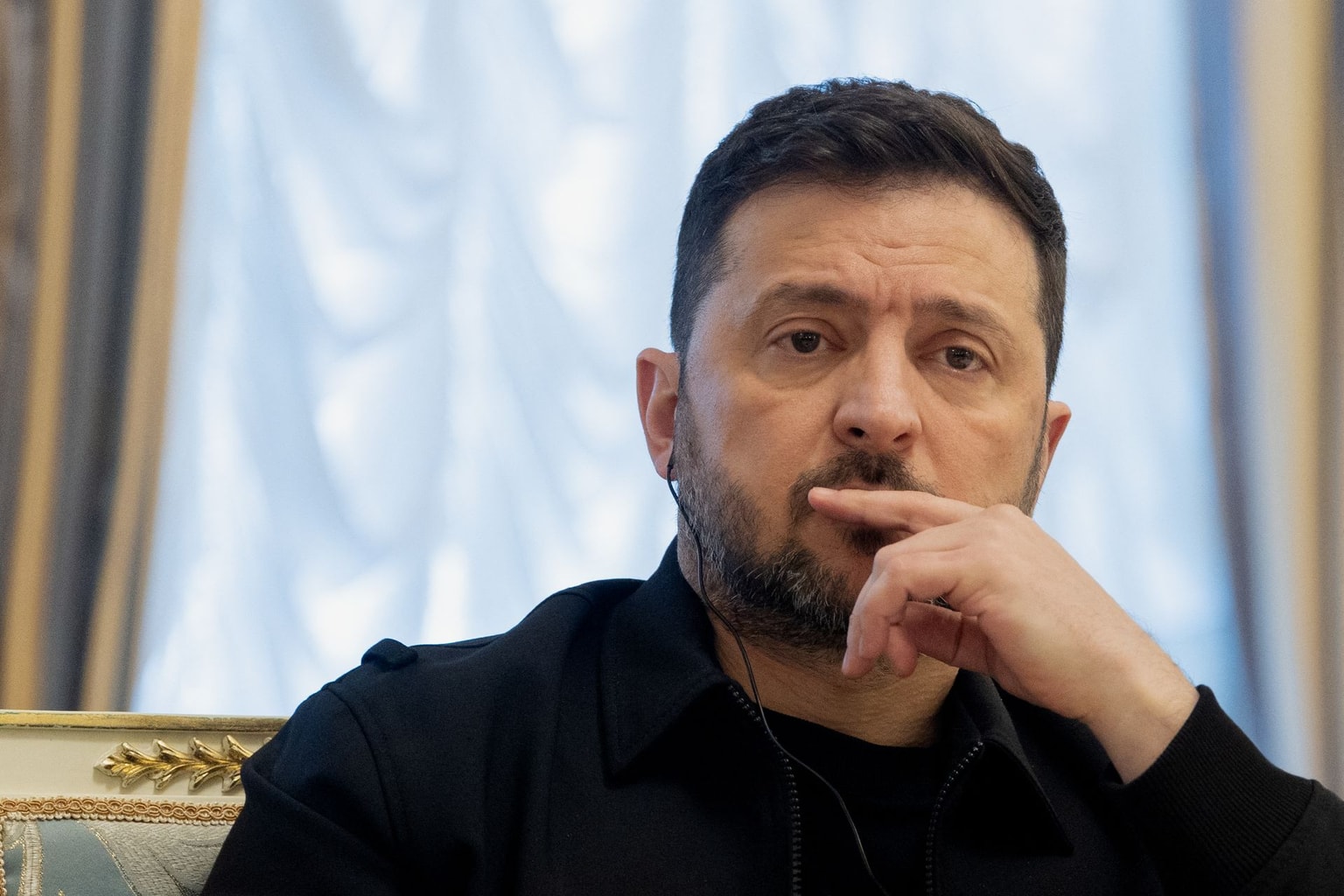
Ukraine's Commander-in-Chief, Oleksandr Syrskyi, told Sky News on Dec. 5, 2025, that more than 710,000 Russian troops were deployed along the front lines in Ukraine. By comparison, the Ukrainian army totaled 880,000 soldiers as of Jan. 15, 2025, according to President Volodymyr Zelensky.
Amid the growing Russian threat in the region, Zelensky continues to urge European partners to establish joint forces of at least 3 million personnel. The president also warned that Russia plans to expand its regular army to 2.5 million by 2030.

Stepanenko said the latest decree is best understood as part of a long-term military expansion announced by former Defense Minister Sergei Shoigu in 2022.
"The reforms aimed at creating a big military that can posture against NATO," she said.
Shoigu's reforms included plans to expand the size of the armed forces, create new divisions and brigades, and reorganize Russia's military districts.
At the same time, analysts say the decree itself is unlikely to significantly change the situation on the front line in Ukraine in the near term.
"When people see these numbers, they often assume that all of these troops could immediately appear in Ukraine. But that's not actually the case," she said.
In its war against Ukraine, Russia continues to rely on volunteer contract soldiers who choose to sign up for large sign-up bonuses.

The Kremlin also conducts conscription twice a year, in spring and fall, requiring eligible men to serve for one year. By law, conscripts cannot be sent abroad to fight.
The manpower balance remains strategically important as the Kremlin tries to sustain the war without full mobilization. Moscow continues to rely on contract recruitment and financial rewards to avoid the political backlash that followed the 2022 draft.
"Conscription classes effectively serve as a pool of active reserves that Russia could rely on in a larger potential war," Stepanenko said.
Expansion
The expansion of Russia's military has been an ongoing process since the start of the full-scale invasion of Ukraine.
"This increase has been driven by the expansion of Russia's force in Ukraine, which has grown by more than 400,000 since 2022, along with the formal absorption of the 'LDNR' proxy forces into the Russian military," John Hardie, deputy director of the Foundation for Defense of Democracies' Russia Program, told the Kyiv Independent.
However, he added that the restructuring process slowed last year, as heavy battlefield losses forced Russia to direct most new recruits to replacing casualties rather than forming new units.
"Perhaps up to 90% of recruits had to be used simply to replace losses," Hardie said.
According to estimates by the Center for Strategic and International Studies (CSIS), Russia has suffered nearly 1.2 million battlefield casualties, including killed, wounded, and missing, between February 2022 and December 2025. About 415,000 of those losses occurred in 2025 alone, with roughly 35,000 casualties per month.
These are the largest losses suffered by any major power in a war since World War II.
Abbey Fenbert contributed additional reporting to this story.