Jan Lipavsky: What is our Ukraine policy? Victory, victory at all costs
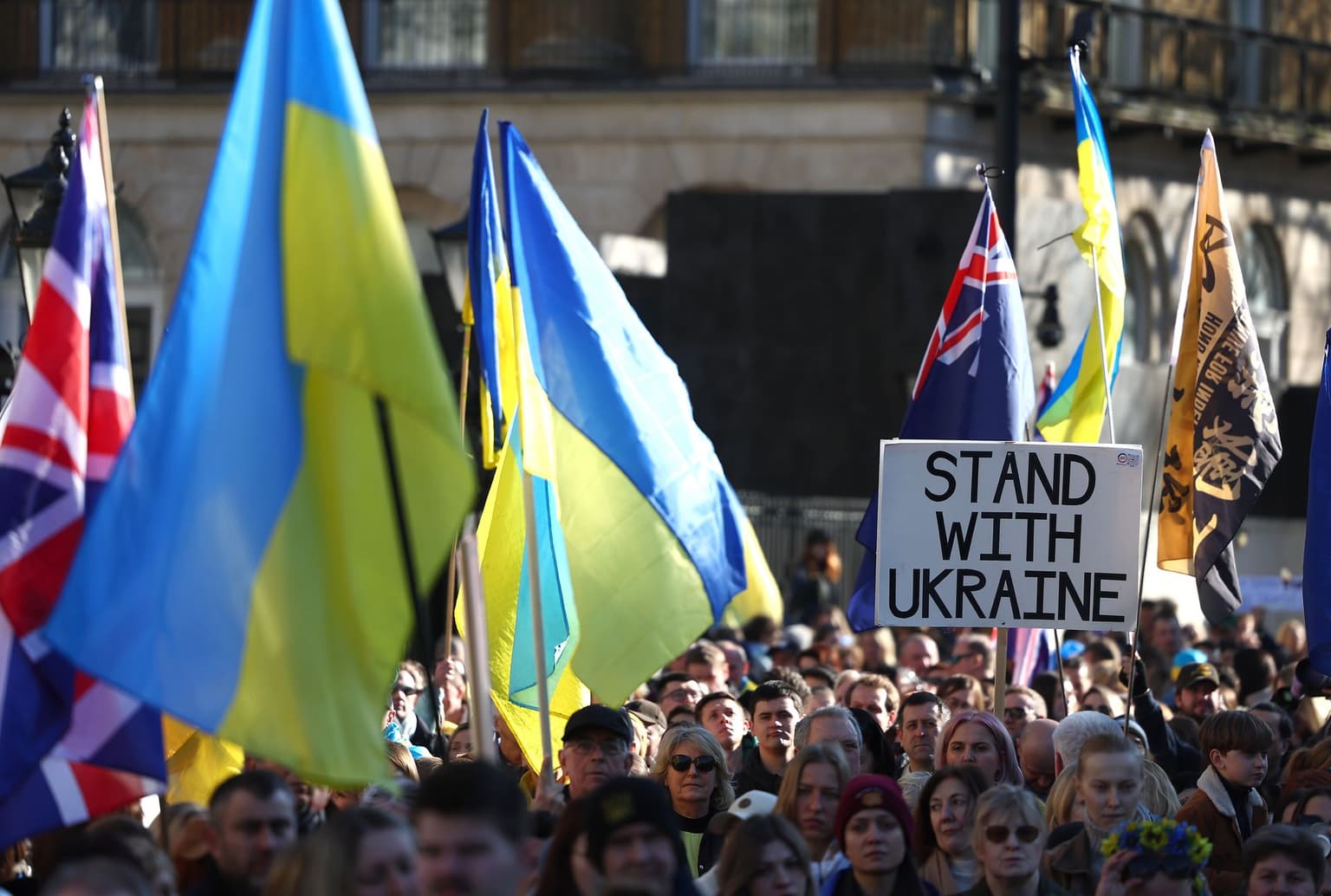
Demonstrators attend a rally in support of Ukraine opposite Downing Street in London, England, on March 2, 2025. (Peter Nicholls / Getty Images)
 on Google
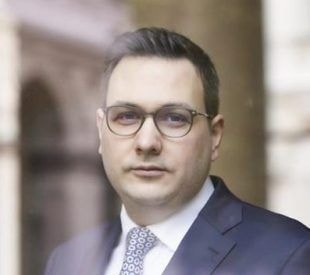
Jan Lipavsky
Former Minister of Foreign Affairs of the Czech Republic
As Churchill said of another war, Ukraine and the West must have "victory in spite of all terror, victory however long and hard the road may be."
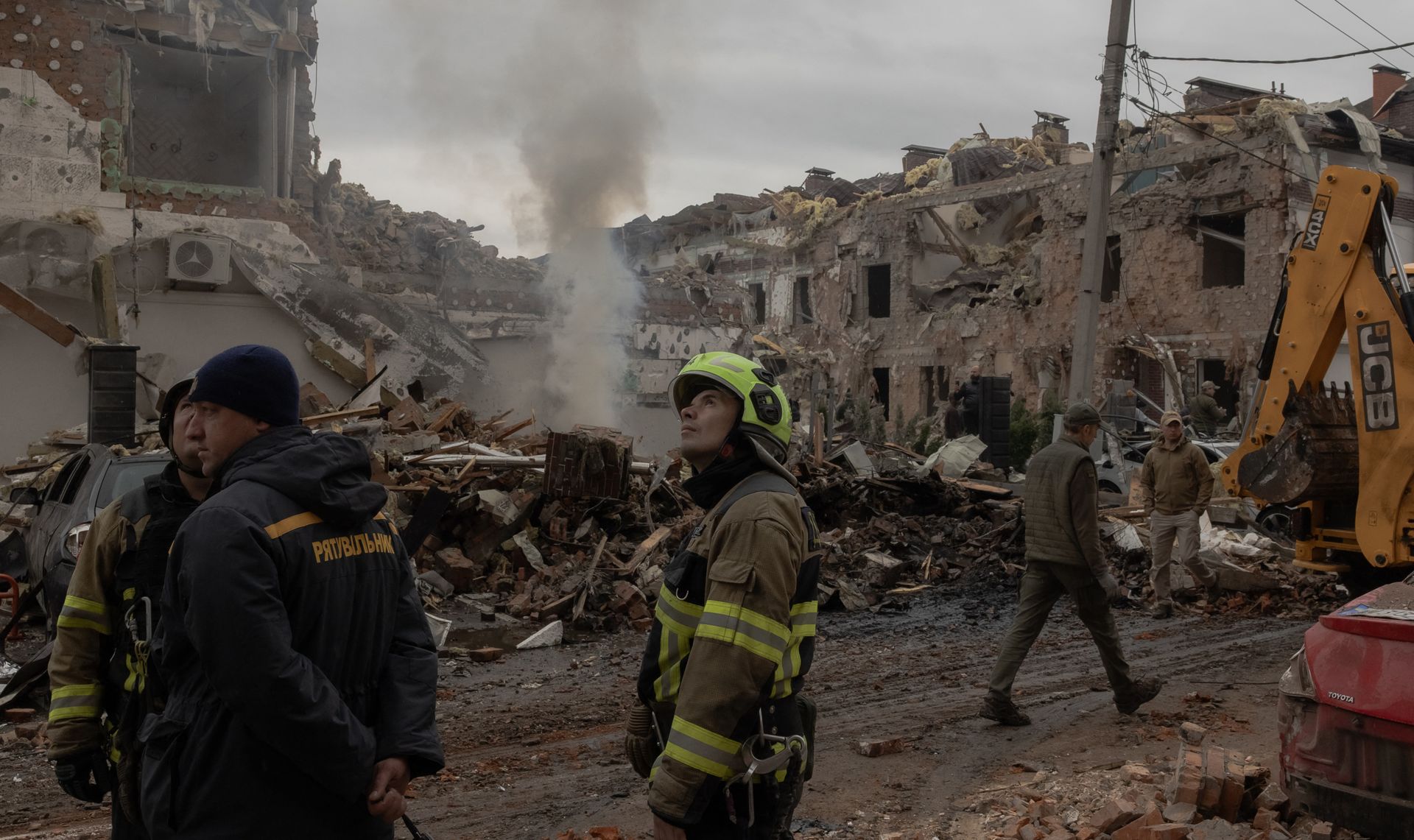
As the fifth year of Russia's war against Ukraine is poised to begin, the end still seems nowhere in sight.
It is a time to reflect, and not just for Ukrainians. The West, too, and especially NATO, should finally acknowledge a truth that too many still deny — that Russia's war against Ukraine is also a war against us, against our way of life and our future, and that our interests dictate that Russia must be defeated.
The inevitable corollary is that we must ensure the war is brought to an end on terms acceptable to Ukraine and Europe and not those demanded by Vladimir Putin. He will do so only when he is forced to.
And for that to happen, the word victory must once again be foremost in our vocabulary. So what does victory mean?
It does not mean occupying Russia or causing its collapse. Victory means that aggression fails. It means that Ukraine survives as a sovereign state, that Russia is no longer capable of continuing the war, and that a ceasefire is not merely a pause before another attack. And it means, of course, that Russian imperialism does not rain its baleful influence on any other neighbor.
Strategic victory means that the Russian invasion becomes an example of deterrence, that borders cannot be changed by force, and that aggression carries higher costs than peaceful coexistence. Political victory means that Moscow changes its calculations because it understands that confrontation with the West is a dead end.
It was Putin's full-scale invasion on Feb. 24, 2022, that transformed the world. Now, in 2026, the world is once again dividing into blocs, and this requires us to conjure up the old ways of thinking in a new guise; in a world governed by hard power, hard power must be applied.

For the democratic West, as the creator of the international global order, this raises a number of urgent questions. How do we defend the fundamental values on which Western democracy is built? How can we defend ourselves against a totalitarian system willing to sacrifice endless lives (1.2 million men dead and wounded so far) for its imperial ambitions? How do we protect our societies from hostile propaganda? And how do we convince voters that the West must be a coherent geopolitical force if we are to preserve our way of life?
As the Minister of Foreign Affairs of the Czech Republic, I spent four years participating in numerous high-level meetings seeking solutions to Russia's war against Ukraine. I observed first-hand the debates about how to confront Russian aggression. My theme throughout this was consistent — that there must be a common strategy to contain Russia.
Now that I have left the office and can speak more freely, I can state openly that for over four years, the West has failed in this endeavor.
That said, there have been a number of remarkable achievements. NATO countries have committed to spending 5% of GDP on defense. Comprehensive economic sanctions are restricting Russia's ability to develop its war economy. Support for Ukraine has shifted from deliveries of old Soviet-era equipment to the most advanced Western weapons systems, while Ukraine itself has reached the technological forefront in drone production.

Key EU and NATO institutions are also slowly but surely adapting to the new reality.
The most important observation is this. Russia's inability to win was not achieved through a comprehensive strategy. Instead, it was the result of many urgent and ad hoc efforts. In most cases, these efforts were driven by desperate Ukrainian appeals for help.
As a result, we are in a situation where the determination of Ukrainians to defend themselves, combined with the economic and military power of the West, prevents Putin from achieving his war aims. At the same time, it remains unclear how the war will develop further.
The peace talks that have taken place over the past year give the impression that their real goal is not to achieve peace in Ukraine, but to satisfy domestic political needs in Washington.
It is difficult to blame Ukrainians for this, as they refuse to capitulate in favor of Putin's imperial dream. While the U.S. plays the role of mediator, Europe has merely observed the peace talks from the sidelines.
To achieve victory, which remains the aim of our continent, we will have to do more.
On land, Ukraine must receive the resources it desperately needs to stop the relentless waves of Russian attacks, stabilize the front, and ideally move to a counteroffensive. At the same time, Russia must see that any conventional attack on the Baltic states or other NATO allies would stand no chance of success.
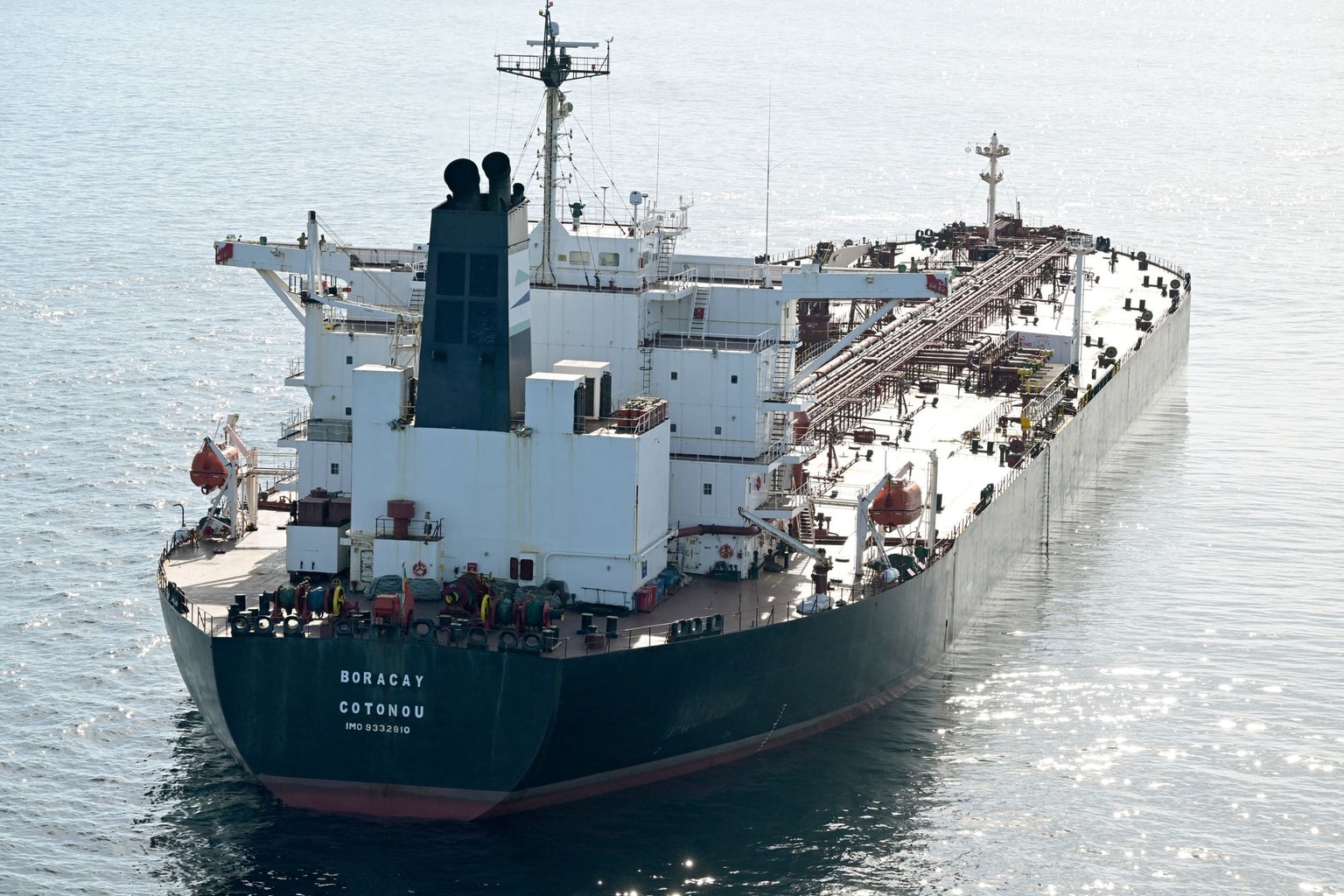
At sea, victory means restoring security in the Black Sea, shutting down the shadow fleet, and protecting our undersea infrastructure.
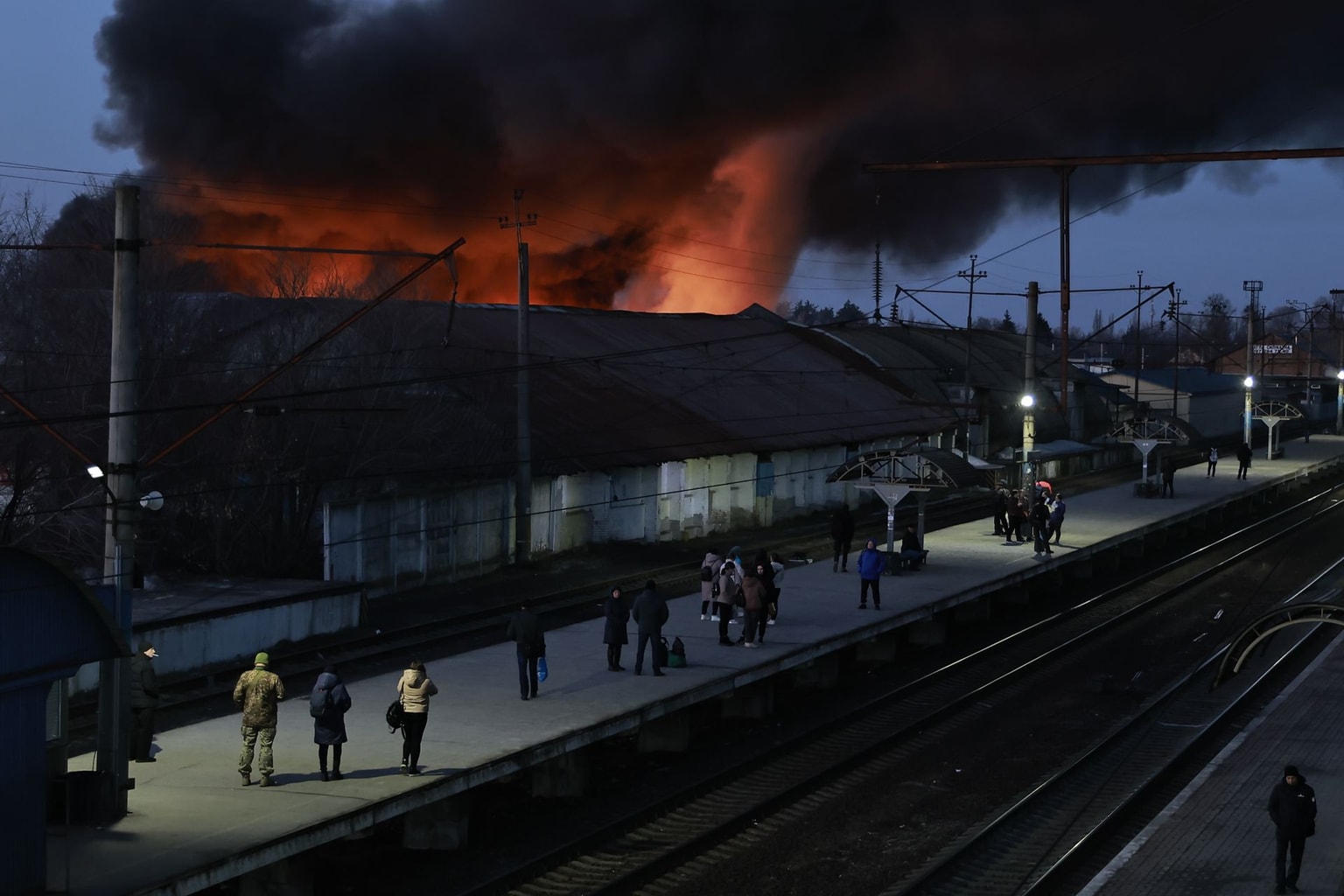
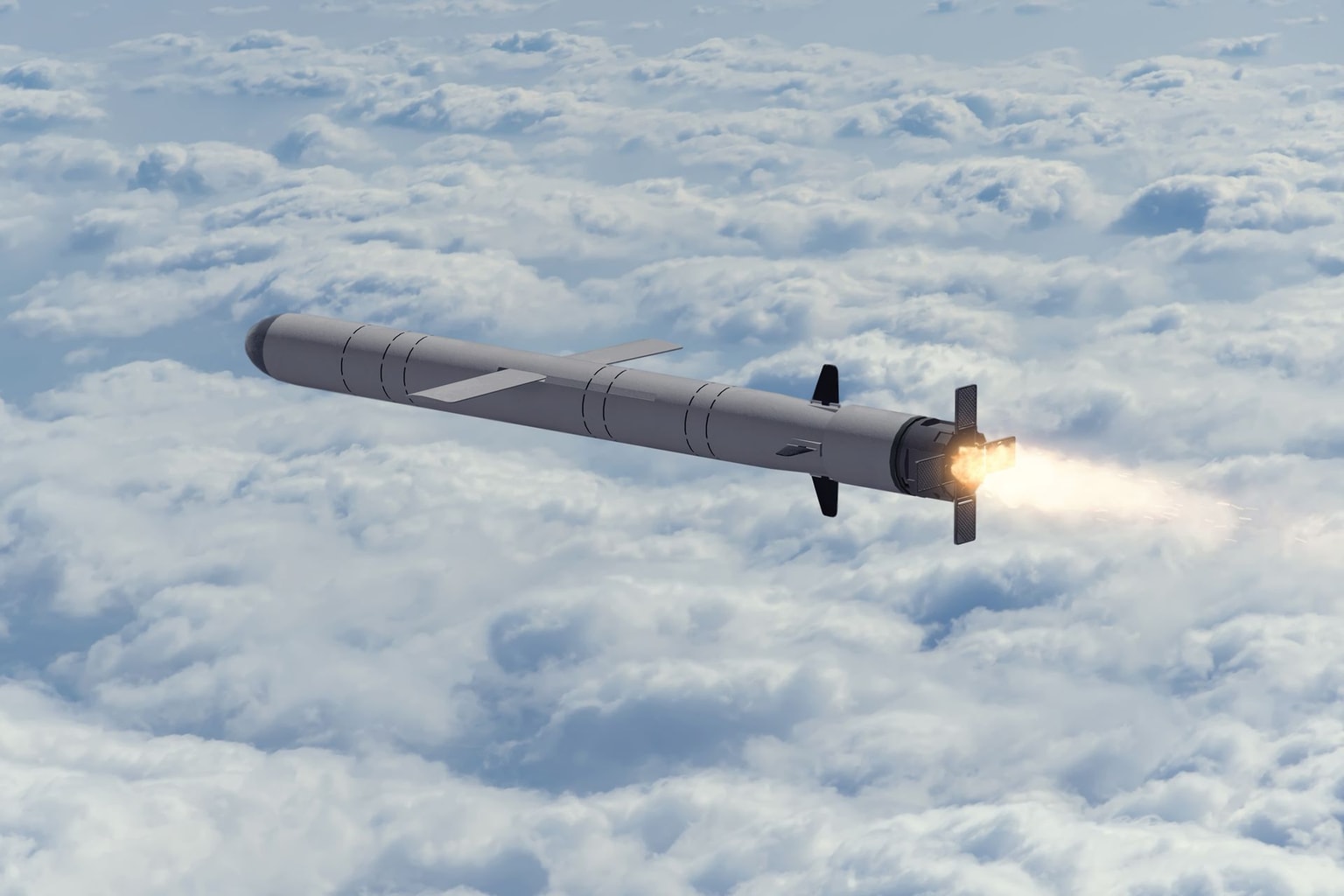
And in the air, victory means an end to Russia's ability to launch hundreds of drones and dozens of cruise and ballistic missiles night after night. Drones and missiles can no longer be allowed to threaten any resident of Ukraine, NATO, or the EU.
In the economic domain, victory will mean that Russia can no longer continue to arm itself, wage war against Ukraine, or build capabilities for further military action in Europe. The West today holds the power (as the U.S. has demonstrated with India) to impose the toughest possible economic sanctions, above all through a strict embargo of Russian oil and gas exports.
There must also be an ideological victory; it has to be clear to everyone that Putin has nothing to offer the world, because the democracies, despite all their problems, remain the best places to live on Earth.
And finally, we must secure victory over Russian imperialism, so that we do not settle for a mere ceasefire that would only give the Kremlin time to prepare further hostile action. Russia must abandon its war aims and must abandon its expansionist policy and hybrid activities, including cyberattacks, acts of terror and sabotage, and the spread of propaganda designed to incite against the West.
When Moscow comes under genuine Western pressure, the elites in Moscow will face a simple dilemma: to end aggression against the West and begin cooperating, or to become a vassal of China, a status already well underway. That is the moment when the decoupling of Russia from China can realistically occur.
Such a shift would create the conditions for a more constructive relationship with a future Russia, which many in the West still dream of.
Four years of war in Ukraine have been a harsh test of the values on which Western society is built. Perhaps this year's reminder of a quarter millennium of American democracy — the moment when human freedom triumphed over monarchy, and colonialism was rejected— can remind the West of the meaning of democracy's triumph over tyranny and expansionism.
Russia can be defeated. We have the strength to do so.
But do we also have the determination?
Editor's note: The opinions expressed in the op-ed section are those of the authors and do not purport to reflect the views of the Kyiv Independent.
read also
 The Kyiv Independent
 Tim Zadorozhnyy
 Polina Moroziuk