What does Navalny’s murder confirmation mean for Russia, Ukraine and the West?
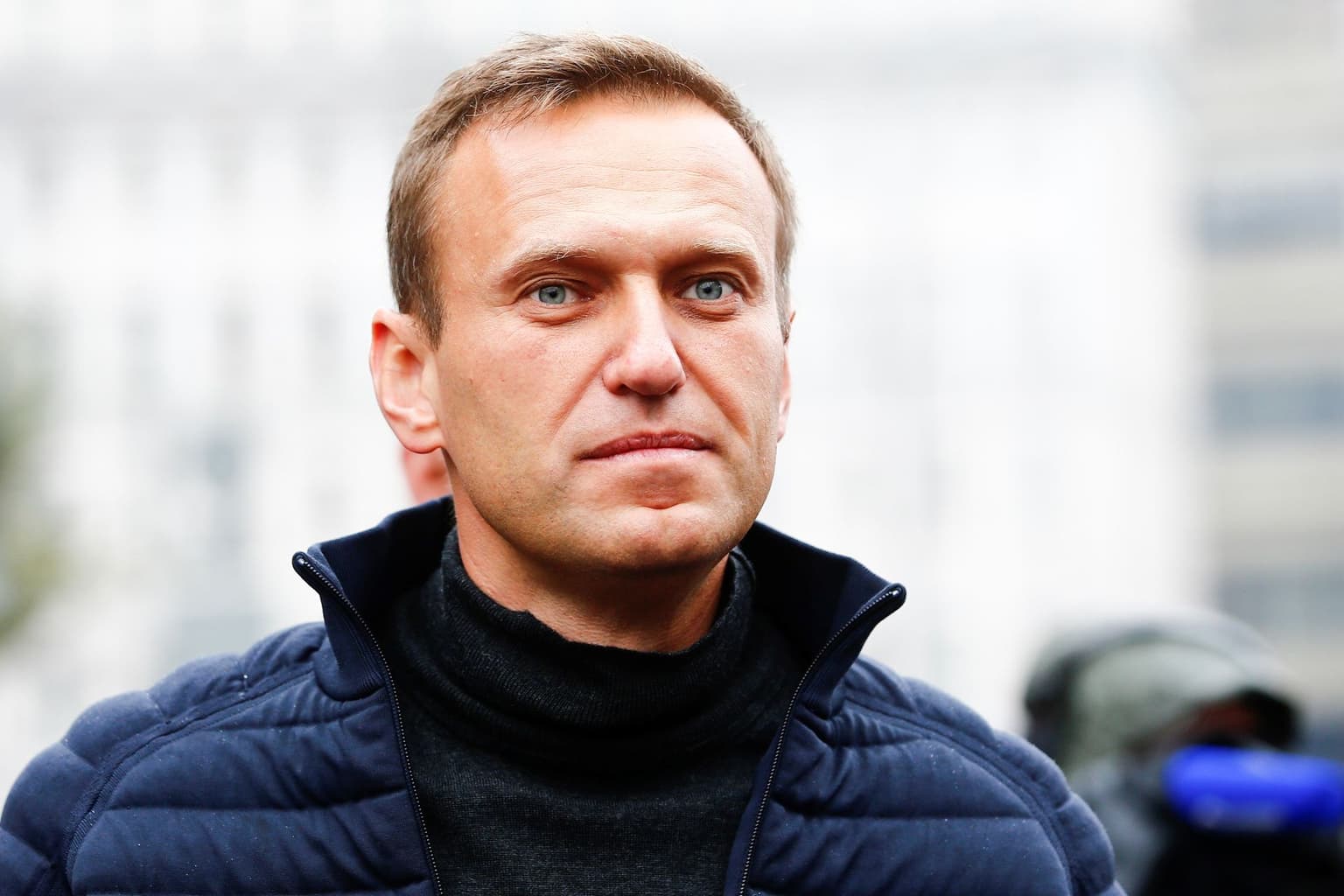
Russian opposition leader Alexei Navalny in Moscow, Russia, on Sept. 29, 2019. (Sefa Karacan / Anadolu Agency via Getty Images)
 on Google
The effective confirmation by five European countries that Russia did kill opposition leader Alexei Navalny in 2024 did not surprise those familiar with the Kremlin's track record.
But the Feb. 14 statement, which blames Russia for the murder and specifies the kind of poison used, represents a new milestone in the deterioration in Russian-European relations.
Previously European countries were more reluctant to antagonize Russia. But Russia's war of aggression against Ukraine and Kremlin-linked murders and sabotage all over the continent have pushed Europe towards a harsher and more resolute approach.
"It looks like (Russian President Vladimir) Putin’s penchant for killing has been recognized as outrageous," Russian political analyst Dmitry Oreshkin told the Kyiv Independent. "And now it will be impossible to restore normal relations with him. The idea that it is possible to make deals with him is becoming less and less popular in Europe."
Pavel Havlicek, a research fellow at the Association for International Affairs, argued that the confirmation of Navalny’s murder “might only harden the EU policy stance on Russia and remind everybody once again who Vladimir Putin is and who we are dealing with — a dictatorship under the personal command of one man guiding the whole system.”
“I can, indeed, imagine that this will be reflected in the upcoming 20th package of sanctions against the Kremlin too,” he added.
However, the statement on Navalny's murder is unlikely to have any major impact on Russia, Ukraine or the U.S., analysts say.

Why was Navalny killed?
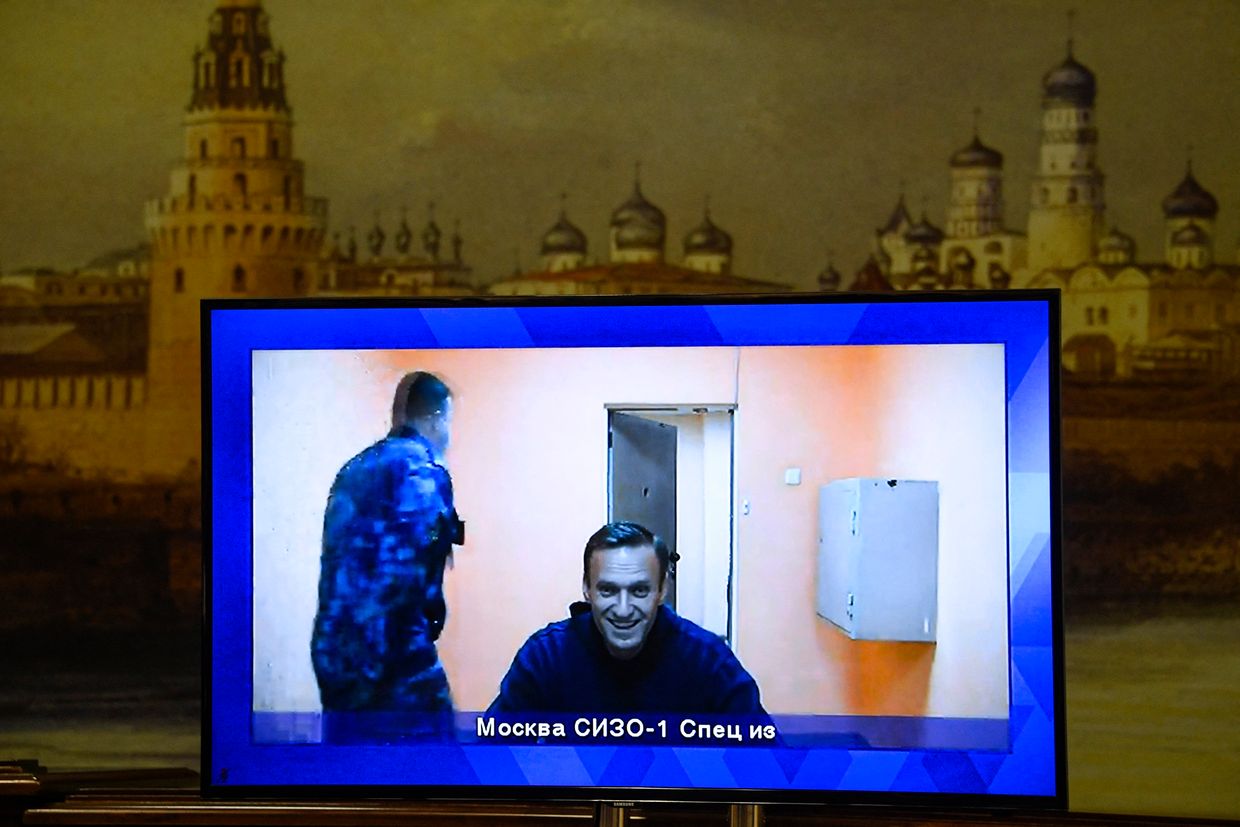
Navalny, who was Putin's main political opponent, was sentenced in several criminal cases widely believed to be fabricated.
In 2020, he was poisoned in Russia for the first time and flown for treatment to Germany while in a coma. German doctors, as well as several independent labs in Europe, said that he had been poisoned with a Novichok nerve agent – a chemical weapon produced by the Russian government.

He returned to Russia and was sent to jail in 2021. Navalny died in an Arctic penal colony in February 2024 after what Europe says was his second poisoning.
The U.K., Sweden, France, Germany, and the Netherlands said on Feb. 14 that Navalny had been poisoned with a dart frog toxin called epibatidine before he died.
Navalny’s widow Yulia Navalnaya said in September 2025 that she and her associates had transported Navalny’s biological samples abroad immediately after his death. Later the samples were examined by laboratories in the five countries that made the statement.
"Five of Europe’s largest countries officially recognized the fact of the poisoning."
"Navalny died while held in prison, meaning Russia had the means, motive and opportunity to administer this poison to him," the countries said.
The timing of the murder has been linked by many observers to negotiations over the exchange of local and foreign political prisoners held in Russia, including Navalny, for Kremlin-linked Russians imprisoned in the West.

The most high-profile Russian on the list was Vadim Krasikov, who was sentenced to life imprisonment in Germany in 2021 for the murder of a Chechen insurgent. The Kremlin has admitted that Krasikov is an agent of Russia's Federal Security Service.
The logic behind this theory is that Putin did not want to exchange Navalny but did not intend to cancel the prisoner exchange either. So killing him was apparently a stratagem to achieve both goals.
The exchange eventually took place after Navalny’s death in August 2024.
"Putin couldn’t let go of an enemy (Navalny) once he had him in his hands," Oreshkin said. "It is important for him to choke that enemy and destroy him."
At the same time, Putin needed to exchange Krasikov because he is one of his “loyal people,” he added.
"And inside that KGB order there is a kind of mafia-like discipline,” Oreshkin said. “Putin had to get him back in an exchange because otherwise his people would stop respecting him."
Why did the confirmation take so long?
Another crucial question is why it took so long — two years — for Europe to announce the results of the investigation into Navalny's death.
Jenny Mathers, a lecturer in international politics at the U.K.'s Aberystwyth University, argued that "two years does seem like a long time to carry out forensic tests and determine the cause of death, so I suspect the reasons for the timing of the announcement have more to do with politics and making the greatest possible impression on a large audience than on technical issues."
"First, when a transatlantic rift over Russia’s policy is deepening, it could have been a way to remind the Trump administration who they try to make a deal with," Ryhor Nizhnikau, a Russia expert at the Finnish Institute of International Affairs, told the Kyiv independent. "Second, the revelation was a response to ongoing debates over how to deal with Russia amid calls within Europe over a possible dialogue/channel with Putin. It simply calls for a strong and unified European policy towards Russia."
A milestone
Oreshkin believes that the statement on Navalny's poisoning represents a significant milestone in the evolution of Europe's attitude towards Putin.
Previously European countries were reluctant to antagonize Putin over Kremlin-linked murders in Europe, he said.
But now the situation is different.
"Five of Europe’s largest countries officially recognized the fact of the poisoning," Oreshkin said. "That is very important. The self-deception that it is possible to reach an agreement with Putin, and that some things are better left under the rug, has stopped working."
He said that "Putin has already been officially recognized as a pariah — a terrorist, a person devoid of any normal rules of behavior."

Will Russia be penalized?
The five European countries said that, in connection with Navalny's murder, Russia should be held accountable for violations of the Chemical Weapons Convention and the Biological and Toxin Weapons Convention.
"These countries alongside others might in the coming weeks impose further sanctions against persons and organizations involved in Russia’s chemical and biological weapons complexes," Rafael Loss, a policy fellow at the European Council on Foreign Relations, told the Kyiv Independent.
Mathers argued that "the revelations will certainly confirm the views of those European leaders who are already convinced that Russia is dangerous and are concerned about the threat that it poses and could pose to Europe in the future — so it will lead to a more hardline stance."
"The Trump administration is focused on doing deals with Russia that it expects will be lucrative and these new revelations about the fate of Navalny are of little interest to U.S. officials."
At the same time, analysts do not predict any major response by Europe other than additional sanctions.
"It will not lead to significant implications to the regime," Nizhnikau said. "Yes, there will be sanctions: obviously, the perpetrators will be penalized as soon as they are identified. That won’t hurt and won’t change the behavior of the regime, of course."
How will it impact the US?
At the same time, experts expect the statement on Navalny's poisoning to have no impact on U.S. policy.
"It's a troubling report. We don't have any reason to question it,” U.S. Secretary of State Marco Rubio said on Feb. 16. “We're not disputing or getting into a fight with these countries over it. But it was their report, and they put that out there."

Trump and members of his team have usually turned a blind eye to repression and violations of human rights in Russia.
"The Trump administration is focused on doing deals with Russia that it expects will be lucrative and these new revelations about the fate of Navalny are of little interest to U.S. officials," Mathers said.
Impact on Russia
For Russia, the confirmation of the Kremlin's role in Navalny's murder does not represent any new development.
Since Putin came to power in 1999, more than 20 of his critics have been killed or died mysteriously.
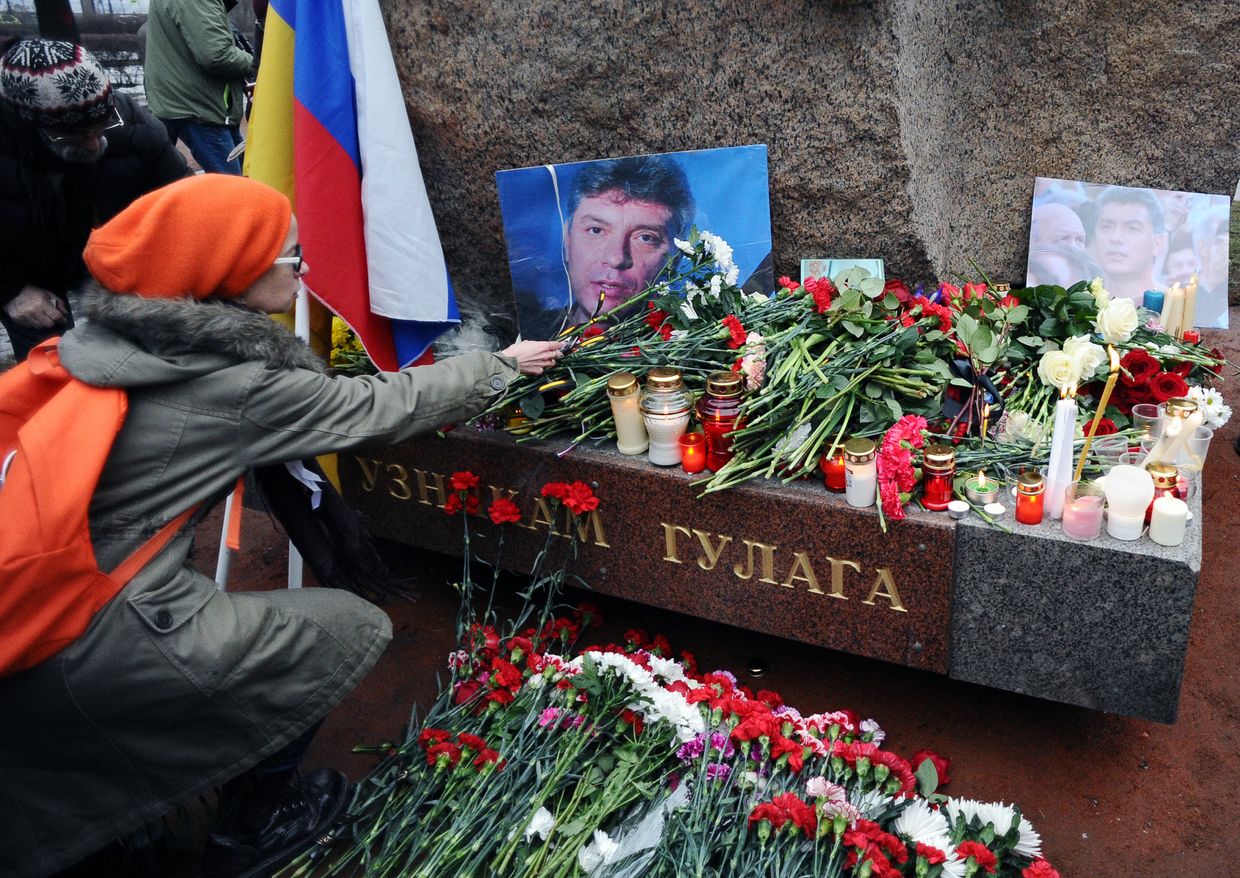
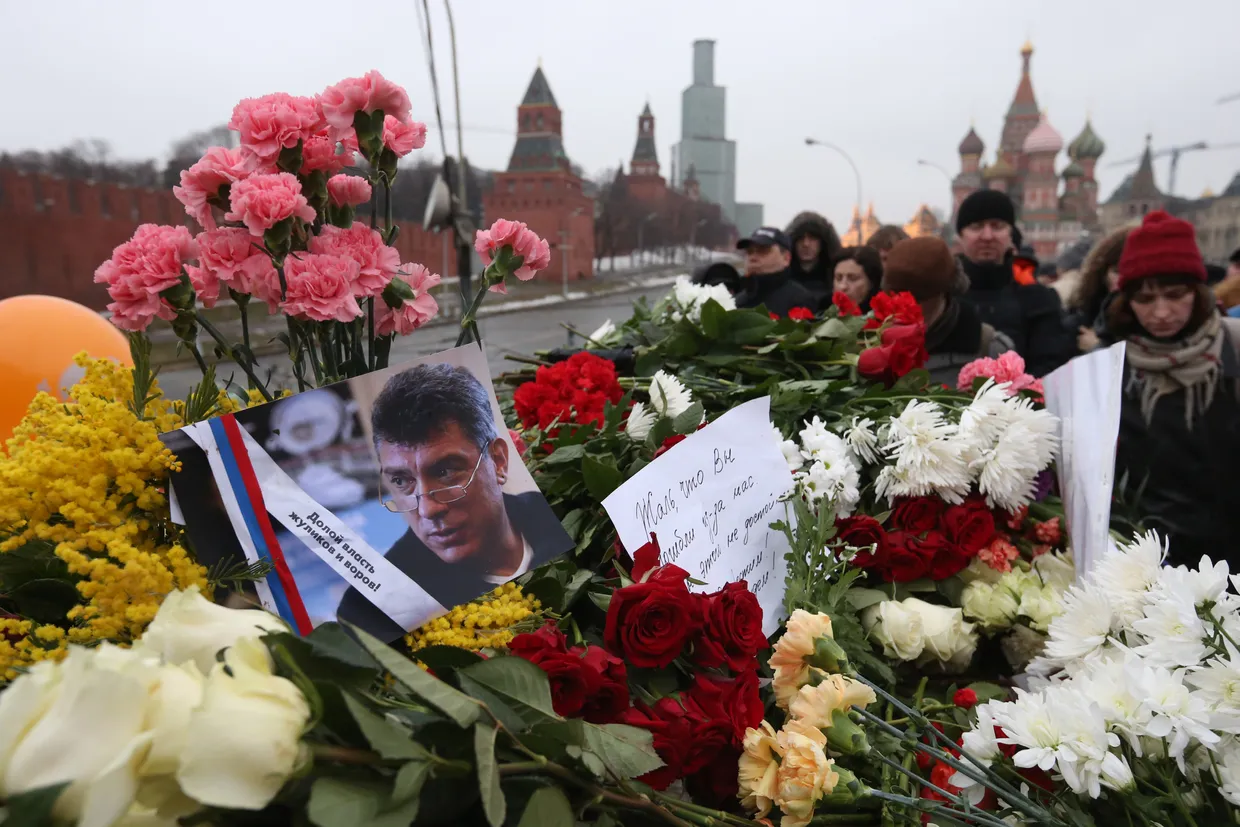
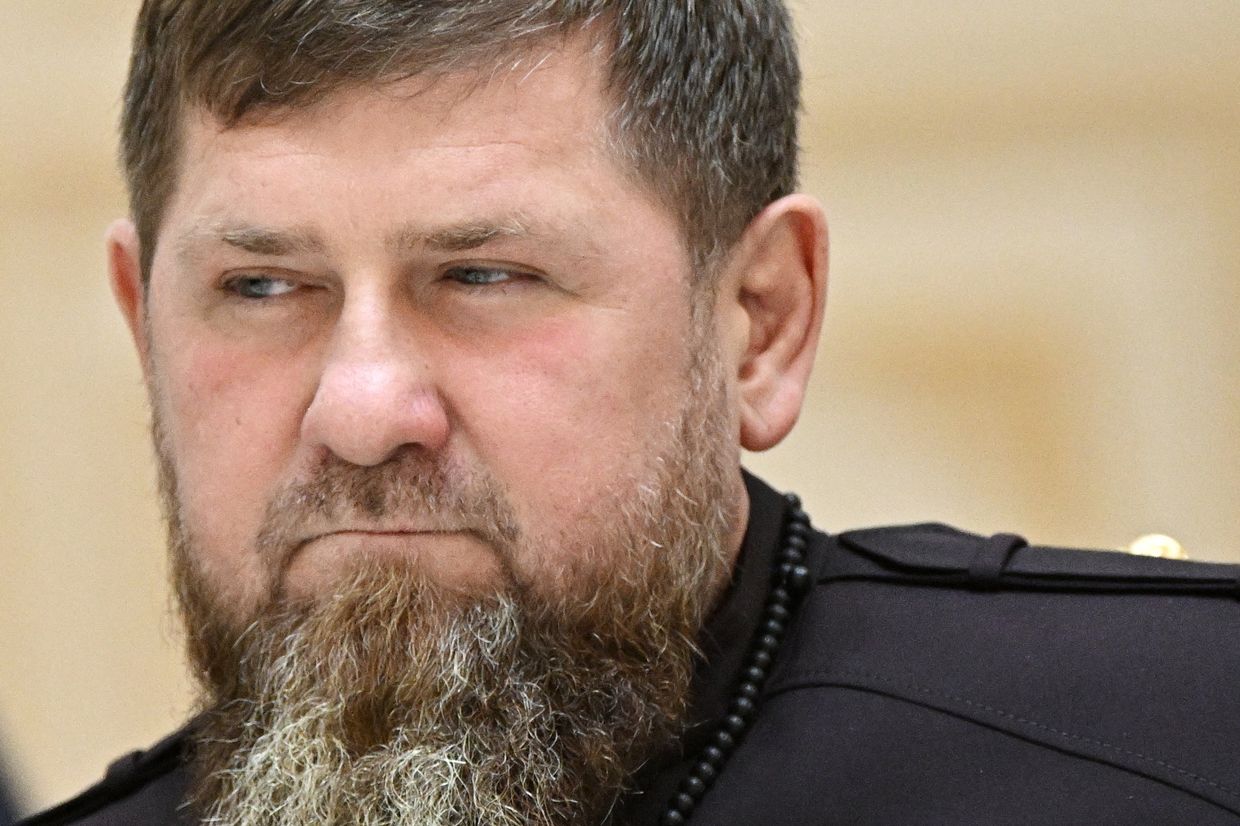
Another major opposition leader, Boris Nemtsov, was shot dead in front of the Kremlin in 2015. Subordinates of Chechen strongman Ramzan Kadyrov, a Putin loyalist, have been convicted for the murder.
"It does not say anything new about the regime," Nizhnikau said. "The invasion of Ukraine in 2022 was a critical point, after which Putin’s regime started its descent towards totalitarianism. The murder adds to the piling evidence."
Meanwhile, the impact of the revelations on Russia and Russian public opinion is expected to be minimal.
Apart from isolated incidents, no major protests followed the announcement on Navalny's poisoning.
Russian media did not cover the European states' statement, with some only mentioning Russia's refutation.
Due to state propaganda, censorship and repression, there will be no backlash against the Kremlin over Navalny's poisoning, analysts say.
"There will be no reaction, no protests in Russia and no domestic repercussions for the regime," Nizhnikau said. "The cost of voicing dissent is too huge. Moreover, the outright majority will simply not notice."
Impact on Ukraine and peace talks
Some commentators linked the European countries' statement to their stance on negotiations about ending Russia's war against Ukraine. Yulia Latynina, a Russian columnist who previously supported Ukraine but now effectively toes the Kremlin line, accused them of trying to disrupt the peace talks.
But analysts say the impact on the peace talks is expected to be negligible.
"I don’t see this revelation as being linked to or having much of an impact on the current talks between Ukraine, Russia and the United States," Loss said. "The Trump administration has so far shown no great interest in holding Russia accountable for the atrocities it continues to commit against Ukraine or Russian opposition figures."