US peace efforts make full circle, as Putin tells Trump Ukraine out to kill him
 on Google
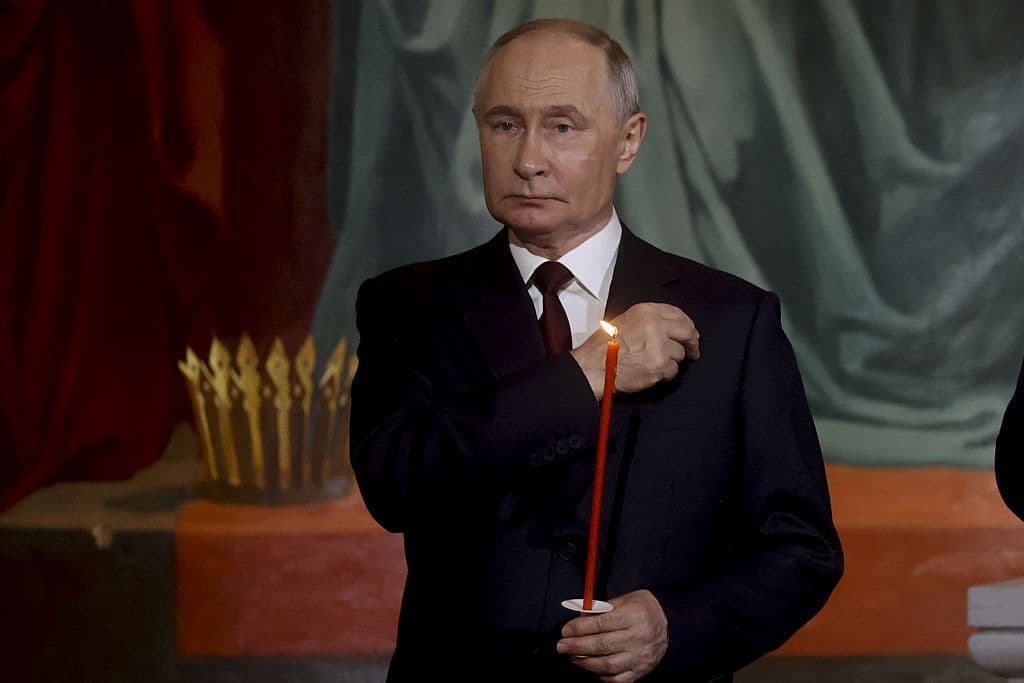
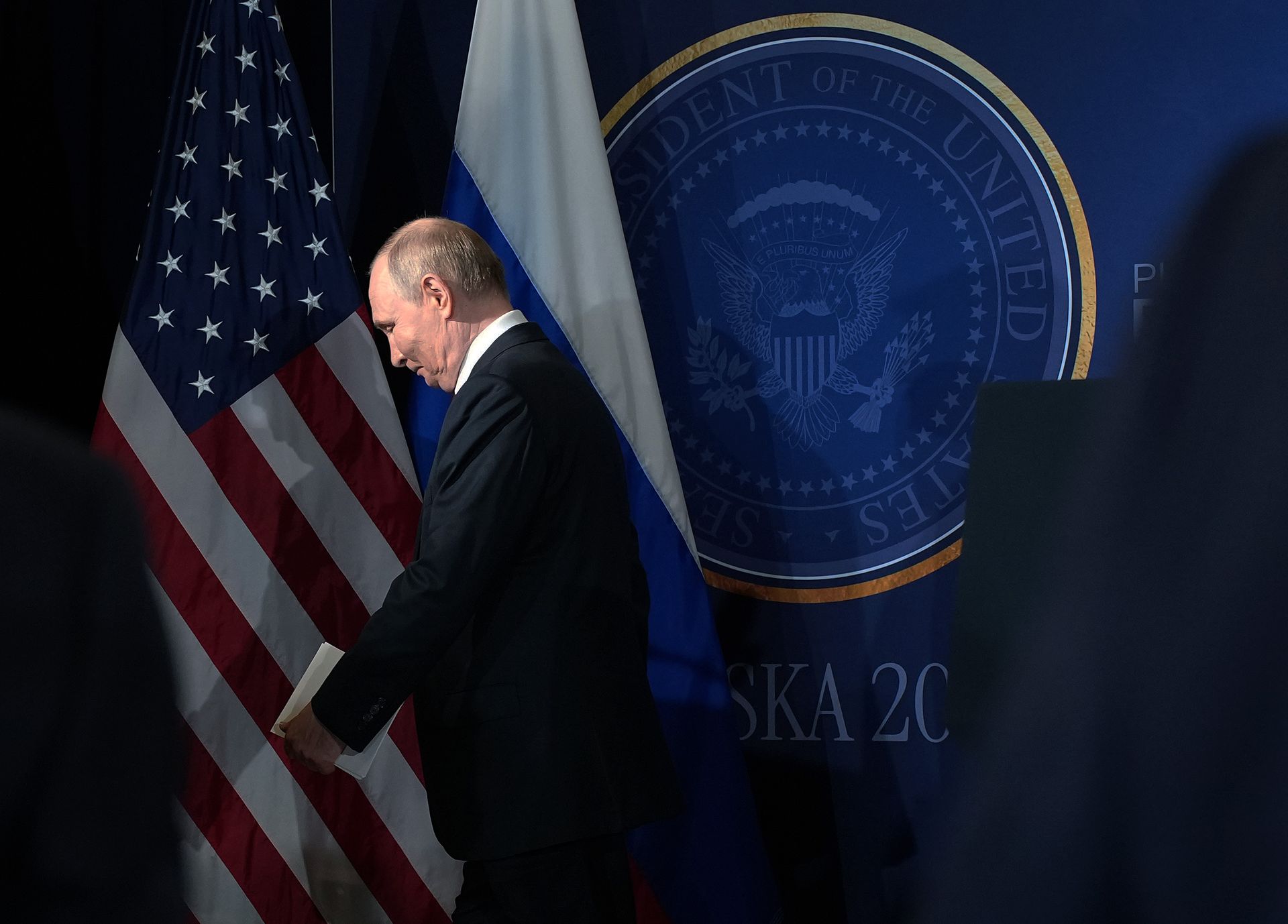
Donald Trump’s peace negotiations have seemingly made a full circle.
After U.S. pressuring Ukraine to accept an unfavorable peace settlement, Kyiv spent over a month renegotiating the offer and getting close to receiving Trump's blessing on a revised proposal.
Then Vladimir Putin called. Twice.
A few hours before the second call, on Dec. 29, Russian Foreign Minister Sergey Lavrov said that Ukrainian drones had allegedly attempted to strike Putin's state residence with 91 drones in Russia's Novgorod Oblast overnight.
No evidence had been provided of the following claim. That didn’t matter.
The following day, Kremlin spokesperson Dmitry Peskov had doubled down on the claim that Ukraine was to assassinate the Russian president, once again directing the comments to Trump.
"It's not just directed against President Putin personally. It's also directed against Trump, aimed at thwarting President Trump's efforts to promote a peaceful resolution to the Ukrainian conflict," Peskov said on Dec. 30.
"'May he perish,' each of us may think to ourselves," President Volodymyr Zelensky said in his Christmas Eve address, referring to Russian President Vladimir Putin. Peskov tied the two events together. “I'd like to recall Zelensky's Christmas address and the words he addressed to Putin,” he said.
Trump’s response was predictable.

"I don't like it. It's not good. I heard about it this morning. You know who told me about it? President Putin told me about it ... I was very angry about it," Trump said on Dec. 29 after holding a call with the Russian president.
When questioned on the source, Trump hesitated.
“You're saying maybe the attack didn't take place? That's possible too, I guess. But President Putin told me this morning it did."
Zelensky on Dec. 29 dismissed Russia's claims as "another lie," warning that Moscow is using the allegation to justify potential strikes, most likely targeting Kyiv.
"With this statement about an alleged attack on some residence, they are preparing the ground to strike, most likely the capital and government buildings," Zelensky said.
Yet, the Ukrainian president’s comments fell flat.
“Deeply concerned by reports of the targeting of the residence of the president of the Russian Federation. Ongoing diplomatic efforts offer the most viable path toward ending hostilities and achieving peace. We urge all concerned to remain focused on these efforts and to avoid any actions that could undermine them,” Indian Prime Minister Narendra Modi wrote on X in English and Russian on Dec. 30.

The leaders of Russian-friendly Uzbekistan and Kazakhstan held phone calls with Putin, condemning the attack that has yet to be confirmed.
“Pakistan condemns the reported targeting of the residence of His Excellency Vladimir Putin, president of the Russian Federation. Such a heinous act constitutes a grave threat to peace, security, and stability, particularly at a time when efforts aimed at peace are underway,” wrote Prime Minister Shehbaz Sharif.
“Pakistan expresses its solidarity with the president of the Russian Federation, and with the government and people of Russia,” wrote Sharif, as Russia was bombing Ukrainian civilians, cutting millions of people in Kyiv and other major cities from power and heating.
The ease with which Russia was able to gather support for its president and war effort has puzzled Ukraine.
“Almost a day passed, and Russia still hasn’t provided any plausible evidence to its accusations of Ukraine’s alleged ‘attack on Putin’s residence.’ And they won’t. Because there’s none,” Foreign Minister Andrii Sybiha wrote on X on Dec. 30.
“We were disappointed and concerned to see the statements by Emirati, Indian, and Pakistani sides expressing their concerns regarding the attack that never happened,” he added.
“Such reactions to Russia’s baseless manipulative claims only play into Russian propaganda and encourage Moscow for more atrocities and lies.”
Dmitry Oreshkin, a Russian-born political analyst, says the timing of Putin’s statement “is clearly no coincidence.”
“There was a conversation (between Zelensky and) Trump that was positive for Ukraine. The Kremlin had to respond somehow, and this strongly resembles a defensive reaction on its part. The goal is clear: to show Trump that Zelensky is not a viable negotiating partner, that Ukraine wants to continue the war, and so on.”