Ukraine Reforms Tracker Weekly — Issue 43
 on Google
Editor’s note: This is issue 43 of Ukrainian lawmaker Yaroslav Zhelezniak’s weekly "Ukraine Reforms Tracker" covering events from Jan. 1–Jan. 12, 2026. The digest highlights steps taken in the Ukrainian parliament related to business, economics, and international financial programs.
IMF benchmarks and soft commitments
Ukraine moves forward in competition for customs head
On Jan. 17, Ukraine will hold the first stage of an open competition to select the next head of the State Customs Service.
Thirty-eight candidates will take an anonymous computer-based test covering verbal, logical and mathematical skills. The Cabinet of Ministers will publish the results within three days. The top 25 candidates — or more in case of tied scores — will advance to the next round.
The selection process is part of Ukraine’s commitments to reform the State Customs Service.
Ruling parliament faction pulls IMF-linked bills amid vote shortage
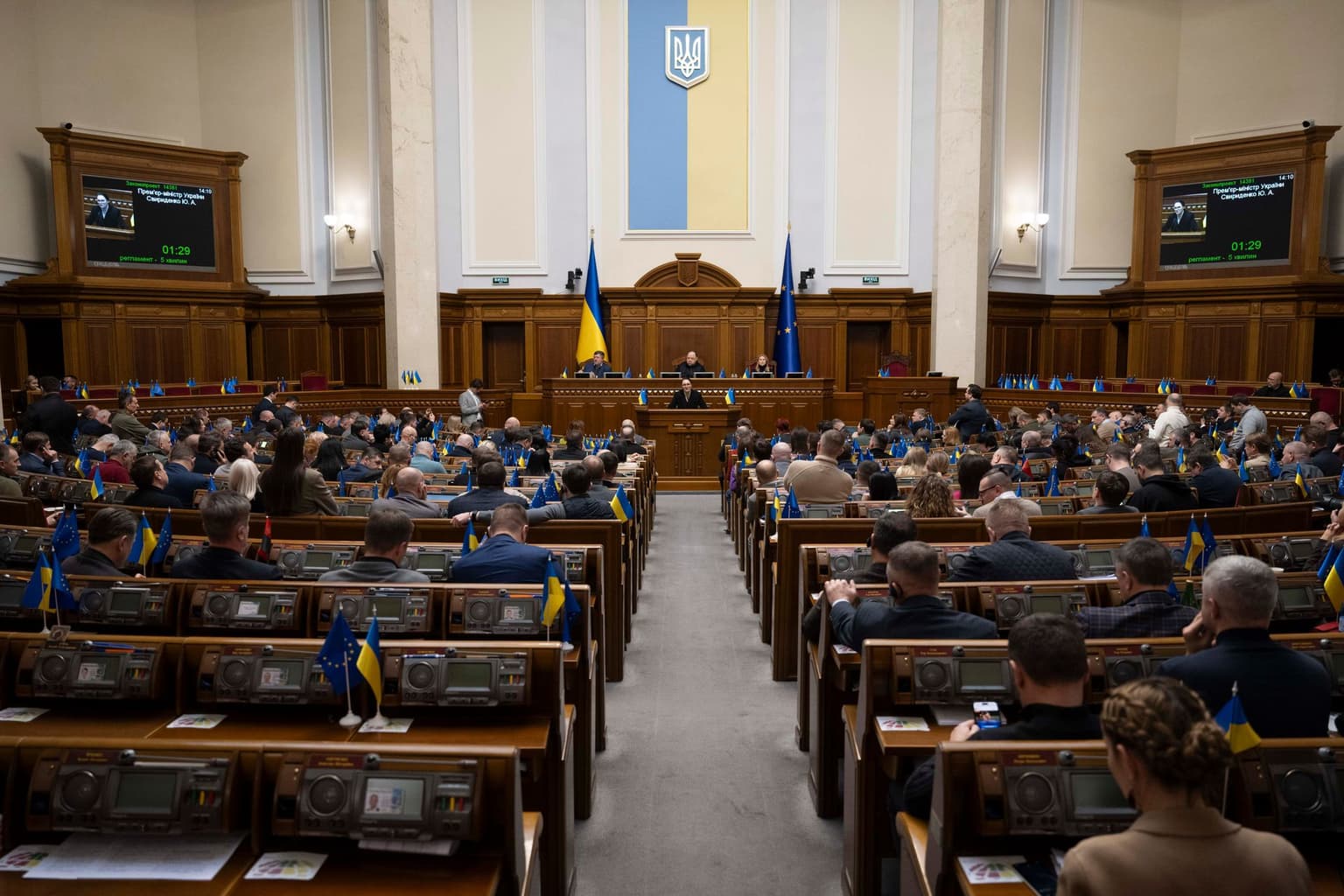
President Volodymyr Zelensky’s Servant of the People faction pulled all legislative items from Tuesday’s plenary agenda, citing a lack of votes, keeping only personnel-related matters (firing and appointments of ministers and heads of State Security Service and the State Property Fund).
Among the postponed bills is draft law #14025, which would introduce new tax rules for digital platforms — a "prior action" required under Ukraine’s International Monetary Fund program as well as several other draft laws required by the EU’s Ukraine Facility. Failure to pass the bills could delay critical external financing.
Ukraine appoints western nuclear experts to Energoatom Supervisory Board
Ukraine has appointed four Western energy and nuclear safety specialists to the supervisory board of state nuclear operator Energoatom.
The independent board members are:
- Rumina Velshi, former head of Canada’s nuclear regulator, the International Atomic Energy Agency's Safety Standards Committee, and the International Nuclear Regulators Association.
- Laura Garbenciute-Bakiene, a finance and audit specialist with more than 25 years’ experience in energy and infrastructure, including senior roles at PwC.
- Patrick Fragman, former president and CEO of Westinghouse Electric Co.
- Brice Bohuon, an energy regulation lawyer who previously held senior roles at EDF International and EDF Energy, worked at the French Council of State and the Energy Regulation Commission.
Three state representatives will be appointed in the first half of January, Prime Minister Yuliia Svyrydenko said.
Zelensky pushes for overhaul of Ukraine’s State Investigations Bureau
President Zelensky has instructed his administration to urgently submit legislation to overhaul Ukraine’s State Bureau of Investigations (SBI).
The presidential bill is expected to be finalized and submitted to parliament in January.
Lawmakers already have an alternative reform proposal on the table. A draft law #13602 submitted in August by MPs Yaroslav Zhelezniak and Anastasiia Radina would introduce an independent selection commission with a decisive role for international experts, transparent hiring rules and a full re-certification of current staff.
Obligations to the EU
Ukraine’s Cabinet revised Labor Code
Ukraine’s government on Jan. 7 approved a new Labor Code draft law, replacing a framework that dates back to the Soviet era. The 277-page draft seeks to modernize employment rules, regulate remote work, update dismissal procedures and align labor law with European standards. The draft law should be submitted to the parliament soon.
Other key issues
Ukraine’s Parliament failed to appoint ministers under Zelensky decrees
Ukraine’s parliament on Jan. 13 approved a major reshuffle of the country’s top economic and security leadership initiated by Volodymyr Zelenskyy, dismissing Denys Shmyhal as minister of defense and Mykhailo Fedorov as minister of digital transformation.
However, MPs were unable to secure enough support to appoint Denys Shmyhal as minister of energy and first deputy prime minister, Mykhailo Fedorov as minister of defense and Dmytro Natalukha, the head of the economic committee, as chair of the State Property Fund, forcing parliamentary leaders to pull all remaining personnel votes from the agenda. A second attempt to pass the appointments is now scheduled for Tuesday, Jan. 14.
At the same time, parliament dismissed Vasyl Maliuk as head of the Security Service of Ukraine (SBU) following a proposal by President Volodymyr Zelensky. No permanent successor has been named. SBU will be run on an interim basis by Yevhen Khmara, previously head of the "Alpha" special operations unit.
The reshuffle remains incomplete. Candidates for minister of justice and minister of digital transformation should be submitted later.


Zelensky extends martial law and mobilization until May
President Zelensky has submitted decrees to parliament extending martial law and nationwide mobilization for another 90 days. The new extension would run until May 4, 2026. The relevant draft laws (#14367, #14366) were approved by the defense committee. The bills are expected to be passed by parliament on Jan. 14.
Zelensky launches shake-up of security, economic and negotiation leadership
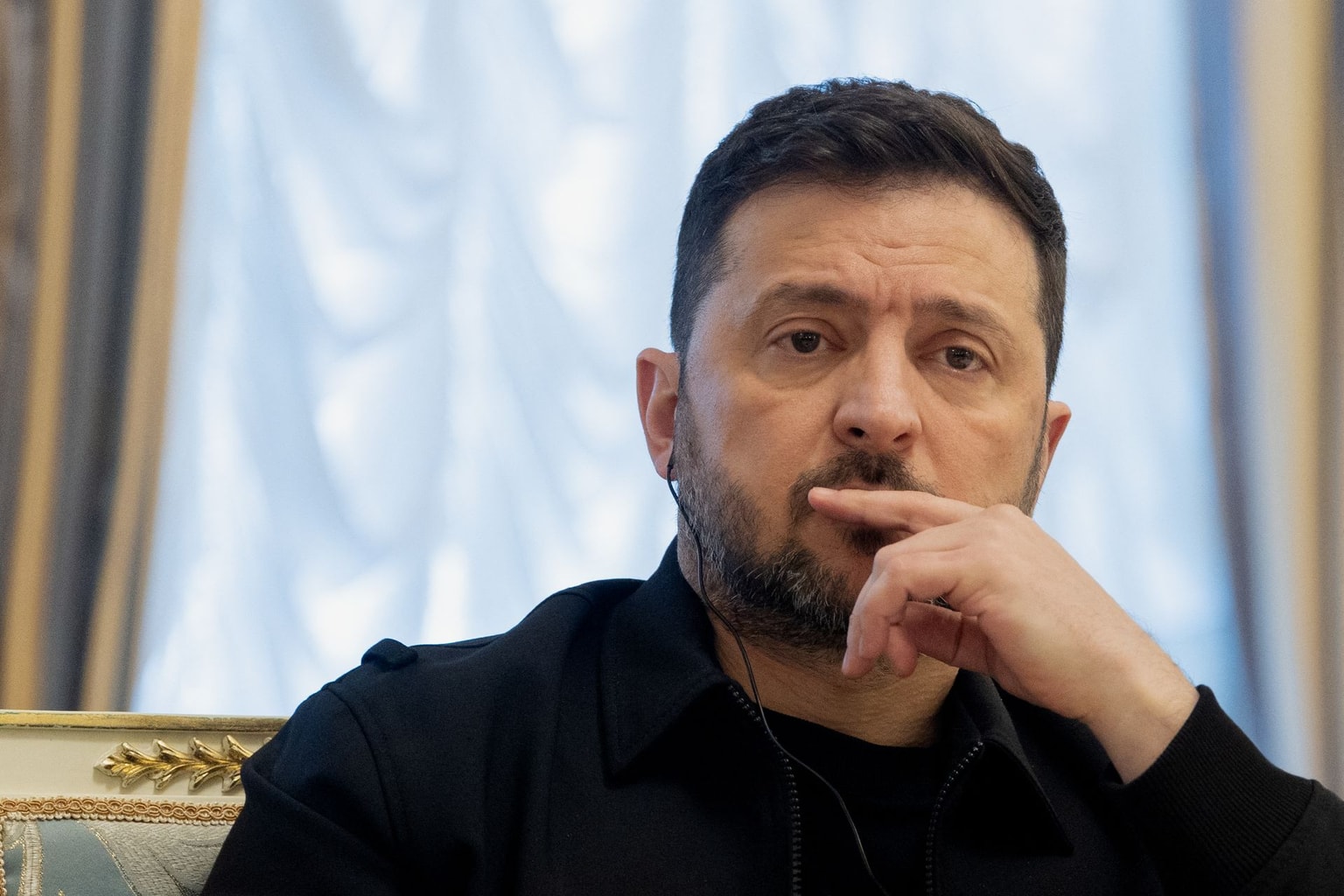
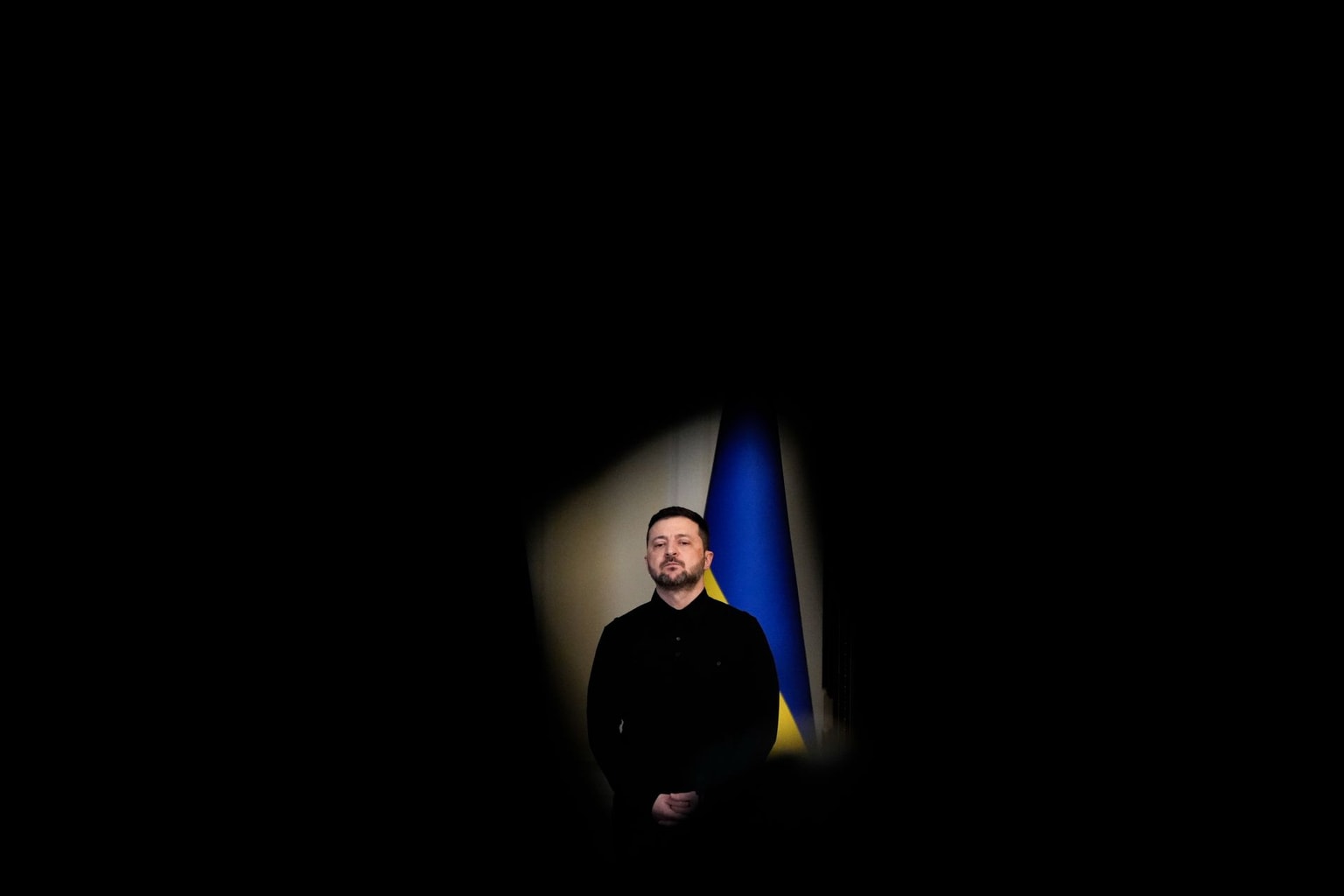
Ukrainian President Volodymyr Zelensky has begun 2026 with one of the most far-reaching personnel overhauls since the start of Russia’s full-scale invasion.
Zelensky appointed military intelligence chief Kyrylo Budanov to head the Presidential Office, replacing Andriy Yermak.
At the same time, Zelensky removed Serhiy Deyneko as head of the State Border Guard Service and dismissed the head of the National Securities and Stock Market Commission (NSSMC). On a related issue, the new law authored by MP Yaroslav Zhelezniak took effect on Jan. 1, introducing competitive selection procedures for the Stock Market commissioners, significantly reducing political control over the regulator.
Ukraine launches work on wartime election law
Ukraine on Dec. 26 began formal work on legislation to regulate how elections would be held under martial law, holding the first online meeting of a special parliamentary working group tasked with drafting the bill. The working group on electoral reform has split into seven subgroups that are expected to prepare a comprehensive package of legislative changes by Jan. 30.
Ukrainian businesses cite labor shortages, security risks and barriers crated by state authorities as top-3 constraints — ToP's survey
Ukrainian businesses identify the main obstacles to operations as a shortage of workers and security risks related to shelling, drone, and missile attacks, as well as barriers from government agencies.
At the same time, most support the new rules for taxing income earned through digital platforms ("OLX tax") as a step toward a level playing field. There is also a cautious increase in support for the government’s reform agenda — these are the key findings of the ToP business survey condacted at the beginning of December 2025.
The NGO "Technology of Progress," together with the research agency "Gradus," conducted a survey among owners, executives, and top managers of large enterprises in Ukraine.
Read the full report via the link.