This is the momentum for Europe to act: seize Russian assets
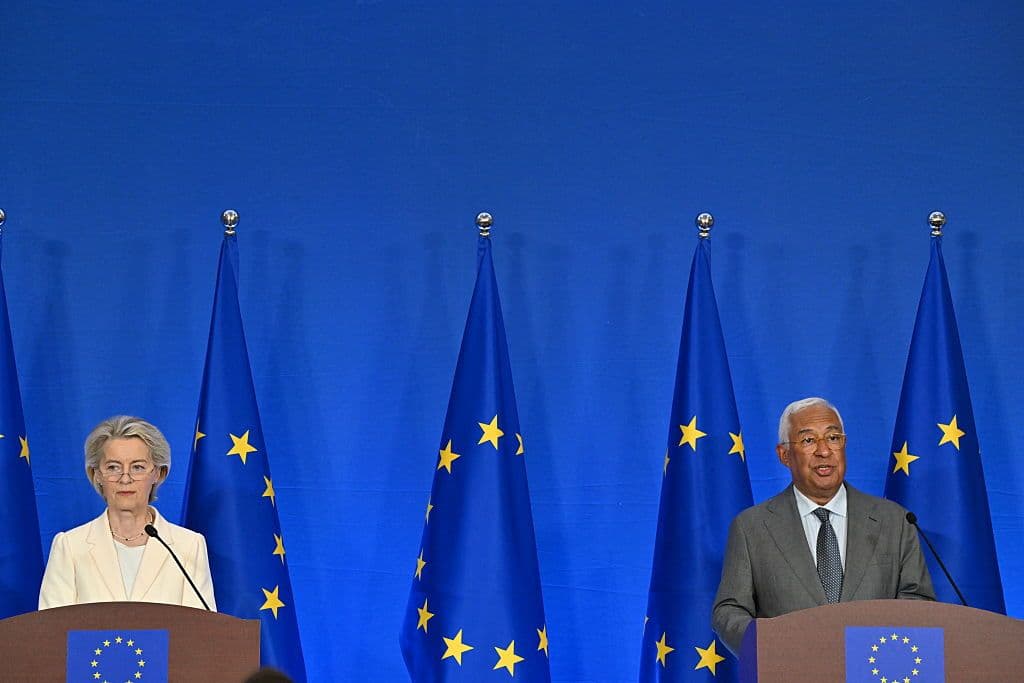
European Commission President Ursula von der Leyen (L) and European Council President Antonio Costa attend a joint press conference after the 25th EU-China summit in Beijing on July 24, 2025. (Adek Berry/AFP via Getty Images)
 on Google
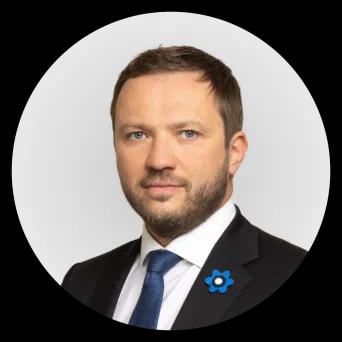
Margus Tsahkna
About the author: Margus Tsahkna is Estonia’s foreign minister.
If Europe truly wants to be a real player in the geopolitical arena and to shape its own security and future, it must match strong words with decisive action. Europe has one powerful lever in its hands right now: Russia’s frozen assets. It’s time to use them.
Around 210 billion euros ($246 billion) in Russian central bank assets are sitting frozen in Europe for one reason: Russia chose a full-scale war of aggression. And international law leaves no ambiguity. The state that breaks the law must pay for the damage it causes. These assets should now serve that purpose and make the aggressor pay.
This idea is not new. Estonia suggested using the assets less than a month after Russia’s full-scale invasion in 2022. The ice has been moving for some time, and now the moment of decision has arrived. The European Council meeting next week must take that decision and mark the turning point.
Bringing these assets into use would send the clearest message Europe has delivered since the start of the war: aggression has consequences, the aggressor pays, and Europe is prepared to lead.
It would show that Europe is determined to shape the peace process, not just stand by as others define it.
Russia hopes the West will fold. It won’t
It is worth reviewing where we stand. There has been much talk of peace and countless diplomatic efforts. Yet the unfortunate truth is that the state that launched this aggression has shown no willingness to stop.
There is currently no reason to believe Russia has abandoned the objectives that led to its full-scale invasion of Ukraine.
On the contrary, the Kremlin still believes it can destroy Ukraine, reshape Europe’s security order, and revive imperial dominance over Central and Eastern Europe.
And if Russia is not stopped in Ukraine, it will push further. We already see the signs.
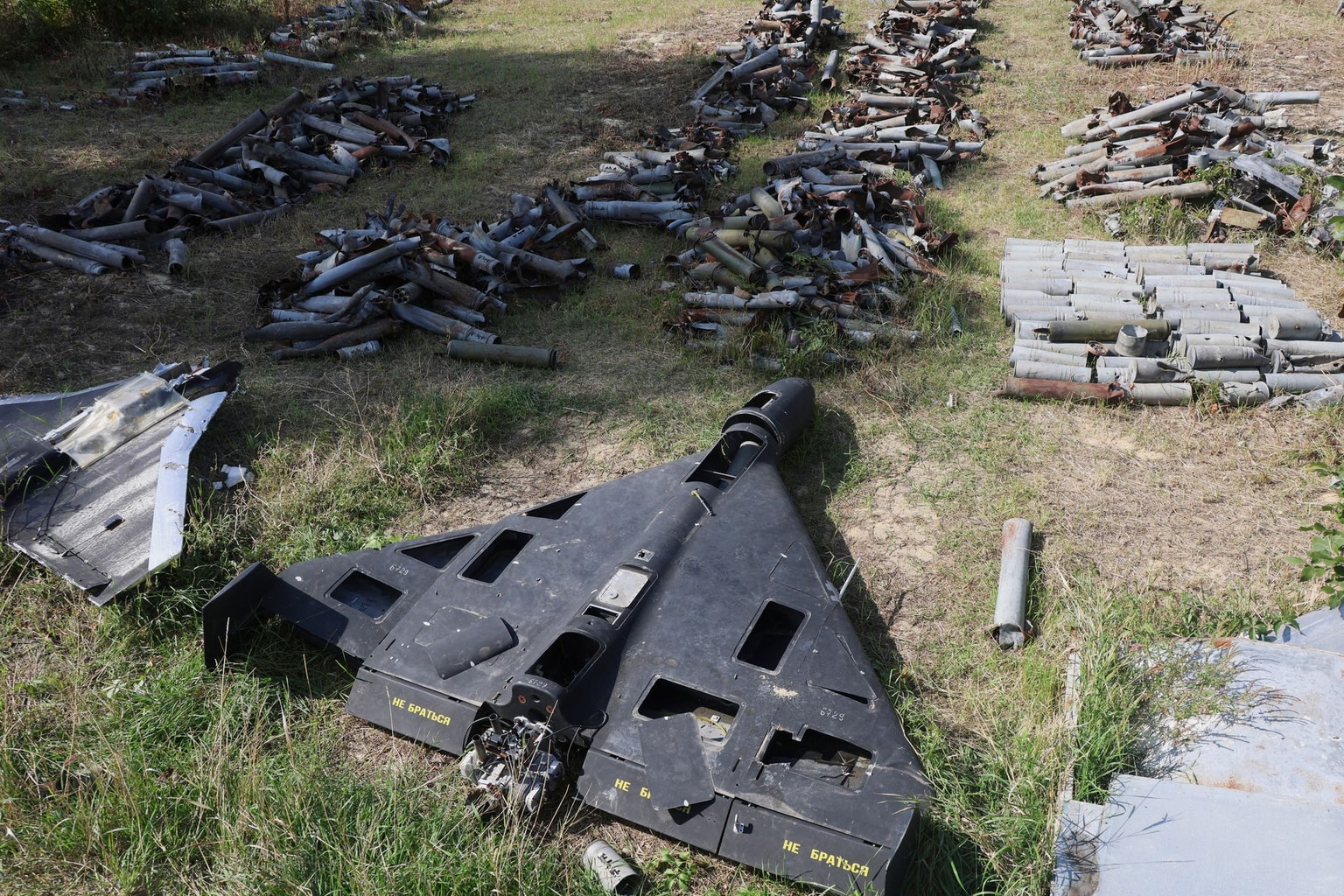
Russia has intensified provocations against NATO allies: airspace violations by drones and fighter jets, disinformation campaigns, and hybrid pressure on NATO and EU borders. All of this aims to intimidate societies, divide allies, and erode support for Ukraine. At the same time, Russia is rebuilding its military, expanding production of tanks and missiles, and preparing for a prolonged confrontation.
The threat extends across all of Europe.
Yet we must not overestimate Russia. It has failed to achieve its initial military ambitions and has suffered extraordinary losses.

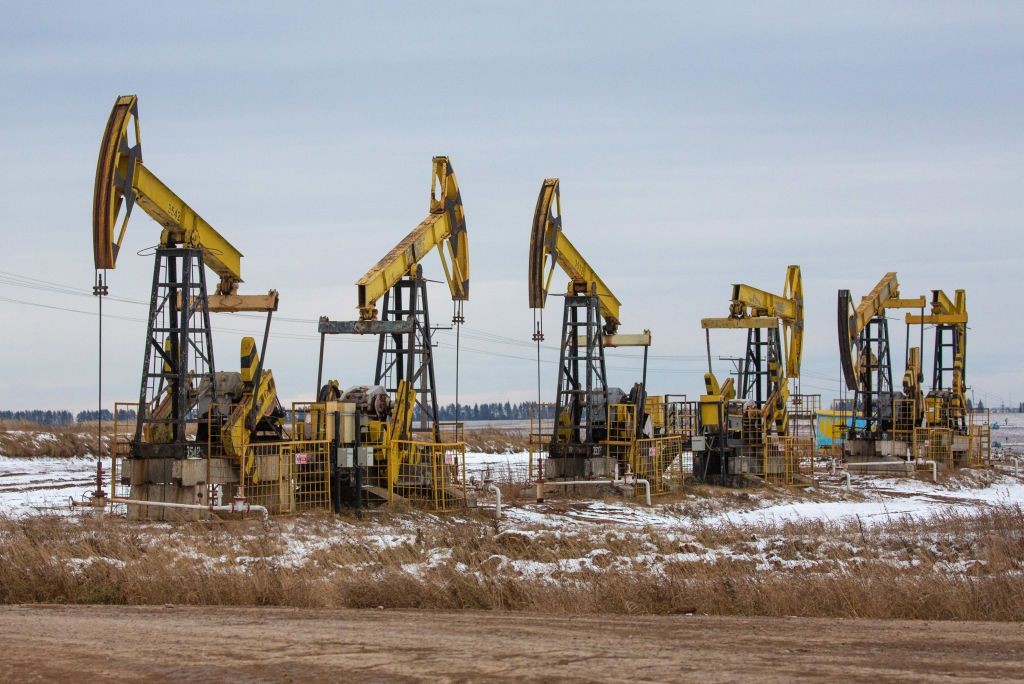
Although Russia tries to portray itself as moving toward victory, the reality tells a different story. There are no major breakthroughs on the battlefield, its economy is faltering, oil and gas revenues have dropped by 22% in the past year, the budget is in deficit, and it faces a growing labor shortage.
Russia’s only real hope is that the West gives up. That is the one outcome we must never allow.
Europe has already achieved a great deal. In less than four years, the EU has adopted 19 sanctions packages, slashed decades-old energy dependence, and provided crucial political, military, and financial support.
Could we have moved faster? Yes. But democracies sometimes take longer to act. What matters is direction. Europe has kept its course. Now we must pick up speed.
This is why using Russia’s frozen assets is essential. It is the single most effective tool Europe has to increase pressure on the Kremlin. Combined with advancing EU enlargement, it would show that Europe can make bold decisions, defend international law, strengthen its geopolitical influence, and shape outcomes rather than merely react to them.
Europe must act to secure its future
Europe’s future security depends on the outcome of Russia’s war. Its result will determine whether borders in Europe can be changed by force, whether aggression pays, and whether international relations are governed by rules or by violence.
That is why we insist on a just and lasting peace, one that respects Ukraine’s sovereignty instead of accommodating Russia’s neo-imperial ambitions.
Past mistakes must not be repeated. We have seen that appeasement and attempts at “reset” with an aggressor do not bring lasting peace. We must remember that even when this war ends, Russia will remain a long-term threat until it demonstrates genuine respect for international law and rebuilds the trust it has destroyed.
Russia is already restructuring its military and building new facilities near NATO borders. Nothing in its posture suggests change.
Europe, with more than 400 million people and immense economic strength, must begin acting like the 21st-century superpower it already is.
That means taking primary responsibility for our own security and strengthening defence capabilities. But above all, Europe must use its strongest leverage now: Russia’s frozen assets. Doing so is the clearest way to assert leadership and show that Europe is not merely commenting on history but shaping it.
Editor’s note: The opinions expressed in the op-ed section are those of the authors and do not purport to reflect the views of the Kyiv Independent.