The mirage of a European 'reassurance force' in Ukraine
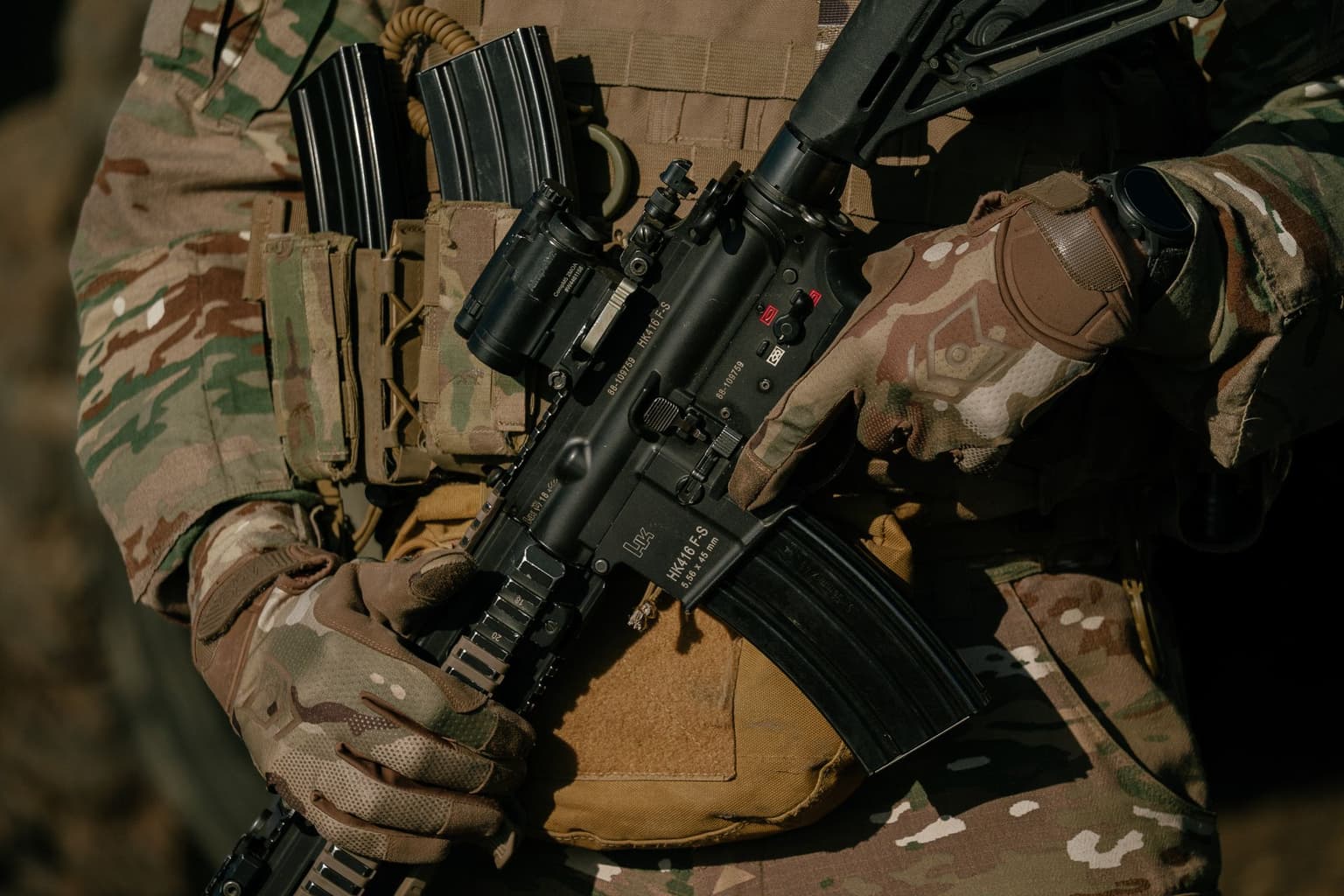
A French soldier with a Heckler & Koch HK416 assault rifle during the Dacian Fall 25 military training exercise by the North Atlantic Treaty Organization (NATO) in Cincu, Romania, on Nov. 13, 2025. (Andrei Pungovschi/Bloomberg via Getty Images)
 on Google
Andreas Umland
Analyst at the Stockholm Centre for Eastern European Studies
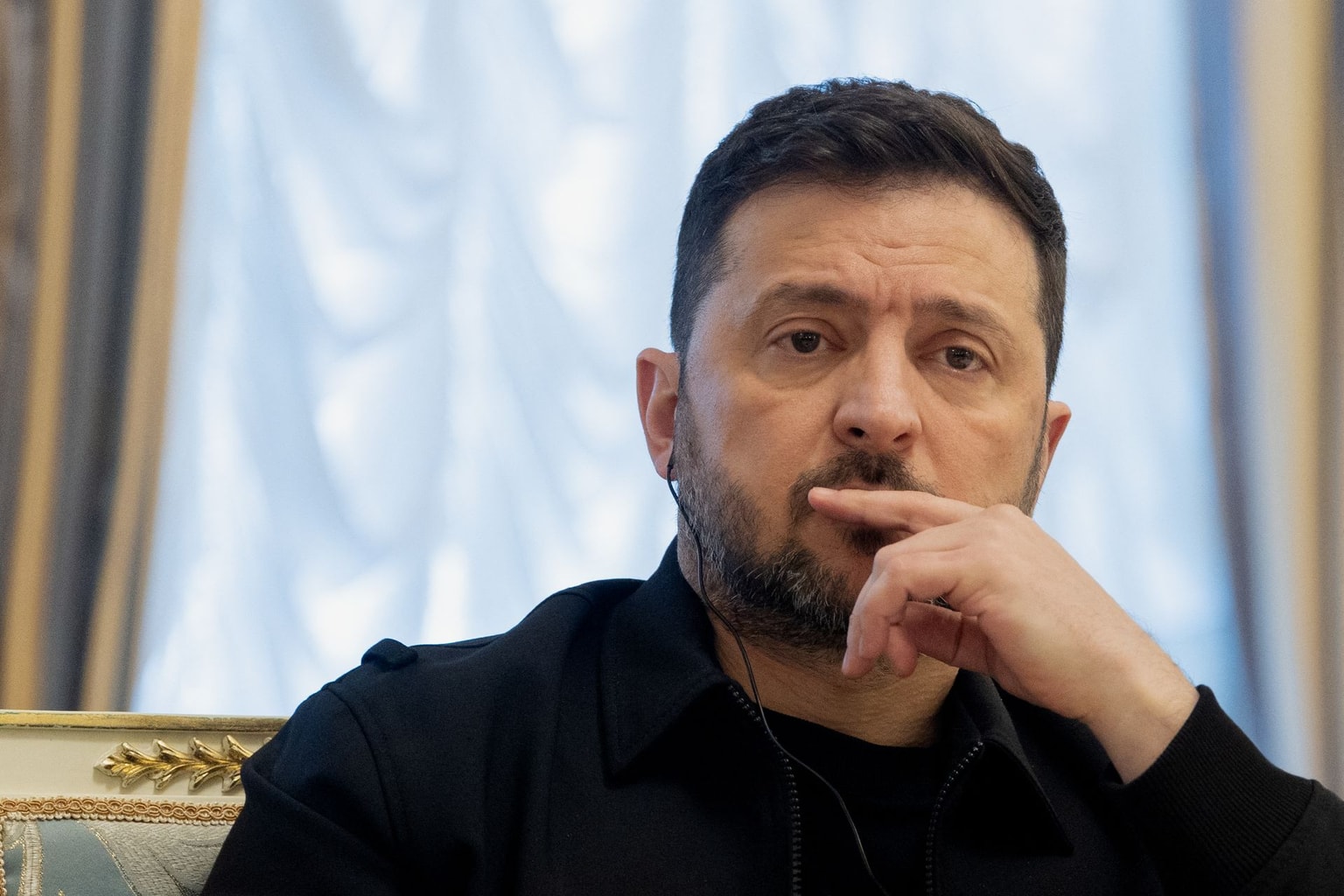
As President Volodymyr Zelensky landed in Paris for the Coalition of the Willing talks, a key topic on the agenda is the "European-led multinational force Ukraine."
A draft statement by the Coalition — yet to be approved by the leaders on Jan. 6 — includes "binding commitments" by members to support Ukraine in the event of a future Russian attack.
The document also says that the U.S. would lead a "ceasefire monitoring and verification mechanism" with international involvement and commit to "support" a European-led multinational force, deployed in Ukraine to strengthen the country's military.
The statement specified earlier ideas about security guarantees to provide stability for a future ceasefire that envisaged a "reassurance force" for Ukraine.
The plan was originally conceived in the spring of 2025 and foresaw the deployment of up to several tens of thousands of ground troops on Ukrainian territory and the dispatch of warships to the Black Sea, from some of the 33 member countries of the so-called Coalition of the Willing (CoW).
The commendable European plan for a Western "reassurance force" in Ukraine suffers from two strategic paradoxes, however.
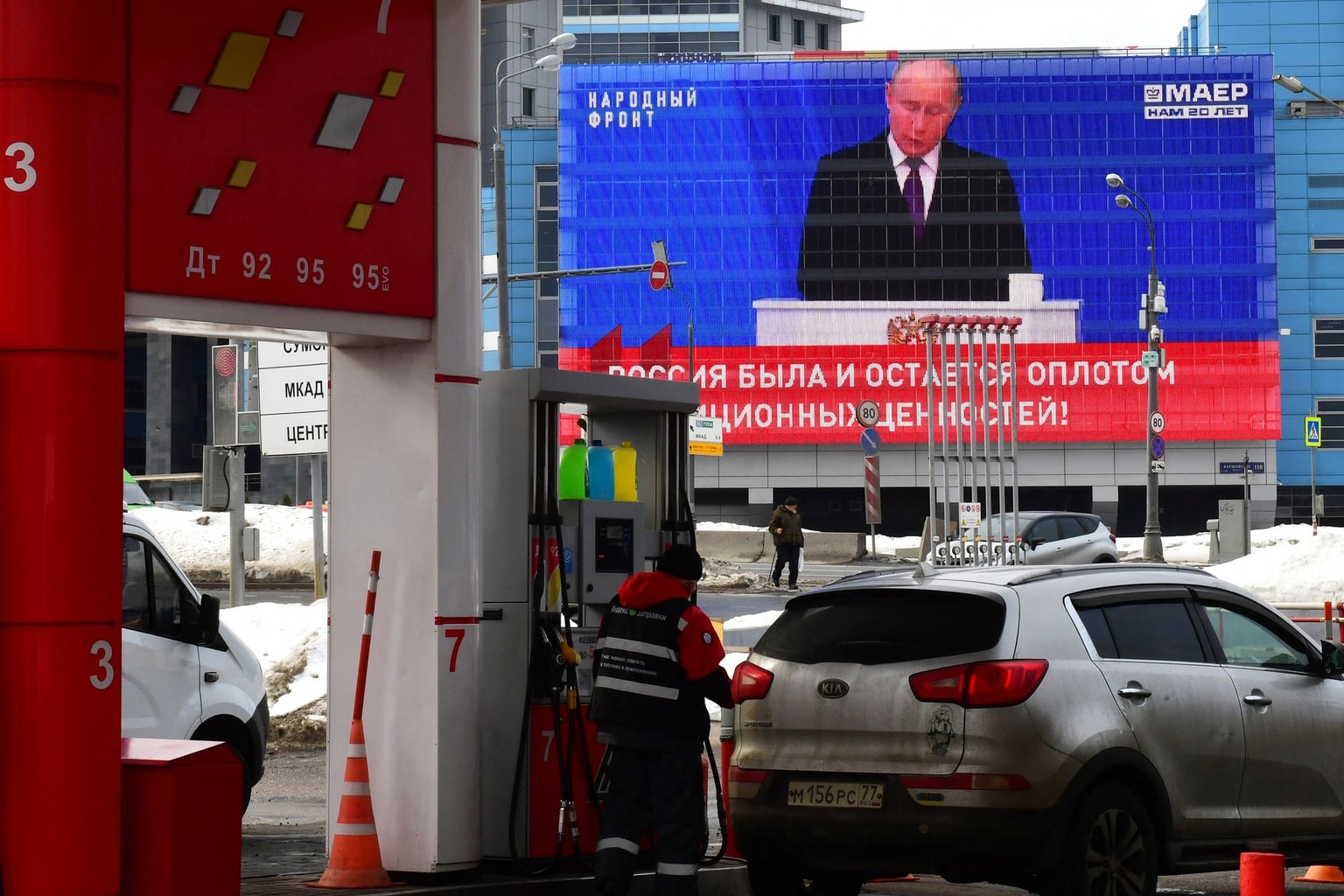
First, the current public discussions about Western troop deployment in Ukraine are counterproductive to the negotiations between Russia and Ukraine on a ceasefire. As much as the idea of a Western "reassurance force" in Ukraine is welcomed, as much it is rejected in Russia.
If Europe promises bringing in troops only after the war ends, it will likely decrease Moscow's readiness to agree to a ceasefire, thereby increasing the economic and military pressure needed to persuade the Kremlin to agree to a truce.
The second strategic paradox of the plan stems from uncertainty regarding a worst-case scenario in which the "reassurance force" would be involved in active combat with the Russian military.
The most difficult question surrounding a deployment of Western troops in Ukraine would be how they would respond if they were attacked by, for example, Russian missiles and drones, resulting in significant human and material losses.
The response to such an incident would not only be a military dilemma but also have far-reaching political implications.
If the "reassurance force" were to respond congruently to a Russian provocation and hit back in kind, the troop's sending countries, as well as NATO or/and the EU, could become embroiled in the Russo-Ukrainian war.
If, on the other hand, the "reassurance force" fails to respond adequately to a Russian attack, the mission will lose its meaning, and the troops will be demoralized. The West's security guarantees towards Ukraine and general willingness to engage in collective defense will be called into question. The mutual aid commitments of the NATO and EU member countries would be weakened.
Is there nevertheless a form of direct military support that the CoW can provide beyond material, financial, and cognitive assistance to the Ukrainian Armed Forces?
A limited engagement of their air forces over and in western and central Ukraine appears less problematic than the deployment of ground troops and warships. Such support with Western interceptors to protect western and central Ukraine — also known as "SkyShield" — would already be possible and sensible now, i.e., before a ceasefire is concluded.
The establishment of joint air defense zones over entire regions of Ukraine, or at least over important cities such as Uzhhorod, Lviv, and Kyiv, or critical infrastructure, carries in so far less risk of escalation, as a deployment of Western interceptors can be limited in two ways.
First, Western involvement in Ukraine's air defense could be agreed upon in such a way that it only takes place over Ukrainian territories far away from the current combat zones and the Russian-Ukrainian border.

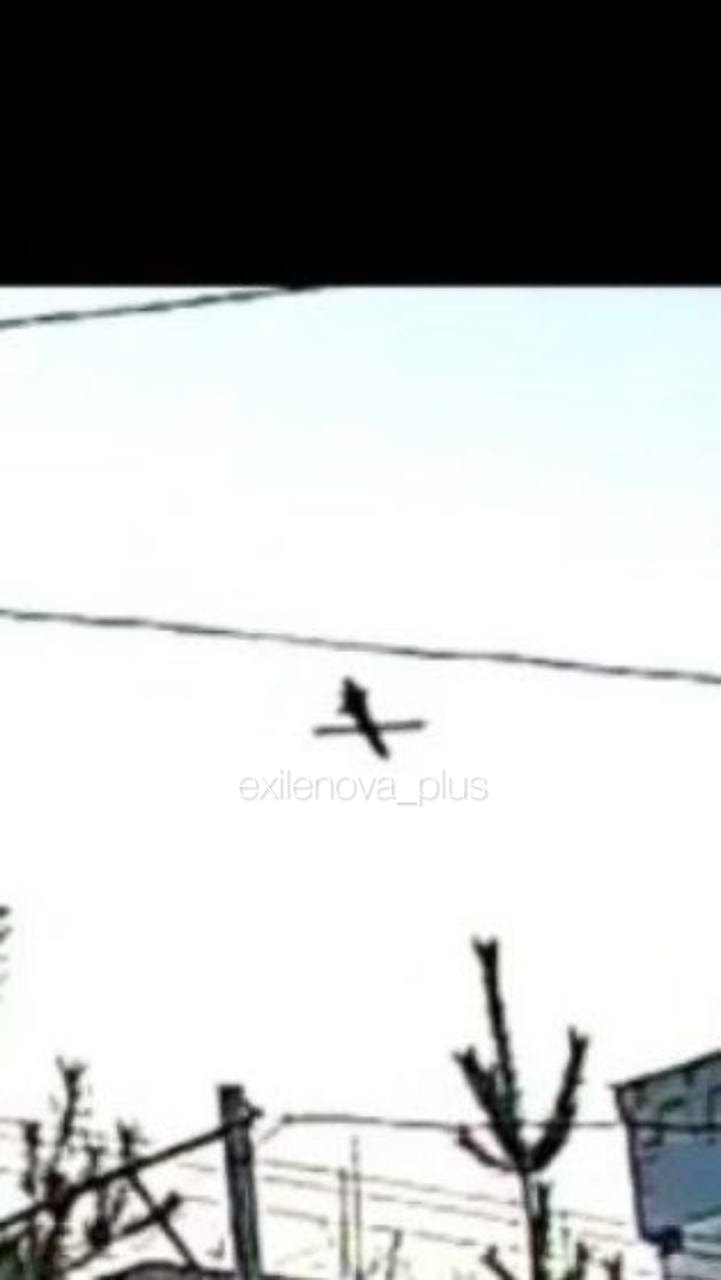
Second, this geographical restriction of jet operations to the hinterland of Ukraine in central and western Ukraine means that they will not encounter manned Russian aircraft or helicopters. Western interceptors or anti-aircraft drones and missiles would only shoot down Russian unmanned aerial vehicles and would not endanger Russian soldiers or violate Russian airspace.
Such activity by a limited contingent of European soldiers (pilots, communication officers, technicians) near the border of, over, and partly on Ukrainian territory could be justified in their homelands and vis-a-vis Moscow, as well as the larger international community, as protecting the legitimate self-interest of the sending states.
First, the embassies of the CoW countries in Kyiv are, under the 1961 Vienna Convention on Diplomatic Relations, their inviolable territories, and host diplomats as well as other governmental employees who need physical and psychological protection.
Second, the recent incursions by Russian drones into NATO territory via Ukraine have illustrated the need for a shield against such intrusions.
Third, politicians, diplomats, journalists, development workers, and other citizens of the CoW states regularly travel to Ukraine via rail- and highways that need to be protected from Russian unmanned aerial vehicles during these trips.
Fourth, through its Black Sea ports, Ukraine exports, among other things, grain and other agricultural products that are important for global food price stability, which is in the vital collective interest of humankind — including the countries of the CoW.
Last but not least, shielding Ukraine's energy grid and nuclear power plants from hits by missiles, rockets, and drones would be in the interests not only of the eastern EU member states but also of nearby Russia, Belarus, and Moldova.
In a few years, circumstances may change, and foreign ground troops in Ukraine and maritime engagement in the Black Sea may prove less problematic.
Under today's conditions, however, debates about the deployment of "reassurance force" in Ukraine distract from more important issues.
After all, the decisive guarantor of Ukraine's security is and will remain its own Armed Forces. Moscow's aggressiveness can only be contained by a Ukraine armed to the teeth and having well-trained soldiers — a condition that applies in times of both war and peace.
Editor’s note: The opinions expressed in the op-ed section are those of the authors and do not purport to reflect the views of the Kyiv Independent.