Ukraine's Security Service chief resigns under Zelensky pressure, to focus on operations against Russia
 on Google
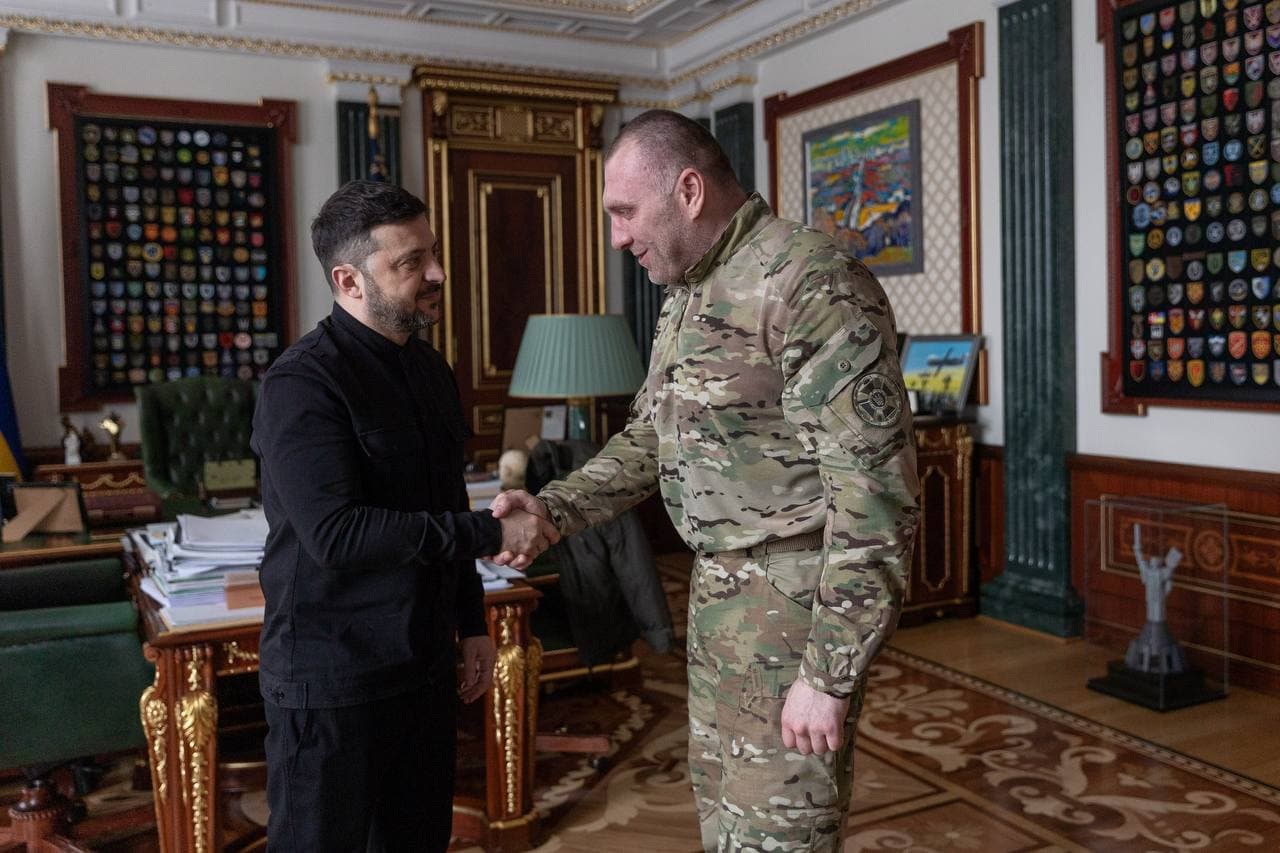
President Volodymyr Zelensky announced on Jan. 5 that Vasyl Maliuk will step down as head of Ukraine's Security Service (SBU) but remain in the agency to focus on asymmetric operations against Russia.
"(Maliuk) knows how to do this best and will continue within the SBU system," Zelensky said. "Together, we discussed candidates for the new head of the SBU."
In a statement, Maliuk said he would stay in the service to carry out what he described as world‑class asymmetric operations aimed at inflicting "maximum damage" on Moscow.
Despite leading several of Ukraine's most consequential operations against Russia, Maliuk's tenure has been marked by controversy, particularly over his involvement in actions targeting anti-corruption bodies.
His departure follows days of speculation that Zelensky was preparing to dismiss him.
The move is one of several key dismissals and appointments Zelensky has announced in 2026, in a government reshuffle driven in part by Ukraine's recent corruption scandal.
Most of the officials who were dismissed from their posts were soon reappointed to positions of similar rank.
The anti-corruption crackdown that backfired
According to Ukrainian Pravda, Maliuk's resignation followed direct pressure from Zelensky.
The president's team reportedly views Maliuk as one of the key figures associated with a coordinated move against Ukraine's anti-corruption institutions and effectively trying to contain the fallout and deflect responsibility for the attack.
The controversy traces back to July, when parliament passed legislation that effectively stripped independence from the National Anti-Corruption Bureau (NABU) and the Specialized Anti-Corruption Prosecutor's Office (SAPO).
Under Maliuk's leadership, the SBU — widely seen as loyal to the President's Office — arrested several NABU employees, accusing them of having ties to Russia.
The service framed the crackdown as a counterintelligence effort aimed at neutralizing Moscow's alleged influence within the bureau.
Anti-corruption activists and civil society groups rejected that explanation, arguing the arrests targeted detectives investigating figures close to Zelensky.
The detectives were later released.
A formidable war record
The political backlash stands in contrast to Maliuk's operational record during the war.
Maliuk was appointed SBU head by parliament on Feb. 7, 2023, after serving as acting chief since July 2022. Zelensky dismissed his predecessor, Ivan Bakanov, citing endemic treason within the agency following Russia's full-scale invasion.
During Maliuk's tenure, the SBU carried out several high-profile operations deep inside Russia and in occupied territories.
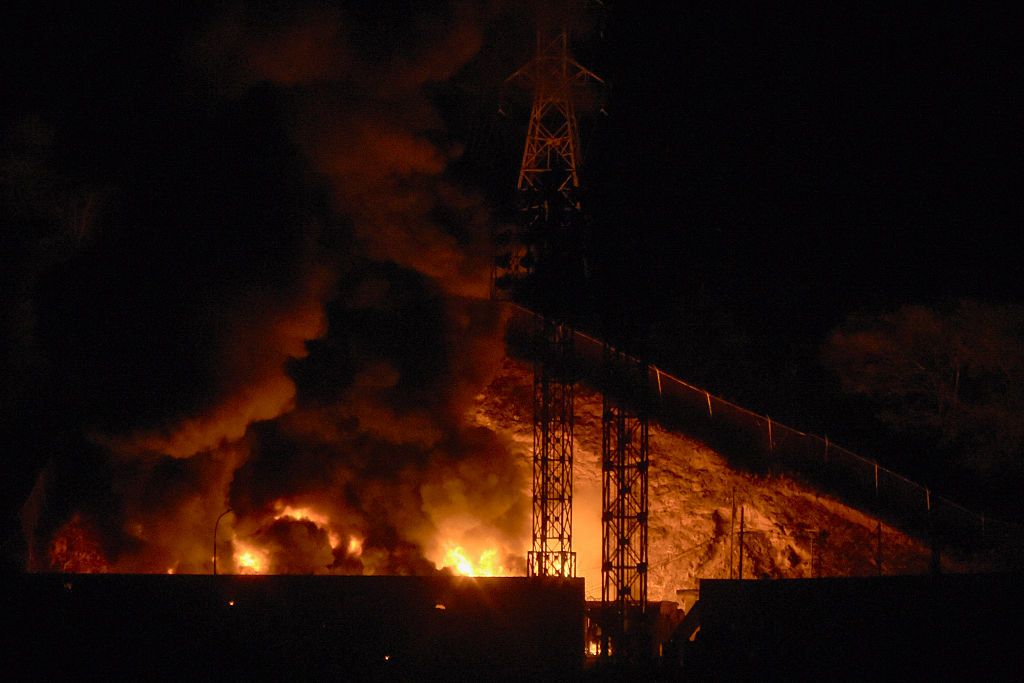
On June 1, the agency executed Operation Spiderweb, deploying drones concealed in trucks across Russia to strike air bases thousands of kilometers from Ukraine's border.

On Dec. 15, the SBU reported that its Sea Baby naval drones struck a Russian Varshavyanka-class submarine in the port of Novorossiysk, marking the first publicly acknowledged underwater drone attack of its kind.
Under Maliuk, the service was also involved in multiple attacks on the Russian illegally constructed Crimean Bridge, a critical logistical artery for Russian forces.
Ukrainian Pravda reported that Maliuk initially resisted Zelensky's decision to remove him, warning that several large-scale operations comparable to Spiderweb were in their final stages and that halting them would be reckless.
Military commanders push back
As pressure mounted over Maliuk's future, senior Ukrainian military commanders publicly warned against his dismissal, cautioning that removing him during active combat could weaken one of Ukraine's most effective security institutions.
Commander of the Unmanned Systems Forces Robert "Madyar" Brovdi and Joint Forces Commander Mykhailo Drapatyi urged restraint, pointing to SBU's performance.
"No matter which of the proposed security structures Maliuk could potentially be effective in the near future, replacing the head of the Security Service at this moment would be a risk."
Their public intervention was unusual and highlighted the seriousness with which they view the decision, given their general avoidance of political commentary.
What comes next
Maliuk's resignation now moves to the political arena. Parliament, where Zelensky's party holds a majority of seats, must vote on his dismissal.
Zelensky on Jan. 5 issued presidential decrees on the appointment of two deputies, as well as Oleksandr Poklad as the First Deputy Head of the SBU, but left much speculation about the new chief.
Ukrainian media report that Yevhenii Khmara, head of the SBU's Alpha special operations unit, is a leading candidate to replace him.
Khmara is a seasoned special forces officer who has served in Alpha since 2011 and was appointed its commander in 2023.

The unit is consistently among the most effective in Ukraine's defense forces, credited with destroying significant Russian equipment and personnel, often with drone support.
Shortly after announcing Maliuk's resignation, Zelensky signed a decree appointing Khmara as acting head of Ukraine's Security Service.
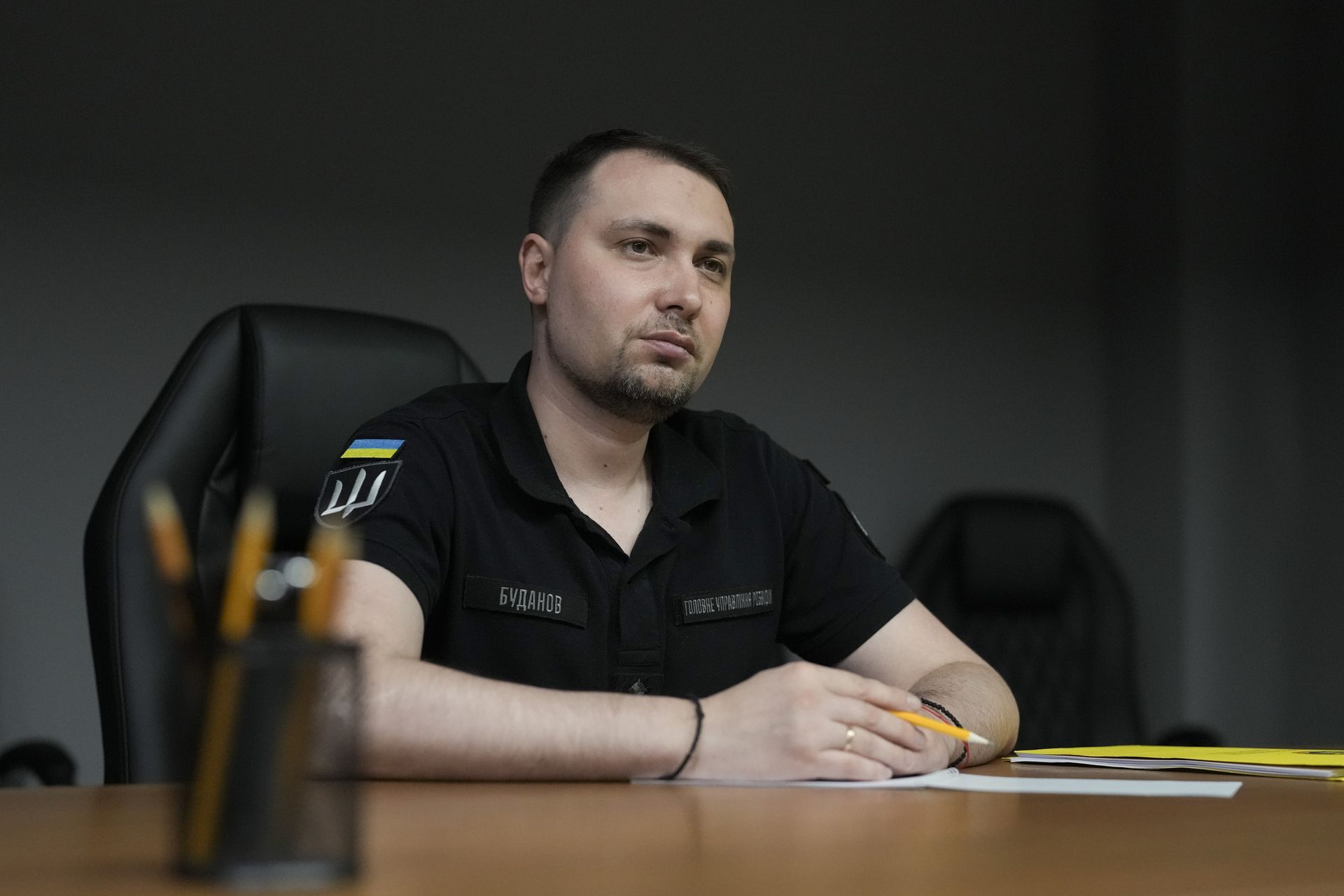
Maliuk's resignation follows closely after Zelensky appointed military intelligence chief Kyrylo Budanov to head the President's Office, making Maliuk the second senior security figure to leave his post in a short span.
read also
 Kateryna Denisova
 Francis Farrell
 Kateryna Denisova