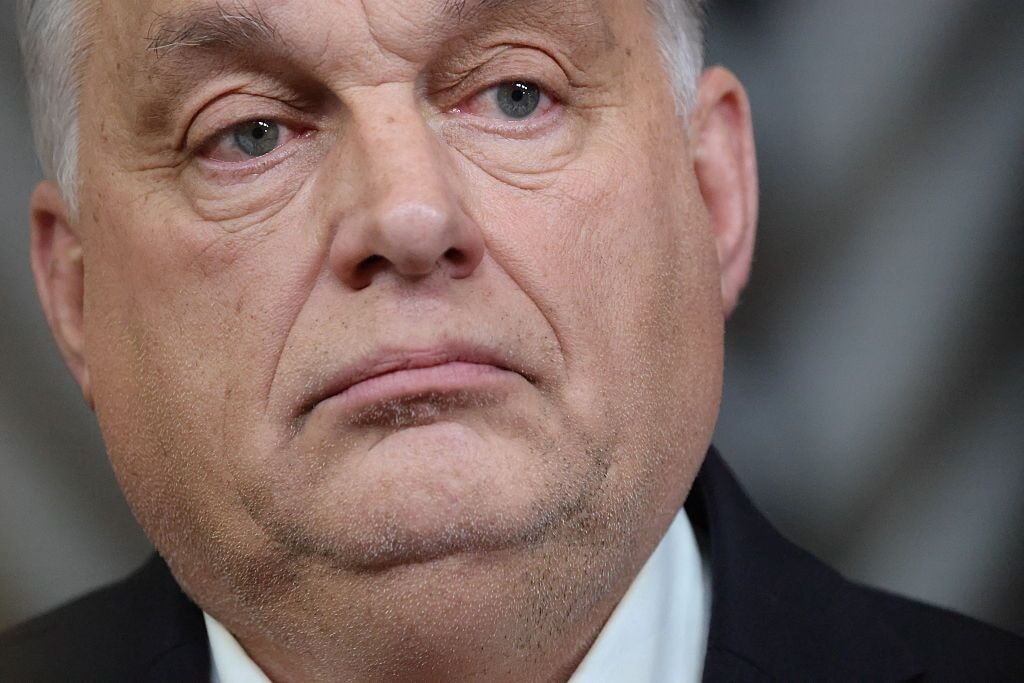
'Russian barrels are in demand' — Oil price spike boosts Russia's economy
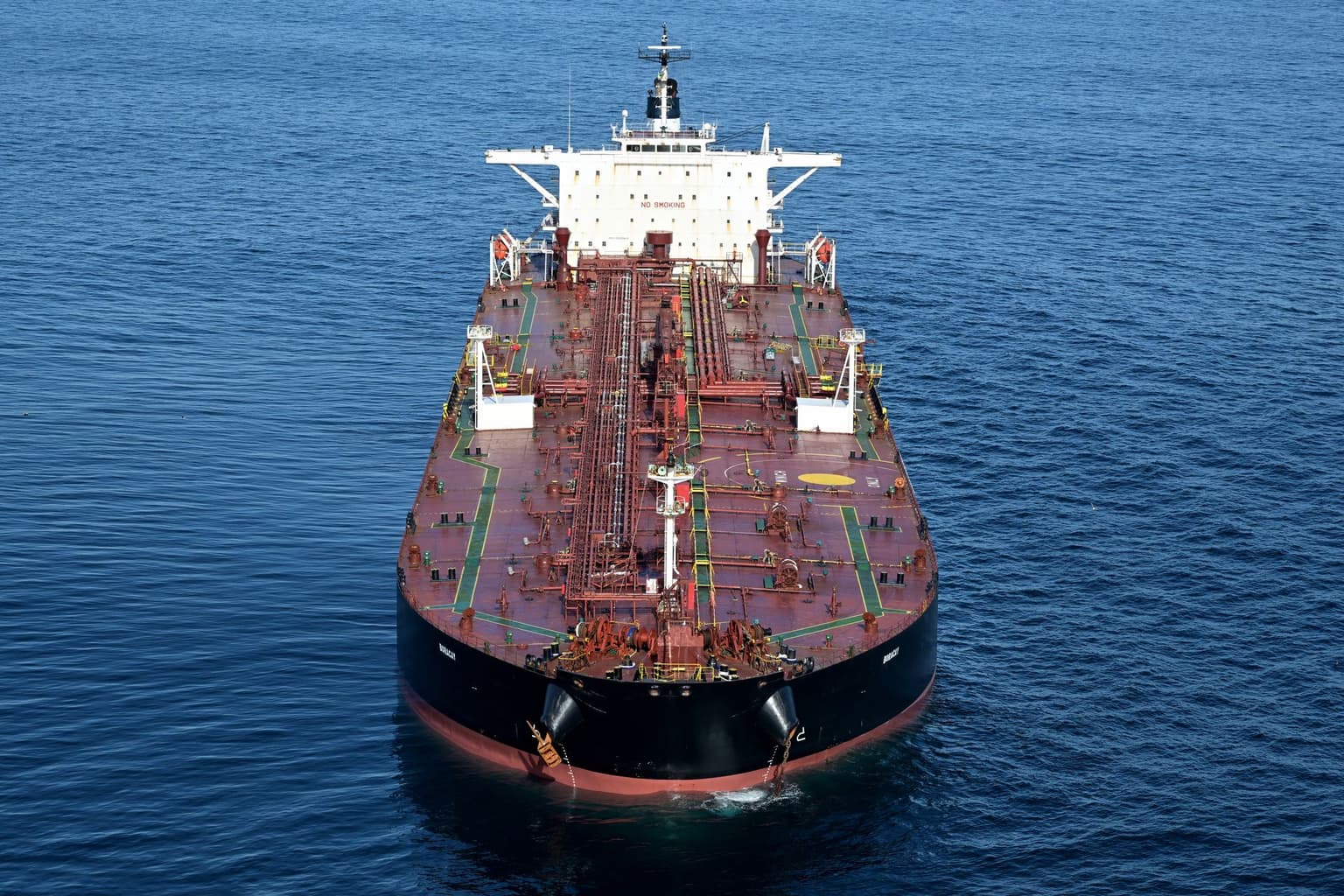
An aerial view of the tanker Boracay, part of Russia’s so-called “shadow fleet,” off the coast of Saint-Nazaire, France, on Oct. 1, 2025. (Damien Meyer / AFP via Getty Images)
 on Google
The Iran war could be a boon for Russia, experts say, as turmoil in global energy markets changes the calculus for the world's largest petrostate.
January and February this year were bleak on the fiscal front for Russia, as low oil prices, a looming global oil glut, and compounding sanctions tightened the screws on Russia's energy sector. The country relies in large part on its colossal oil and gas revenues to fund its full-scale invasion of Ukraine — now in its fifth year.
But energy prices have spiked following U.S.-Israeli strikes on Iran that killed the country's supreme leader Ayatollah Ali Khamenei on Feb. 28. Traffic through the Strait of Hormuz — a key artery for global energy shipments — came to a halt after Iran retaliated by attacking tankers in the strait and energy infrastructure across the region.
"The energy market implications are extremely good news for Russia, especially on the crude oil front," says Ben McWilliams, affiliate fellow at the Brussels-based think tank Bruegel.
After Russia launched its invasion in 2022, sanctions led buyers to shun its oil, forcing it to trade at a significant discount to global prices.
Each barrel of oil was raking in just 61% of the Russian Economy Ministry's target over the first two months of the year, according to calculations from the New Eurasian Strategy Center. The International Monetary Fund earlier cut growth forecasts for the country to 0.8% for 2026, and the Kremlin was already planning for lower tax revenues and spending this year.

But those difficult decisions could be postponed, as upheaval in energy markets is causing prices to rise and buyers to reconsider.
"If we have a really well-supplied oil market and the Strait of Hormuz is open, it is less attractive to buy Russian-sanctioned oil, whereas now, Russian barrels are more in demand, and come with higher prices because it's in a stronger negotiating position," McWilliams says.
While the exact price per barrel received by Russia is not completely transparent, there are already signs of higher demand and prices — and therefore higher government revenues.
"Prior to the Iran war, they were getting roughly $40 per barrel. With the latest movement in prices, they are getting around $59 per barrel," says Luke Cooper, research fellow at the London School of Economics.
"Russia needs about $59 per barrel," he says, to meet the economy ministry's targets and stay in line with their forecasted budget deficit.
Moscow's oil revenues also depend on the exchange rate, which is currently stronger than the Kremlin would like. But facing few options to weaken the ruble, the increase in demand for the country's oil and higher prices will still be welcome in the Kremlin.
Urals oil, a key benchmark for Russian oil, reportedly traded at a premium to the key international benchmark Brent for the first time ever in Indian ports last week, as demand surged.

The U.S. has also eased sanctions on India, allowing the country to import more Russian oil, and is reportedly set to ease sanctions more broadly in an attempt to cool the global energy price spike — a move that would also make it easier for Russian oil to flow. The reports come after a Trump-Putin phone call on March 9, the first of this year.
The boon follows an underwhelming start to the year for Russia's finances, after a less-than-ideal — though far from catastrophic — 2025.
Russia's consolidated budget deficit hit 3.9% of gross domestic product last year, according to data from the finance ministry. Not wanting to fund through more borrowing or using up more of its sovereign wealth fund to avoid exacerbating high inflation, the government was eyeing lower spending this year, as it maintains its large spending on the war in Ukraine.

Russia spends roughly one-third of its budget on the military — which doesn't include the hidden spending like sign-up fees for recruitment funded by regional budgets.
But whether the changes in global oil markets mark a turnaround for Russia is yet to be seen.
Oil prices have whiplashed in recent days, as mixed messages emerged on the scope of the U.S. military operation and the ability of suppliers to feed the global market.
"The question is whether these higher prices will be sustained, and that of course depends on the duration of the war in Iran," says Cooper.
A temporary bump in oil prices will not do much, since the target needs to persist throughout the year.
"Just because they are getting their target price right now, doesn't mean that it's all sunny uplands for the Russian war economy," Cooper said.