Russia makes obtaining Russian citizenship in occupied territories indefinite, signaling consolidation
 on Google
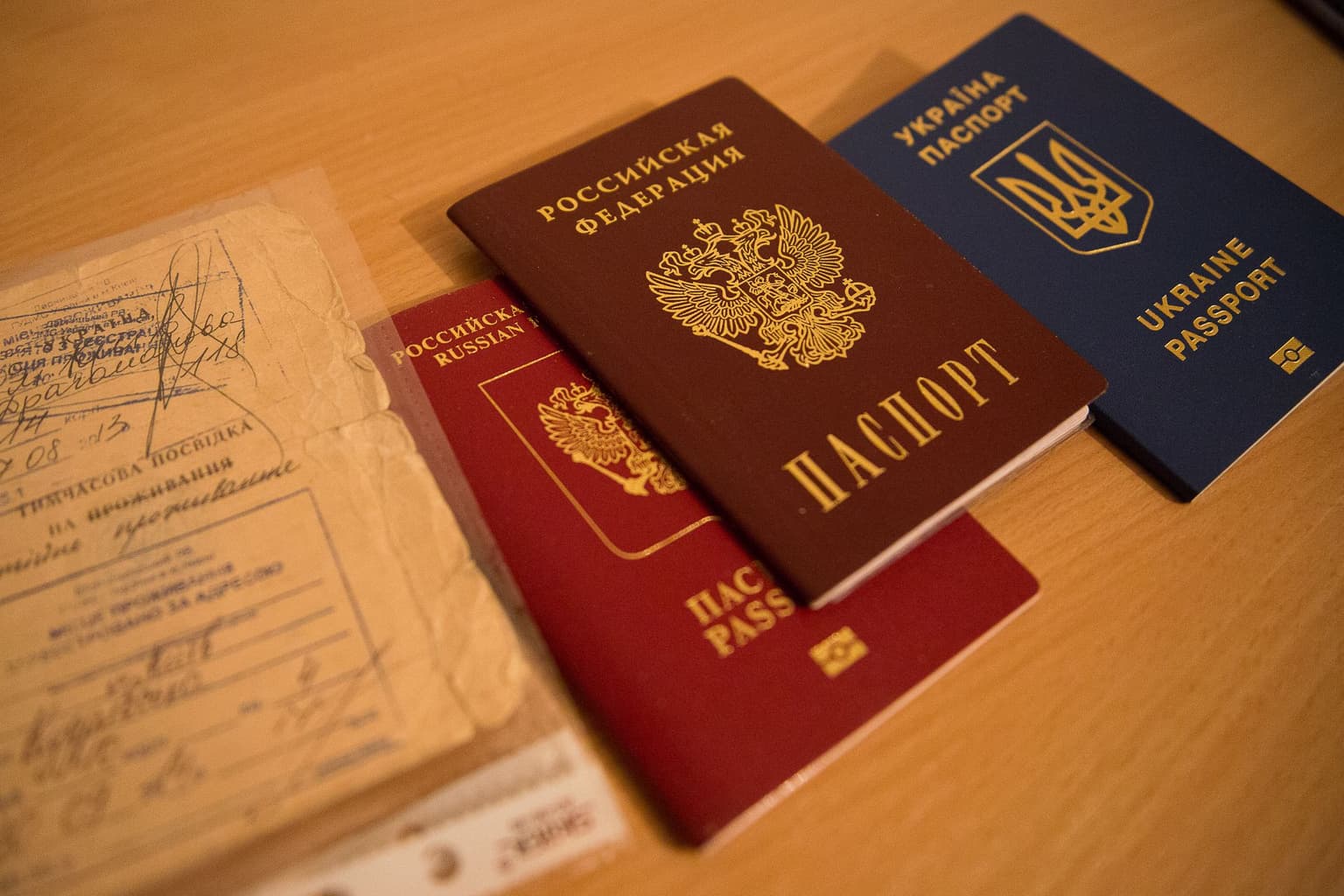
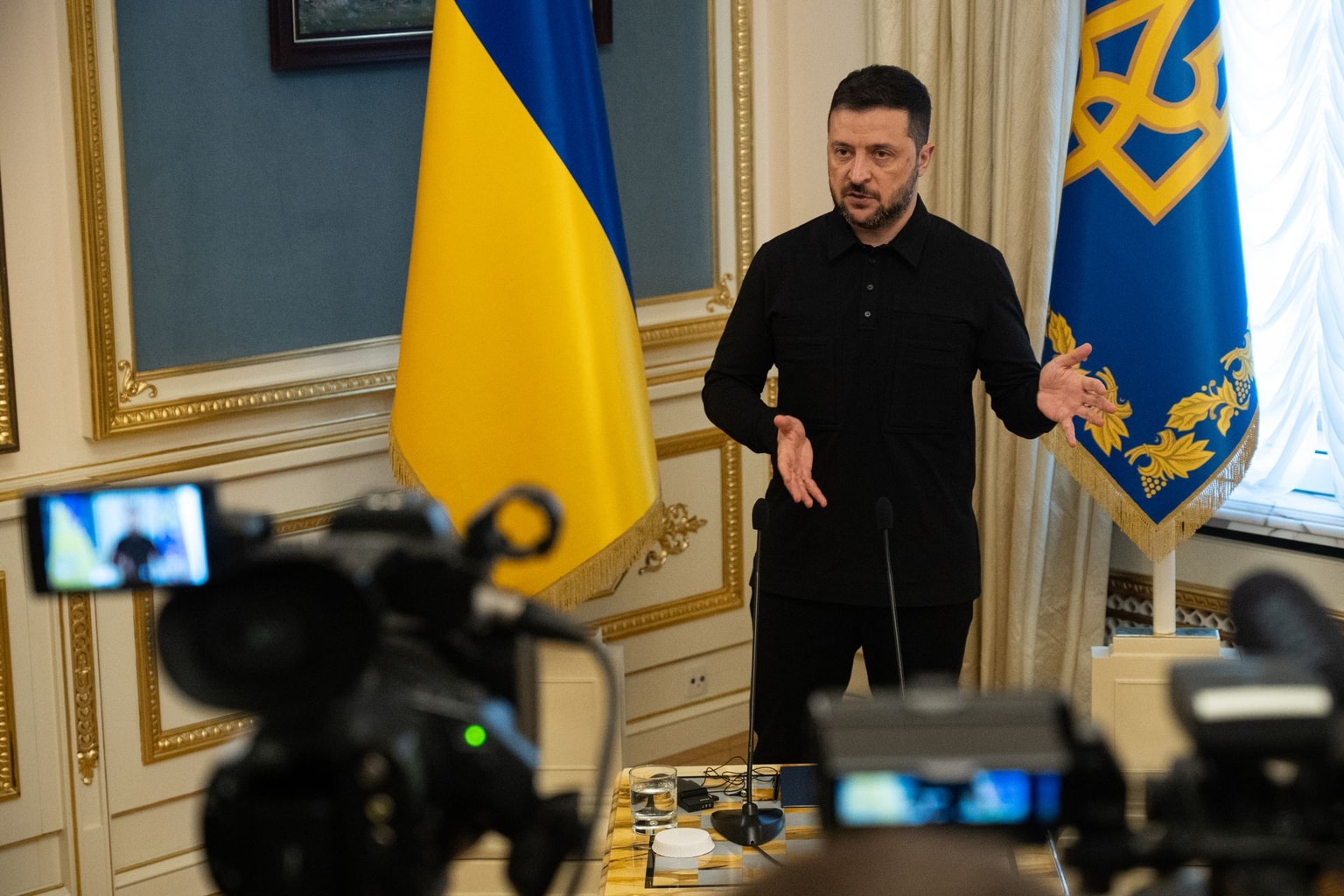
Russian President Vladimir Putin has signed a decree that indefinitely extends the ease of obtaining Russian citizenship in the occupied territories, a move that experts say is a sign that Russia is consolidating its occupation by pursuing mass passportization.
The March 4 decree removes the deadline for residents of occupied Ukrainian territories to obtain Russian citizenship through a simplified process established by a 2022 Russian law, effectively making the policy permanent.
"The goal of the new decree is to passportize as many people as possible, pressuring them," Nataliia Yurlova, lawyer for the NGO Donbas SOS, told the Kyiv Independent.
"In general, Russia has been issuing passports to Ukrainians in occupation for quite a long time, and each time new requirements are imposed on our citizens."
The previous deadline was part of a "transitional period," which is the time Russia set aside to complete the "integration" of the occupied parts of Donetsk, Luhansk, and Zaporizhzhia oblasts into its own economic, financial, and legal systems — including by requiring residents to obtain a Russian passport.
Russia has forced residents of occupied Ukrainian territories to take Russian passports since 2022, part of a broader effort to consolidate control and suppress Ukrainian identity.
Petro Andriushchenko, head of the Center for the Study of the Occupation, said the new decree signals Russia's shift from a "campaign" mode of passportization to a permanent mechanism for integrating occupied territories, forming a legal basis for further demographic and administrative changes.
"On the other hand, it is a solution to the problem of newly occupied territories since January 2025, and people living there who were not eligible for a passport," Andriushchenko added.
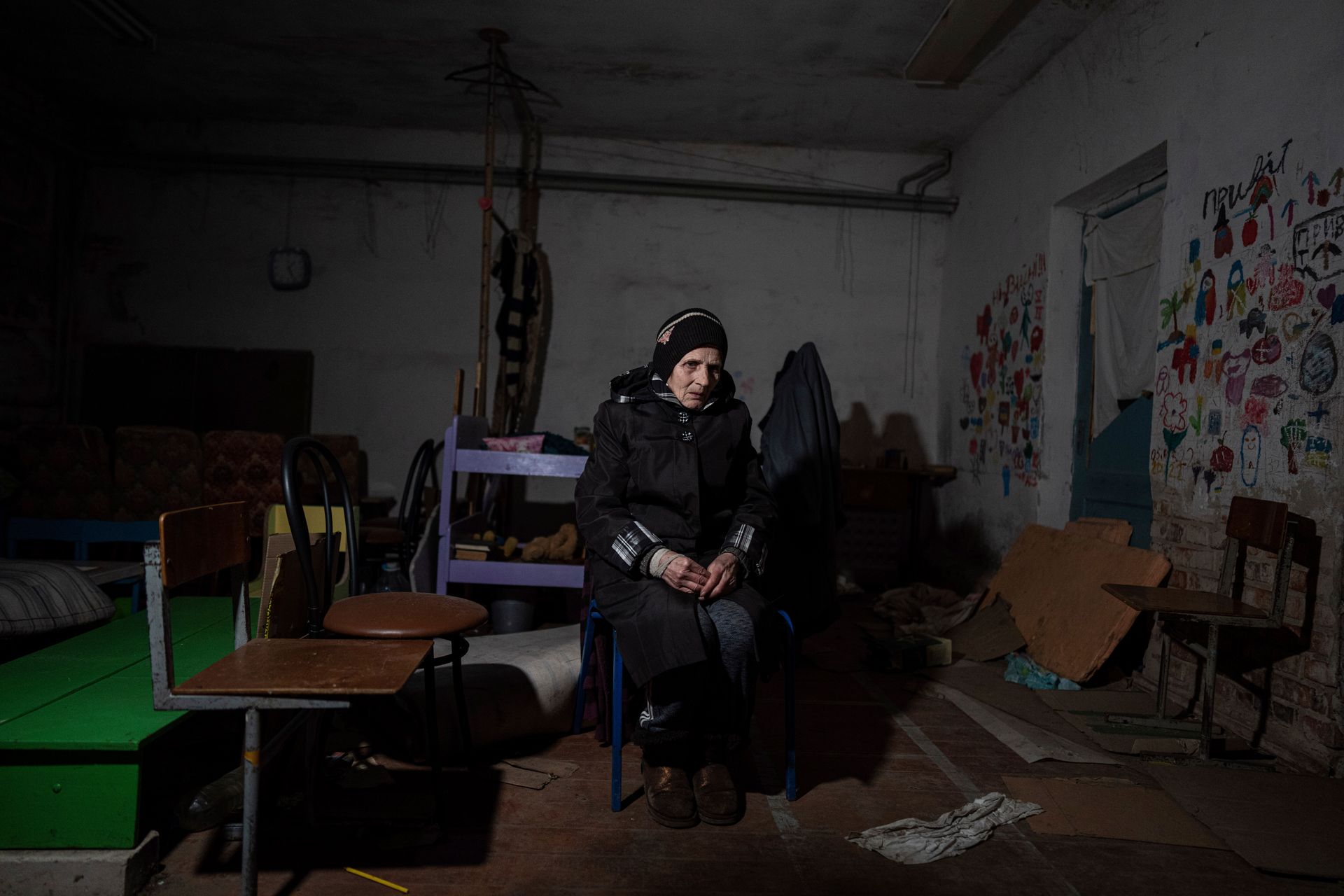
Yurlova said that it is increasingly difficult for Ukrainians to live under occupation without a Russian passport, as the lack of one makes it more difficult for residents to receive social benefits, such as their pensions or medical care, as well as to retain their property, which can be seized by occupation authorities.
Still, some residents of the occupied territories have refused to obtain Russian passports, so the measures to intimidate Ukrainians into obtaining them continue, Yurlova said, adding that it's particularly common for young people to resist obtaining Russian passports, especially men who fear being conscripted into the Russian army.
The new decree also includes a need to submit an application "On unwillingness to hold Ukrainian citizenship," which does not mean losing the Ukrainian passport.
"The person is forced to submit the document, but they will believe they did so voluntarily, obtained a Russian passport, and are therefore no longer a citizen of Ukraine, which is not true. Such a statement signed under duress is not recognized by Ukraine," Yurlova added.
Previously, Putin issued a decree on March 20, 2025, ordering Ukrainians in Russian-occupied parts of Ukraine to "regulate their legal status" under Russian law or leave — a move rights groups say effectively forces residents to take Russian citizenship.
read also
 Katie Marie Davies
 Yuliia Taradiuk
 Yuliia Taradiuk