Russia broke the energy ceasefire. The West can enforce one that lasts
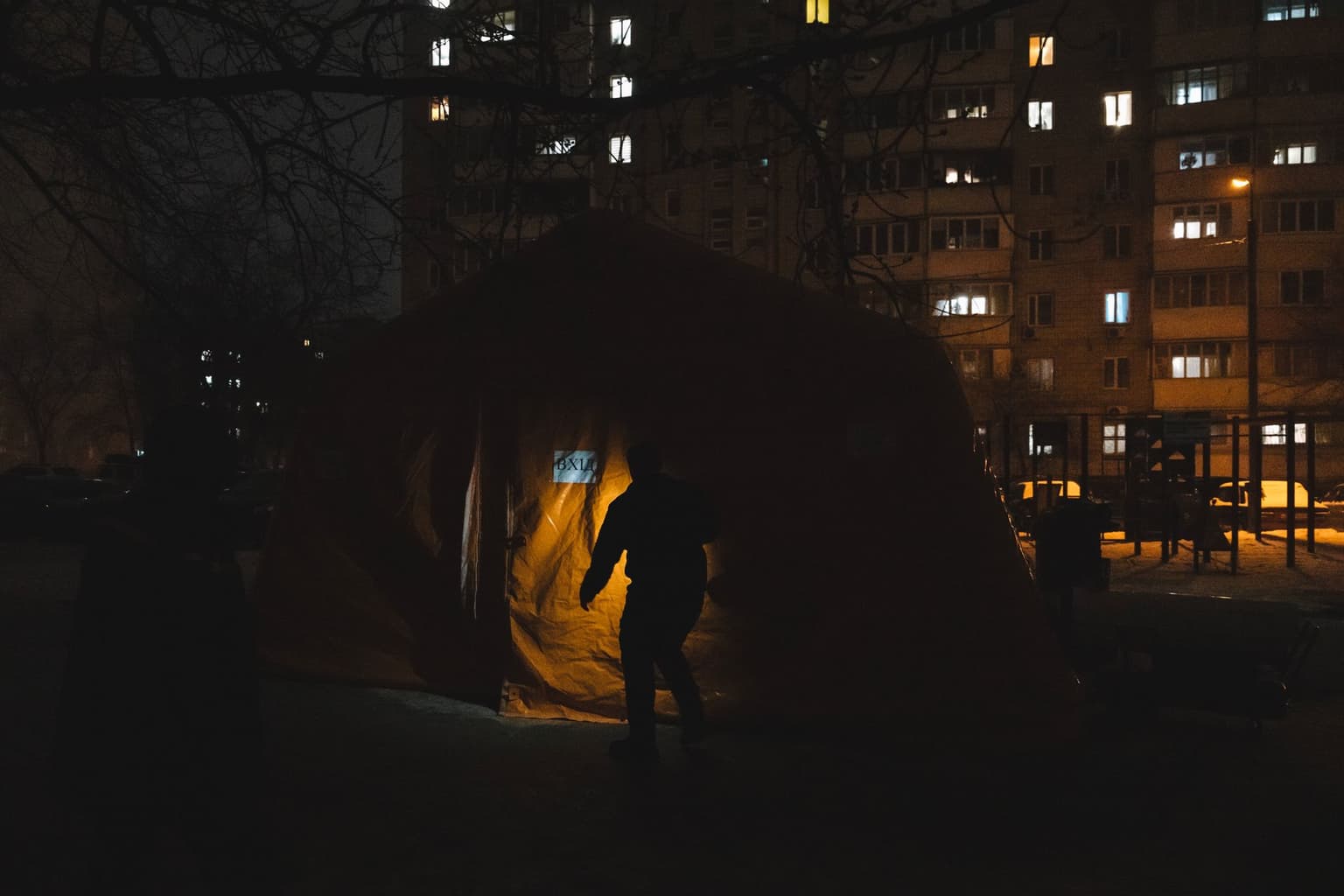
A mobile heating point set up by Ukraine's emergency service operates in the city residential area during power and heating outages on Jan. 23, 2026 in Kyiv, Ukraine. (Andrew Kravchenko/Global Images Ukraine via Getty Images)
 on Google
Olga Khakova
Nonresident fellow in the Atlantic Council’s Global Energy Center
Russia is back to destroying Ukraine's critical infrastructure, following several days of reprieve facilitated by U.S. President Donald Trump's diplomatic push.
Moscow's brief pause on terror was unmasked as a magnified attack days later. Russian drones and missiles were launched on Ukraine's energy infrastructure, leaving hundreds of thousands without water, heat, and electricity under the polar vortex temperatures as low as -20 Celsius (-4 Fahrenheit).
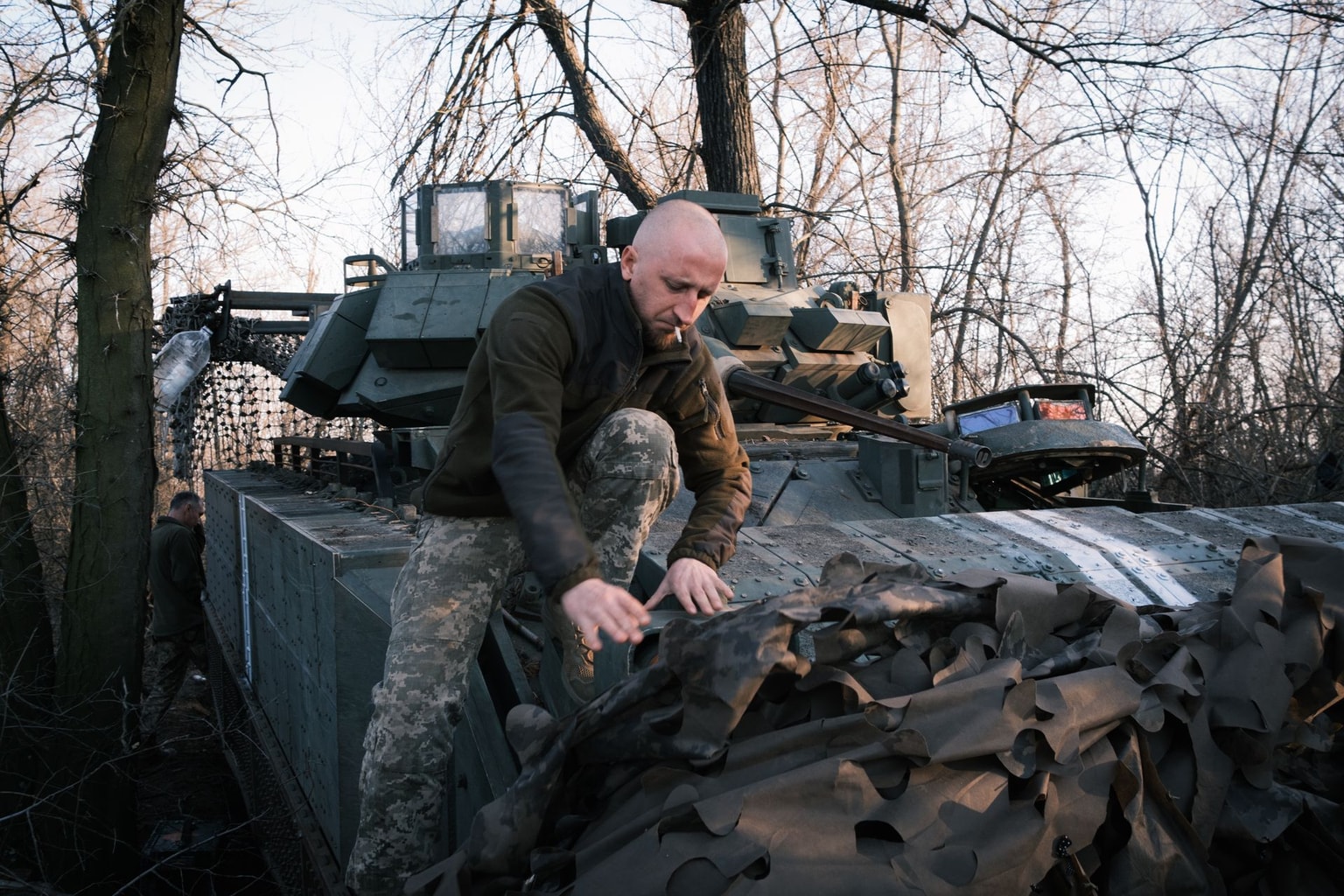
Without sufficient air defense, Ukraine's 15,000 energy sector employees are trapped in a bloody cycle of repairs and destruction while under fire by Russians — a cruel tactic by Russian President Vladimir Putin's forces to stall the restorations of vital services.
This horror can and must be stopped. Allowing Russia to weaponize winter is a moral and strategic failure that directly threatens European energy security and regional stability.
The U.S. and Europe have the tools to force a lasting energy ceasefire through a potent mix of coordinated sanctions, weapons, as well as ramped-up support for Ukraine's energy sector.
Russia's economy is in its most vulnerable state since 2022. With 1% GDP growth in 2025, diminishing revenues (projected to decrease by $494.78 billion), ballooning war spending, and high interest rates, Russia will struggle to balance the budget in 2026, draining the remainder of its national reserves ($53 billion) and tripling the deficit.
It took the West four years to achieve this tipping point — additional actions to curb oil and gas revenues would have a disproportionate blow to the crumbling economy.
Following the loss of the European piped gas market, Russia refocused on scaling up LNG exports. Sanctions on projects like Arctic 2 LNG successfully slowed and curbed production. Sanctioning the rest of the projects, especially the massive 16 bcm (billion cubic meters) Yamal LNG, would prevent $8.4 billion from flowing towards Russian aggression.
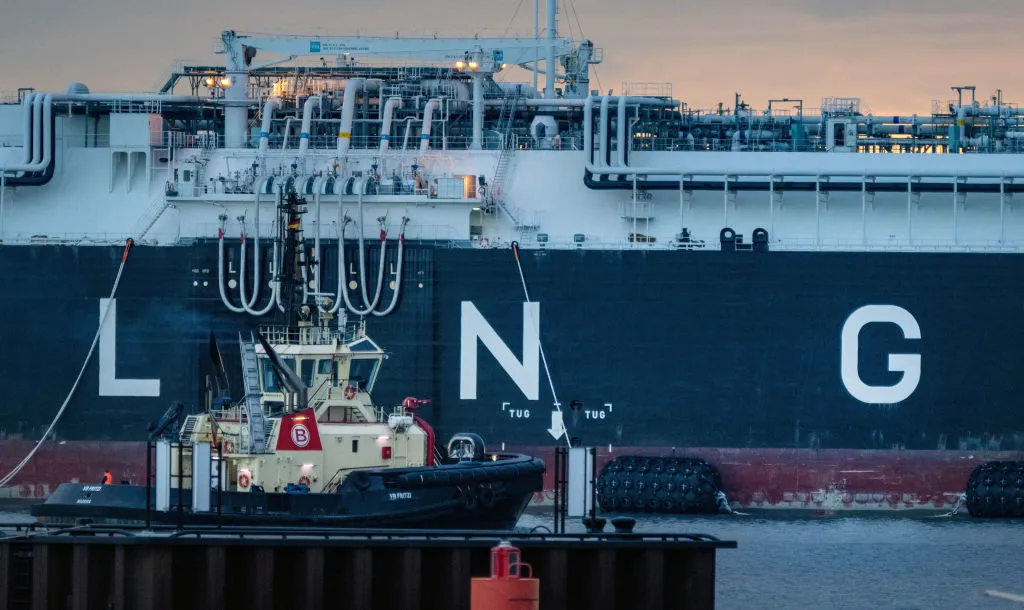
This move aligns with the EU's Russian energy ban legislation, expediting it by a year, but also taking it one step further — keeping the volumes off the global markets altogether, not just in Europe. Moreover, secondary sanctions would create a layer of protection for Moscow's anticipated evasion. The sanctioned Arctic 2 LNG volumes are still making it to the Chinese market, although at lower production and higher prices.
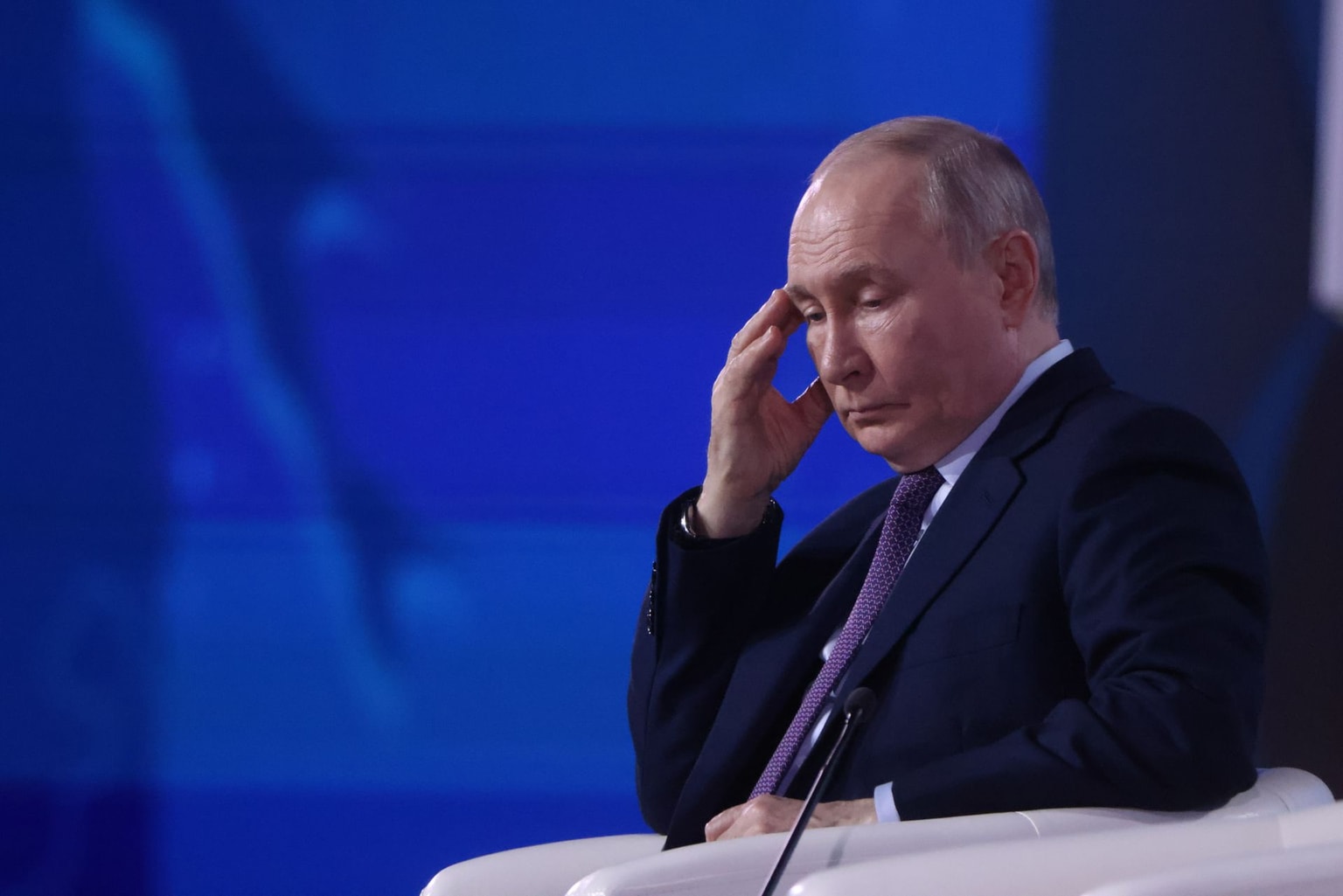
Russian oil revenues nosedived following President Trump's unprecedented sanctions on the country’s biggest oil firms and amidst saturated global supplies. But more could be done to cut the vital artery of the war budget. Sanctioning the entire 700-tanker shadow fleet would address discrepancies between the U.S., the U.K., and EU sanctions on these scrap metal vessels.
Enhanced insurance verification, a ban on ship services, and intelligence gathering would strengthen these efforts.
In the United States, a bipartisan bill already sets out a clear path forward, yet its impact hinges on President Trump's endorsement. Across the Atlantic, Europe is advancing a ban on maritime services as part of its proposed 20th sanctions package. Only robust transatlantic coordination on implementation and enforcement, however, will be sufficient to push aging tankers off the water.
Sanctions must be paired with the protection of the remaining critical energy infrastructure.
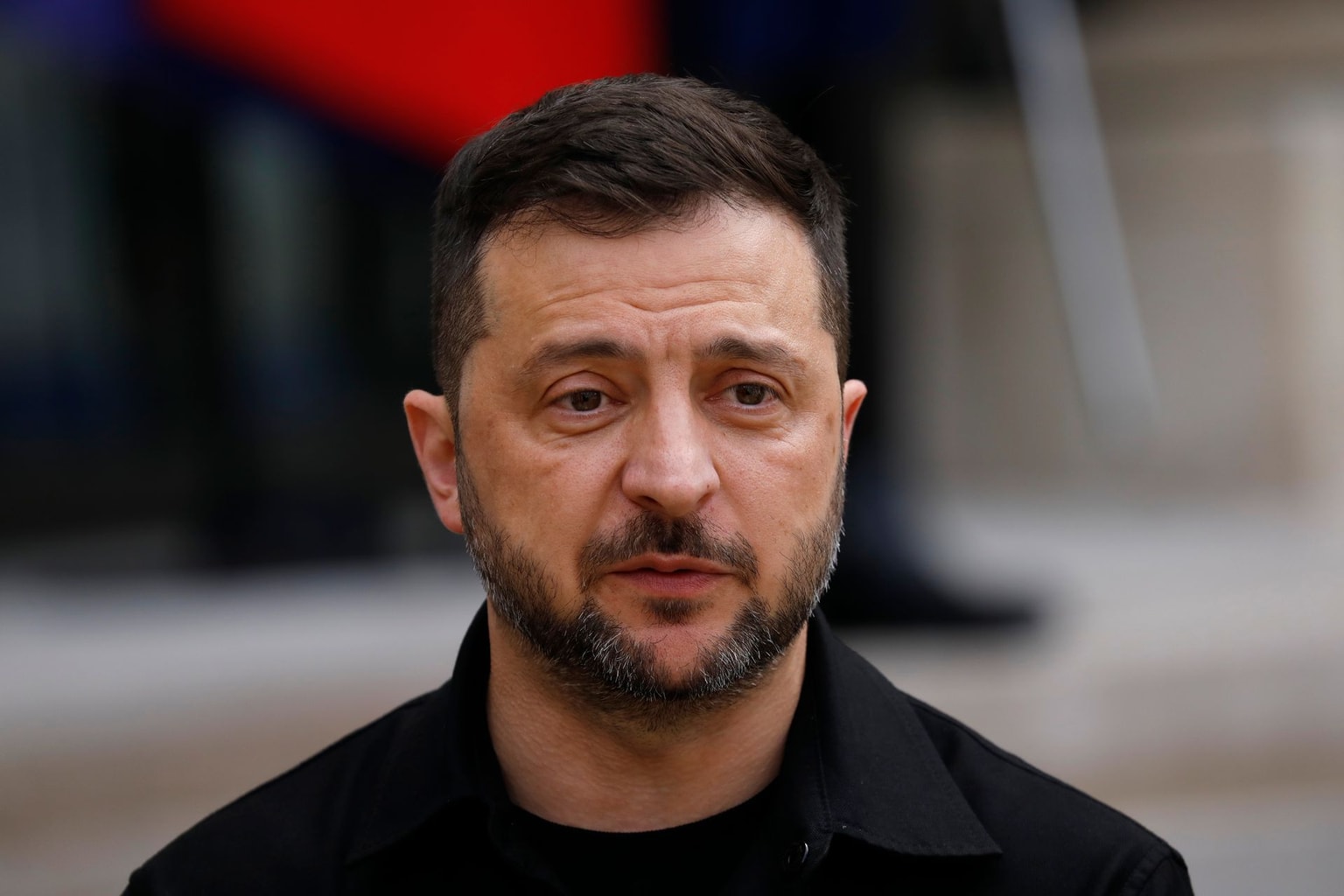
President Volodymyr Zelensky emphasized the urgency of replenishing missile supplies. Ukraine is in talks with Raytheon on expediting Patriot deliveries, and there are growing calls from leaders such as Senator Lindsey Graham to supply Ukraine with the Tomahawk cruise missiles.
In addition to saving lives and preventing a bigger humanitarian crisis, the enhanced air defense would save billions of dollars on repair and reconstruction. The benefits of a permanent energy ceasefire go beyond Ukraine, as the energy market is deeply interconnected. When Russian strikes damaged Ukraine's power grid, neighboring Moldova was left in the dark — proof that attacks on Ukrainian infrastructure quickly become Europe's problem, too.
Ramped-up sanctions and bolstered air defense would diminish Russia's destruction capabilities, accelerate the recovery of Ukraine's energy system, tip the peace negotiations scales in Ukraine's favor, raise morale for the population, while also strengthen broader transatlantic energy security.
The U.S. and Europe have the leverage to make this energy ceasefire permanent; the time to act is now.
Editor’s note: The opinions expressed in the op-ed section are those of the authors and do not purport to reflect the views of the Kyiv Independent.