Western-made parts keep ending up in Russian and Iranian weapons
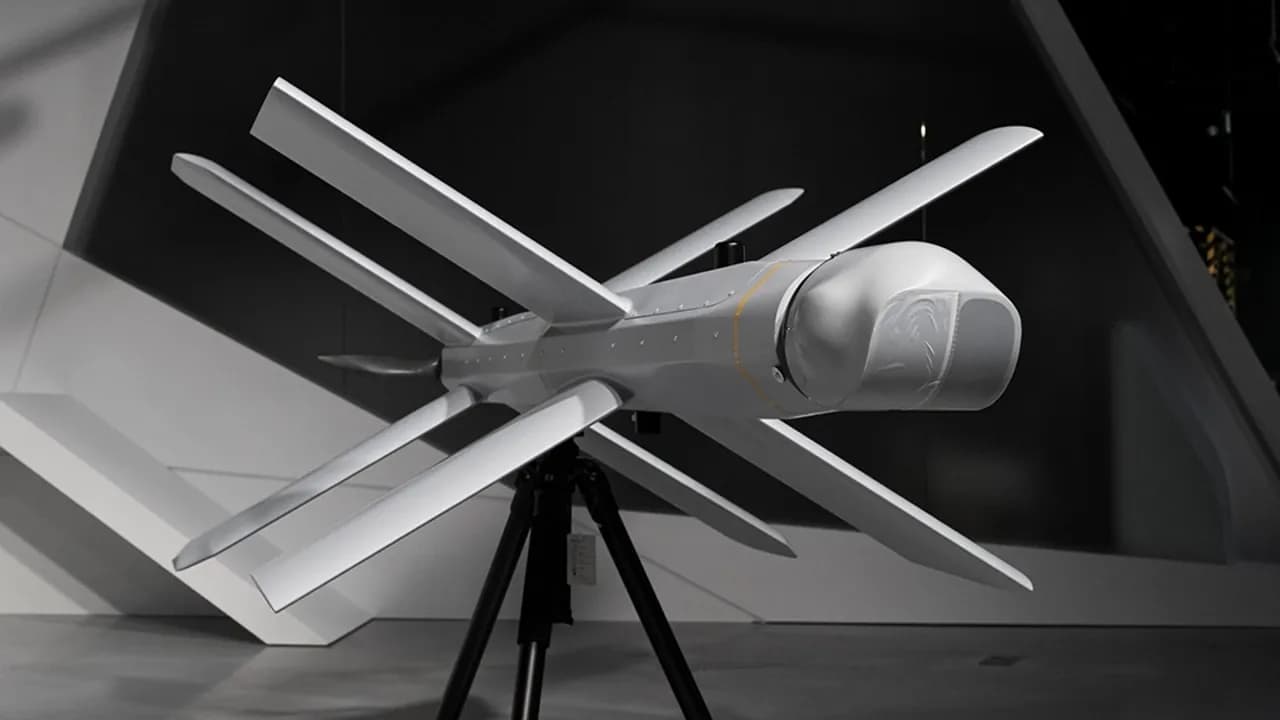
Russian Lancet drone in an undated photo. (Zala Aero)
 on Google
Vladyslav Vlasiuk
Special Envoy for Sanctions in Ukraine
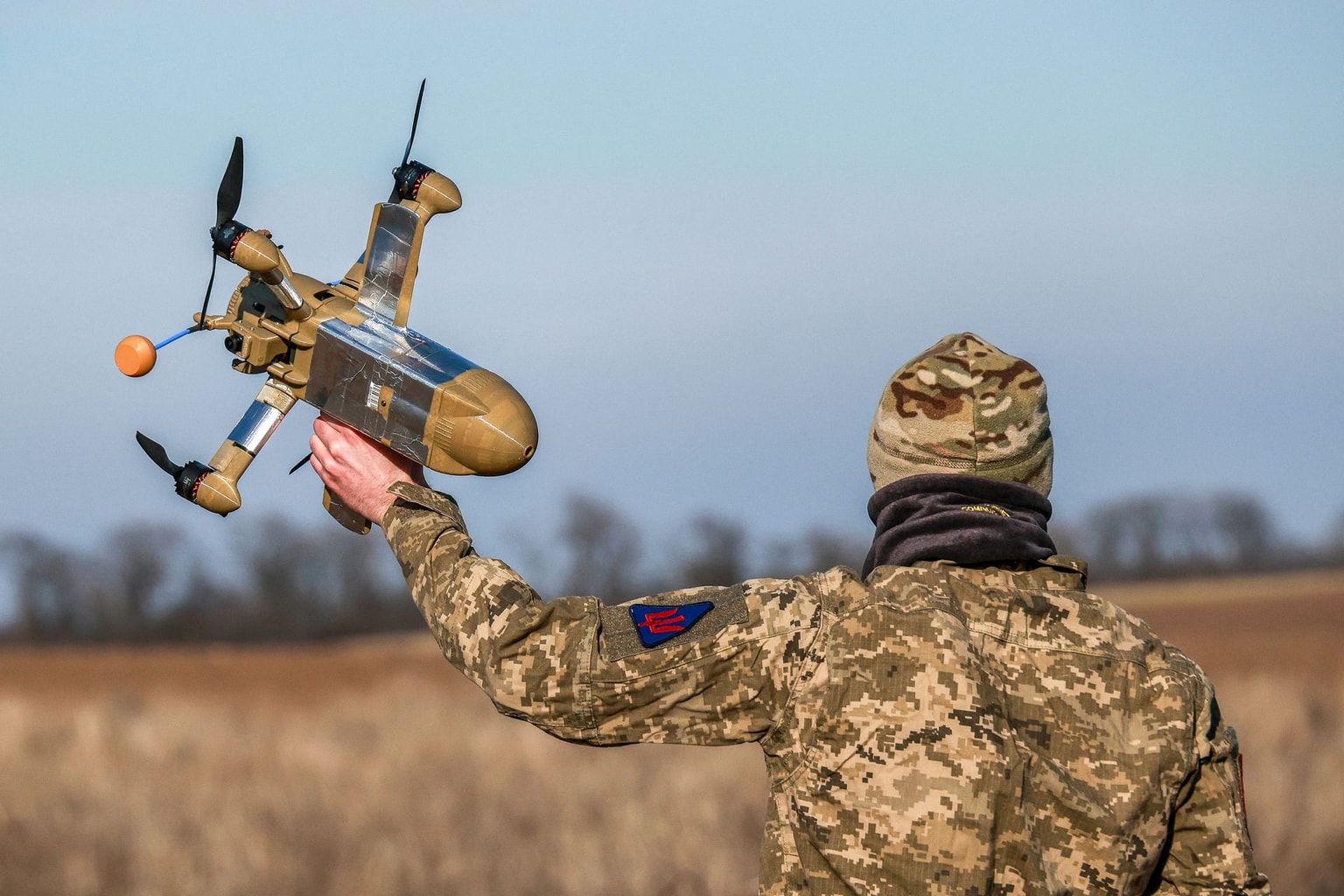
On the morning of March 16, a Russian Lancet drone was shot down by Ukrainian air defenses over central Kyiv. Its debris fell near the Monument of Independence.
An examination of the wreckage revealed around 50 foreign-made components. Among the countries of origin were Switzerland, Italy, the Netherlands, the United States, Germany, Japan, and South Korea, with several components manufactured after 2022.
Since the start of the full-scale invasion, Ukraine has examined a wide range of weapons systems — primarily Russian, but also Iranian (including the well-known Shahed drones) and North Korean.
A consistent pattern has emerged: all of these weapons rely on critical components produced in Europe, Asia, and the United States. The manufacturers include U-Blox, STMicroelectronics, Xilinx, Texas Instruments, NXP Semiconductors, Infenion Technology, and many others.
Despite sanctions and export control measures imposed by international partners, such components continue to reach Russia and, apparently, Iran too. It is an issue that the international community should address decisively.
On the other hand, this fact is crucial for understanding the vulnerabilities of the Russian military-industrial complex. Russian manufacturers cannot rely on their own production forces. The need to secure components, means of production, and critical materials is a weakness of the Russian war machine.

We know now that Russia sources about 60% of all critical components and production facilities for the needs of the military-industrial complex from China. The remaining 40% must be acquired through sanctions circumvention schemes — and it is precisely on that 40% that meaningful pressure can be applied.
Sanctions are producing results. Russia no longer has legitimate access to spare parts and components, and importing them through sanctions circumvention significantly increases production costs and delays timelines. There is an additional, less obvious benefit: when Russia is cut off from high-quality European and American components, it is forced to turn to lower-quality alternatives or counterfeits. This inevitably degrades both production efficiency and the quality of the final product.
Another development that has become more noticeable over the last year is the deliberate destruction of component markings — an effort to make it harder or impossible to examine the used technology and establish the country or origin and producer.

Yet even this tactic has its limits. In the Lancet drone that attracted widespread attention this past Monday, experts identified a Bel Fuse pulse transformer of U.S. origin, produced as recently as November 2024.
Ukraine is actively mapping supply chains and working to disrupt them through national sanctions and close coordination with partners on international restrictions. Notably, some of the countries that previously turned a blind eye to the transit of components for Russian and Iranian weapons through their territories are now themselves coming under attack in the Middle East.
Ukraine has established, for instance, that U.S.-made components produced by Xilinx were routed through the UAE before appearing in Russian Geran-2 drones. These same technologies subsequently appeared in Iranian drones used in attacks against the UAE itself. This is, unfortunately, the price of delayed and insufficiently decisive action against terrorist regimes.
Beyond government action, a significant share of responsibility lies with manufacturers.
Some companies still underestimate the risks or limit their efforts to due-diligence compliance. What is needed is a shift toward genuine due diligence and robust end-user verification. In a world where AI is integrated into virtually every process, the claim that tracking the end user is impossible sounds increasingly unconvincing.
Manufacturers must clearly understand that insufficient compliance on their part can result in tens of thousands of casualties, wherever these components ultimately end up embedded in Russian and Iranian drones and missiles. At the same time, effective state-level deterrence mechanisms are essential: substantial fines for violations of export control rules and criminal liability for breaches of sanctions regimes.
After the outbreak of war in the Middle East, countries that have themselves come under attack by Shahed-type drones no longer relied on secondhand accounts but have experienced their destructive force firsthand. In doing so, they have gained a sobering confirmation: foreign-made components are still finding their way into weapons that sanctions were meant to keep them out of.
Despite sweeping international sanctions, Iran has managed to establish resilient supply chains for critical components and scale up its weapons production. In 2022, it transferred both drones and technologies to Russia. Today, the flow of know-how is no longer one-directional: Russian technologies, such as the Kometa navigation module, are already being identified in Iranian drones used in attacks across the Middle East.
Following Iran's example, Russia has expanded and institutionalized its own domestic production. This is what happens when two terrorist regimes collaborate — they reinforce each other's capabilities.
This is precisely the challenge the free world must confront. Governments need to move beyond declarative policies and ensure the effective enforcement of sanctions and export controls. "Just business" era is over.
Editor's note: The opinions expressed in the op-ed section are those of the authors and do not purport to reflect the views of the Kyiv Independent.