Moscow residents turn to pagers, printed maps as Russia enforces internet 'whitelist'
 on Google

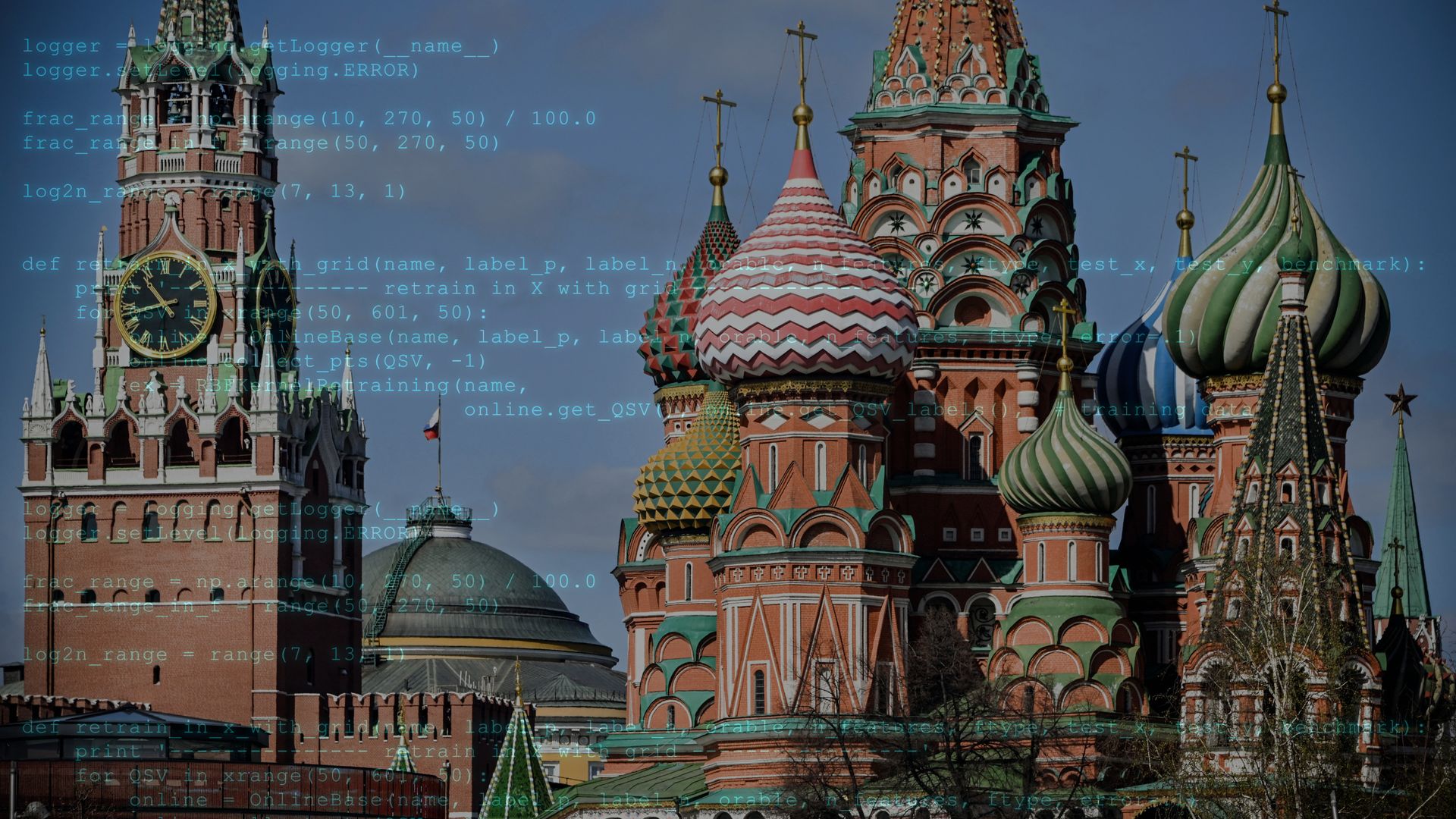
Authorities in Moscow have introduced a "whitelist" system that allows access only to selected websites during ongoing mobile internet outages, pro-government outlet Kommersant reported on March 13, citing unnamed sources.
The measure comes after a week of widespread disruptions to mobile internet in the Russian capital. Internet service providers were instructed to restrict connectivity in certain areas, according to the outlet.
The system, which reportedly malfunctioned at first, is now fully operational. The whitelist includes pro-government social media, outlets, and official state websites.
Russian authorities have justified the restrictions on security grounds. Kremlin spokesperson Dmitry Peskov claimed Ukraine is using "increasingly sophisticated methods" in its attacks and urged residents to prepare for prolonged internet outages.
This comes after President Vladimir Putin signed a law requiring telecommunications providers to suspend services upon the Federal Security Service's request.
The disruptions are clearly affecting daily life in Moscow.
Pro-government outlet Moscow-24 reported a surge in demand for alternative communication devices, including pagers, walkie-talkies, and landline phones.
Sales of printed atlases and travel guides have also increased. Between March 6 and March 10, purchases reportedly rose by 48% compared with the previous week.
Part of broader digital crackdown
The whitelist initiative reflects a wider tightening of control in Russia over the digital space.
In June, the Russian president signed a law establishing a national digital platform centered on the state-developed Max messenger. Human rights groups have warned that the platform could enable mass surveillance.
Restrictions on foreign messaging services have intensified as well.
In August 2025, Russia's communications regulator, Roskomnadzor, blocked voice calls on voice calls Telegram and WhatsApp, citing concerns about recruitment for sabotage.
The regulator also began fully limiting Telegram's operation on Feb. 10, targeting one of the country's most widely used platforms.
Authorities have described these measures as "restricting the work" — a term commonly used to refer to throttling traffic until services become largely unusable.
Such steps are part of the Kremlin's broader effort to replace Western digital services with domestic alternatives and advance plans for a so-called "sovereign internet," increasing state oversight of online communications.
Outages mount nationwide
Mobile internet disruptions have been recorded across Russia since May 2025.
Data from the independent Na Svyazi project indicates that more than 11,900 outages have occurred nationwide over the past seven months.
By the end of 2025, Russia had become the global leader in internet shutdowns. Total outage time reached 37,166 hours, affecting roughly 146 million people.