Klaas Knot: Gloom and doom on Europe's future is overblown
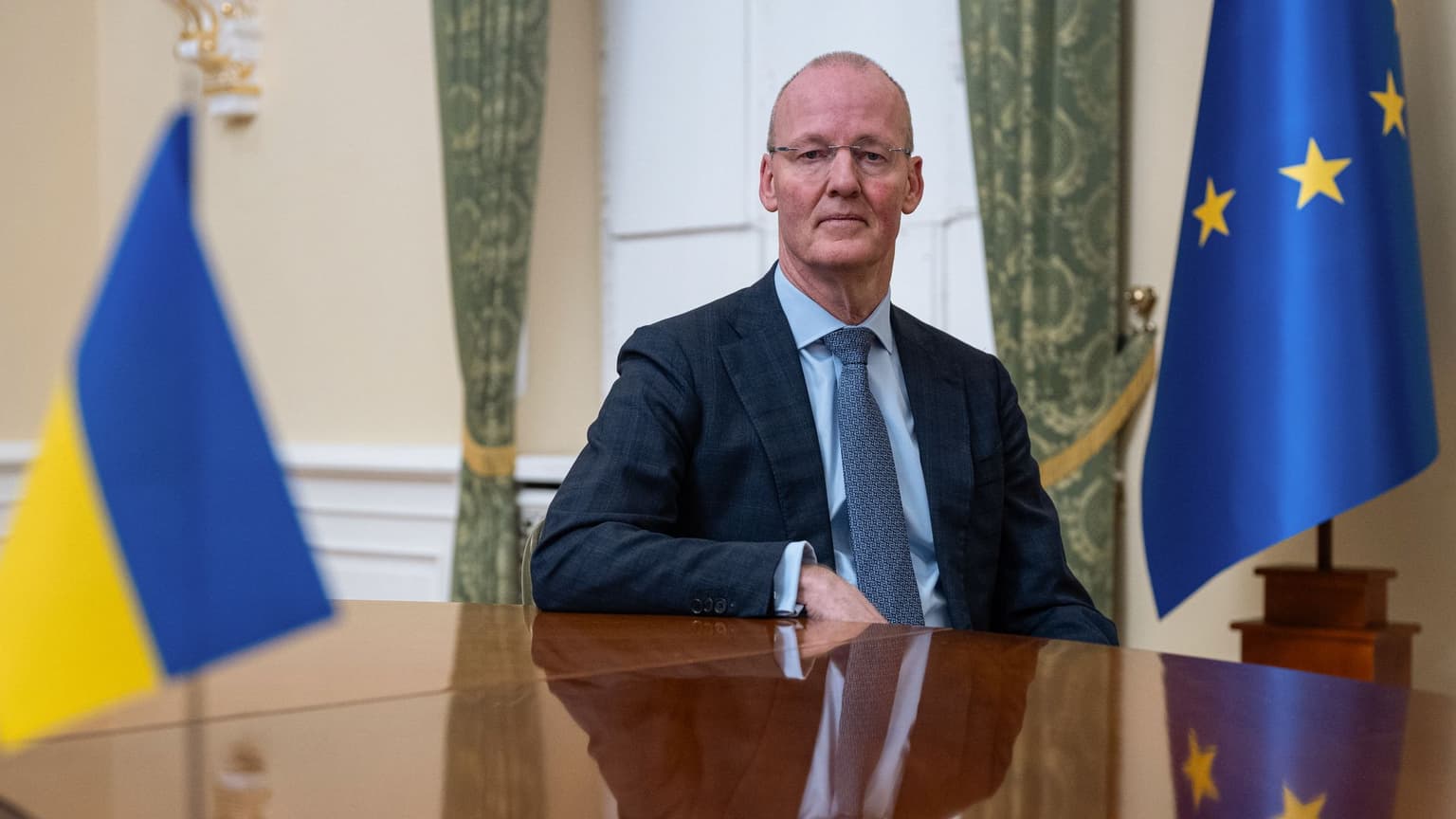
Klaas Knot, the president of the Dutch central bank from 2011 until 2025, in Kyiv, Ukraine, on Feb. 19, 2026. (Danylo Antoniuk/ The Kyiv Independent)
 on Google
Editor's note: Klaas Knot and Olaf Sleijpen visited Ukraine as part of a Dutch delegation invited by the governor of the National Bank of Ukraine, Andriy Pishnyy.
The gloom and doom on Europe's future is overblown, says the frontrunner to succeed Christine Lagarde as head of the European Central Bank — but still, says Klaas Knot, the continent has unfinished business if it wants to reach its potential.
Speaking in Kyiv at the National Bank of Ukraine (NBU) in a double interview with the current governor of De Nederlandsche Bank, Olaf Sleijpen, the former Dutch central bank chief Knot told the Kyiv Independent that a lot has already changed for the better as the bloc does some soul searching amid shifting geopolitical realities.
"Is the glass half empty or half full? For me, the glass is absolutely half full," Knot said.
Widely seen as a leading contender to follow Lagarde as the Eurozone's top technocrat, Knot extolled the virtues of further unification at the European level — including politically contentious ideas like closer European integration when it comes to defense.
"I believe that a significant part of our defense efforts can be much better and more efficiently organized at the European level," said Knot, who also highlighted the benefits of doing more as a single European unit to tackle the energy and climate transitions.
Europe's policy priorities have been shaped in recent years by two landmark reports from former Italian Prime Ministers Enrico Letta and Mario Draghi, which urge the EU to dismantle the cumbersome internal barriers between member states, and to champion large-scale cross-border projects as a way to boost productivity and strengthen competitiveness.
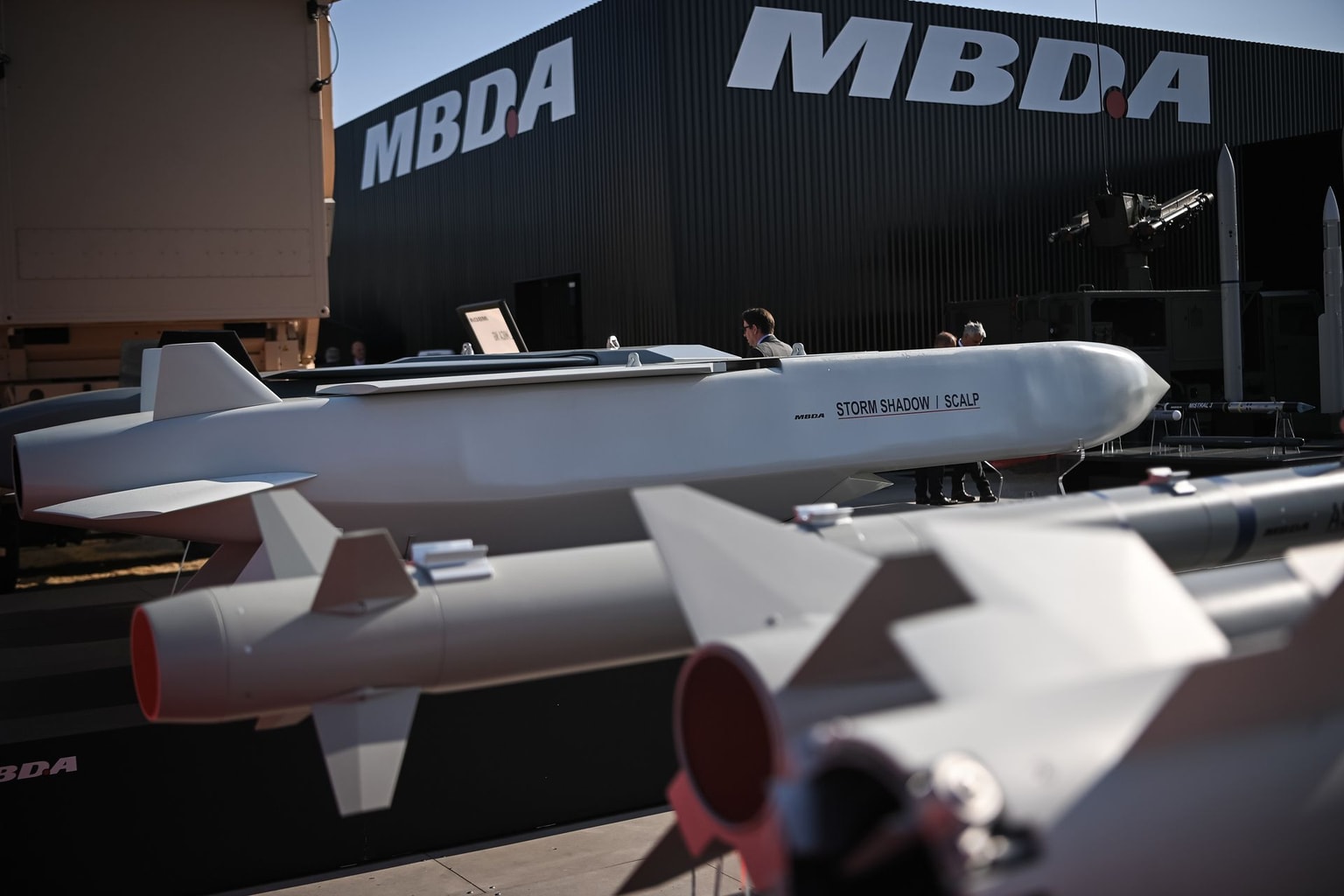
But on defense, the continent's track record is uneven. Despite a wave of ambitious initiatives, procurement looks set to remain fragmented, and strong dependencies on U.S. capabilities remain.
One particularly damning example is the joint French-Italian air defense system known as SAMP/T — of which not a single unit has been produced since Russia's full-scale invasion of Ukraine in 2022 due to coordination issues on production.
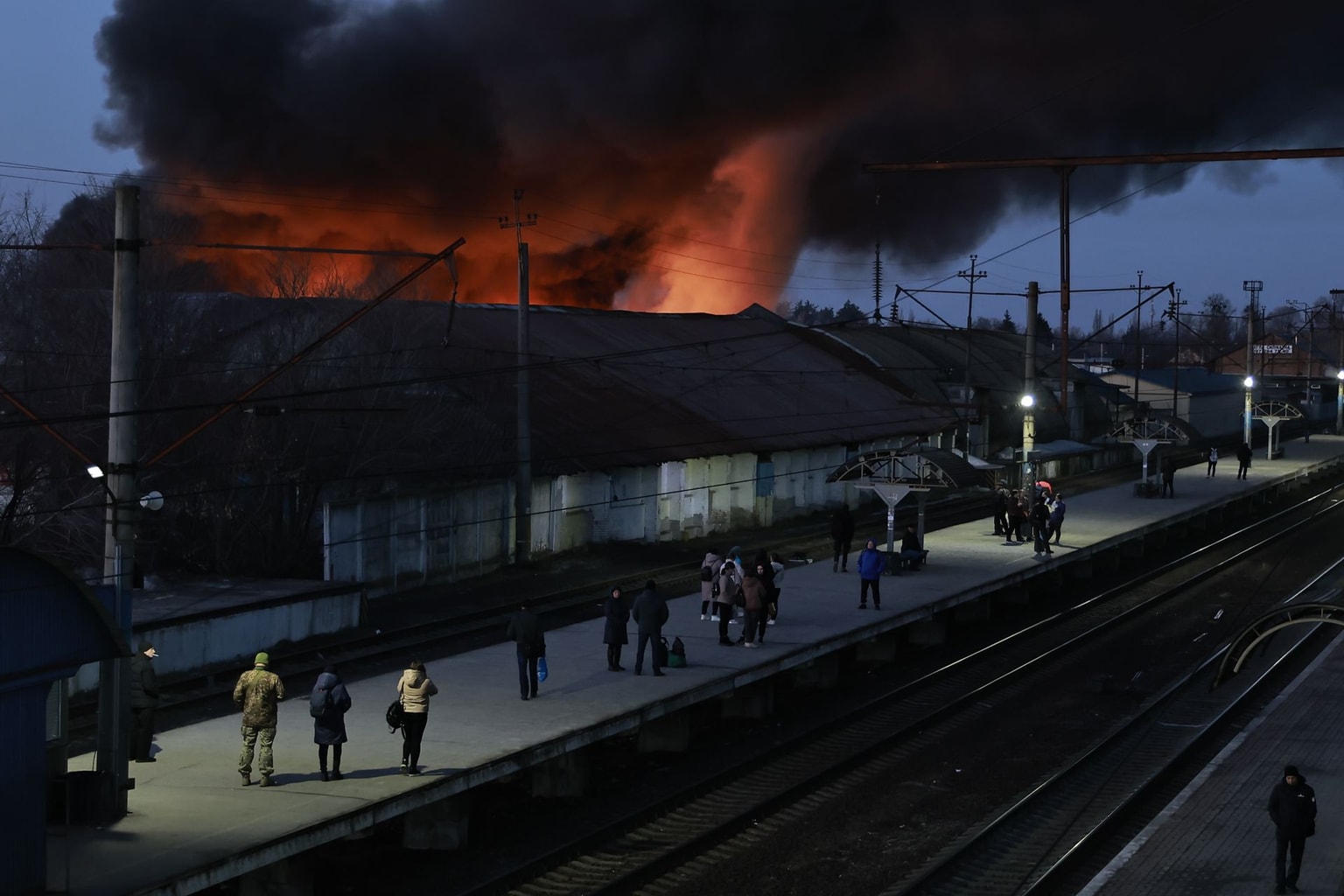
Twenty-four hours after Knot and Sleijpen left Ukraine, Russia pummeled the country with 50 missiles — with Kyiv mostly relying on scarce U.S. technology to intercept them, for lack of suitable European substitutes.

Knot conceded that the ambition to do everything with all 27 countries was not always feasible, but said that the current political preference for "coalitions of the willing" captures some of the benefits.
European countries have banded together in smaller groups to try to inject new momentum into key priority areas like defense, as an advancing Russia and retreating America expose the sluggish pace at which the Brussels bureaucracy can respond.
"We have a complicated way of making decisions, but that is by virtue of the fact that we are 27 countries who have deliberately decided to share sovereignty," said Knot, who pointed to key assets the continent holds — among them Europe's rule of law and an independent central bank that underpin the euro's credibility and appeal.
"Usually, it takes us a little bit longer to arrive at the best solutions for Europe. But under the pressure of geopolitical threats, which have changed our view of the world and the role that Europe has to play, a lot has changed for the good," Knot said.
Knot praised the EU for reaching an agreement on funding Ukraine, referring to the 90 billion euros ($106 billion) loan agreed at a crunch December summit. The last-minute arrangement came after months of deliberation over a so-called "reparations loan," which would have lent Kyiv up to 210 billion euros ($248 billion) backed by frozen Russian assets.
Both Sleijpen and Knot agreed that the reparations loan on the table in December "could have worked," contrasting with the more cautious tone struck by Lagarde in the lead-up to the summit.
When asked about whether outright confiscation could be an option down the line, Knot refused to speculate on what the future holds — but didn't exclude the possibility outright.
"It depends on Russia's preparedness to make reparations payments after an eventual peace settlement," he said, emphasizing that what really counted was that Europe "got its act together" and found the funds to fill the gaping hole in Ukraine's finances.
The 90 billion euros will cover two-thirds of Ukraine's defense and financing needs through 2027. Funded by joint debt — one of the most politically sensitive issues in the EU — and with an unprecedented sum of EU money earmarked for military spending, the bold arrangement is seen by many as a positive signal from Brussels.
The stepped-up defense spending underscores just how much the world has changed over the last few years. That change was echoed by Knot, who says that he currently sees geopolitical risks as a greater threat than climate risks, even as he extensively outlined the huge and rising impacts of climate change that are causing financial damage globally.
Those risks loom large in the mind of current governor Sleijpen, who talked at length about the Dutch central bank's preparations for potential shocks like blackouts or even full-scale conflict — and the sometimes surprising lessons that he has learned from Ukraine's central bank.
"Setting up a childcare facility is not something that immediately comes to mind when preparing contingency plans for times of crisis," Sleijpen said, sharing one example of how Ukraine's central bank continues to guarantee operations during wartime.
During periods of substantial electricity and heating outages, the bank employs an on-site childcare worker, should employees need assistance.
Almost half of Ukraine's central bank staff have close relatives who are wounded or have died as a result of Russia's full-scale invasion, according to Sleijpen, who said that it was a sobering reminder of people's priorities when a crisis hits.

"It's not only about doing your job, but it's about taking care of your family."
As Kyiv hits the grim anniversary of four years of full-scale invasion, and Russia's hybrid warfare across the continent intensifies, Sleijpen says that the bank has significantly stepped up preparations for future crises. At the same time, he emphasized that the current moment, while fraught with risk, also presents opportunities.
Amid speculation of Ukraine's fast-tracked entry into the European Union, the governor said that new members could serve as a trigger to modernize the bloc's budget — especially since several future members, including Ukraine, have large agricultural sectors. Roughly one-quarter of the EU's central budget is spent on subsidies to farmers, which many see as long overdue for reform.
As Ukraine enters its fifth year of full-scale war, and with the responsibility to keep supporting Kyiv squarely in Europe's lap, bigger and simpler is the remedy the pair of Dutch central bankers prescribe for the continent to rise to the many challenges it faces, all while respecting the diverging political preferences inherent to the 27-member club.
Completing the single market is particularly critical. Both articulated the panacea-like effects of tearing down obstacles for companies and people operating in the bloc, which would pave the way for more to happen at scale.
"By removing internal barriers to the single market, you get additional growth which creates the fiscal space needed to finance the defense, energy, and climate transitions that we are going through," Sleijpen said.
Asked whether he would like to watch over those changes as the head of Europe's most important bank, amid reports of Lagarde's early exit, Knot declined to comment on "a vacancy that isn't there."
But looking ahead to the next term — whoever will be at its helm — Knot said that the bank's commitment to price stability and financial stability should never be in question.
"I'm fully confident that that will remain the case over the next eight years."