Exclusive: Saudi Arabia prepping 'huge deal' for Ukrainian weapons amid Iranian drone threat
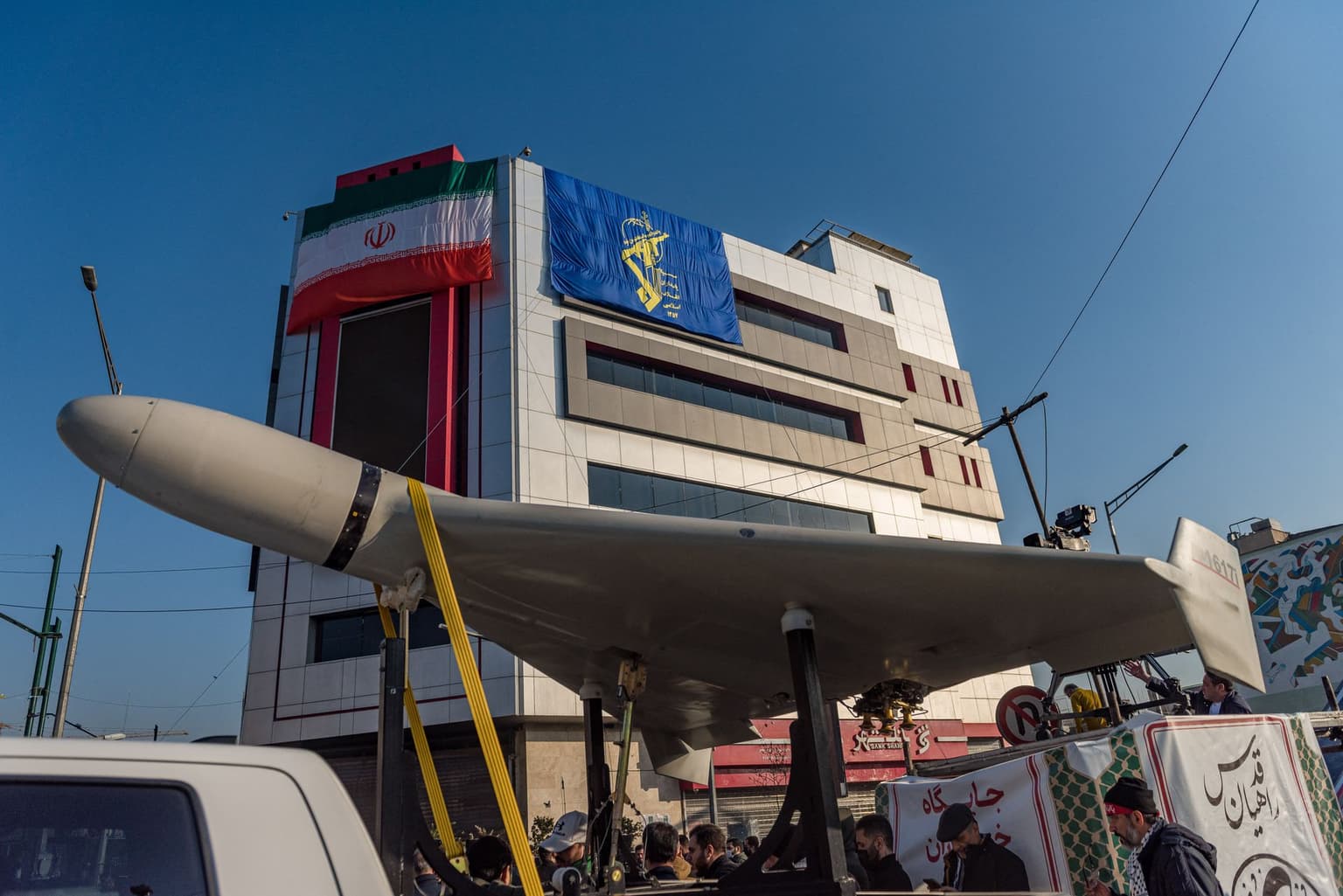
A Zamyad pick-up truck carries an Iranian made Shahed 136 drone during a parade in downtown Tehran, Iran, on January 10, 2025. (Hossein Beris / Middle East Images / Middle East Images via AFP)
 on Google
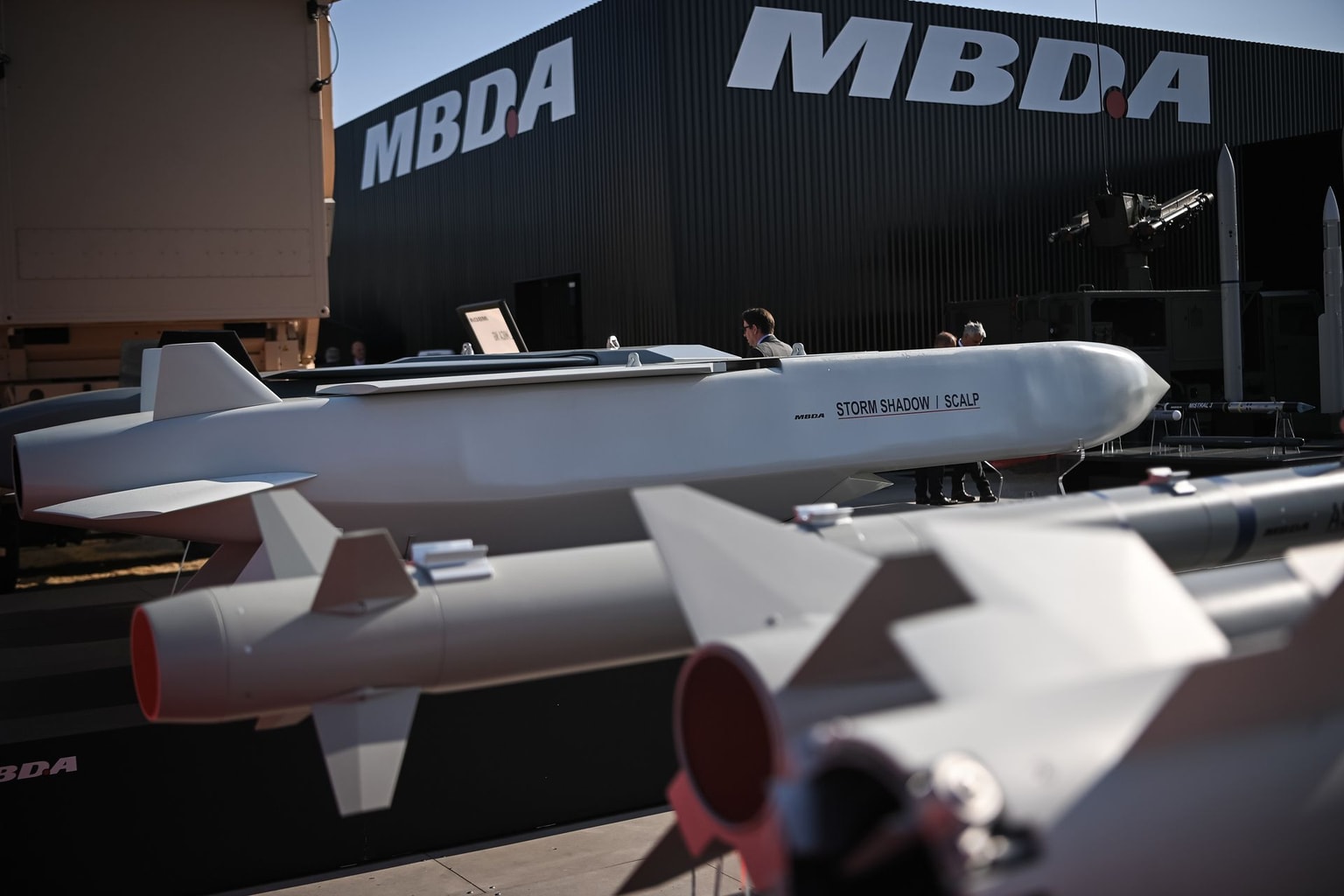
A Saudi Arabian arms company has signed a deal to buy Ukrainian-made interceptor missiles, the Kyiv Independent has learned, with one source within Ukraine's defense industry saying that Riyadh and Kyiv are negotiating a separate "huge deal" for arms that could be finalized this week.
Iran’s recent air attacks across neighboring Gulf States amid the U.S. and Israel-led war against Tehran have kicked off a scramble for military equipment to combat ballistic missiles and Shahed attack drones.
While cost-effective against expensive missiles, air defense interceptors like the U.S.-made Patriot cost millions of dollars — making them an unsustainable way to shoot down cheap drones built en masse for tens of thousands of dollars a piece.
Two sources within Ukraine's defense industry who asked to remain anonymous to discuss non-public negotiations told the Kyiv Independent that major contracts were up for discussion between the governments of Ukraine and Saudi Arabia.
One of the sources told the Kyiv Independent to expect a "huge deal" between Saudi Arabia and Ukraine as soon as March 11.
The other told the Kyiv Independent that a contract for Ukrainian-made air defense missiles had just been signed, with a Saudi arms maker acting as a local intermediary.
The Kyiv Independent has contacted the Saudi Foreign Affairs Ministry and the Saudi Embassy in Kyiv, but did not receive a response by the time of publication.
Iran has unleashed swarms of its Shahed drones across its Arab Gulf neighbors following U.S. and Israeli attacks starting at the end of February. Israel's air defense relies heavily on its Iron Dome, while Gulf nations depend on Korean-made Cheongung-II batteries, and most famously, U.S. THAAD and Patriot surface-to-air missiles.
Ammunition for such air-defense systems is much more expensive than the Shahed drones that they are now tasked with shooting down. Ukrainians are eager both to pitch the value of their low-cost interceptor drones and stop the depletion of PAC-3 missile stocks worldwide.
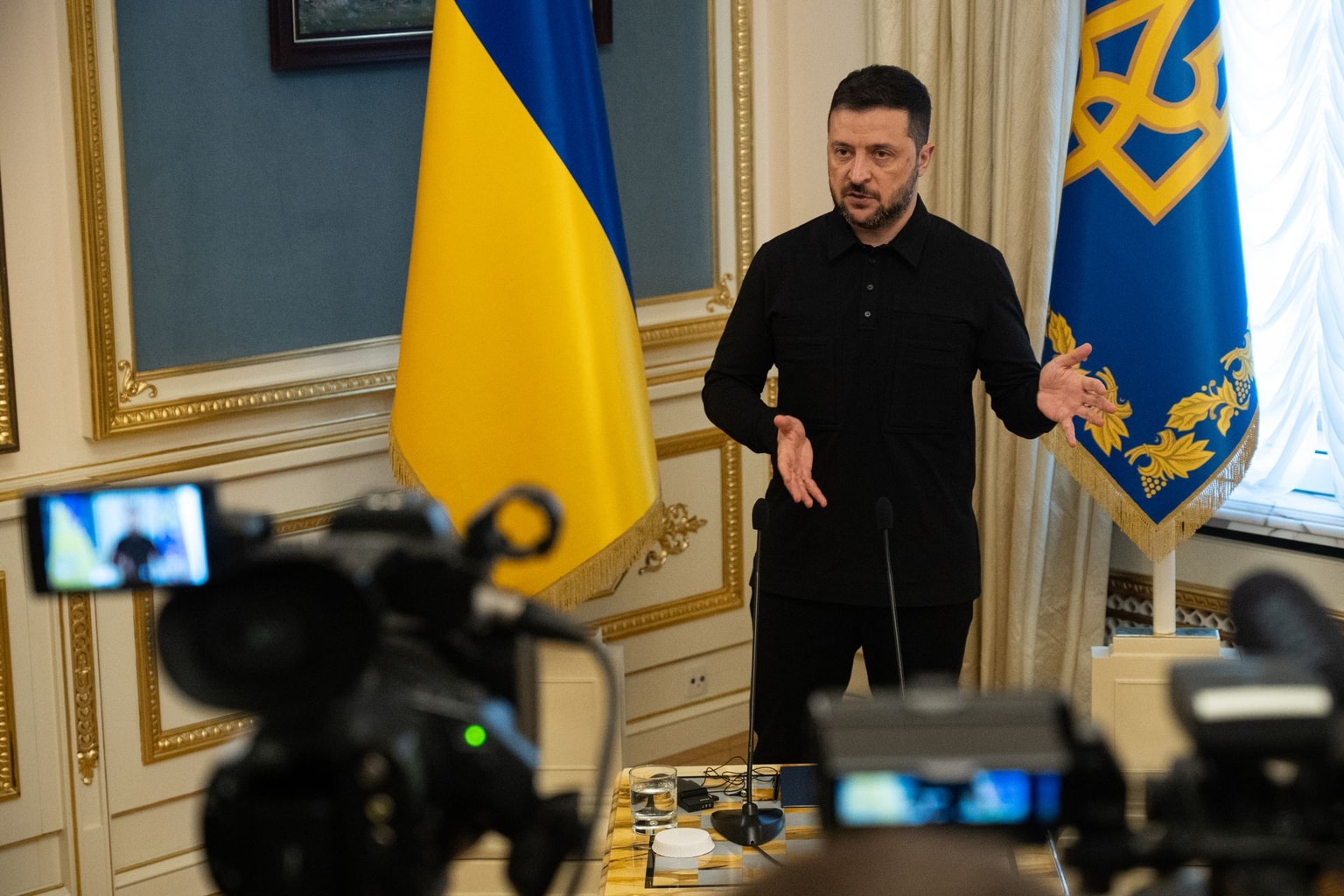
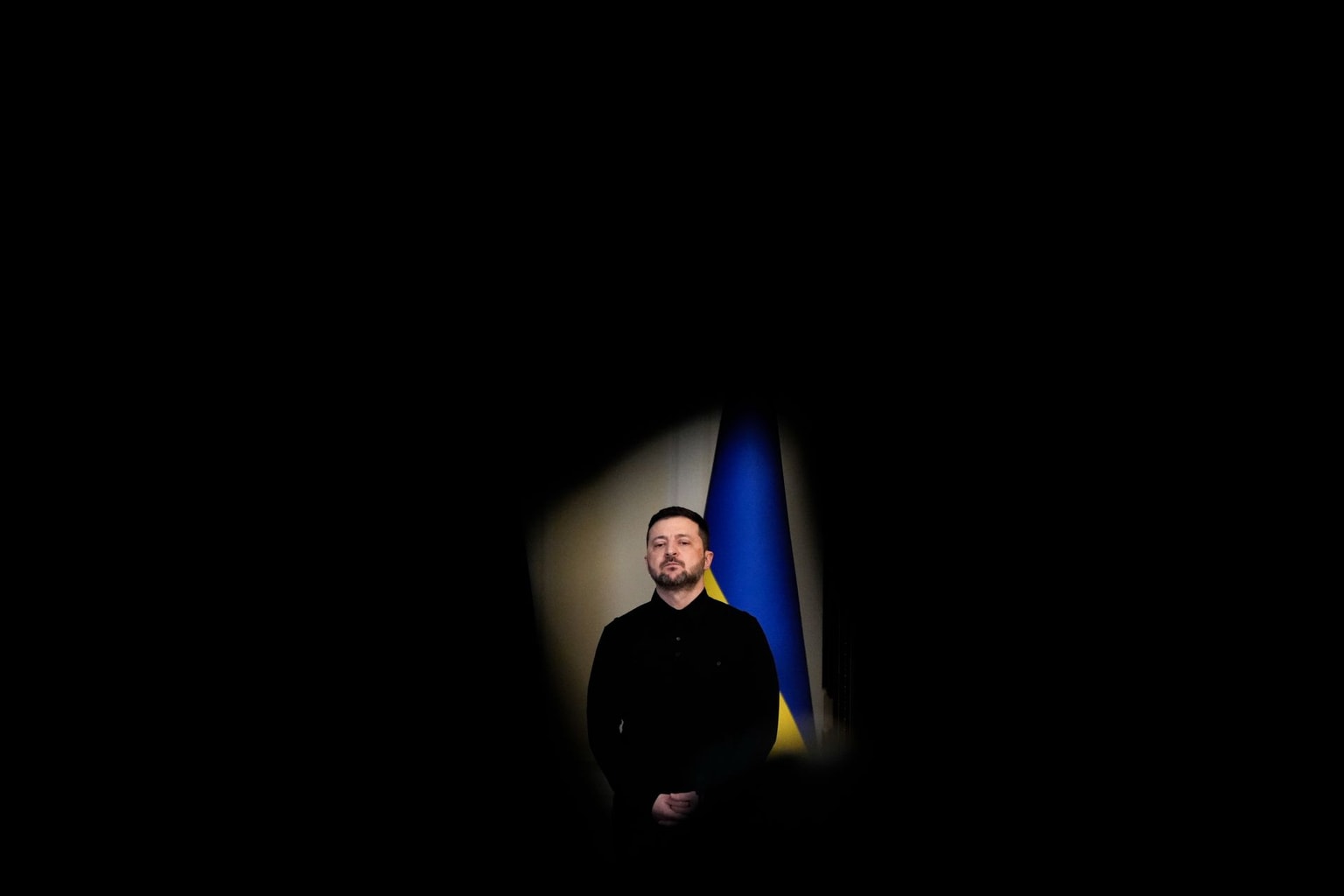
"Ukraine has never had this many missiles to repel attacks. More than 800 have been used over the past three days alone," Ukrainian President Volodymyr Zelensky said in a March 5 press briefing.
read also
 Luca Léry Moffat
 Chris York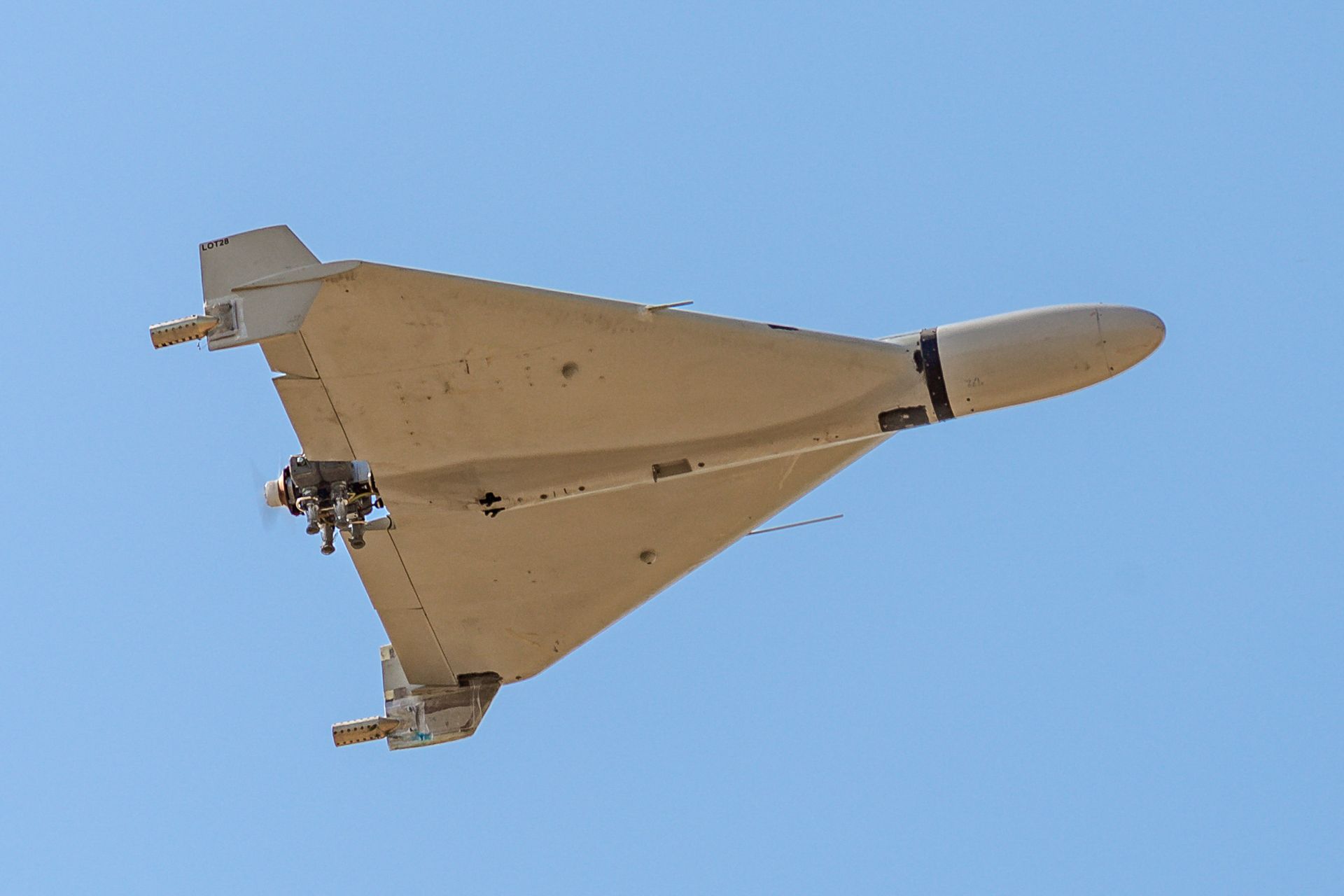
The same evening, Zelensky wrote on Telegram that he had received "a request from the United States for concrete support in defense from Shaheds in the Middle East region. I ordered to provide the necessary means and ensure the presence of Ukrainian specialists, who can guarantee the necessary security."
"With what's happening in Iran, a lot of Gulf states are interested in export from Ukraine or in buying the technology or in hiring Ukrainian trainers," Bohdan Popov, chief analyst for Triada Trade Partners, a consulting and lobbying firm for international arms businesses in Ukraine, told the Kyiv Independent.
"But as far as I know, there is still no decision made on exporting anything, but the Gulf State ambassadors have already reached out to our government to start talks."
The Middle East has run up against the problems of high-end air defense longer than almost anybody. Starting in 2015, Saudi intervention in Yemen laid bare just what an armed and determined group with garage-made rockets could do to top-of-the-line air defenses. Namely, bleed them dry for pennies on the dollar.
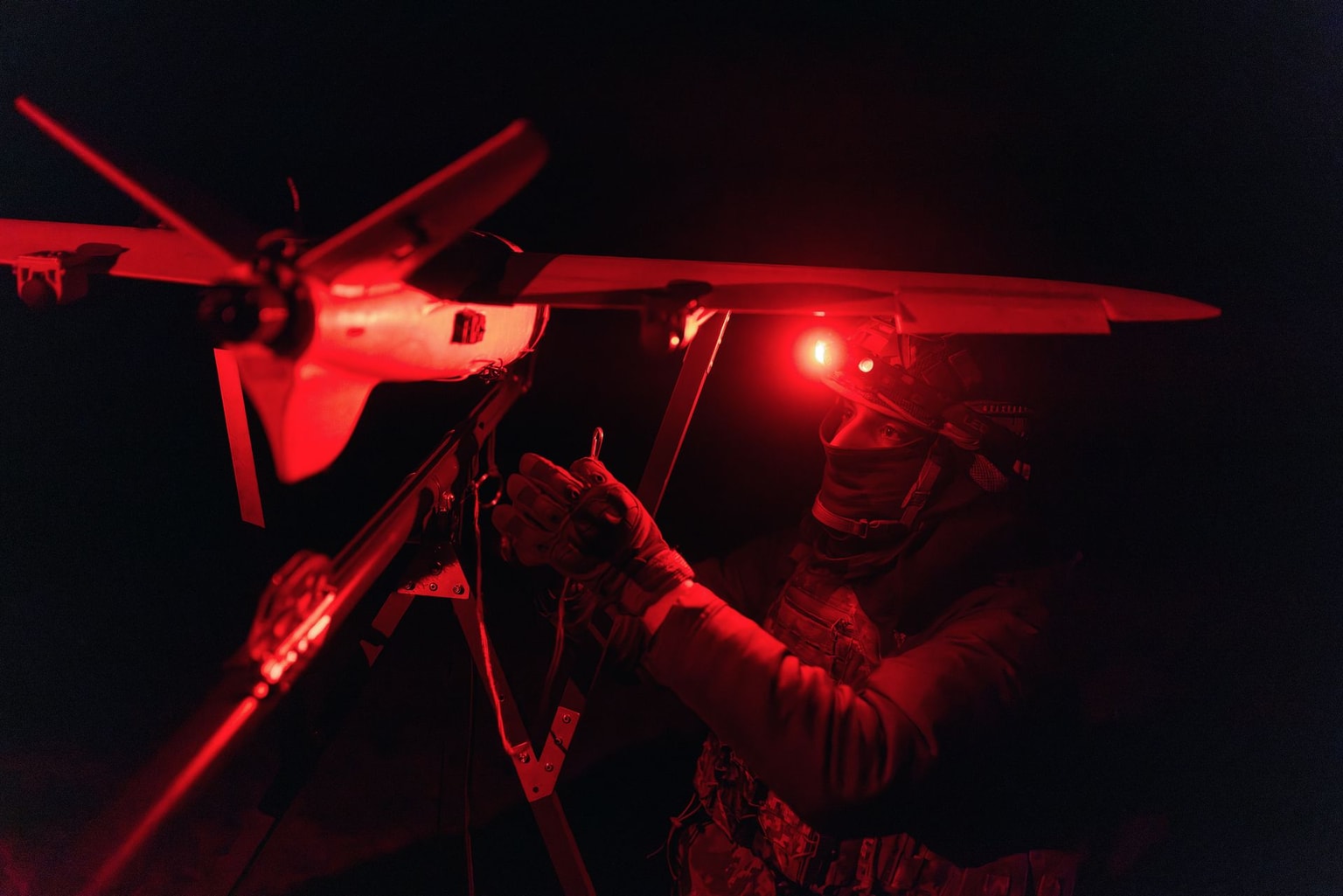
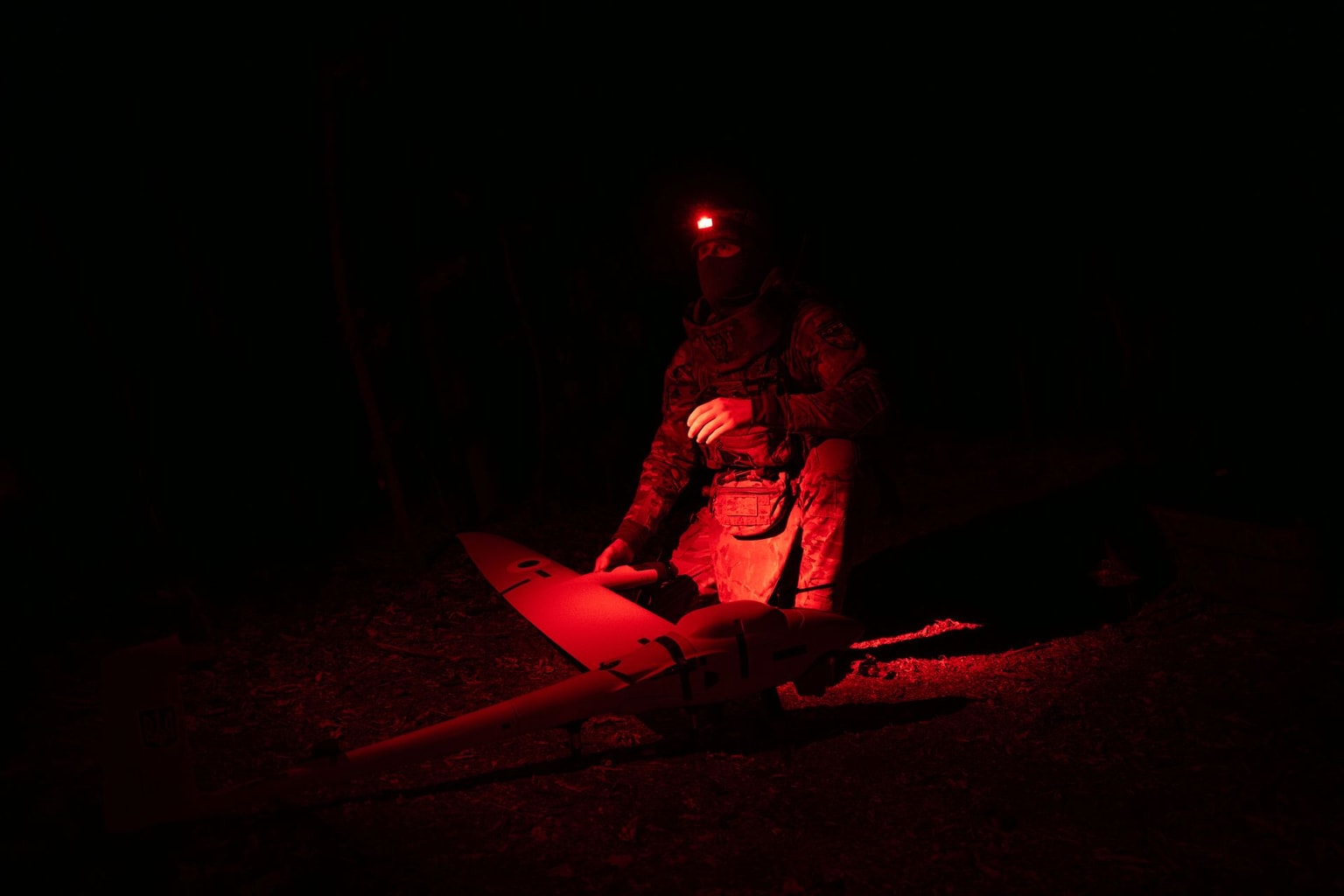
Air defense for Ukraine is a touchy topic. Following questions as to the effectiveness of interceptor drones over a winter that saw Russian air attacks hammer the capital of Kyiv, Ukrainian commander-in-chief Oleksandr Syrsky wrote on March 3 that interceptor drones had accomplished nearly 6,300 flights and destroyed "over one and a half thousand Russian UAVs of different types" over February.
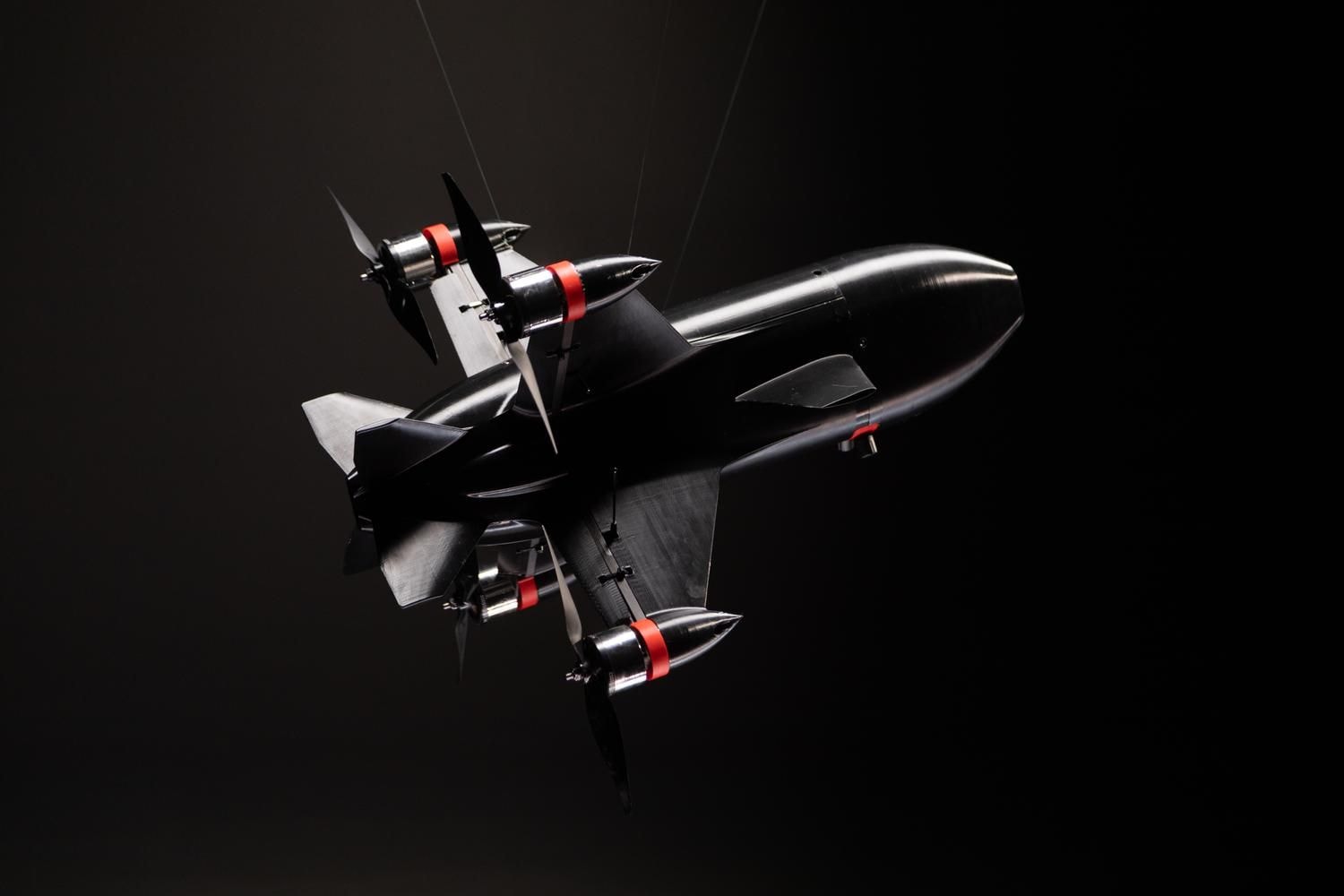
Ukraine's fleet of interceptor drones includes models like TAF Industries' "Octopus," Skyfall’s P1Sun, and a project by former Google CEO Eric Schmidt called Merops.
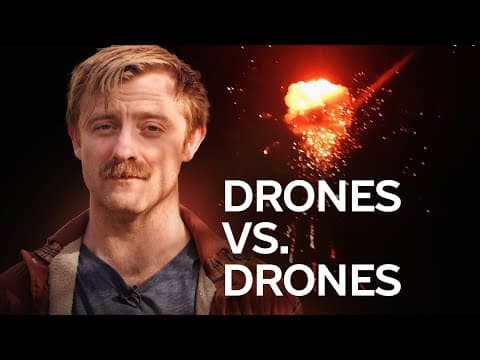
Wild Hornets, which makes the "Sting" interceptor drone, is likely the largest by volume. "Our product is the leader by number of struck targets," a representative for Wild Hornets told the Kyiv Independent, saying that current production is over 10,000 units per month.
As to political decisions to export to the Middle East, "the decision is being made, but we aren’t taking part in the process," the representative, who asked not to be named for security reasons, said.
read also
Martin Fornusek Luca Léry Moffat
Ukraine has tightly controlled its export of weaponry during wartime. The government is especially concerned about letting its interceptor technology slip abroad.
While Ukrainian officials have eagerly touted interceptors as the basis for hoped-for massive deals — especially, PAC-3 missiles from the U.S. — they are extremely reluctant to advertise them. In November, the General Staff ordered military units not to publish photos or videos of their interceptors.
"On the deep tech market, a lot of private manufacturers are seeking to steal the technology, not only to buy or to do a joint venture, but directly," Popov said.
For the Middle East in particular, the concern for Ukraine is the persistent influence of Russia on the region. Saudi Arabia and Russia, for example, just signed a visa-free travel agreement in December.
"There is no direct production on the territory of the Gulf Arab Nations because the region is pretty problematic, because there is a lot of Russian influence and a lot of Iranian influence," Popov said.
But a relative lack of regulation among Gulf nations that makes them open to Russian money also makes them faster to work with arms producers from Ukraine than U.S. or EU militaries.
And militaries eager to reach regional dominance as the U.S. targets regimes like Iran and Syria makes them the most willing to do concrete business with Ukrainian counterparts.
Emirati defense conglomerate Edge earlier this year signed a deal to buy 30% of the equity in Fire Point for $760 million. Fire Point the year prior had shown off its FP-5 "Flamingo" for the first time at a defense conference in Abu Dhabi under the auspices of a British-Emirati firm called Milanion.
Editor's notes: 03/12/2026: The original version of this article referred to Eric Schmidt as a co-founder of Google. He was not a founder, but rather its first CEO, a fact which this article has been updated to reflect.