'Everyone is waiting for spring' — How Kyiv's hardest hit district is coping with no heating
 on Google
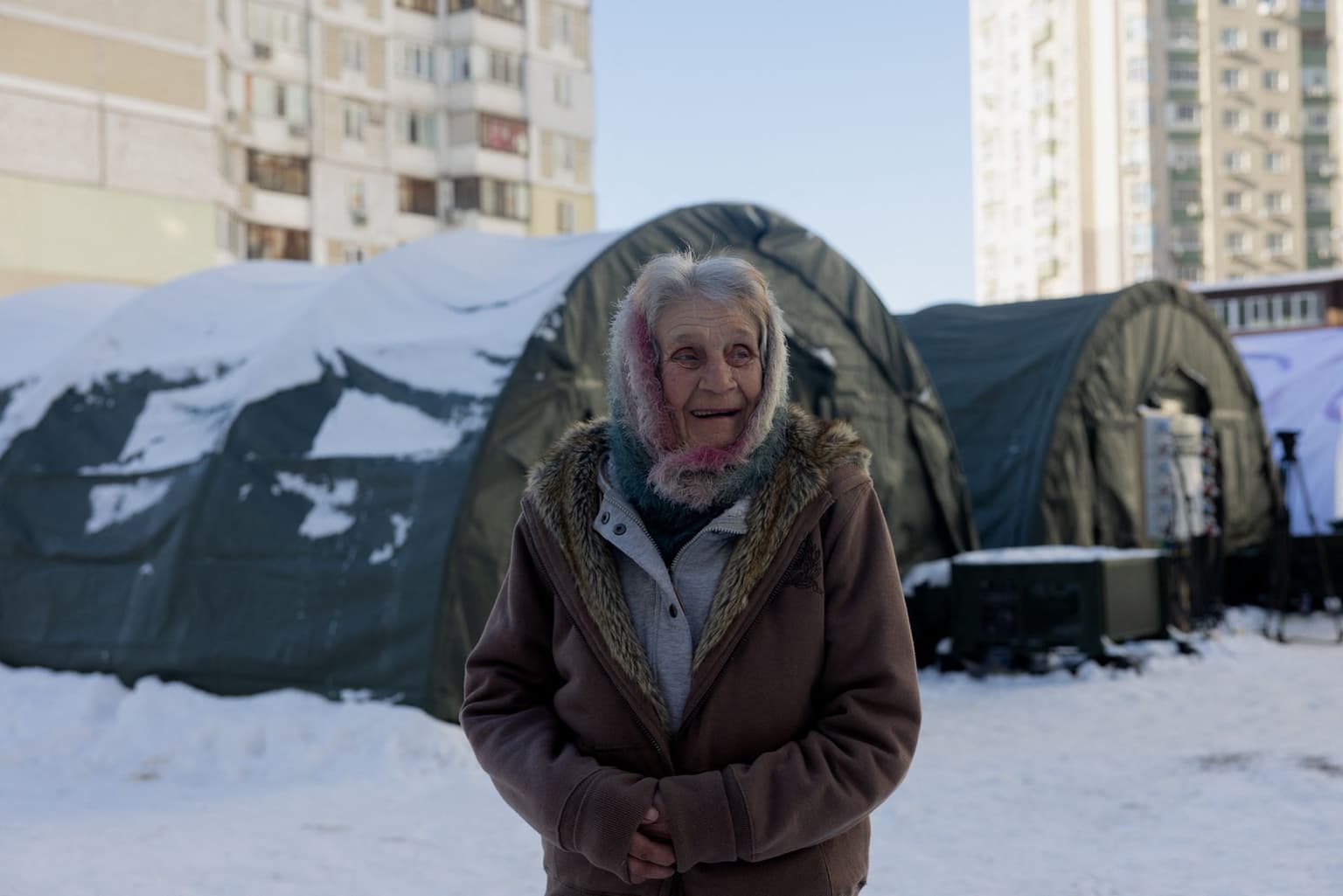
The east bank of Kyiv has been hit hardest by Russia’s latest attacks on the capital’s energy infrastructure, leaving tens of thousands of residents facing much of the winter without central heating as nighttime temperatures drop to -19°Celsius.
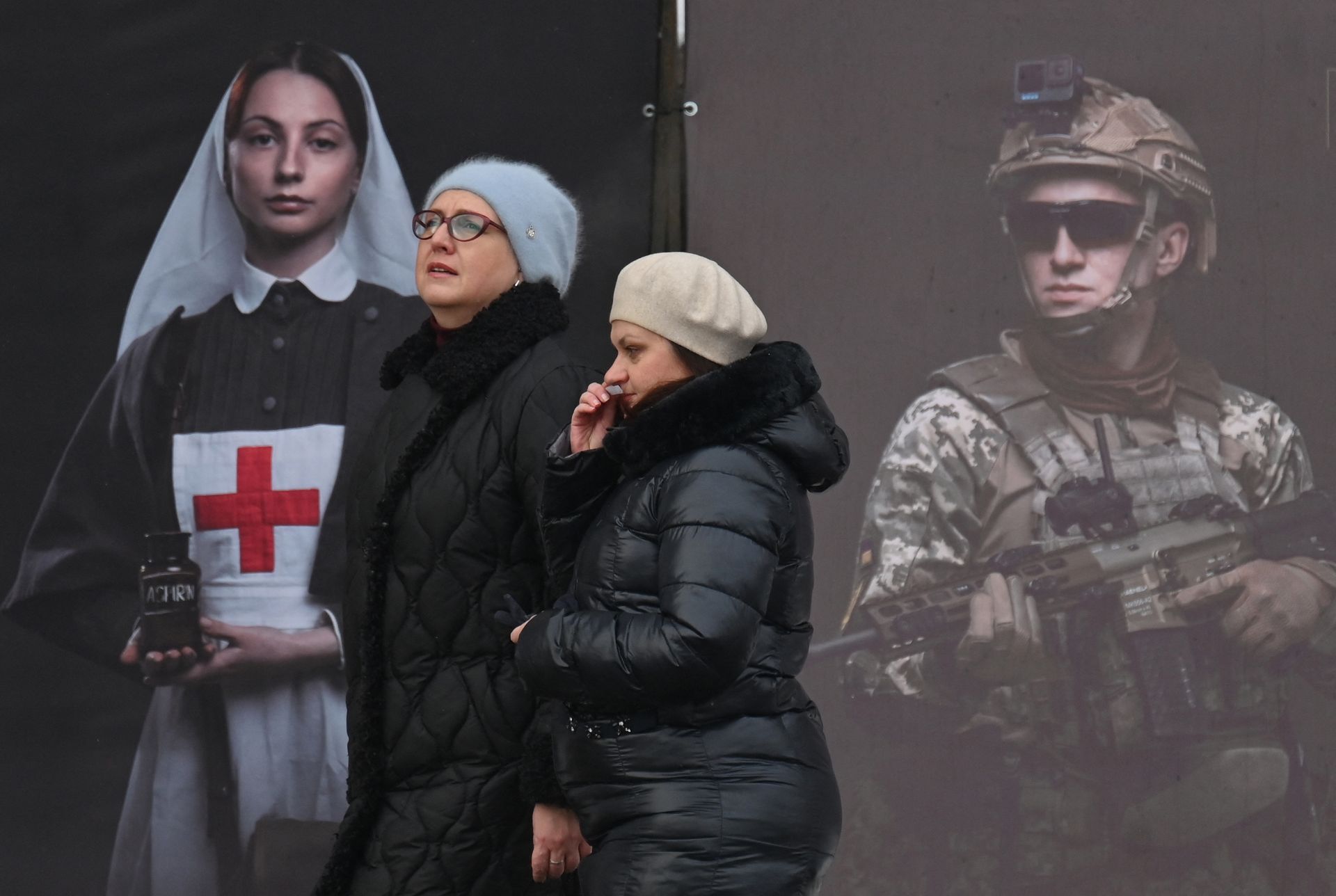
"They destroyed our thermal power plant," 73-year-old Nina Pavlivna told the Kyiv Independent whilst standing bundled against the freezing afternoon air in the Darnitskyi District of the capital.
"We don't know when it will be repaired".
The most severe disruption to heating on Kyiv’s east bank, which Kyivans refer to as left bank, stems from a Russian strike on Feb. 3 that hit the Darnitsya Thermal Power Plant, also known as CHP-4. A subsequent mass attack on Feb. 7 caused emergency power outages nationwide, further straining Ukraine’s energy system.
According to Kyiv Mayor Vitali Klitschko, specialists assessed the site and the prognosis is grim.
"The facility received critical damage, and restoring its systems and equipment will take at least two months," Klitschko said, adding this estimate depends on the absence of further Russian strikes.
Before the attack, the Darnitsya CHP supplied heat to more than 1,100 residential buildings, as well as dozens of schools, kindergartens, and medical facilities in parts of the Darnitskyi District and Dniprovskyi District. Klitschko added that on the morning of Feb. 3, water was drained from heating systems in affected buildings to prevent pipes from freezing.
With no heating expected for weeks, residents on Kyiv’s east bank are settling into makeshift routines to endure the cold.
Outside a neighborhood supermarket in Darnitsya, Oksana, 38, described how her family is coping as she walked her large Rottweiler. "Those who don’t have gas heat themselves with bottles," she said, referring to plastic bottles filled with hot water. "My brother does that. That’s how he manages."
When asked how her dog copes with the cold, she laughed. "Under the blankets," she said. "We huddle together. We warm each other up."
Nearby, Nina Pavlivna shook her head, when asked if she had somewhere else to go. "We have to endure. We are Ukrainians. We have to get through this and win." After a pause, she added quietly: "And I feel so sorry for the boys on the front line."
For families with children, the situation is especially difficult. Anastasiia, 34, who lives nearby and is currently on maternity leave, said residents had been told directly that heating would not return this winter.
"We were told 'that’s it, there will be no heating,'" she said. While electricity supply has slightly improved, water pressure remains a problem, particularly on upper floors. "When the voltage stabilizes a bit, people rush to fill water," she said. "You have to catch the moment."

At its coldest, her apartment dropped to nine degrees Celsius (48.2 degrees Fahrenheit). Now, with electricity available for longer periods, the family uses an electric heater sparingly. "We turn it on mostly because of the child," she said. "If we were alone, we probably wouldn’t."
Leaving Kyiv is not an option, she added. "You’re at home here. Yes, it’s hard, but everywhere has its own problems. We stay."
Maksym, 40, a welder who lives nearby with his wife and young son, said the temperature in their apartment recently rose to 12 degrees Celsius (53.6 degrees Fahrenheit), up from 8 degrees Celsius (46.6 degrees Fahrenheit) the previous week. "No heating, no hot water," he said. "There’s gas in the building, but only cold water."
His mother, he said, heats water in bottles and places them near her feet to keep warm. "They shrink a bit," he said with a smile. "But what can you do?"
Despite the conditions, he remained surprisingly upbeat. "We’re always looking for alternatives," he said. "The problems are bigger than us. There are people higher up who make decisions. We just adapt."
To support residents left without heat, city authorities have opened additional warming centers in affected neighborhoods. According to Klitschko, five round-the-clock heating points connected to mobile boiler units are operating in Darnytskyi District and four in Dniprovskyi District, in addition to those already in place.
Ukraine’s State Emergency Service has also deployed 36 additional warming points in Darnitsya and 27 in Dniprovskyi District.
At the same time, DTEK has introduced more flexible electricity schedules for buildings without heating in the two districts, DTEK officials said, to allow residents to use electric heaters and cook food.
While energy workers prepare for lengthy repair work, residents on Kyiv’s east bank are bracing for weeks of cold ahead, relying on hot water bottles, electric heaters, layered clothing, and patience.
"Everyone is exhausted," Anastasiia said. "People are angry, tired. But we’re holding on. Everyone is waiting for spring."