Ukraine hits another roadblock in its fight to reform the courts
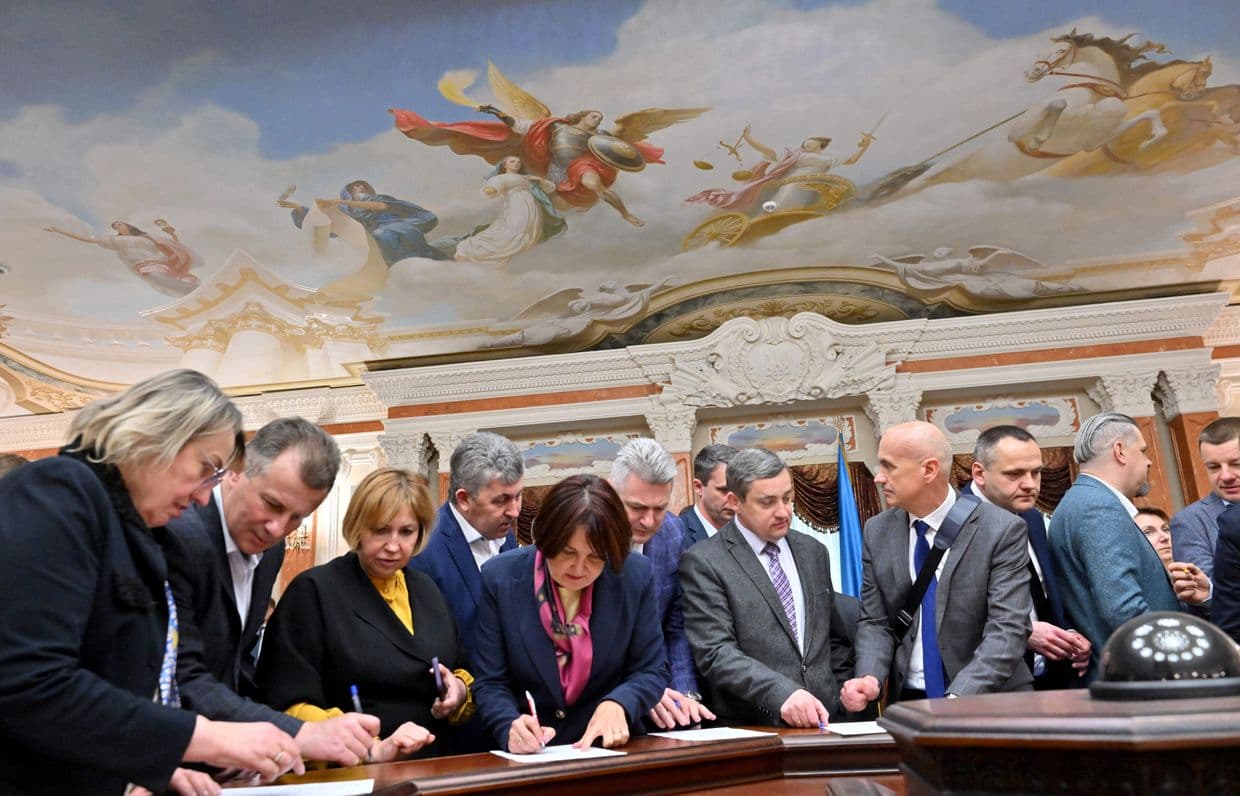
Judges of the Supreme Court of Ukraine sign documents before voting to remove court head Vsevolod Kniaziev during a session in Kyiv, Ukraine, on May 16, 2023. (Sergei Supinsky / AFP / Getty Images)
 on Google
Ukraine has tried, repeatedly, to clean up its courts — each attempt, however, has run into the same roadblocks.
A handful of controversial judges have been dismissed, and some changes have been enacted. But beneath the surface, a powerful clique is digging in its heels, making sure attempts at changing the system are stalled.
The latest reform cycle began in 2022, when the judiciary's two highest bodies — the High Council of Justice and the High Qualification Commission — were re-launched.
Out of the judges recommended for dismissal since 2022, only 25% have been actually fired. And even they have a good chance to be reinstated by the Supreme Court.
The consequences are mounting: stalled reforms are now undermining Ukraine’s EU ambitions. Authorities have shown little urgency in adopting the European Commission’s recommendations on judicial reform.
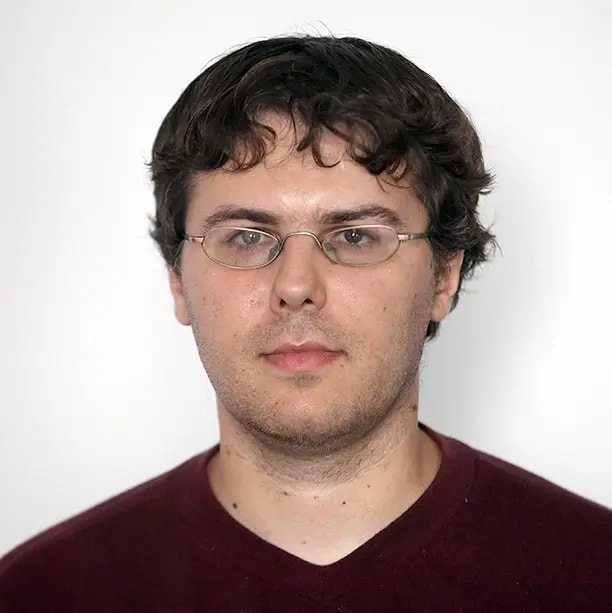
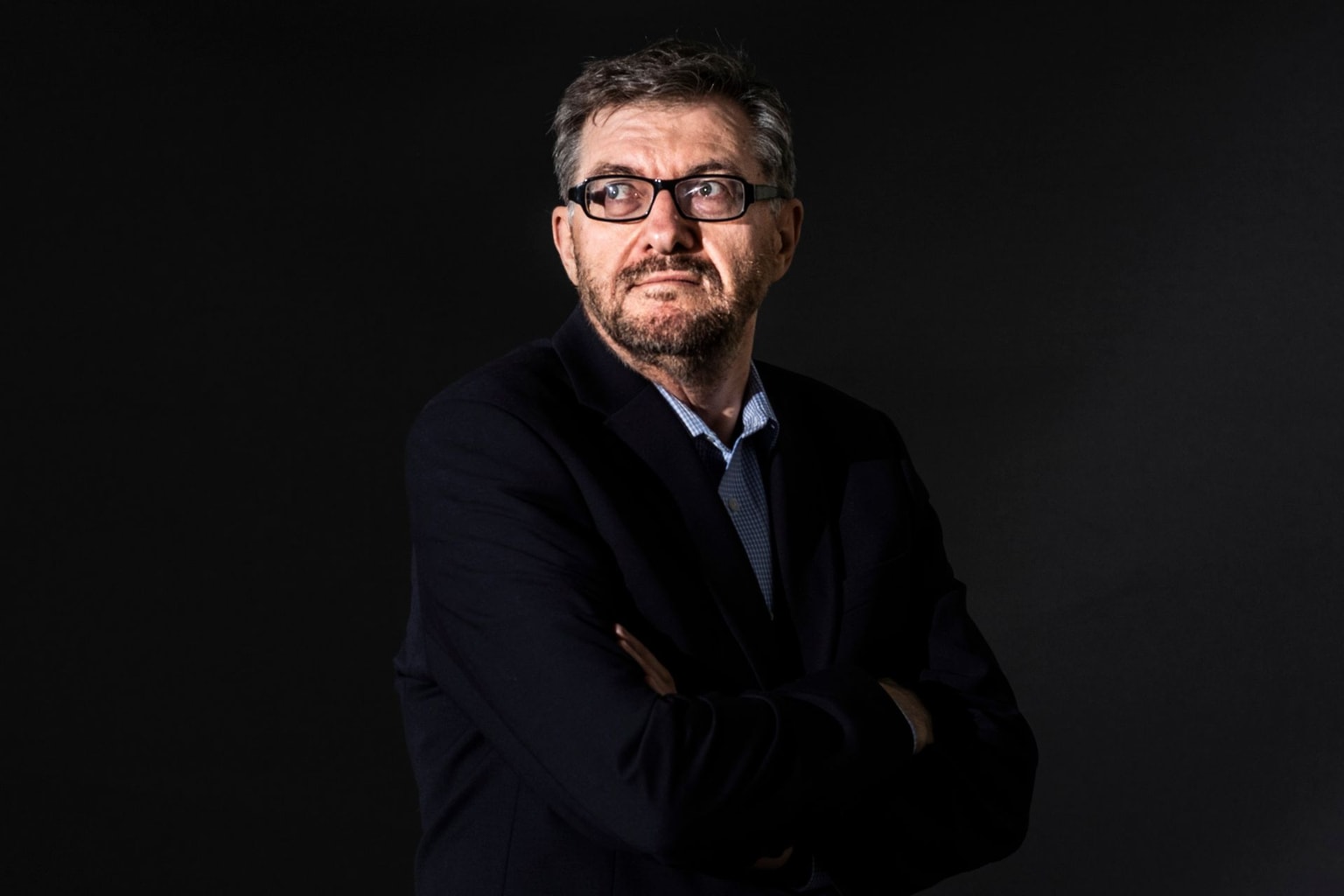
"Initially there was some progress," Mykhailo Zhernakov, head of judicial watchdog Dejure, told the Kyiv Independent. "But the authorities realized soon that it is not beneficial for them and have been dismantling the reforms ever since."
He said that the reform failures are blocking Ukraine's European integration and preventing Kyiv from accessing financial aid under the EU's Ukraine Facility program.
The President's Office, the Supreme Court and the High Council of Justice did not respond to requests for comment.
Questionable vetting
To identify tainted judges, the Ukrainian government has created the Public Integrity Council, an independent watchdog that consists of civil society representatives.
The incumbent High Qualification Commission, which vets judges, has enjoyed a better relationship with the Public Integrity Council than its predecessor.
The problem, however, is that the High Qualification Commission has still often ignored the Public Integrity Council's conclusions. As a result, many judges with dubious reputations have kept their jobs.
From 2023 to 2025, the High Qualification Commission overrode 43% of the Public Integrity Council's vetoes on judges who the watchdog thinks do not meet ethics and integrity standards.
Andriy Pasichnyk, head of the High Qualification Commission, defended his record in an interview with the Kyiv Independent.
“Obviously, this indicates that there may be somewhat different approaches between the Public Integrity Council’s assessment of certain circumstances and that of the members of the commission," he said. "I don’t see any problem in this — these are normal working relations.”
Pasichnyk argued that some controversial judges had been left in their seats because the commission had decided not to choose a "black-and-white" approach to integrity.
"The first option is that there is either a black or a white person," he said. "Either a person is honest, or a person is dishonest... The second approach to this dilemma is to speak about a possible gradation. And the commission chose precisely this path."
Two of the most controversial judges greenlit by the High Qualification Commission have prompted a backlash from the Public Integrity Council and Dejure.
One of them, Maryna Shakhovnina, stripped three protesters of drivers' licenses during the 2013-2014 EuroMaidan Revolution, which ousted pro-Russian President Viktor Yanukovych, when they were bringing aid to protesters. Investigators have found that police officers forged the reports, and one of them is on trial.

Another judge approved by the commission is Olena Patratiy.
In 2019, she and 22 other judges of the now defunct Kyiv District Administrative Court, then headed by notorious Pavlo Vovk, did not show up for vetting at the commission, claiming that they were sick. Tapes published by the National Anti-Corruption Bureau (NABU) revealed efforts by the court's judges to illegally sabotage and block vetting.
Patratiy has also interfered in the system for the distribution of court rulings and issued a number of legally dubious and unlawful decisions in favor of construction and pharmaceutical companies, according to the Public Integrity Council.
Patratiy and Shakhovnina denied the accusations of wrongdoing.

Pasichnyk said he had voted against the two judges but other High Qualification Commission members had supported them.
"That is the essence of a collegial body,” he said. “Everyone votes independently, and everyone bears personal responsibility for the decisions they make."
Lack of will
At the next stage, tainted judges are supposed to be fired by the High Council of Justice, the judiciary's highest governing body.
But the council is reluctant to fire judges.
Since 2022, the High Qualification Commission has recommended firing 63 judges. The High Council of Justice has fired only 16 judges, refused to fire 10 and has not made any decisions on the rest.
A top judicial official told the Kyiv Independent that the High Council of Justice does not want to fire most of the tainted judges because it is waiting for Supreme Court rulings on them. The official believes, however, that this approach is unjustified.
The official spoke on condition of anonymity because he is not authorized to speak to the press.
read also
 Oleg Sukhov
 Oleg Sukhov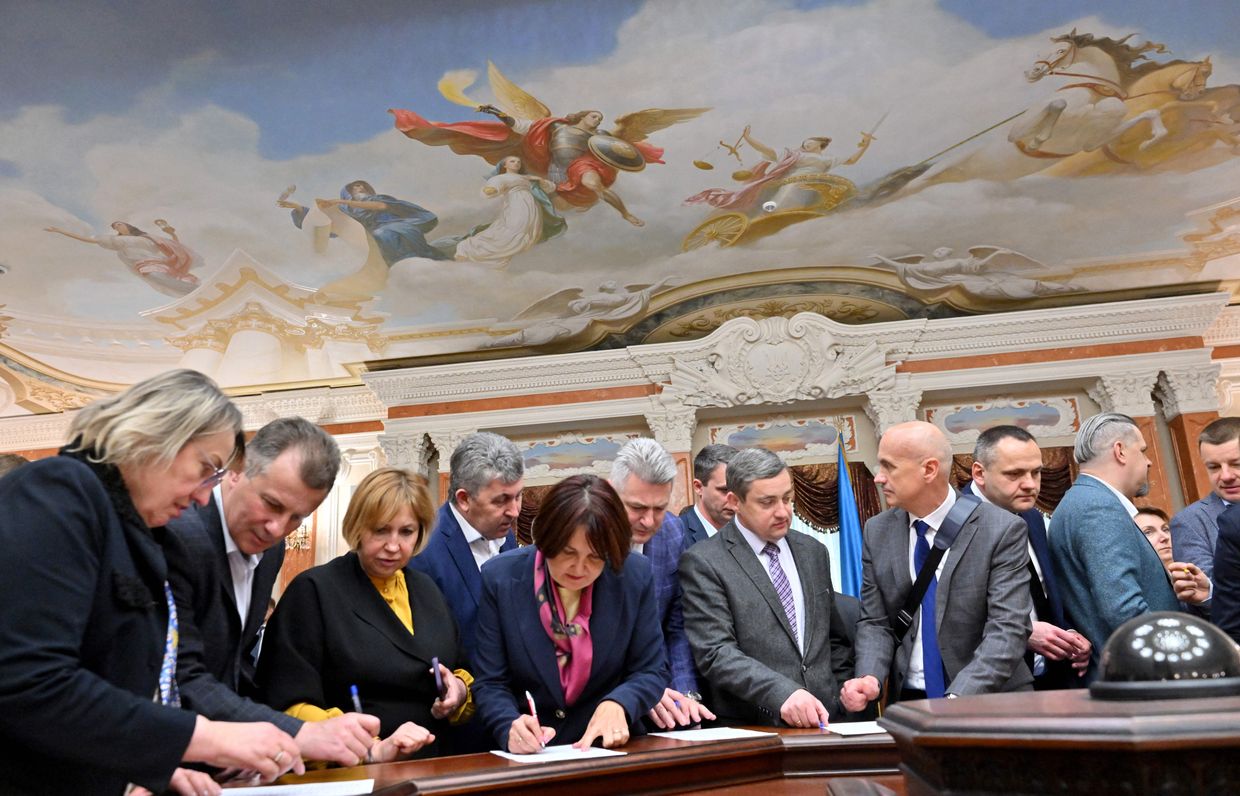
Helping hand from Supreme Court
The Supreme Court has reinstated many tainted judges vetted and fired by the High Qualification Commission and the High Council of Justice.
"The High Qualification Commission is actually the most progressive,” Anton Zelinsky, an expert at Dejure and a member of the Public Integrity Council, told the Kyiv Independent. “The High Council of Justice still rejects some of the (dismissal) submissions. And in the Supreme Court, the situation is even worse."
In December 2025, the Supreme Court used procedural grounds to reinstate highly controversial judge Inna Otrosh after she was fired by the High Council of Justice.
Otrosh could not explain how she acquired her assets and did not present any proof, according to the Public Integrity Council.
Moreover, she regularly visited Russian-occupied Crimea and Russia between 2014 and 2019. She denied the accusations of wrongdoing.
One of the controversies is that, to save Otrosh, the Supreme Court ignored its own previous ruling against her.
"In the Otrosh case, the situation is simply outrageous," said the top judicial official who spoke on condition of anonymity. "The Supreme Court clearly twisted the legal provision here, completely distorted the logic — in my view, this is an entirely unlawful decision."
The Supreme Court will also hear the case of Ukraine's most controversial judge Pavlo Vovk, former head of the now defunct Kyiv District Administrative Court, on April 9. Anti-corruption activists and judicial experts, including Dejure, believe Vovk is highly likely to be reinstated.
Vovk has become a symbol of injustice, lawlessness, and impunity in Ukraine. He and other judges of his court have been charged with usurpation of power, obstruction of justice, organized crime, and abuse of authority.
The corruption case against Vovk has been heard by the High Anti-Corruption Court since 2022, but little progress has been made. Zhernakov told the Kyiv Independent that the case is being delayed and may be closed due to the statute of limitations.
Zelensky signed a bill to liquidate the Kyiv District Administrative Court in 2022, and Vovk was eventually fired by the High Council of Justice in March 2025.
Procedural chaos
Apart from reinstating individual judges, the Supreme Court is also introducing procedural hurdles that make it harder to fire tainted judges.
In 2024, the Supreme Court issued a ruling that allowed judge Vitaliy Usatyi, who had been vetoed by the Public Integrity Council, to keep working without being vetted. The court claimed that the Public Integrity Council did not have the right to take part in the vetting procedure.
The ruling also potentially opened the way to greenlight another 180 judges vetoed by the Public Integrity Council since the council’s inception because the Supreme Court believes the watchdog had no right to participate in their vetting either.
"For seven years, the Supreme Court had upheld a different position," the top judicial official said. "Then, in the Usatyi case, it made a U-turn and adopted a groundless position, without arguments or proper reasoning, and overturned the case."
In February, the Supreme Court issued the opposite decision on another judge's motion, which seemingly means that the Public Integrity Council had the right to participate in the vetting process.
However, it is not clear what the consequences will be. Zelinsky believes that the Supreme Court is considering these motions on a case-by-case basis, and it may change its position again in the future.
Supreme Court reform
Dejure believes that the Supreme Court's questionable decisions stem from its lack of integrity.
Of the incumbent Supreme Court judges, 22.2% were vetoed by the Public Integrity Council as not meeting integrity and ethics standards from 2016 to 2017, when the current court was created.
However, the High Qualification Commission overrode the Public Integrity Council's vetoes at the time, allowing judges with a seemingly questionable reputation to get Supreme Court jobs.
One of the apparent results of the botched reform was the scandal around then Supreme Court Deputy Chairman Bohdan Lvov, who was fired in 2022 due to his Russian citizenship.
Another result of the reform failure was a $2.7 million bribe taken by then Supreme Court Chairman Vsevolod Knyazev in 2023, according to the NABU. He was charged in a high-profile corruption case and fired.

As part of Ukraine's European integration, Brussels has demanded that international experts participate in checking the integrity of incumbent Supreme Court judges and firing them if they do not meet ethics standards.
However, the Ukrainian government has so far failed to meet this condition.
"With this quality of judges and law enforcement agencies, nobody will vote for our (EU accession),” Zhernakov said.