TORTURE CULTURE: Investigating Russia’s use of torture throughout history

Watch documentary now

Team

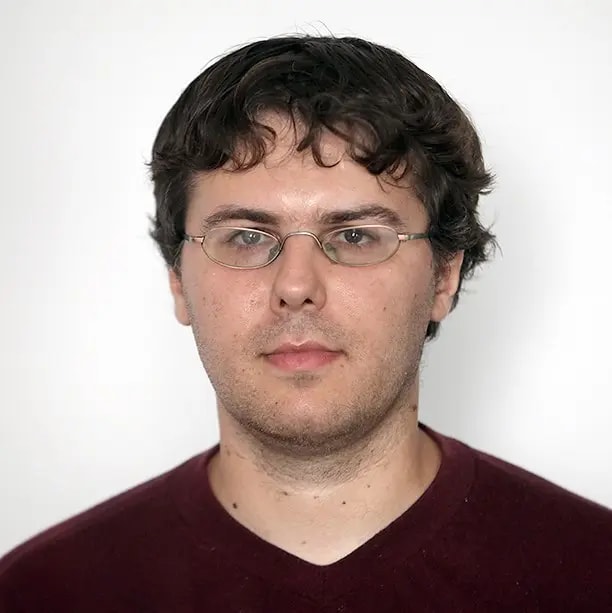
Oleg Sukhov photo

Oleg Sukhov

Reporter

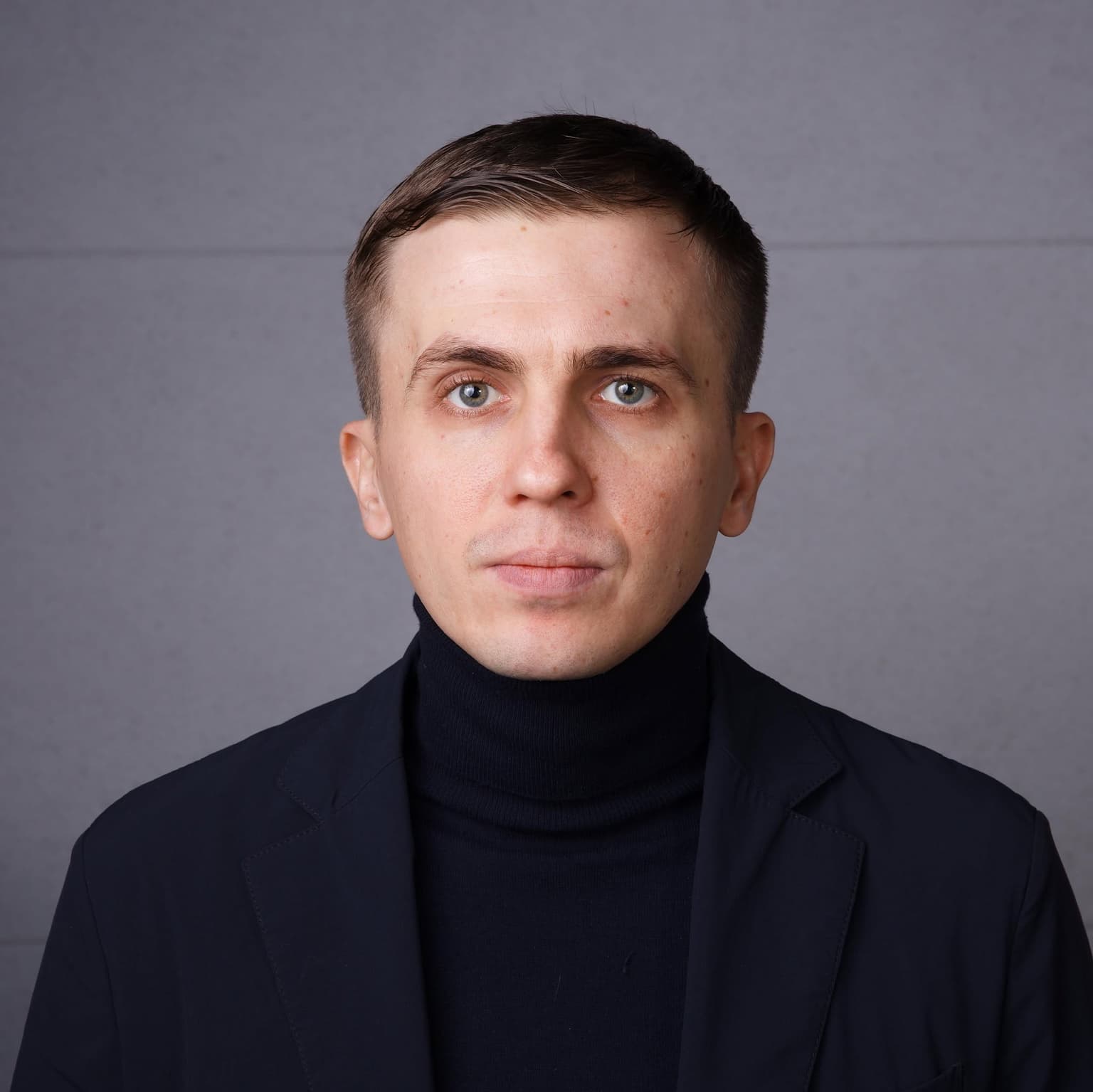
Oleg Sukhov is a reporter at the Kyiv Independent. He is a former editor and reporter at the Moscow Times. He has a master's degree in history from the Moscow State University. He moved to Ukraine in 2014 due to the crackdown on independent media in Russia and covered war, corruption, reforms and law enforcement for the Kyiv Post.

For media & speaking inquiries:
press@kyivindependent.com

Articles

Russian opposition leader Alexei Navalny in Moscow, Russia, on Sept. 29, 2019.

What does Navalny’s murder confirmation mean for Russia, Ukraine and the West?

by Oleg Sukhov
The effective confirmation by five European countries that Russia did kill opposition leader Alexei Navalny in 2024 did not surprise those familiar with the Kremlin's track record. But the Feb. 14 statement, which blames Russia for the murder and specifies the kind of poison used, represents a new milestone in the deterioration in Russian-European relations. Previously European countries were more reluctant to antagonize Russia. But Russia's war of aggression against Ukraine and Kremlin-linked

Epstein's Russia connections, explained

by Tim Zadorozhnyy, Oleg Sukhov
Polish Prime Minister Donald Tusk became the first high-ranking official to ask the question on everyone’s mind on Feb. 4 — Was convicted sex offender Jeffrey Epstein working with Russia? He added that Poland would investigate possible links between Epstein and Russian intelligence services. The latest batch of Epstein-related documents, released on Jan. 30, mentions Russia 5,876 times and Russian President Vladimir Putin 1,055 times. The files show that Epstein cultivated relationships with
U.S. President Donald Trump in the Oval Office of the White House in Washington, D.C., U.S. on Feb. 3, 2026.

Kyiv groans a collective ‘WTF?’ to Trump’s latest Putin comments

U.S. President Donald Trump's claim that his Russian counterpart "kept his word" by not launching mass missile and drone strikes against Ukraine's energy infrastructure for a week has been met with bewilderment and dismay in Kyiv. "I believe this is either a mockery of our misfortune, a lack of understanding of the situation, or wishful thinking," Volodymyr Ariev, a lawmaker from the opposition European Solidarity party, told the Kyiv Independent. The confusing saga of a supposed truce on stri

How Ukraine appears in the latest Epstein files

The U.S. Department of Justice on Jan. 30 published over 3 million documents in accordance with the Epstein Files Transparency Act. Some of them had a direct connection to Ukraine. The files linked to late financier and convicted sex offender Jeffrey Epstein include email conversations with at least two modeling agencies in Ukraine, travel arrangements for women from Kyiv and Odesa, booking arrangements in the Hyatt hotel in downtown Kyiv allegedly involving the hotel's owner, a plan to purcha
Russia’s President Vladimir Putin in Moscow on Jan. 21, 2026.

The illusion of a ceasefire in Ukraine

Under immense pressure by weeks of Russian missile strikes, blackouts, and freezing cold, Ukrainians may get a few days of reprieve — at least, according to Washington. Trump surprisingly announced on Jan. 29 that Russian President Vladimir Putin agreed not to strike Ukrainian cities for a week, though Moscow said that this would concern only Kyiv, and last only until Feb. 1 — just before another cold snap. The halt on strikes — provided it would be prolonged — could indicate Russia is feeling
Protesters burn images of Iran’s Supreme Leader Ayatollah Ali Khamenei in central London, U.K., on Jan. 11, 2026.

With Iran's uprising suppressed, Trump signals that military strikes are back on the table

by Oleg Sukhov
U.S. President Donald Trump issued another ultimatum to Iran on Jan. 28, threatening to strike the regime if it does not agree to a deal on limiting its nuclear weapons program. Earlier in January, Iran was rocked by nationwide protests fueled by high inflation and the sharp depreciation of the Iranian rial. The protests quickly took a political turn, with demonstrators calling for the removal of Supreme Leader Ayatollah Ali Khamenei. The scale of the unrest was unusually broad, with demonstra