What to do if you spot an Iranian Shahed drone
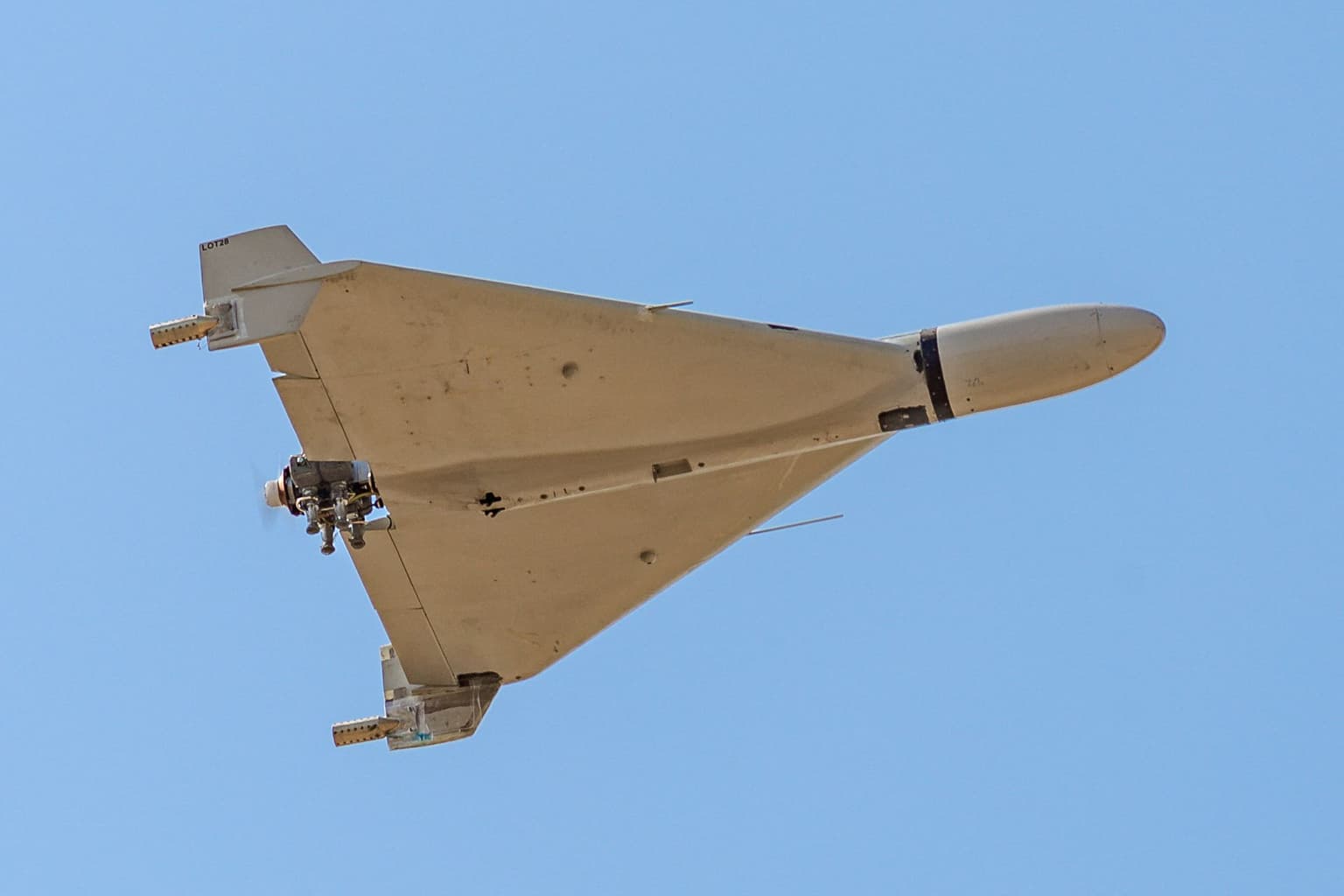
An Iranian-made Shahed-136 “kamikaze” drone flies over Kermanshah, Iran, on March 7, 2024. (Anonymous / Middle East Images / AFP via Getty Images)
 on Google
A feeling familiar to millions of Ukrainians was suddenly experienced across the Middle East over the weekend — the terror caused by Shahed drones flying overhead and smashing into buildings.
Footage flooded social media as Iran launched drones and missiles in retaliatory strikes in response to the U.S.-Israeli bombardment that began on Feb. 28.
"Welcome to the club, guys," Vladislav Vlasiuk, the Ukrainian president's representative on sanctions policy, told the Kyiv Independent when asked what his first reaction was when he saw videos of Shahed drones hitting Dubai.
"But on a serious note, I must say that this is very concerning," he added.
The resigned reaction of Vlasiuk is understandable — Ukraine has been warning of the threat not just from Shaheds, but ever-increasing Russian-Iranian cooperation, for years, calling for stricter sanctions to deprive both countries of the many Western-made components that are still used in the production of Russian and Iranian drones.

That wake-up call appears to have finally arrived over the weekend, in the form of more than 1,000 drones targeting Iran's Gulf neighbours, hitting hotels, residential buildings, and both U.S. and U.K. military bases.
"We've been battling for years to prevent these items from getting to Russia," Vlasiuk said. "And now I think that there must be much more actions taken by more, much more countries."
How big is a Shahed drone and how far can it fly?
For most people fortunate enough not to encounter one in real life, their frame of reference for a drone is a typical quadcopter, the size of which can usually be measured in tens of centimeters.
But long-range attack drones like the Shahed are in a league of their own and are, in comparison to their quadcopter counterparts, absolutely massive.

A Shahed may have been used in an Iranian attack on an Israeli tanker in 2012, but the first definitive mass use in combat were those deployed by Russia against Ukrainian cities in 2022.
These relatively cheap, long-range drones, sometimes described as "kamikaze drones," are programmed to fly directly toward a target and detonate upon impact.
Russia now domestically produces its own Shahed drones, which it calls Geran, and while Moscow has made several improvements and modifications, the basic silhouettes are identical.
The Shahed-131 is around 2.6 meters long with a wingspan of 2.2 meters, and a range of around 900 kilometers.
But even this is dwarfed by Shahed-136, which is 3.5 meters long with a wingspan of 2.5 meters. It is this type that has been striking targets across the Middle East and Cyprus.
Iran appears to have deployed the basic, propeller-driven version of the Shahed, which is reported to have a range of 2,000 kilometers, a relatively slow maximum speed of 185 km/h, and a standard 50-kilogram warhead.

What does a Shahed drone look and sound like?
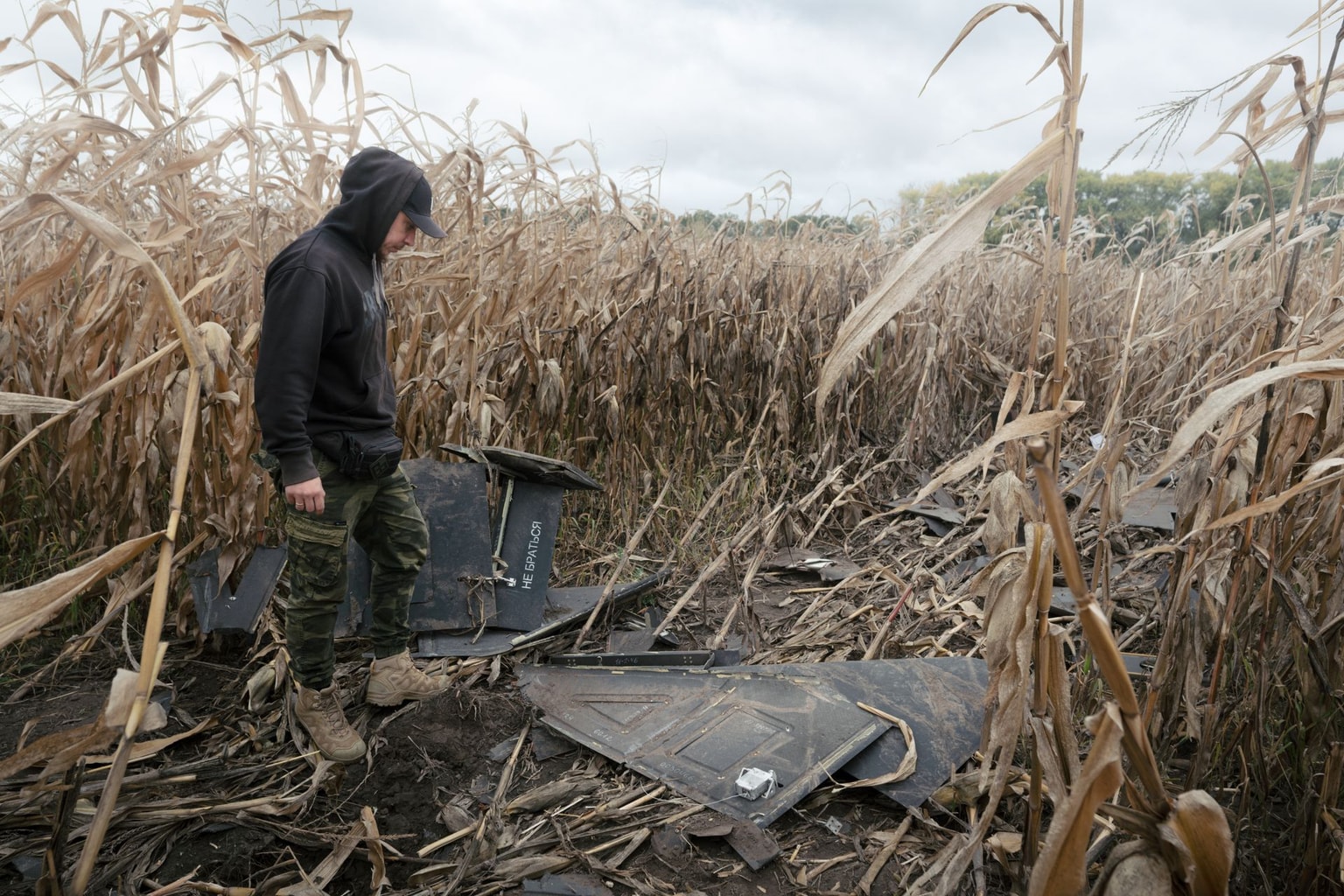
A Shahed drone has a distinct triangular shape and narrow, straight wings. At the back, there's a small propeller engine which gives off a shrill buzz, a sound often compared to a moped or chainsaw.
It's this sound that makes them not only a weapon of destruction, but also one of psychological warfare.
During mass attacks, the night air over Ukrainian cities is often filled with the buzz of these drones. People are attuned to listening to the rise and fall in tone, which indicates if they are speeding up or slowing down, or climbing into the air or descending lower.
On their final descent before they slam into their targets, the buzz increases dramatically in both volume and pitch, reminiscent of German Stuka dive bombers during World War 2.

What to do if you see a Shahed drone
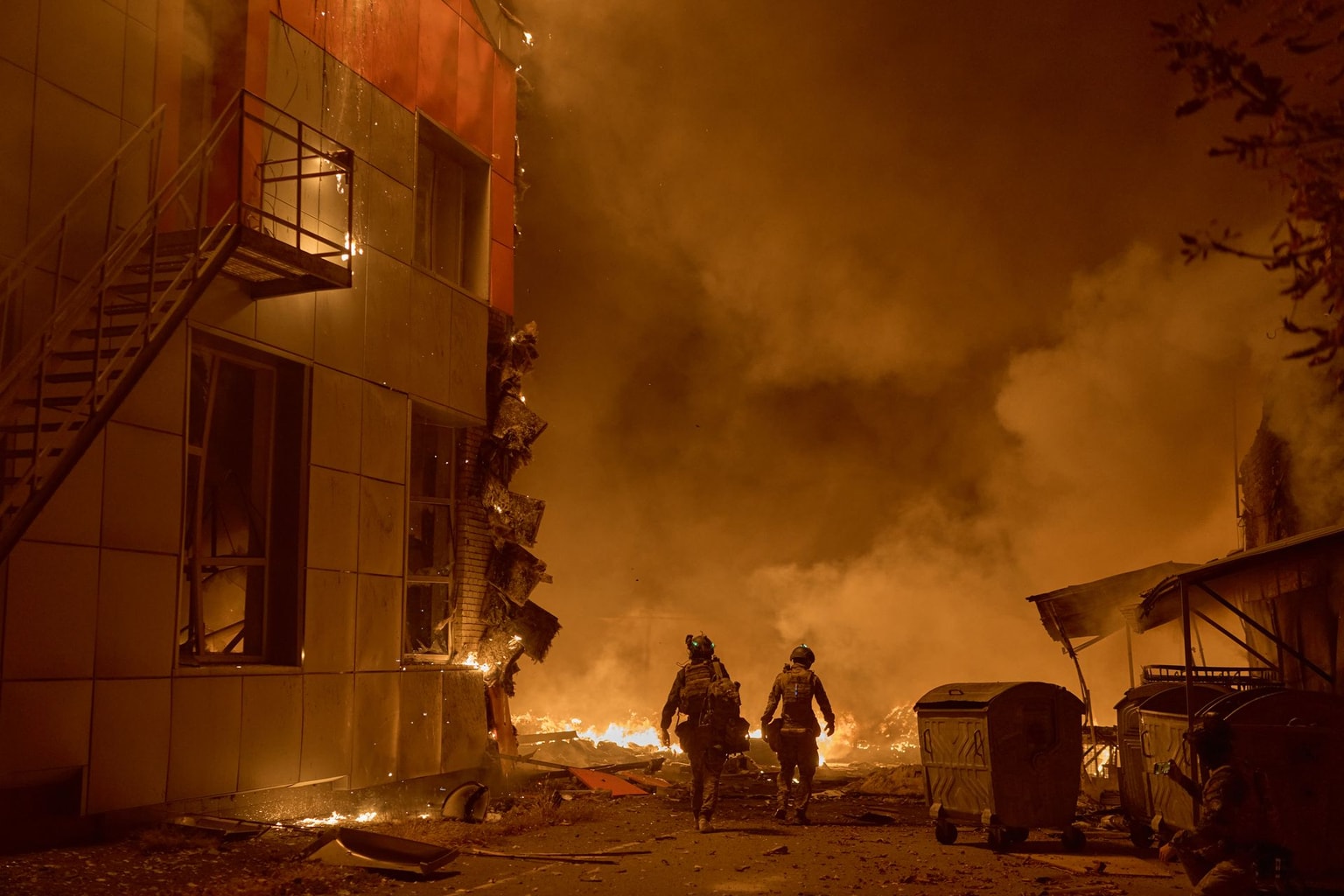
The first thing to know is if you're in a high-rise building and you see or hear a Shahed drone, don't go to the window to film it because this might happen.
The second thing to know is if you can make it to an actual bomb shelter or underground, do so, this will offer the best protection — but don't risk walking or running long distances out in the open if they're already in the immediate vicinity.
If you're indoors and you spot a Shahed, immediately move away from windows and go to a room with at least two walls between you and outside — three is even better.
Shaheds often fly low over cities, particularly on their final approach to a target, so if you're in a high-rise building, consider moving to a lower floor. A stairwell, if in the center of a tower, can be a suitable place to shelter as the surrounding structure offers protection.
One of the main sources of injuries inside buildings when explosions occur is being struck by broken glass so a windowless room is ideal. A bathtub can offer extra protection but be conscious of things like large mirrors or glass shower screens.
While footage of Shaheds hitting buildings and exploding are terrifying, its 50 kilogram warhead is relatively small compared to cruise and ballistic missiles, which can carry warheads in 100s and even 1,000s of kilograms.
Whereas a missile can demolish an entire building, the blast from a 50 kilogram warhead that detonates against an outer wall is enough to damage the facade and room it hits, but two or three walls should be enough to protect you.
Can Shahed drones be stopped?
Iran's attacks over the weekend have underscored a sobering new reality — drone warfare has gone global and is here to stay.
The U.S. also deployed its own Shahed knockoffs called LUCAS. "The first hours of the operation included precision munitions launched from air, land, and sea (and)... employed low-cost one-way attack drones for the first time in combat," U.S. Central Command said on Feb. 28.
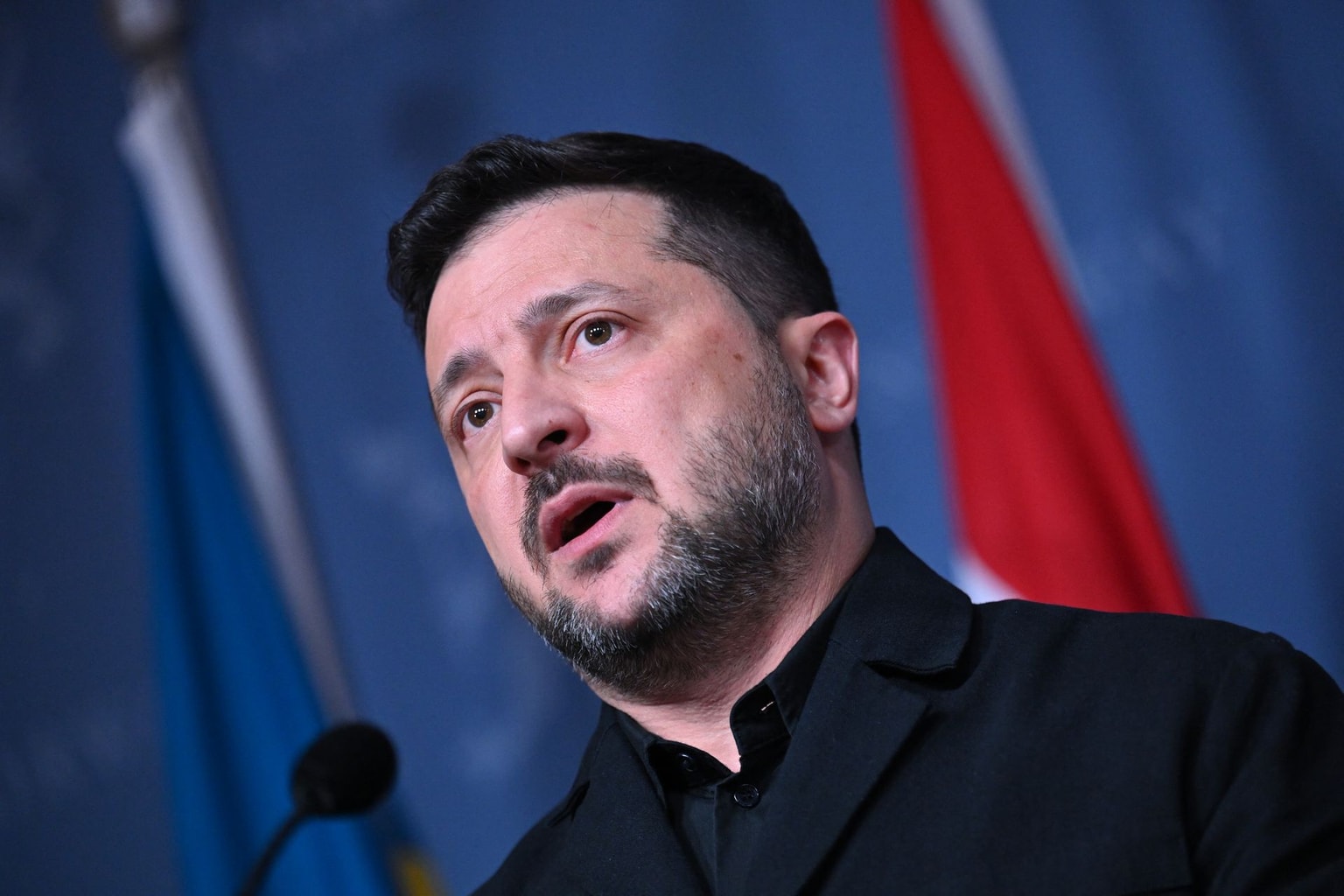
But no one has more experience in stopping Shahed-type drones than Ukraine — President Volodymyr Zelensky has already offered to send experts to allied countries in order to share expertise, adding that "everyone now sees that our experience in defense is largely irreplaceable."

There is also the supply chain, which still relies on Western components.
"I would say that this is not too late now, but we have to really, really engage in this issue," Vlasiuk said.
"Export controls, sanction enforcement, the manufacturers' compliance, the financial institutions' compliance, anything can help."