'The Russians took our dead ones away' — 5 things we lost in Pokrovsk
 on Google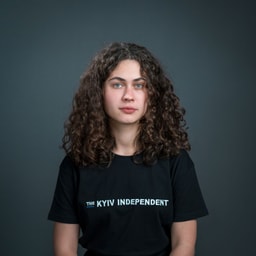
Maria Kharchevna, a 25-year-old dentist, describes Pokrovsk as a small, cozy town surrounded by endless fields.
"For me, it is associated with the very warm evenings in May, the scent of lilacs and wildflowers. It is eternal youth and carelessness," she told the Kyiv Independent. "At the same time, it is an industrial city where thousands of miners and farmers work tirelessly."
The Ukrainian city of Pokrovsk is now the site of some of the fiercest fighting of Russia's war against Ukraine. Once a key logistics hub for Ukrainian forces, it has become the focus of a long and bloody Russian offensive.
Capturing Pokrovsk would give Russia a springboard toward Kramatorsk and Sloviansk, two of the largest remaining Ukrainian-held cities in Donetsk Oblast, and Ukraine has said more than 150,000 Russian troops are concentrated on this axis.
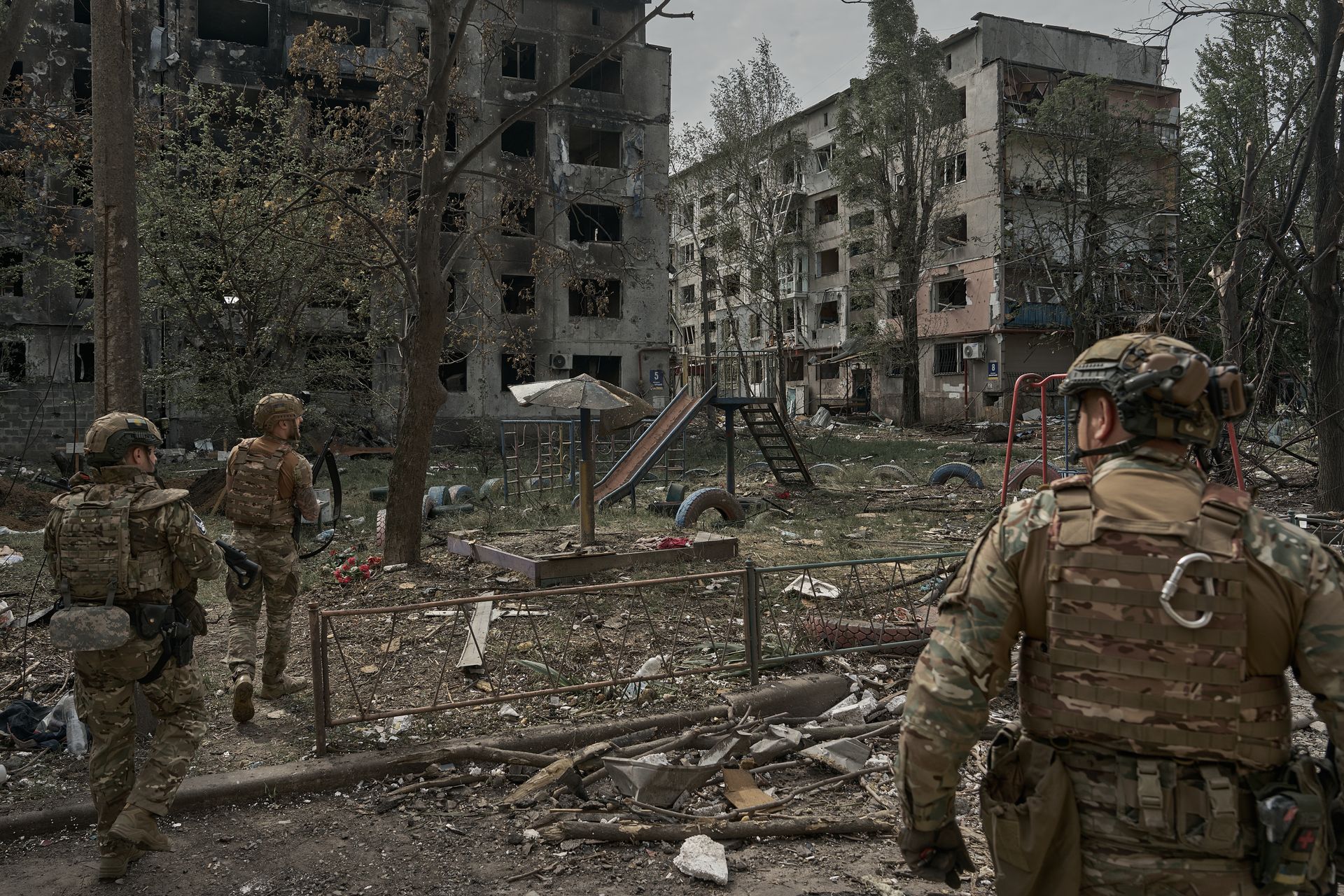
Russian troops control most of Pokrovsk, including the center, and claim to have taken the city, but Ukrainian commanders say their forces have maintained control of its northern districts and recaptured around 16 square kilometers (9.9 square miles), even as months of Russian bombardment have left the city in ruins.
For those who grew up there, the Pokrovsk they now see on the news is almost unrecognizable.
"Every time I see photos of my war-torn city, I feel immense pain, even physical at times. All memories of my childhood seem like a dream, as if it never really happened and I made it all up," Kharchevna said. "Russia destroyed not just residential buildings, but people's lives, hopes, and plans for the future."
While the city is being destroyed by Russian forces, former residents of Pokrovsk look back on the years between 2014 and Russia's full-scale invasion to share their bittersweet memories about their city.

Spoil tips – Donbas mountains
Daria Polonska
Before the full-scale invasion, more than 60,000 people lived in Pokrovsk. It was a key Ukrainian logistics hub tucked away in what was then a relatively quiet part of Donetsk Oblast.
In 2014, when the war in the east of Ukraine began, many Pokrovsk residents were worried about what would happen next, but that didn't stop the city's rapid growth.
Daria Polonska, 29, told the Kyiv Independent that before the full-scale invasion, new businesses were popping up all over the city — beauty salons, restaurants, and clinics and hospitals.
"Pokrovsk tried to be the best of the best until the very end."
Even after the full-scale war began, "people did their utmost to make the city better" amid regular missile attacks. After attacks, city workers were quick to make repairs, while doctors "did the impossible" to save and stabilize the wounded. Even as Russian forces approached, residents kept the streets clean and businesses running.
"When the city was 17 kilometers from the front line, Ukrainian soldiers joked about the possibility of buying sweet strawberries, exotic fruits, and a dozen types of shrimp at a local market in winter," Polonska said.

Polonska evacuated from Pokrovsk on Sept. 3, 2024, when it became unbearable to live there. Her thoughts, however, often return to the places she left behind.
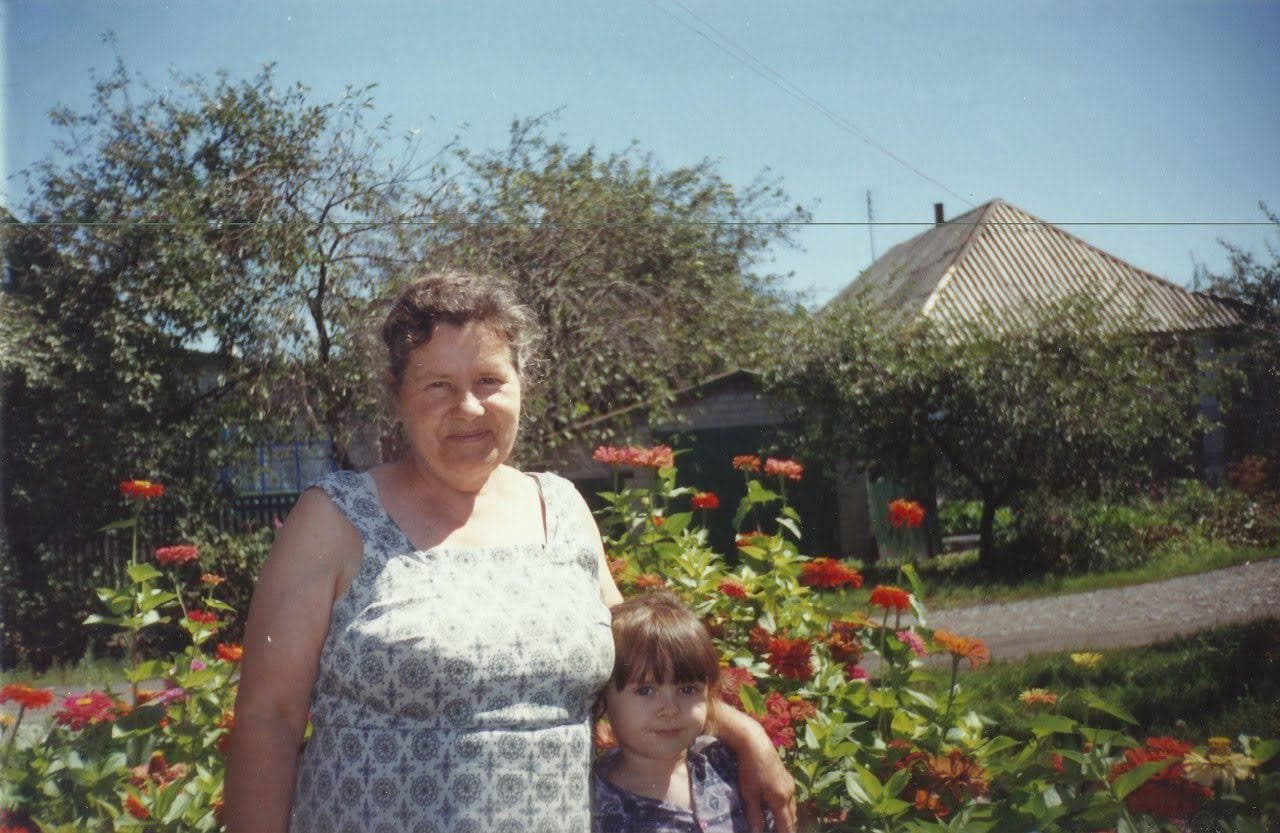
"My family had a dacha (summer house) near the Zelenivsky spoil tip, and I used to play there without even realising that one day I would be willing to give anything to see it again."
Two months prior to the evacuation, her family buried a relative who was killed by a Russian missile at his workplace, an incident she describes as "the point of no return."
"I lost a loved one because of the war, and I lost my home because of the war. And I can say that these feelings are very similar. You feel grief so deep that you want to climb the walls."
Mines and community
Daria Korkh
Daria Korkh, a 40-year-old activist and animal volunteer, described Pokrovsk as a city of miners.
"I come from a mining family; my father worked in the mines there for 30 years. I am very proud of Donbas because we knew how to work, how to earn money," Korkh said.
When the full-scale war began, Korkh and her husband also provided Pokrovsk residents with medicines and humanitarian aid. Now her husband serves in the Ukrainian army.
"Together with my husband, we had just built our dream house with solar panels, and now there is nothing left of it. He had a good job, was a skilled professional, and had the opportunity to avoid going to war. But after what happened in Pokrovsk, he decided to join the army."

Korkh had an animal shelter in Pokrovsk, but was forced to relocate it to Cherkasy Oblast, central Ukraine, due to the intensification of hostilities. They also helped their neighbours and friends to relocate.
"We looked for houses for our friends nearby, and helped five more families move to Cherkasy Oblast. It's great to have your own people around, a little easier emotionally."
But still she says she has to force herself to go on living, because she is not at home. The hardest thing for Korkh is that she is not able to visit the graves of her relatives in Pokrovsk.
"My mum died during the war. It hurts me that I cannot visit her grave," she said.
"Russians took our dead ones away."
Legendary shopping mall
Soldiers Oleksiy Nazarenko and 'Architect'
Before the active battles in the city, Pokrovsk was known among soldiers and volunteers as a meeting point and a place for rest. Soldiers returning from the frontlines further east could receive a wide range of services, from a new haircut to a tasty borsch.
Oleksiy Nazarenko, a former infantryman of the 47th Separate Mechanised Brigade 'Magura,' spent some time recovering from combat injuries in Pokrovsk in 2023-2024. One of the most popular places among soldiers was the Bulvar shopping mall.


"Bulvar was a place where soldiers would meet, talk, eat, share news, and go on with their business. You could meet soldiers from different brigades there," Nazarenko said.
The mall was hit and destroyed by a Russian strike in 2024.
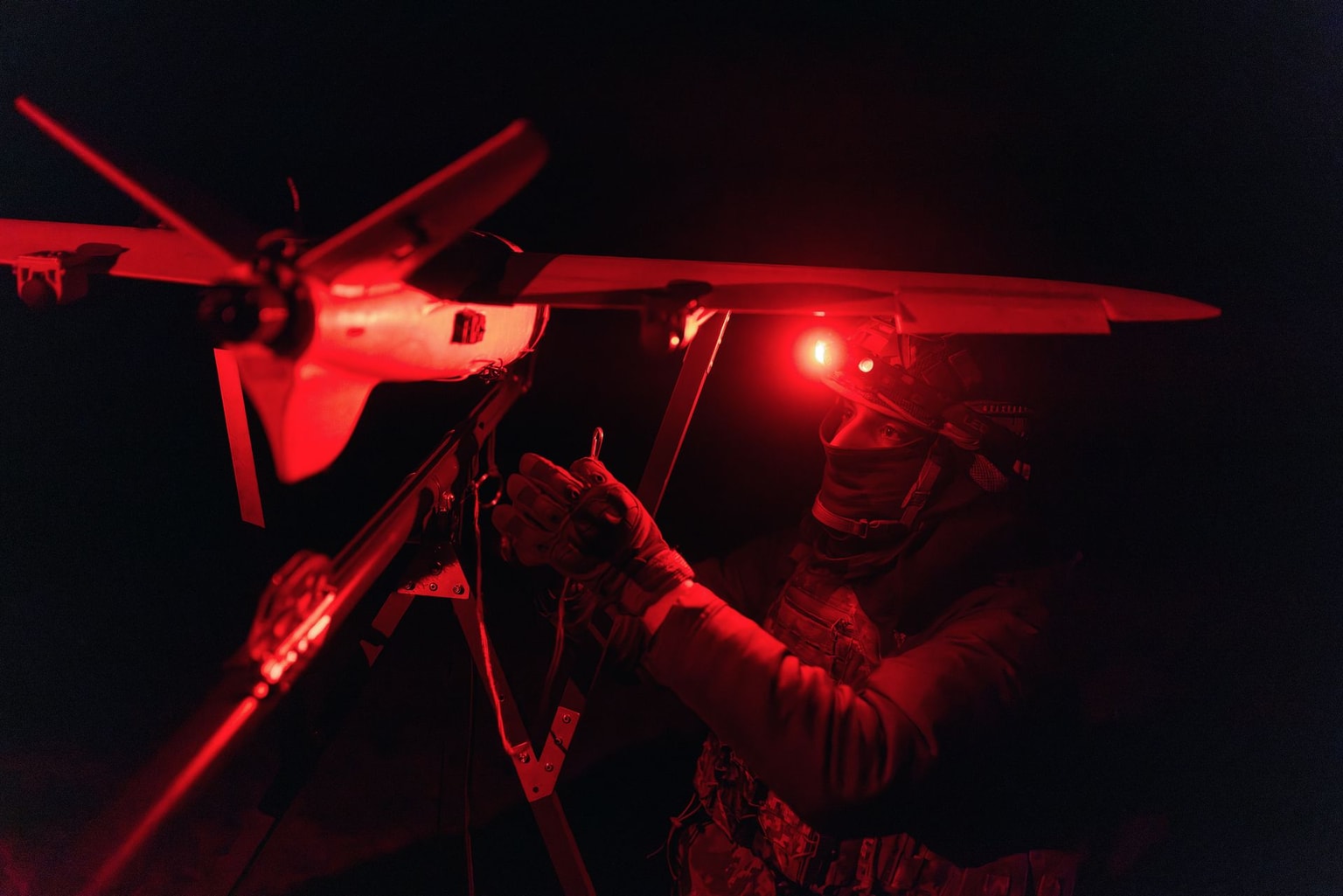
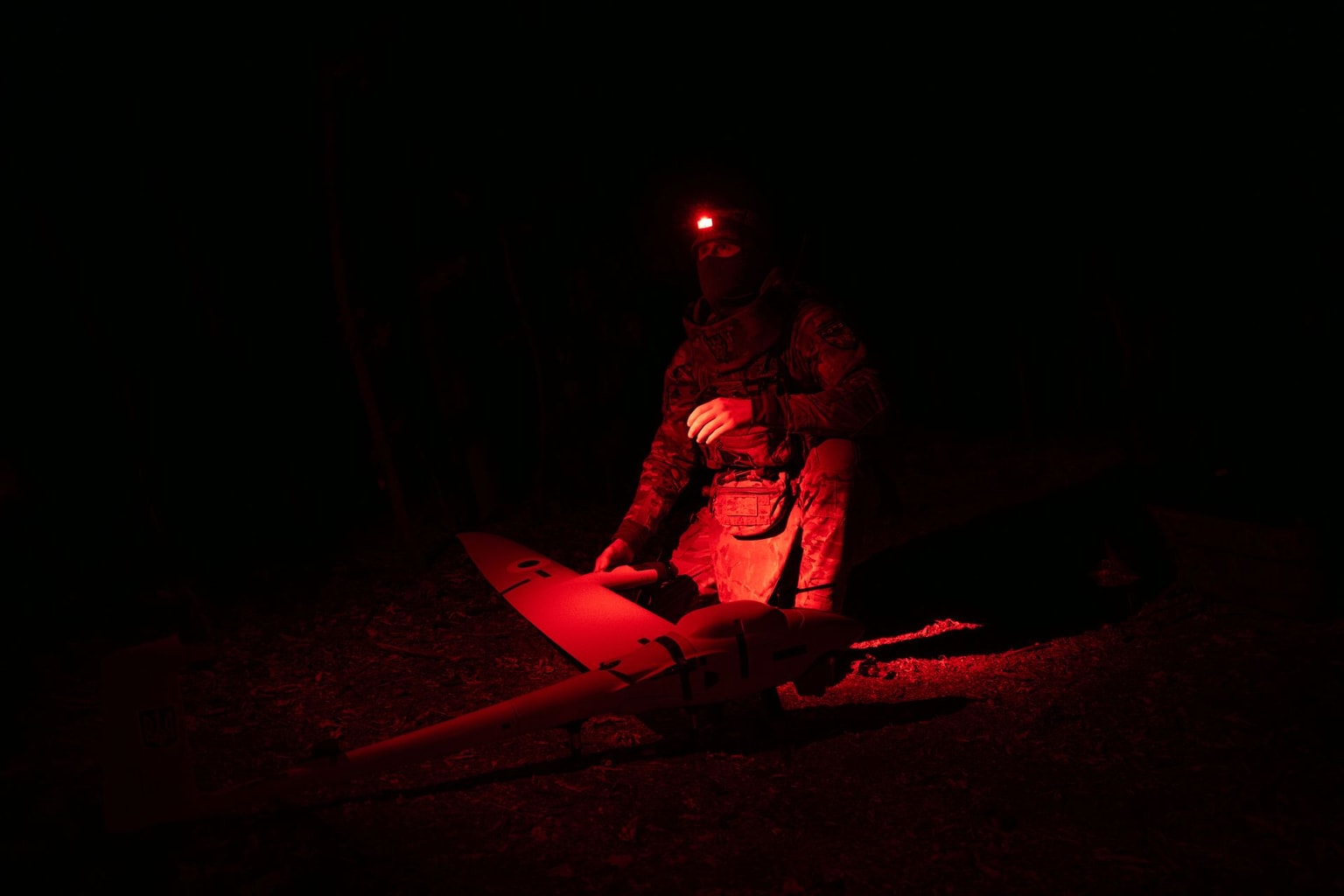
Architect, a drone operator who was fighting in the Pokrovsk direction, said that all the cities in that direction are dear to his heart.

"There we, soldiers, leave behind our most turbulent years. Meetings, farewells, shawarma, and shitty coffee, packages from family at Nova Poshta, military stores, and tire repair shops with endless queues of cars. And people, people, people... Bombs, drones, and dust," he said.
"Everything is mixed together. Each such city is like a heart in a torn chest, but still pulsing. And then it fades away. The fire spreads to the next one. And we dig into its basements and walls with the same force."
'Carol of the Bells'
Maria Kharchevna, 25
The most vivid memory of Kharchevna's childhood is Christmas holidays in Pokrovsk, when she would decorate the Christmas tree with her parents, play festive melodies on the piano, go sledding, and ski in the snowy park.
Every Christmas, she visited her grandparents, sang "Shchedryk" (Carol of the bells), and received candy in return. Ukrainian composer Mykola Leontovych lived and worked in Pokrovsk, where he, as some believe, completed his world-famous Christmas song.
"In honor of this, there were plans to open the 'Shchedryk Park' cultural space, but unfortunately, this did not happen," Kharchevna said.

Kharchevna moved to Kyiv to study at the age of 17, but she would visit Pokrovsk every year. She last visited Pokrovsk in November 2023, trying to remember all her favorite places, which had already been damaged by Russian missiles.
City square and sense of home
Tetiana and Hanna Makhitko
Hanna, 24, remembers places popular among local youth, such as Yuvileynyi Park and the main city square, where children and teenagers often gathered.
"I really loved the main square, it was like a meeting place. The city wasn't very big, everyone knew each other. You could just go out for a walk, and an hour later, you'd be singing songs to guitar music with a group of people. I don't think I've ever met such friendly people. It always impressed me," Hanna said.
But still, her favorite place was her home — a small brick house with a red wooden roof, with green leafy plants in the window. She described it as "the most peaceful and precious place in the world."
Hanna's father died when she was six years old, and the house was almost the only thing she had left of him, so it was very important to her emotionally.

"I felt safe there. But after 24 Feb. 2022, I no longer feel protected anywhere. Now, with active fighting going on in the city, I feel as if a part of my soul has been torn away," Hanna said.
"As long as I remember it, it remains alive."
Hanna says that the only thing that warms her heart now is that she was able to get her grandmother out of "this hell."
At first, her grandmother refused to leave her home, but in Feb. 2025, when she couldn't take it anymore, she left the city on foot, taking her most important belongings. She met Ukrainian soldiers in Dobropillia, from where Hanna picked her up.
"My grandma is 87 years old, and she is truly a heroine," Hanna said.

She still has fond memories of the time they spent together in her grandmother's house.
"My most precious memories are definitely of how we always gathered at my grandmother's house for all the holidays, when the whole family was together. Now I don't even know if my uncle and his family are alive, as they didn't want to leave the city. This is very scary," Hanna added.
Hanna's mother, Tetiana, spent nearly her entire life in Pokrovsk. Now she sees how Russia is destroying not just buildings, but her memories, "the places of youth, years of work, family moments."

Tetiana last visited in May 2024, returning to see her mother and her home. Currently, she resides in the Czech Republic, where she works in a factory. She said she suffered together with Pokrovsk.
"It is the pain an entire generation is going through," Tetiana said. "Pokrovsk is a part of my biography," she added. "As long as I remember it, it remains alive."