270 Ukrainians return home from Russian captivity in latest swap
 on Google

Editor's note: The story initially reported that five people previously believed to have been killed in the 2022 Olenivka prison massacre had returned to Ukraine. However, President Volodymyr Zelensky's social media post was later edited to clarify that those who returned were survivors of the terrorist attack.
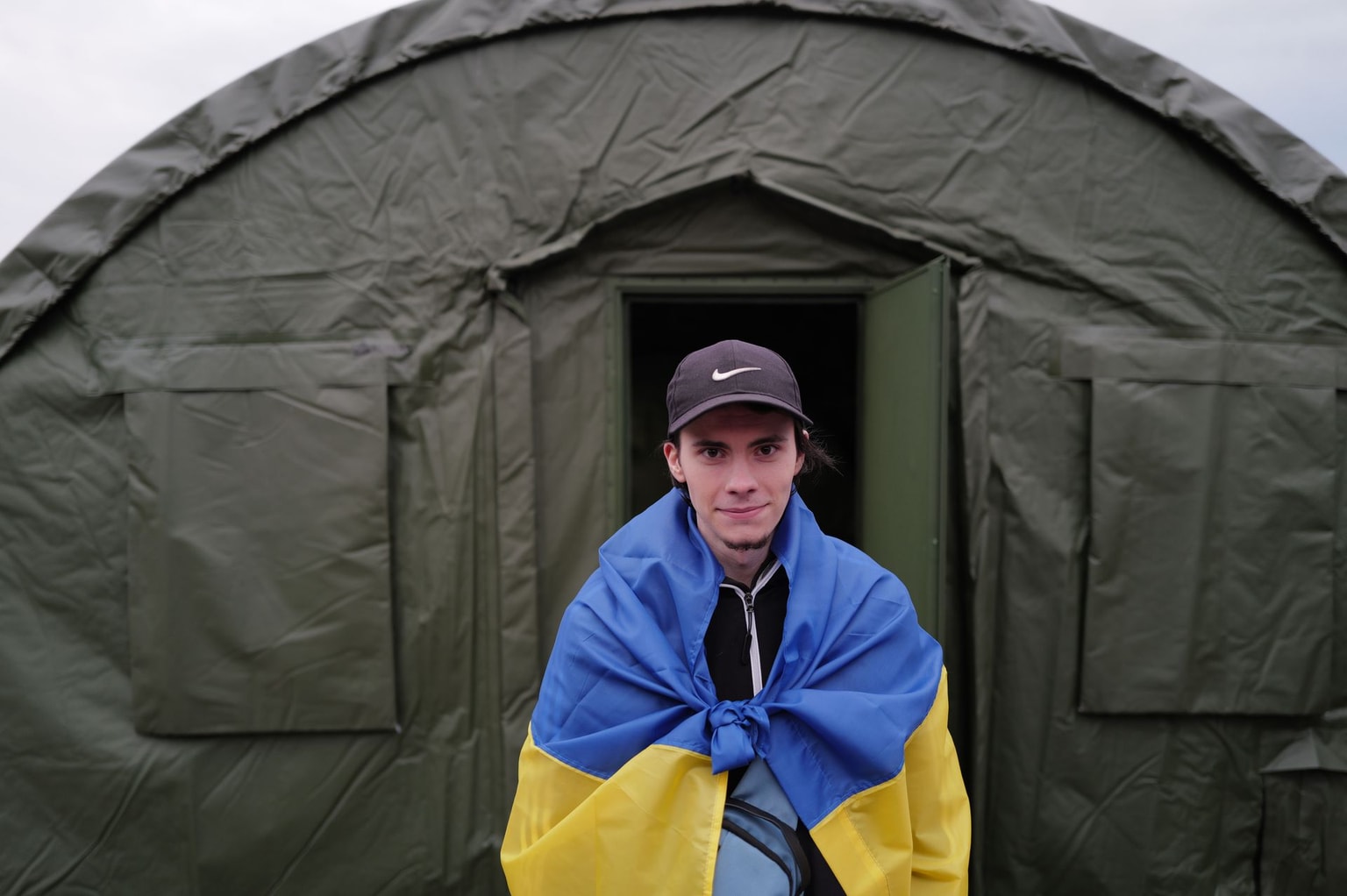
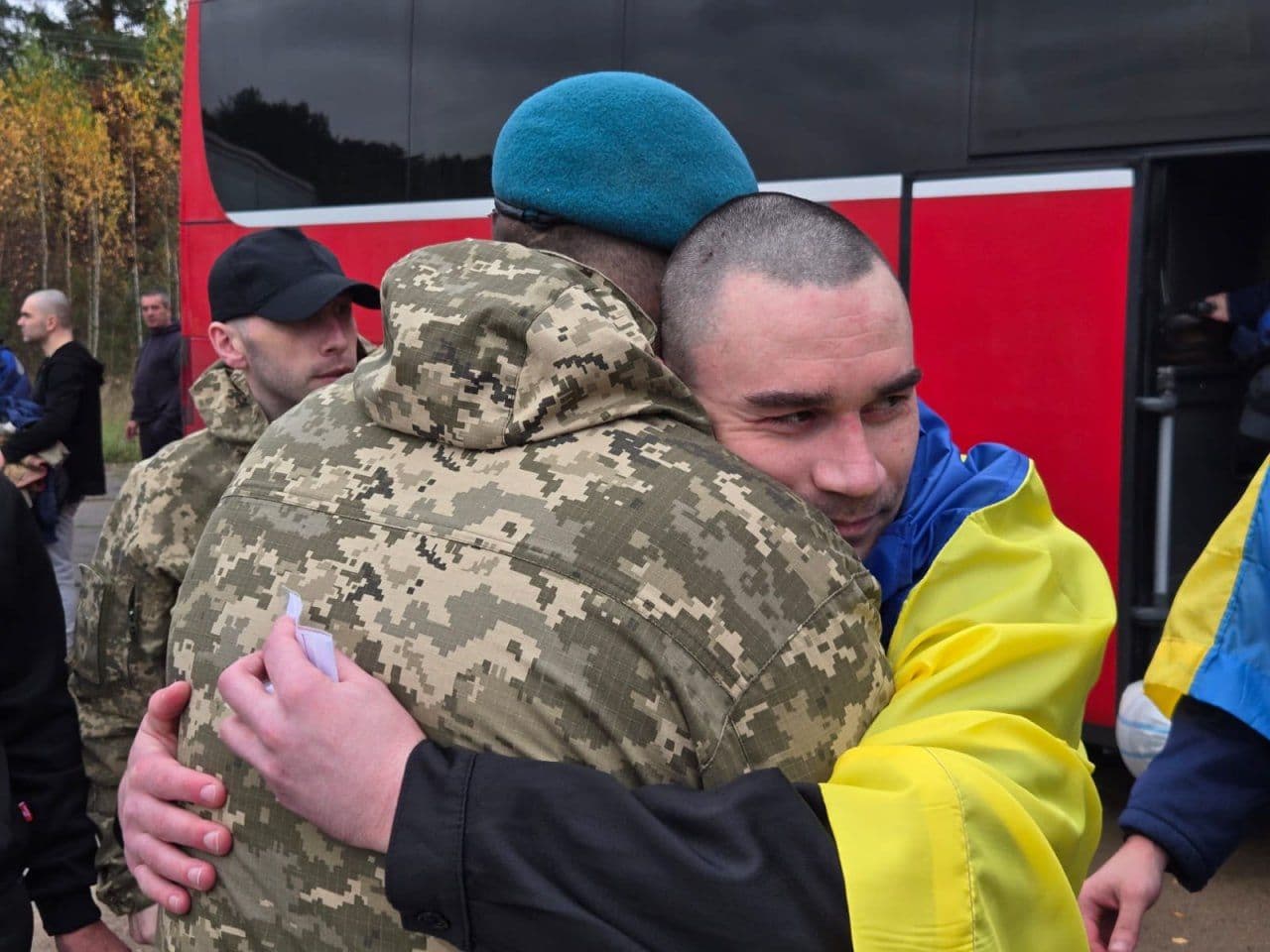
Ukraine and Russia exchanged prisoners of war on Oct. 23, with 261 Ukrainian service members and nine civilians returning home, President Volodymyr Zelensky announced.
The exchange, the first in two months, also saw 270 Russian prisoners of war returned to Russia from Ukrainian captivity.
According to Zelensky, most of the Ukrainians returning home had been captured during the Siege of Mariupol in spring 2022. They included service members from the Ground Forces, Navy, and Air Assault Forces, as well as border guards and fighters from the Azov regiment, which led the city's defense.
Five of the released POWs survived the Olenivka prison massacre in July 2022, when a thermobaric munition was detonated inside a prison barracks housing Ukrainian prisoners of war.
According to Ukraine's Coordination Headquarters for the Treatment of Prisoners of War, a "significant portion" of the released prisoners had been found guilty on sham criminal charges while in Russian captivity.
Seven Ukrainian civilians were also brought back from Russia with the help of Ukrainian authorities on Oct. 23, Ombudsman Dmytro Lubinets said in a Facebook post. Lubinets added that another seven civilians had traveled to Russia as part of family reunification efforts supported by the International Committee of the Red Cross (ICRC).
Zelensky, as well as the Coordination Headquarters later said that nine civilians had been released.
Lubinets called the prisoner exchange "historic," saying it brought home the largest number of convicted Ukrainian service members since 2022: 86 convicted soldiers and one person who had been facing criminal prosecution.
Ukraine, international human rights organizations, and the U.N. have described such trials in Russia as war crimes. The Third Geneva Convention grants POWs protected status under international humanitarian law and prohibits prosecuting them solely for their participation in hostilities, subject to the rules governing lawful combatant conduct.
Lubinets added that the exchange marked the return of Azov Regiment service members for the first time "in a long while."
Two of those released had been held in Russian captivity since 2018 and 2020, spending eight and six years in captivity, respectively, Lubinets said.
The youngest released POW was 24, while the oldest was 63, he added.
Ukraine's Interior minister Ivan Vyhivskyi said that among the returned prisoners were a father and son, both called Volodymyr, both in Ukraine's National Border Guard, that were taken prisoner in Mariupol's Azovstal and saw each other for the first time in four years.
"Today is full of heartbreaking footage: hugs, calls to relatives and joy from the fact that you can hold the Ukrainian flag in your hands again," he said.
While intermittent U.S.-mediated "peace talks" between Russia and Ukraine have failed to secure even a partial ceasefire, prisoner exchanges remain one of the few channels of regular cooperation between Moscow and Kyiv.
The latest swap was the 11th reported prisoner exchange of 2026. The previous two exchanges took place in August.