'Every new strike only unites us' — Odesa endures 5-day blackout after Russian strikes
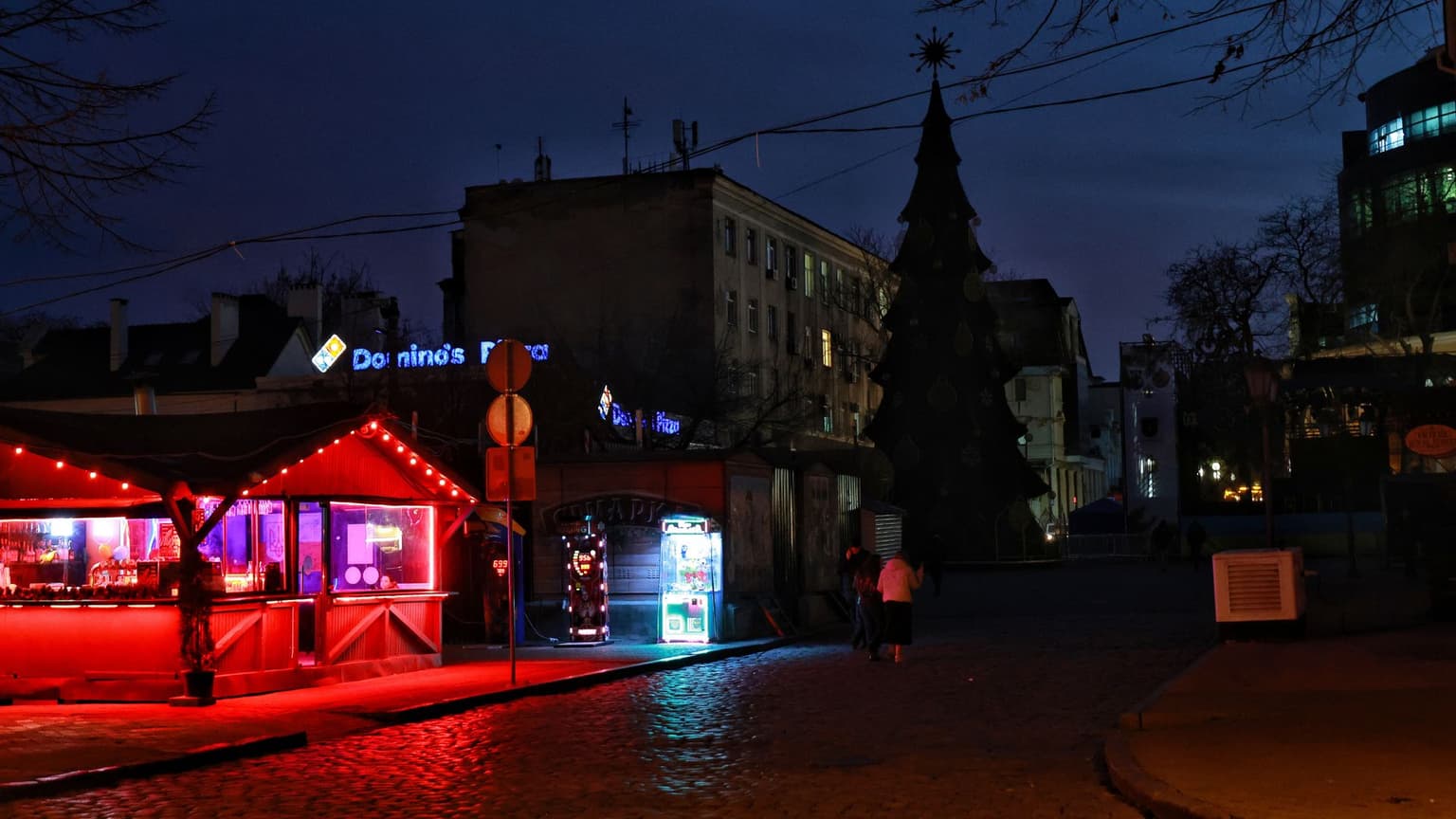
A Christmas tree is seen on a street during a blackout in Odesa, Ukraine, on Dec. 15, 2025. (Nina Liashonok / Ukrinform / NurPhoto / Getty Images)
 on Google
ODESA, Ukraine — Rolling into Odesa’s downtown, the constant hum of hundreds of generators drowns the ability to converse.
Just days earlier, the region came under a massive strike involving Shahed-type attack drones, ballistic missiles, and cruise missiles.
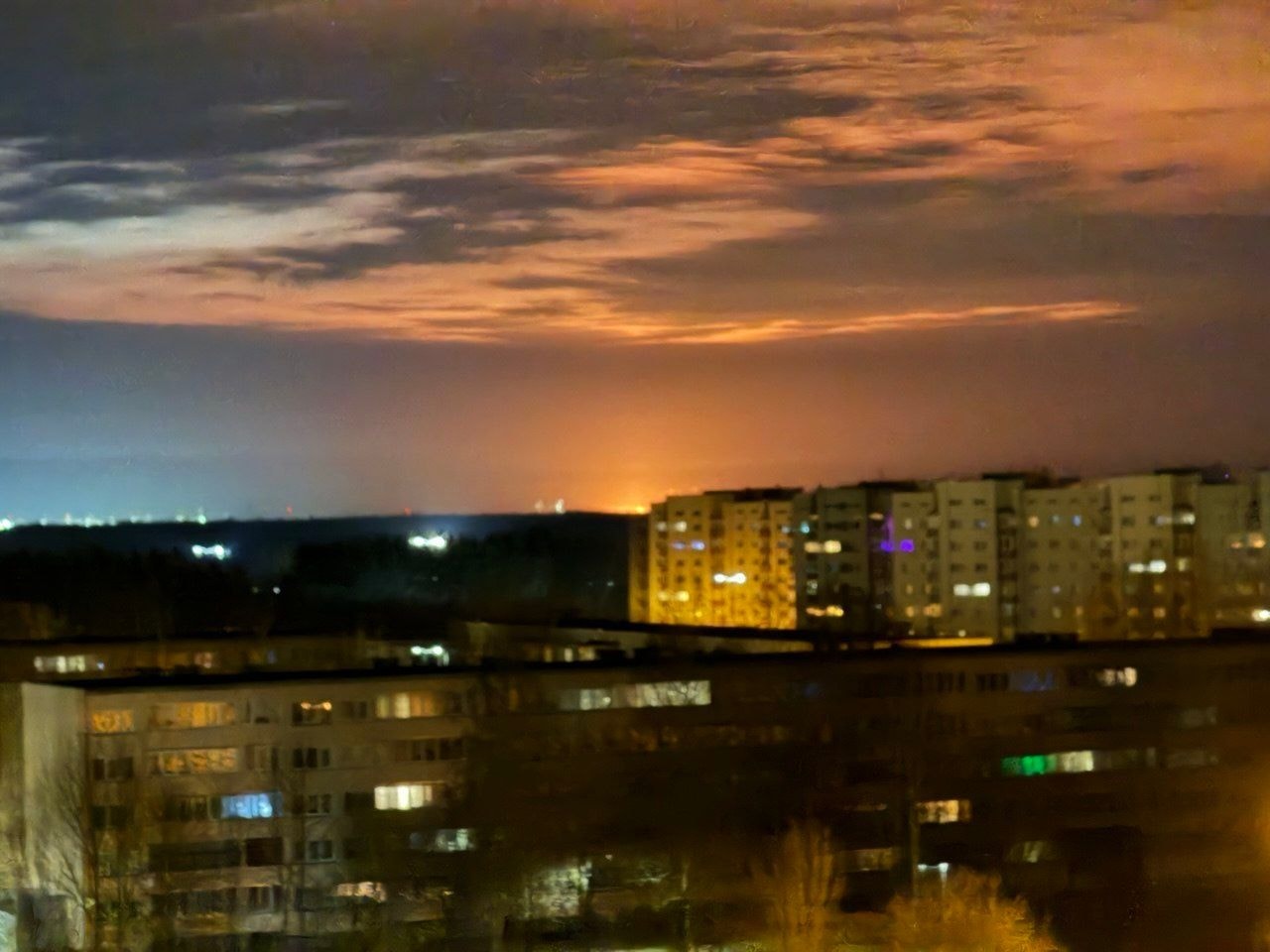
The city, home to one million residents, was plunged into near-complete darkness on Dec. 13, with hundreds of thousands of residents left without electricity, while water and heating services became scarce.
“The emergency situation that arose as a result of the enemy's massive attack on the energy infrastructure has acquired the status of a state-level emergency,” Odesa Oblast Governor Oleh Kiper wrote on Dec. 17.
Some residents have remained without electricity to this day.
On the surface, it might have looked like Russia achieved its goal: plunging Odesa into complete darkness. The response unfolding across shops, houses, and entire neighborhoods tells a different story — one of determination, adaptation, and defiance.

'You survive this war with people like these'
Ludmyla Shvets, a lifelong Odesa resident, works as an engineer at the Ukrainian Railways (Ukrzaliznytsia).
From the first days of Russia's all-out war, the railway became a symbol of survival, evacuating civilians from front-line areas and transporting them to safety.
For workers like Shvets, the pressure of wartime life at home never eclipsed the need to support others.
"I've noticed that war acts like a litmus test — it shows who people really are."
Electricity returned to her apartment only four days after the attack. Still, she focused on feeding her family and helping neighbors.
"Because I live in an older building, I have a gas stove," she said. "My son lives in a new, fully electrified building, so I cooked for him, made tea in a thermos, and brought it over."

She described how neighbors coordinate during outages — sharing extension sockets, carrying water, and relying on local "Points of Resilience," community hubs where residents can charge devices and warm up during blackouts.
"We also work together with our neighbors — carrying water, going to the store," Shvets said. "At the 'Point of Resilience,' we cooperate as well: one person uses a socket, and three or four others nearby can charge their devices too."
For her, the war has stripped away misconceptions.
"I've noticed that war acts like a litmus test — it shows who people really are," she said. "I'm lucky: I'm surrounded by people you can survive this war with."
"They think they can scare us, make us 'Russian,' but what I see and feel… every strike only widens the gap between us and them. They won't succeed."

Generators in courtyards, help across floors
Shvets' experience is echoed across Odesa.
Olexandra Kononenko, a sales consultant at a children's clothing and toy store, said her family bought a modern generator early in the war, capable of powering a small refrigerator. But until recently, they relied mostly on flashlights and power banks.
The latest blackout — now in its fifth day — changed that.
"We power our generator and help neighbors in our five-story building," Kononenko said. "When my husband comes home from work, he turns it on so anyone who needs it can charge phones or power banks. We share it with older residents, too."
For families with children, water shortages have been as difficult as the blackout itself.
"With two kids, hygiene is critical," she said. "I've learned a rule: if you can do something now, do it, because there might not be water later."
She paused before adding, "Honestly, do the Russians think these attacks will change anything? Our hatred and disdain for them have already reached a peak. That's why we hold on."

'Points of Resilience' become community lifelines
In some neighborhoods, support has taken on a more organized form.
The Polischuk family, including 17-year-old Fedir, runs a family-run "Point of Resilience," offering tea, coffee, and electricity to anyone who needs it.
"We have a space where people can come for tea, coffee, talk, and of course charge devices," Fedir said. "We also hand out toys for children and have upgraded the area with extra sofas and better food."

As outages stretch longer than they did early in the war — once up to 14 hours, now often more — people adapt quickly.
Marina Deniyovska said the hardships have not broken morale. Living without electricity and heating is difficult, she noted, but nothing compared to what Ukrainian soldiers endure on the front line every day.
Learning to live with the unchangeable
Georgiy Stankevich, a lecturer at Odesa National Technological University, said constant explosions take a toll on both mental and physical health.
Still, people learn to live with what they cannot change.
"They find support in their neighbors — not only through words but with food and water," he said.
"For me, the rule is to analyze every situation, learn from it, and not just let it slide."

One enduring symbol of Odesa remains the legendary Privoz market, which continues operating even during blackouts, supplying residents with essential goods.
Market worker Oksana Pavlovska said she carries a portable battery to help neighbors and regularly visits the "Points of Resilience."
"Of course, we help neighbors, especially older people," she said. "We bring adapters, plug in three to four phones, and leave them charging for up to two hours. We also bring food."
"We're all human, living in difficult times."