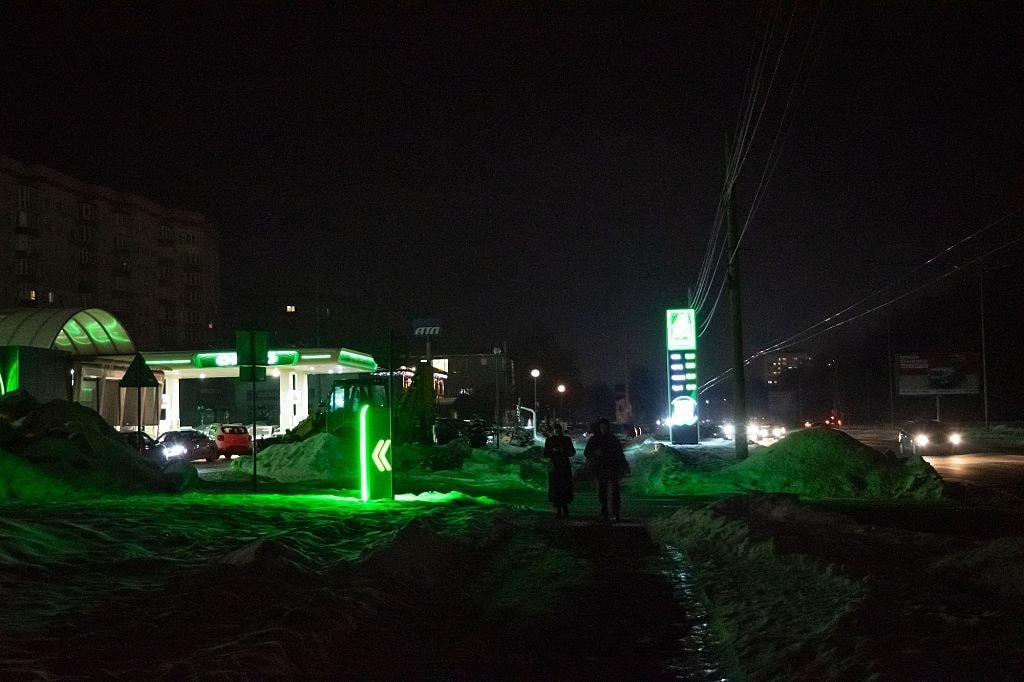
'Medieval raids' — fear, uncertainty in Ukraine's Sumy Oblast border region
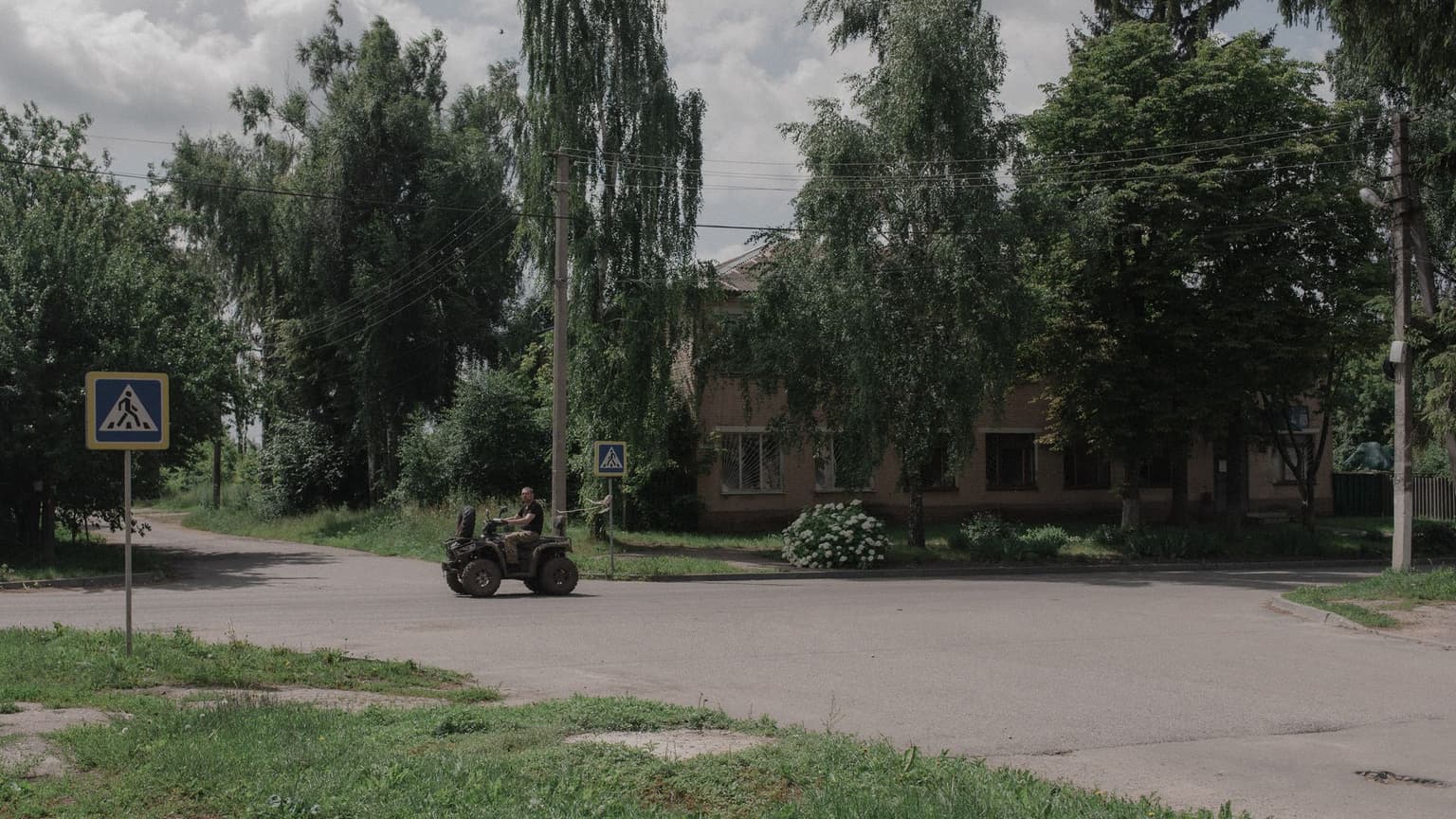
A Ukrainian army soldier drives a buggy in a frontline area of Sumy Oblast, Ukraine on June 28, 2025. (Andre Luis Alves / Anadolu via Getty Images)
 on Google
As Ukraine’s future is debated in distant conference rooms and Ukrainians prepare to mark another wartime Christmas, dozens of residents of a small border village in Sumy Oblast have vanished across the Russian border — taken by force from their homes, with no idea about what awaits them next.
On Dec. 20, at least 52 civilians were deported from the village of Hrabovske, located just 200 meters from Russia’s border, after Russian troops detained them two days earlier.
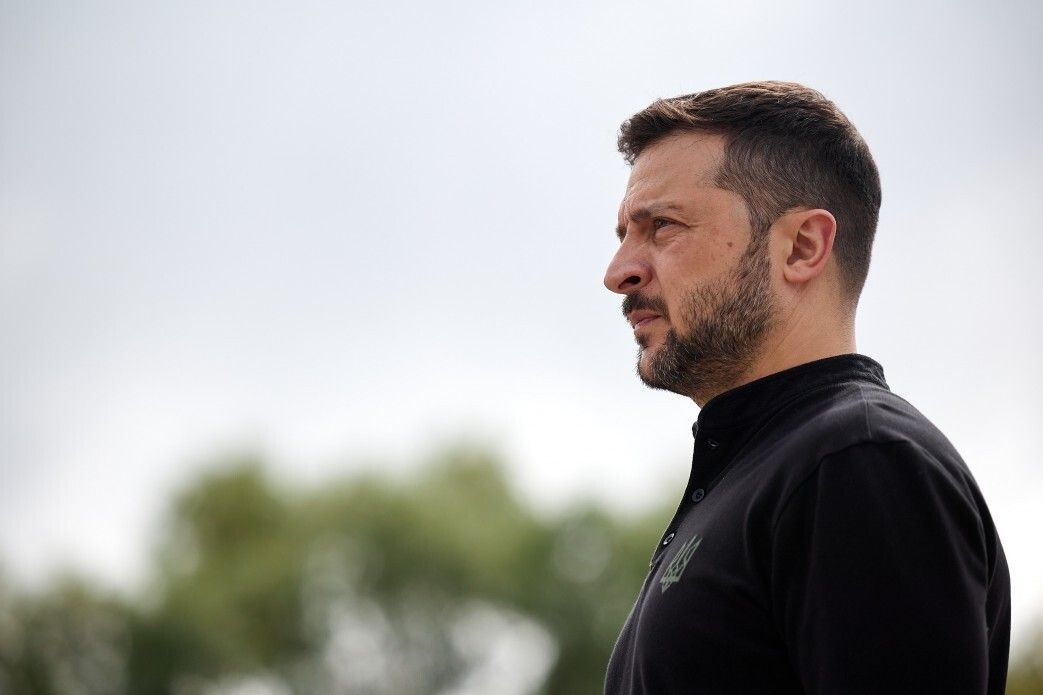
"These were civilians, Ukrainian citizens. They lived there for a long time and did not want to evacuate for various reasons. Seventeen or eighteen were men of conscription age, the rest were women and children," Zelensky said on Dec. 22.
Families across the region have since been searching for information about their relatives. Local outlet Kordon Media reported receiving messages from people trying to locate loved ones deported from the village.
Life in the borderlands
Before Russia’s full-scale invasion, Hrabovske was home to more than 700 people. Many residents fled in 2022, when Russian tanks passed through the village during the early phase of the war. Some stayed.
By mid-December, around 50 civilians were reportedly still living in Hrabovske — roughly the same number later deported by Russian forces. All that remains now are abandoned homes, animals left behind, and Russian troops occupying what was once a civilian settlement.
"All the infrastructure is destroyed. There is no work anymore. Houses still stand, but there is no life there," said a resident of the neighboring village of Krasnopillia, who spoke via a messaging app to the Kyiv Independent on condition of anonymity.

In March 2025, Sumy Oblast authorities announced a mandatory evacuation for border villages in the community. Residents who refused to leave were required to submit written statements confirming their refusal to evacuate.
For those who remained, it was not an easy choice.
Years of war have hollowed out daily life in Sumy Oblast’s border communities. Jobs disappeared. Infrastructure collapsed. Housing elsewhere became scarce and extremely expensive. For many residents, evacuation was financially out of reach.
"The border as a whole is under threat. There are gaps that Russian forces can exploit [...] to carry out raids, take civilians captive, and, if they see an opportunity, push deeper into Ukrainian territory."
"People are forced to look for housing elsewhere for huge sums of money. And where are they supposed to get it? So some stay. Others try to leave, but end up coming back — even without basic living conditions. There is no gas, the connection is bad — but it’s home," the Krasnopillia resident said.
Krasnopillia, located about 21 kilometers (around 13 miles) from Hrabovske and farther from the Russian border, is not spared this reality.
"There is no spirit left, because we can no longer live at home," the woman said.
Fear spreads beyond Hrabovske
In Sumy Oblast, evacuation has been ongoing since 2023. For years, people along the border have lived the decision of staying and leaving.
Now, residents of another border village, Riasne, are leaving in winter, on the eve of the New Year, after seeing what happened to a neighboring village and fearing it could become a foothold for further Russian advances deeper into the region."
We don’t want to be taken prisoner," evacuees told local journalists of Kordon Media.

According to the regional administration, around 40 residents were evacuated from border villages in the Krasnopillia community over three days.
Riasne residents' fears were not unfounded. On Dec. 23, Ukrainian officials reported that around 100 Russian soldiers crossed the border into Hrabovske, attempting to advance toward Riasne.
"Naturally, Russian units are trying to entrench themselves in the southern part of Hrabovske. Ukrainian forces are attempting to push them out of their positions. Fighting is ongoing in the village,” Viktor Trehubov, spokesperson for Ukraine’s Joint Forces grouping, told Suspilne.
According to Ukraine’s Armed Forces, Russian troops are attempting to expand the incursion further inland, though no enemy infantry has been detected in Riasne as of the morning of Dec. 23. For some residents, this may be the last moment to decide whether to stay or go.
Russian advance
Speaking in a YouTube briefing on Dec. 23, Roman Pohorilyi, co-founder of the DeepState monitoring project, warned that the situation in Hrabovske points to broader vulnerabilities along Ukraine’s northeastern border.
"The border as a whole is under threat. There are gaps that Russian forces can exploit — as they did here — to carry out raids, take civilians captive, and, if they see an opportunity, push deeper into Ukrainian territory," he said.
Pohorilyi added that Hrabovske is currently in a "gray zone," with no stable control.
"Right now, the village is under Ukrainian drone surveillance, and Russian forces there are being targeted. Whether Russia is able — or even intends — to hold the settlement will become clear over time," he said.

Ukraine’s Foreign Minister Andrii Sybiha condemned the deportation as a war crime, comparing Russia’s actions to "medieval raids" and calling on the international community to demand the release of Ukrainian civilians forcibly taken from their homes.
"This concrete war crime is already under investigation in Ukraine and must receive a proper response at the international level," Sybiha said.
The Kyiv Independent has sent requests for official comment to Ukraine’s Ground Forces Command, the Ministry of Defense, and Sumy Oblast Governor Oleh Hryhorov. As of publication, responses had not been received.