US hearing exposes links between Russia’s energy sector and abduction of Ukrainian children
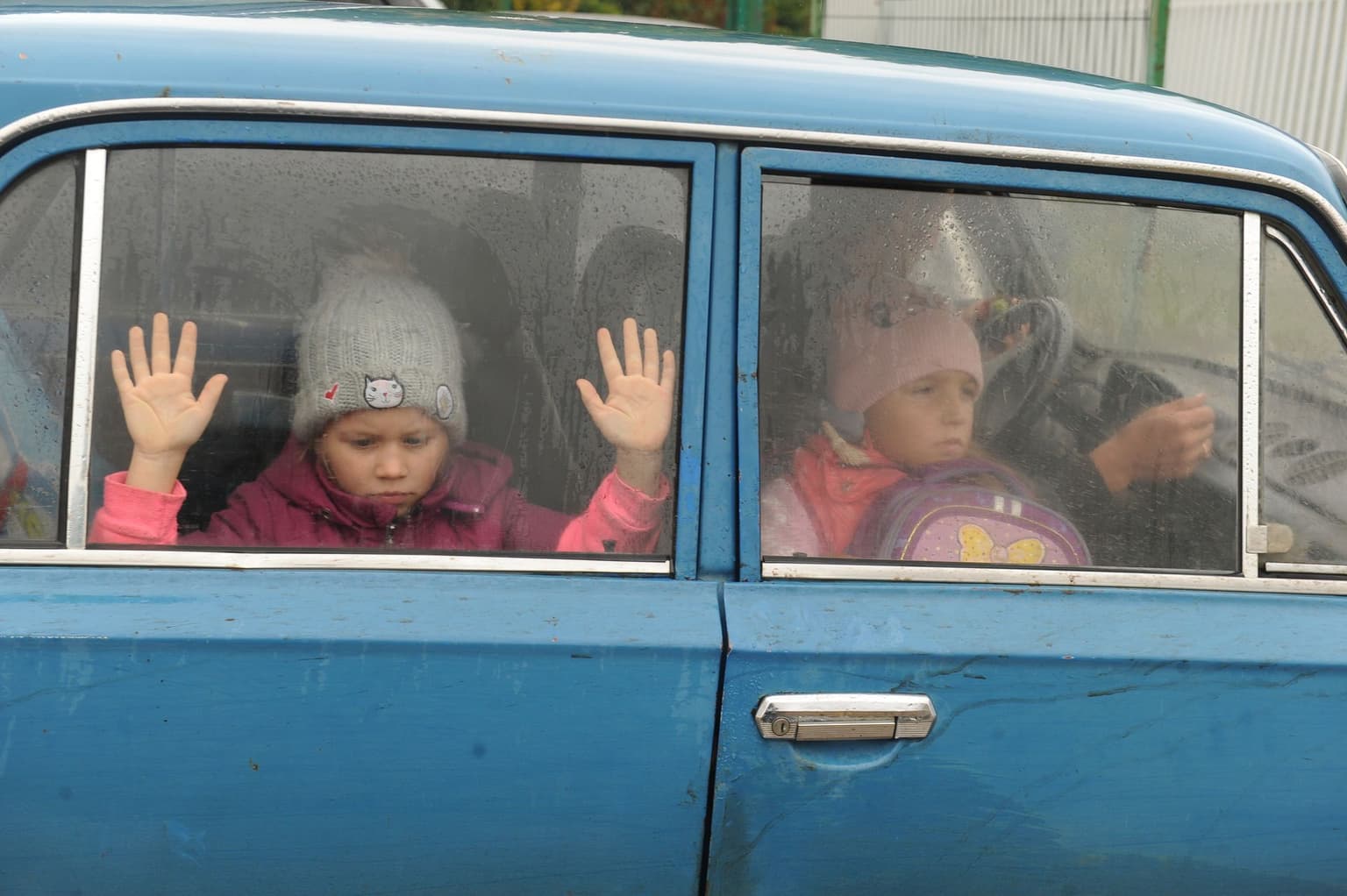
Children look through car windows as they, along with other people from Kharkiv Oblast, Ukraine, arrive at a temporary camp in Belgorod, Russia, on Sept. 14, 2022. (AP)
 on Google
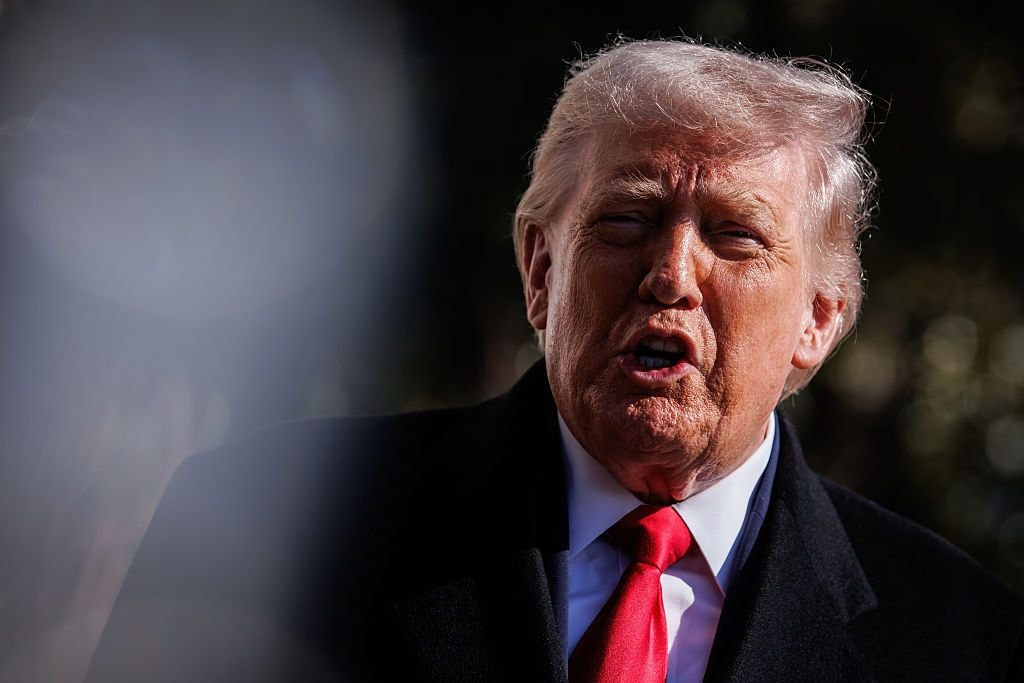
During a recent hearing before the Tom Lantos Human Rights Commission, U.S. lawmakers blasted the Trump administration's decision to lift sanctions on Russian oil giants Gazprom and Rosneft — companies now accused of aiding the mass abduction of Ukrainian children.
"One thing that we should not do is abet Russia's crimes. But shockingly, it appears that we are," said Representative James P. McGovern, citing evidence from the newly published Yale Humanitarian Research Lab report. "Camps owned or sponsored by these companies are where these children are subject to reeducation and pro-Russia indoctrination. This means anyone — even Americans — who consumes Russian oil is subsidizing a war crime."
The Yale report, released March 25, reveals that Gazprom and Rosneft played a functional role in the state-sponsored relocation and indoctrination of Ukrainian youth. Between 2022 and 2025, these state-backed entities utilized corporate resources and subsidiary-owned facilities to forcibly move and "reeducate" over 2,100 children from occupied regions, including Ukraine's Donetsk, Luhansk, and Zaporizhzhia oblasts.
McGovern's testimony underscored a deepening hypocrisy in U.S. foreign policy: while Washington publicly condemns Moscow's atrocities, its recent maneuvers risk financing them.

Representative Lloyd Doggett expanded on the crisis, accusing the administration of systematically blocking the very funding intended to track these missing children.
"The Trump regime went after the children by cutting the funding for U.S.-based programs that were responsible for tracking thousands of these children," Doggett said. He noted that the Yale Humanitarian Research Lab — the primary body investigating the deportation of Ukrainian minors — never received its congressionally allocated funding and has been forced to survive on private donations.
"Trump is helping the companies trafficking these children while cutting off the people trying to find them," Doggett added.
For advocates on Capitol Hill, the hearing was the result of coordination spearheaded by the American Coalition for Ukraine, a group of U.S.-based nonprofit organizations with the goal of mobilizing advocacy efforts among supporters of Ukraine in the United States.
Alison Rochford, a coalition representative who helped bring the issue to Congress and identify key witnesses, pointed out the significant hurdles that continue to obstruct justice — chief among them, a lack of consistent funding.
"Almost exactly one year ago, the Trump administration cut off funding for (The Yale University Humanitarian Research Lab) research via the U.S. State Department, and it has since had to rely on private donors," Rochford told the Kyiv Independent. "Exposing the truth — both of what atrocities are being committed and by whom — is the only way to ensure true accountability."
The pressure from the hearing appeared to yield some results. Following the proceedings, the U.S. government on March 26 announced a $25 million initiative dedicated to the identification, repatriation, and rehabilitation of displaced Ukrainian children — a move Rochford called "urgent and essential."
However, this financial commitment stands in stark contrast to recent shifts in trade policy. Rochford warned that easing sanctions on Russian energy giants directly betrays the administration's stated humanitarian goals.
"Less than a week ago, the Trump administration eased sanctions on Russian oil companies in an attempt to stabilize energy prices," she said. "American tax dollars are enabling these atrocities being committed by Russia. To put it simply, that has to stop."
Ultimately, while sanctions are designed to cripple the machinery of war, Rochford argued that true justice requires the safe return of the victims to tell their own stories.
"The truth about the actual scale of these atrocities will continue to be revealed for years to come," she added. "Returning these children to Ukraine is one of the fastest ways to get a true understanding of both the scale and actual details of what they have experienced — because they can share their actual lived experiences."
As children remain under Russia's control, they are being actively transformed into tools of the state, as Katya Pavlevych, an advisor on the issue of abducted children at Razom for Ukraine, added.
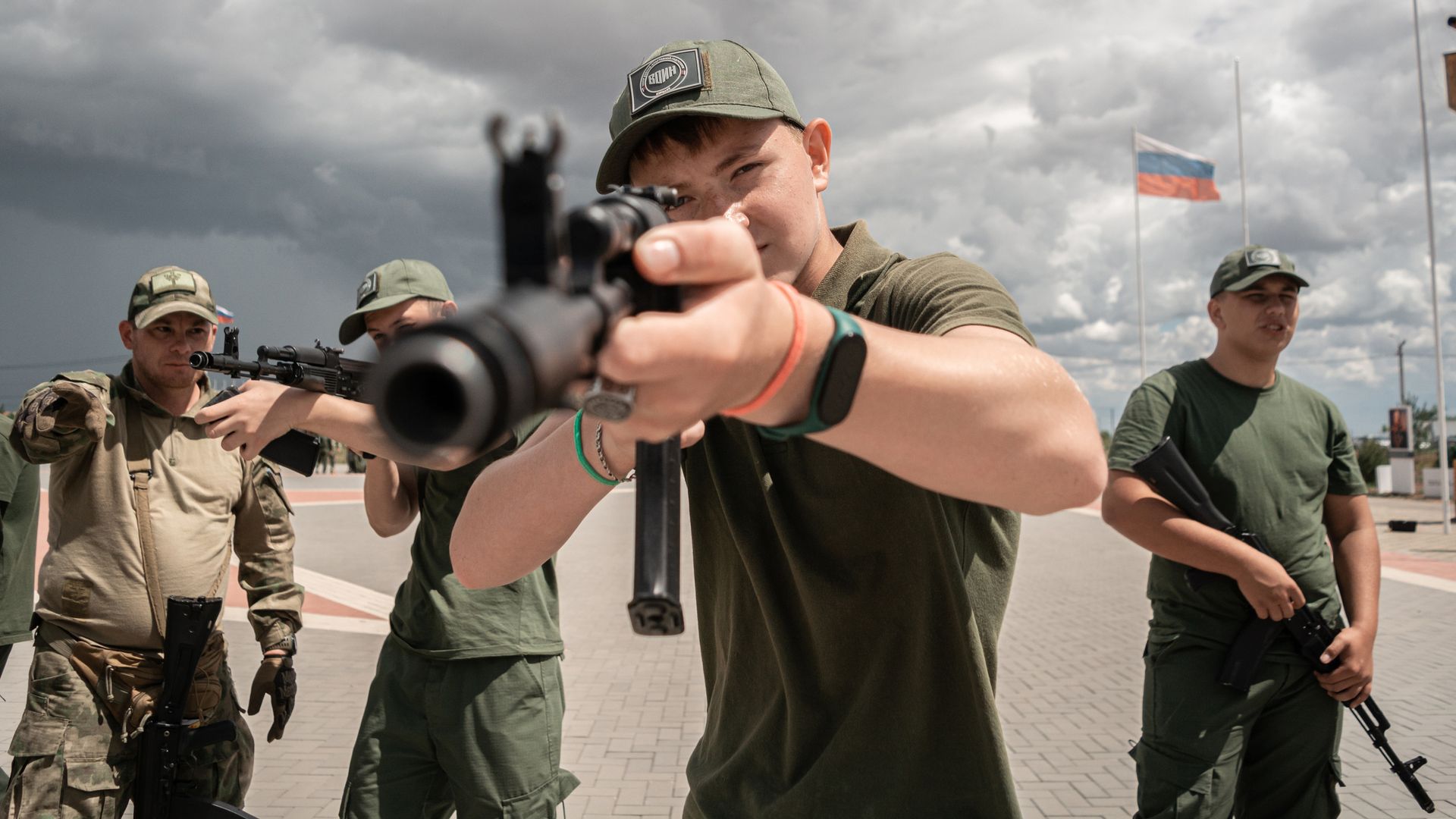
While many reports cite 20,000 abducted minors, Pavlevych told lawmakers that 1.6 million Ukrainian children now live under Russian control — facing daily indoctrination and forced enlistment. "At least 400,000 have already been enrolled in Russian paramilitary organizations," she said.
Ukrainian students living under Russian occupation are also being coerced into joining the Russian military if they fail their exams — a practice that exemplifies Moscow's ongoing militarization of Ukrainian youth, according to Taya Avram, a lawyer with the Donbas SOS NGO, who spoke to the Kyiv Independent on March 20.

In the occupied regions, Russia continues to commit systematic abuses against children and young adults unable to relocate to Ukrainian-controlled territory. Among the most prevalent violations is the forced conscription of young people who have just turned 18, compelling them to serve in Russia's army.
"The militarization of Ukrainian youth is not simply a human rights violation — it is a direct national security threat to the U.S. and NATO. If we (do) not save these children, we'll end up fighting them," Pavlevych told the lawmakers.
At the hearing, legal expert Dr. David Crane announced the establishment of a treaty-based Special Tribunal for the Crime of Aggression Against Ukraine. A historic step toward holding Russia's top leadership accountable, the tribunal represents the first international court to operationalize the modern concept of "aggression." Crane also revealed that his task force is developing a legal framework for a new crime of "mass destruction," aimed at states that resort to total annihilation when military victory proves unattainable.

Former U.S. War Crimes Ambassador David Scheffer stressed the necessity of this dedicated court, noting that the International Criminal Court (ICC) currently lacks the jurisdiction to prosecute the crime of aggression.
"Russia's actions represent a full-scale assault on a civilian population," Scheffer added. "The abduction of children has nothing to do with military targets whatsoever."
The implications of this legal vacuum extend far beyond Ukraine's borders.
Representative Chris Smith framed the tribunal's success as a litmus test for global order, warning that impunity would invite chaos elsewhere.
"If we fail to hold Russia accountable, every strongman around the world will take note," Smith said. "They'll realize there's no accountability, so they can do whatever the heck they want."