Explainer: How will Trump's war against Iran impact Ukraine?
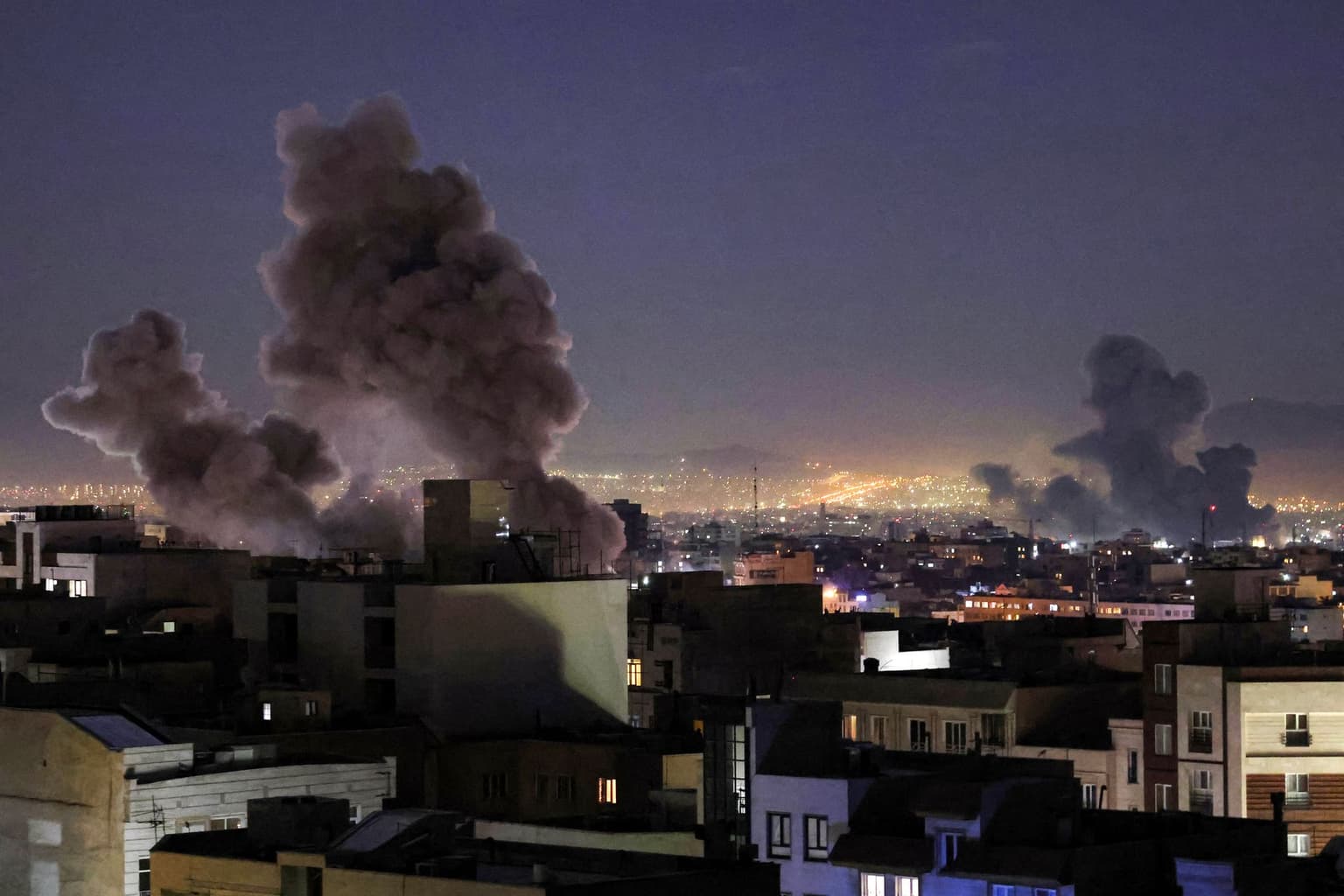
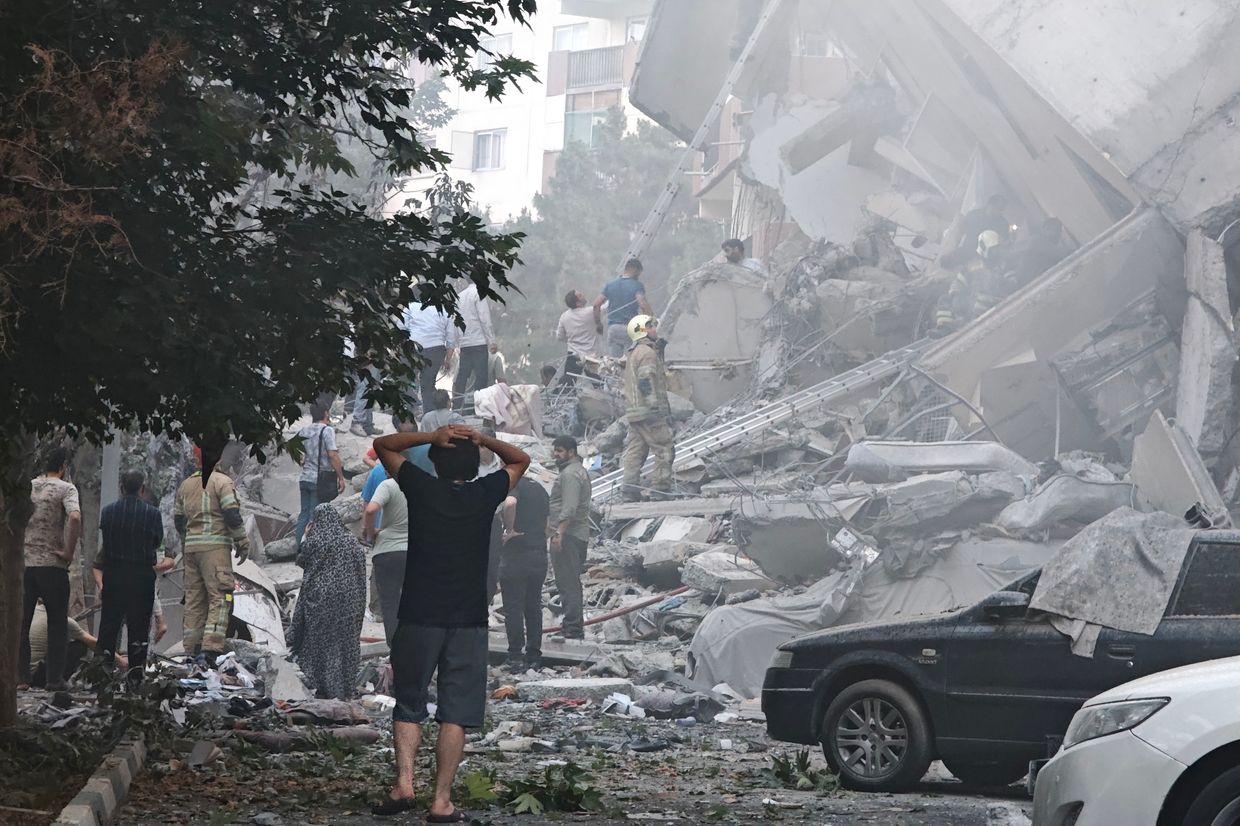
Smoke plumes rise following missile strikes in Tehran, Iran, on March 1, 2026. (Atta Kenare / AFP / Getty Images)
 on Google
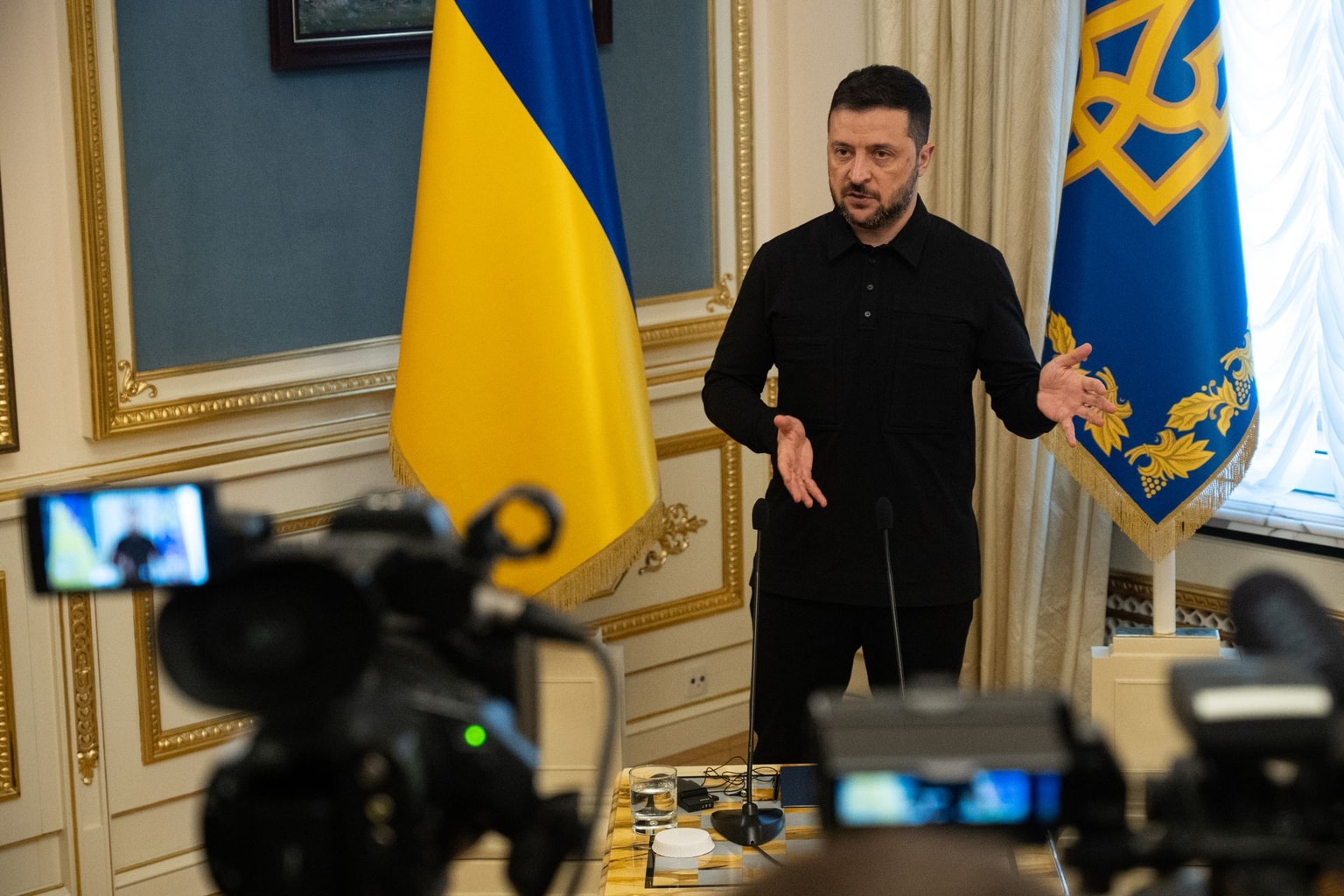
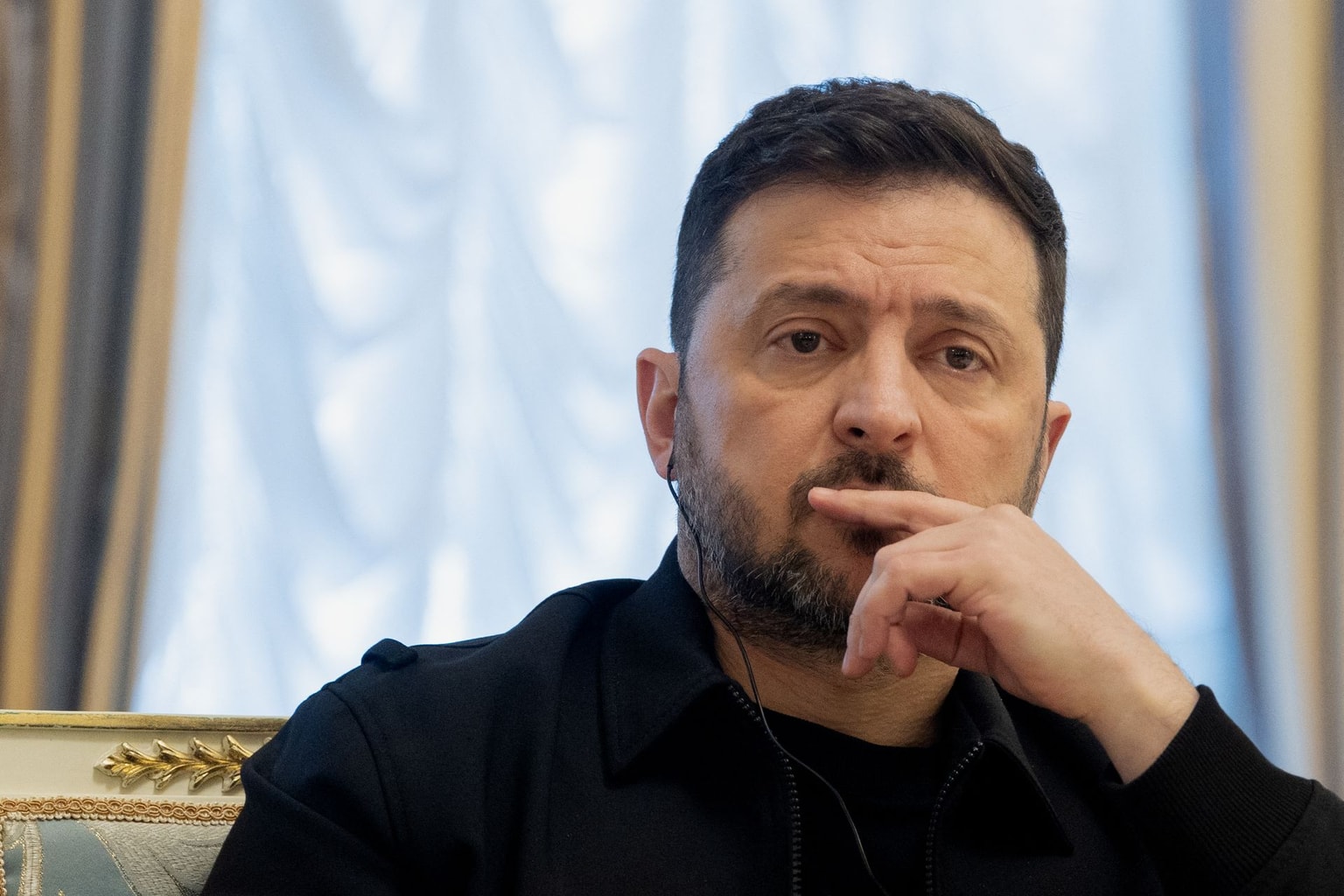
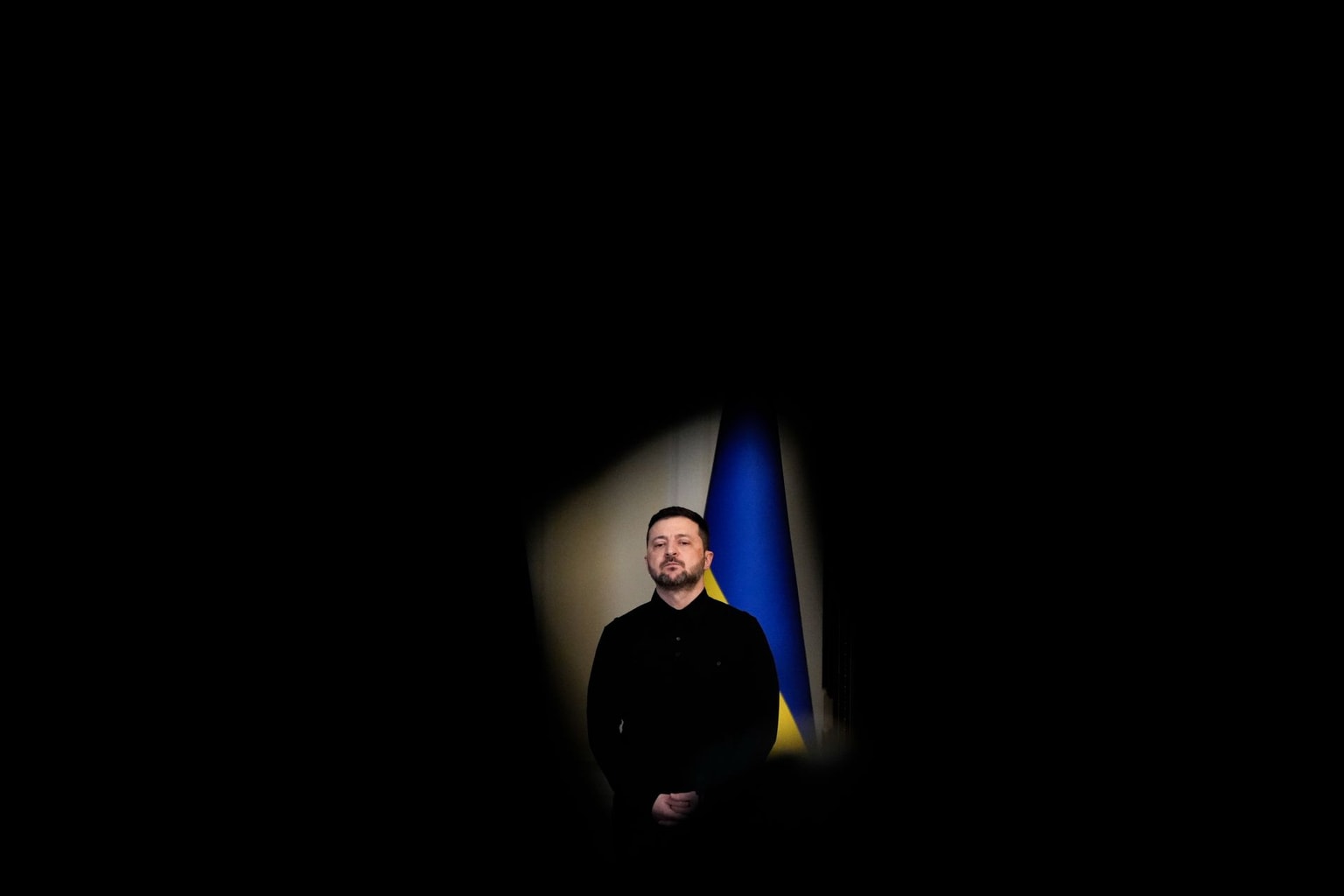
Ukrainian President Volodymyr Zelensky was one of the first world leaders to back the ongoing U.S.-Israeli war against Iran, which started on Feb. 28.
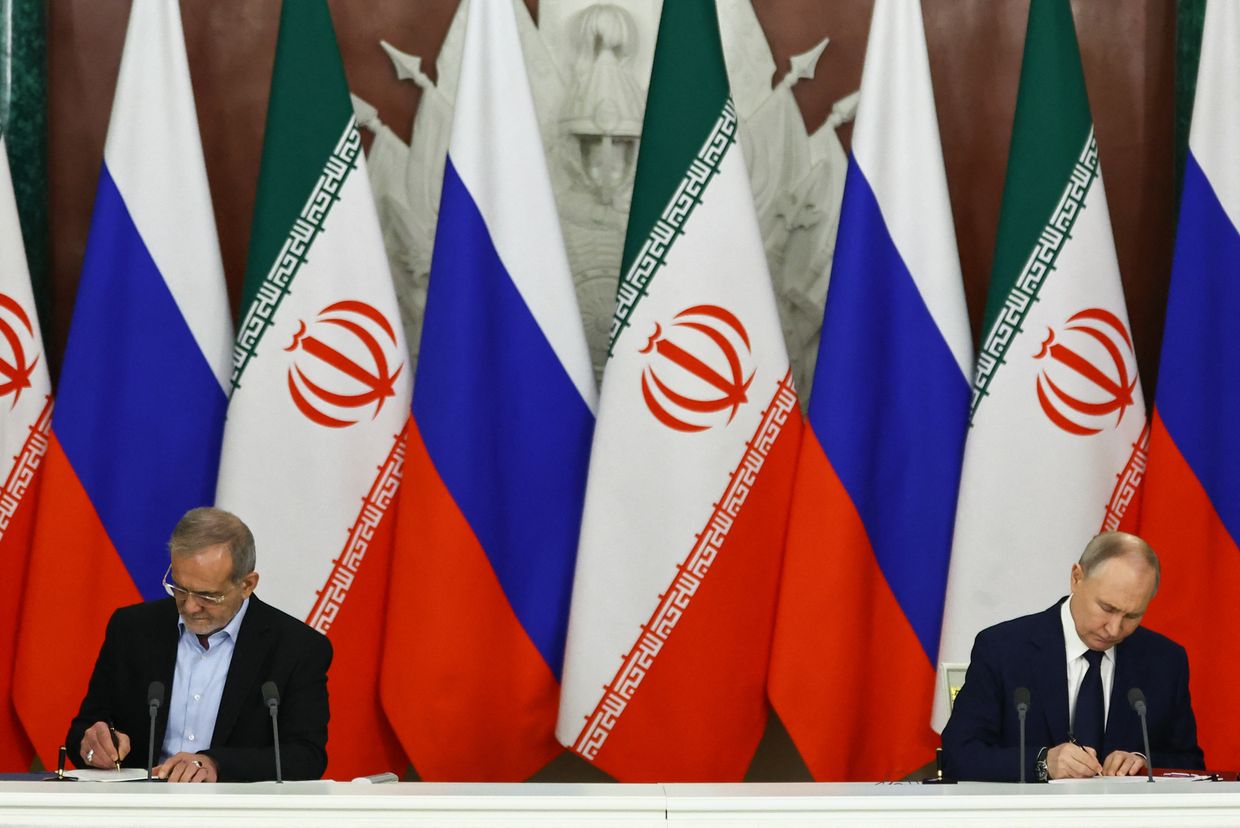
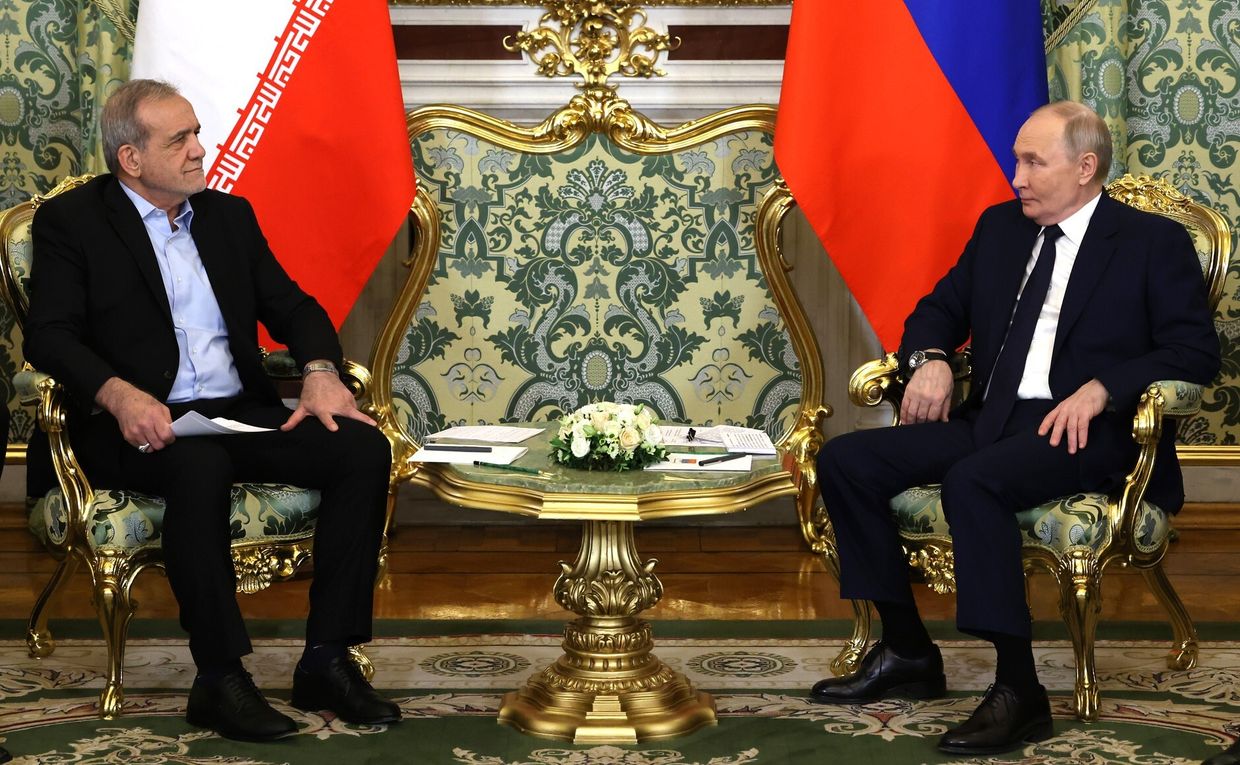
For Ukraine, the choice was logical: Iran is a Kremlin ally that has backed Russia's aggression against Ukraine and supplied drones to Moscow.
Moreover, Zelensky is seeking to curry favor with U.S. President Donald Trump and show that Ukraine is a reliable ally, analysts say.
"We support the United States in this operation in order to demonstrate our partnership-oriented attitude toward the U.S., and to play on the objective contradictions that are emerging between the U.S. and Russia," political analyst Volodymyr Fesenko told the Kyiv Independent.
"Russia is an ally of Iran, and we are demonstrating that we are on the side of the United States."
But it is unclear whether this strategy will work.
Trump's hostility towards Russian allies like Iran and Venezuela has not yet affected his relationship with the Kremlin. Moreover, Trump has been reluctant to antagonize Moscow and take a more pro-Ukrainian stance in peace talks.
Meanwhile, the war in Iran may have a negative impact on Ukraine by diverting Washington's attention and draining its resources. This could pull the plug on U.S. weapon sales to Kyiv.
"If the Islamist regime is not toppled — and the chances are not high at the moment — we are facing a protracted conflict, which will be diverting resources away from Ukraine," Ryhor Nizhnikau, a Russia expert at the Finnish Institute of International Affairs, told the Kyiv Independent.
"The longer the war lasts and the more regional instability it brings, the worse it is for Ukraine."

Initial success
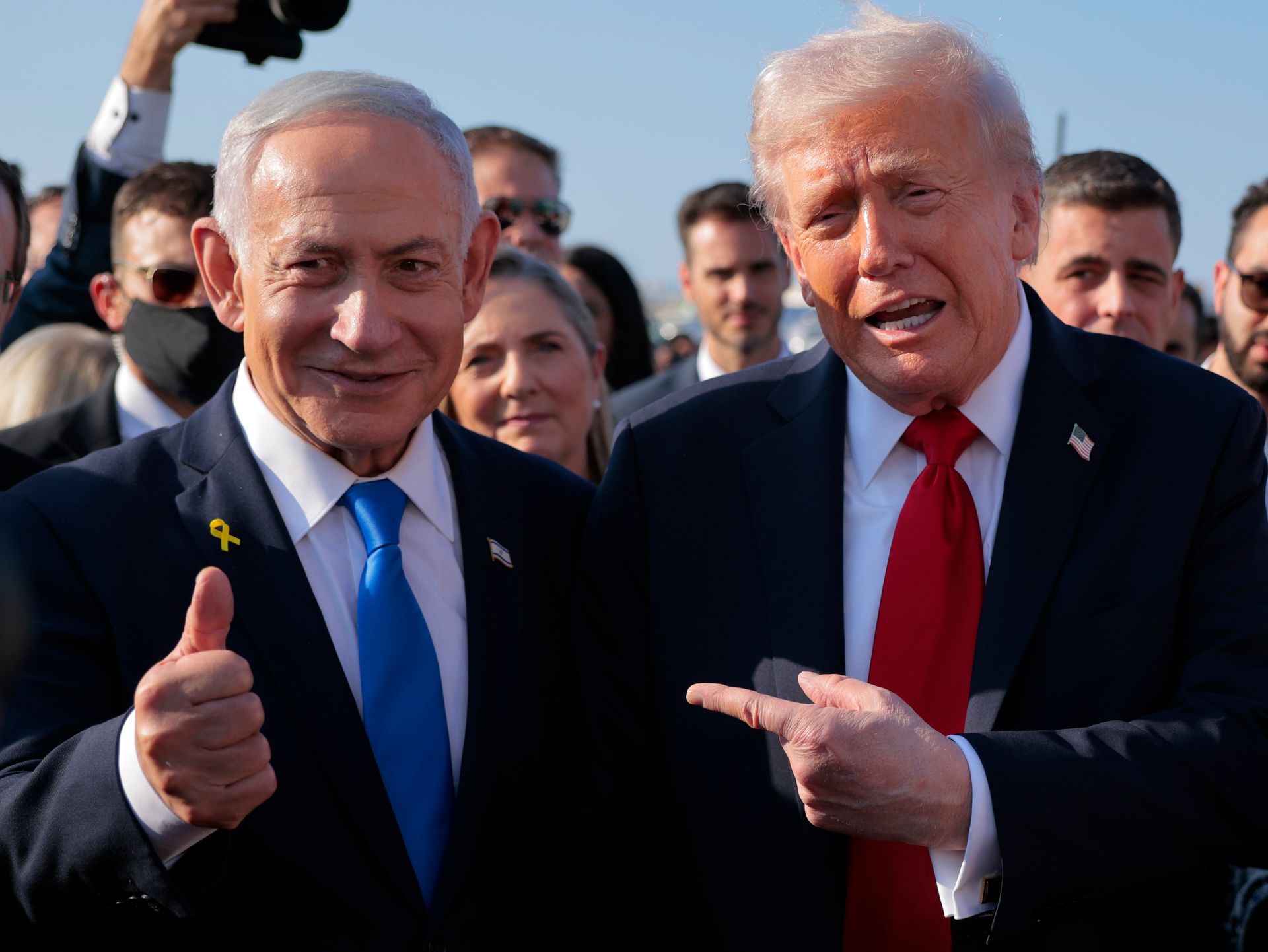
The operation has so far been a success for the U.S. and Israel. The joint forces have killed Iran's Supreme Leader Ali Khamenei and claim to have also killed dozens of other Iranian top officials.
Trump's stated goal is to destroy Iran's missile and military capabilities, prevent Iran from obtaining nuclear weapons, and topple the hardline regime.
However, analysts say that achieving these goals will be difficult, which may lead to a lengthy conflict and negatively affect Ukraine.
"I do not believe that the operation will topple the regime," Neil Quilliam, a Middle East expert at Chatham House, told the Kyiv Independent. "The regime's 'bench' is very deep, and the state has spent over four decades building strong institutions, which are likely to endure. Trump may pause the operation in a bid to entice the regime to negotiate again, but the regime is highly unlikely to return to talks and capitulate — it is in survival mode and will want to hunker down and try to outlast the current military operation."

Aron Lund, a Middle East analyst at Century International, also argued that he "would caution against assuming that the United States and Israel are about to bring down the regime."
"Absent a ground attack or a major internal insurgency, I don't see how you can remove this regime," he told the Kyiv Independent. "(Trump) keeps referencing a Venezuela-type scenario as the ideal outcome. That means he'd be making arrangements with the current regime and with Khamenei's successor, not some opposition-led structure."
Zelensky backs the U.S. operation
Ukraine has publicly supported the U.S.-Israeli operation.
On Feb. 27 — on the eve of the U.S. and Israeli attacks on Iran — Zelensky said that the Iranian people are seeking help in overthrowing the current regime, which behaves aggressively toward other countries and is a source of harm.
He also backed the U.S.-Israeli operation when it began on Feb. 28.
"In a certain sense, it [Iran] is even a co-participant in Russia's aggression, since it supplies drones. This is a Russian ally that is helping Russia kill us [Ukrainians]."
"Although Ukrainians never threatened Iran, the Iranian regime itself chose to become an accomplice of (Russian President Vladimir) Putin and supplied him with Shahed drones," he said. "Therefore, it is fair to give the Iranian people a chance to rid themselves of a terrorist regime, to free themselves from it, and to guarantee security for all nations that have suffered from terrorism originating from Iran."


Oleksandr Merezhko, head of parliament's foreign affairs committee, argued that this was a "rational decision."
"Iran is effectively on Russia's side," he told the Kyiv Independent. "In a certain sense, it is even a co-participant in Russia's aggression, since it supplies drones. This is a Russian ally that is helping Russia kill us."
Merezhko said that Iran is effectively a member of an "axis of evil" that also includes Russia and North Korea.
By backing the operation, Zelensky also seeks to show that Ukraine is a reliable ally and strengthen the relationship with Washington, analysts say.
Merezhko said that "from a political standpoint, this is also a rational move, because it shows the United States and President Trump that we are allies."
Contradictions between US and Russia
Some hope that the war in Iran may drive a wedge between the U.S. and Russia. Moreover, Ukraine could benefit if the war in Iran strengthens the position of anti-Kremlin hawks in the Trump administration, given that Russia is also a dictatorship and is an ally of Tehran.
But so far, there are few grounds to believe so.
"Although it would be logical for the Iran war to strengthen those on Trump's team who are more pro-Ukraine and anti-Russia, I do not believe this will be the case," Quilliam said. "I do not believe that Trump's team will be able to see the parallels between the two issues and draw the same conclusion."

Jenny Mathers, a lecturer in international politics at the U.K.'s Aberystwyth University, also argued that "the Trump administration has been hostile towards Iran for some time, but that has not seemed to spill over into their willingness to be sympathetic to Russia's viewpoint when it comes to Ukraine."
"What Trump may be able to do with regard to Iran or Venezuela, he will not be able to do with regard to China and Russia," Fesenko said. "And I would not expect the United States' negotiating position (on Ukraine) to change. But cracks in the mutual perception between Trump and Putin will begin to appear, and they will grow in number."
Diverting attention from Ukraine
There are concerns, however, that the U.S. and Israeli military campaign against Iran may have a negative impact on Ukraine.
"It will definitely turn the attention of the international media much more towards the Middle East and also towards how the war is playing in U.S. society and politics, and therefore leave less space for covering Russia's war in Ukraine," Mathers said. "Assuming that it does not simply die down in the coming days or even weeks, conflict and greater uncertainty and instability in the Middle East will also tie up U.S. attention and resources, perhaps on a large scale and for some time to come."
The war against Iran has already affected trilateral peace talks between Ukraine, Russia and the U.S.
Zelensky told journalists on March 2 that, due to Iranian attacks on the United Arab Emirates (UAE), it was not yet possible to confirm whether a scheduled round of talks would take place on March 5-6 in Abu Dhabi, the UAE's capital.
Another potential downside for Ukraine is that the war may affect the supplies of U.S. weapons to Kyiv.
"This issue certainly concerns us, and that is why we are in contact with our partners," Zelensky said on March 2. "So far, there have been no such signals, but we understand that a prolonged war will affect the amount of air defense available to us."
Jamie Shea, a defense and security analyst at Chatham House, also said that "if the U.S. war against Iran continues for some time, it may impede the ability of the Europeans to buy weapons from the U.S. (particularly air defense) to send to Kyiv as the U.S. has sent extra air defense systems to protect its bases across the Middle East."

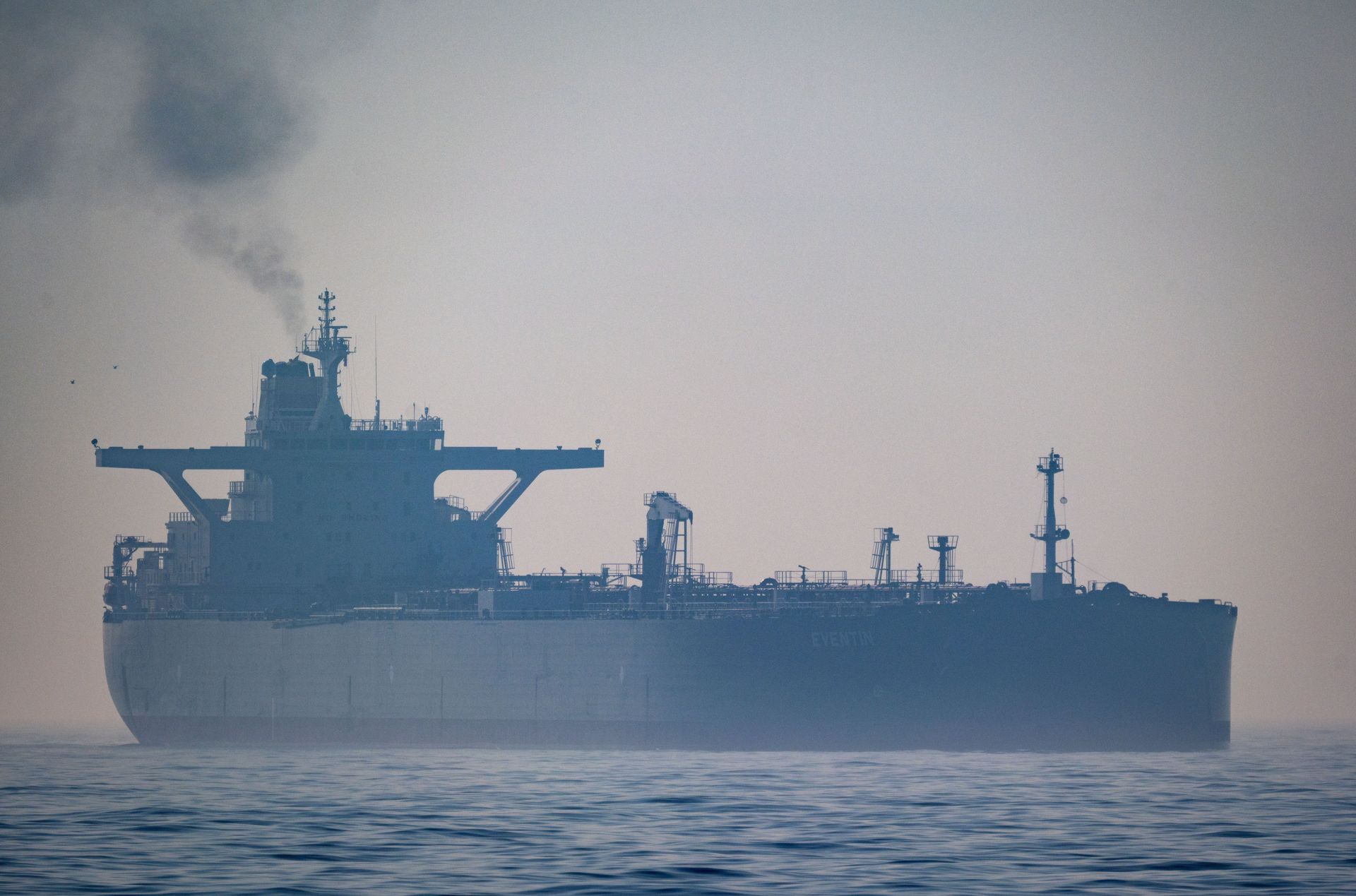
Higher oil prices due to the war are also a negative factor.
"The price of oil could jump to $100 per barrel, or even higher," Fesenko said. "That is dangerous for us, since Russia could benefit from it. It would mean additional oil revenues for Russia — which is precisely the main source of funding for the war."
Another piece in the puzzle is how Iranian military aid to Russia could be affected.
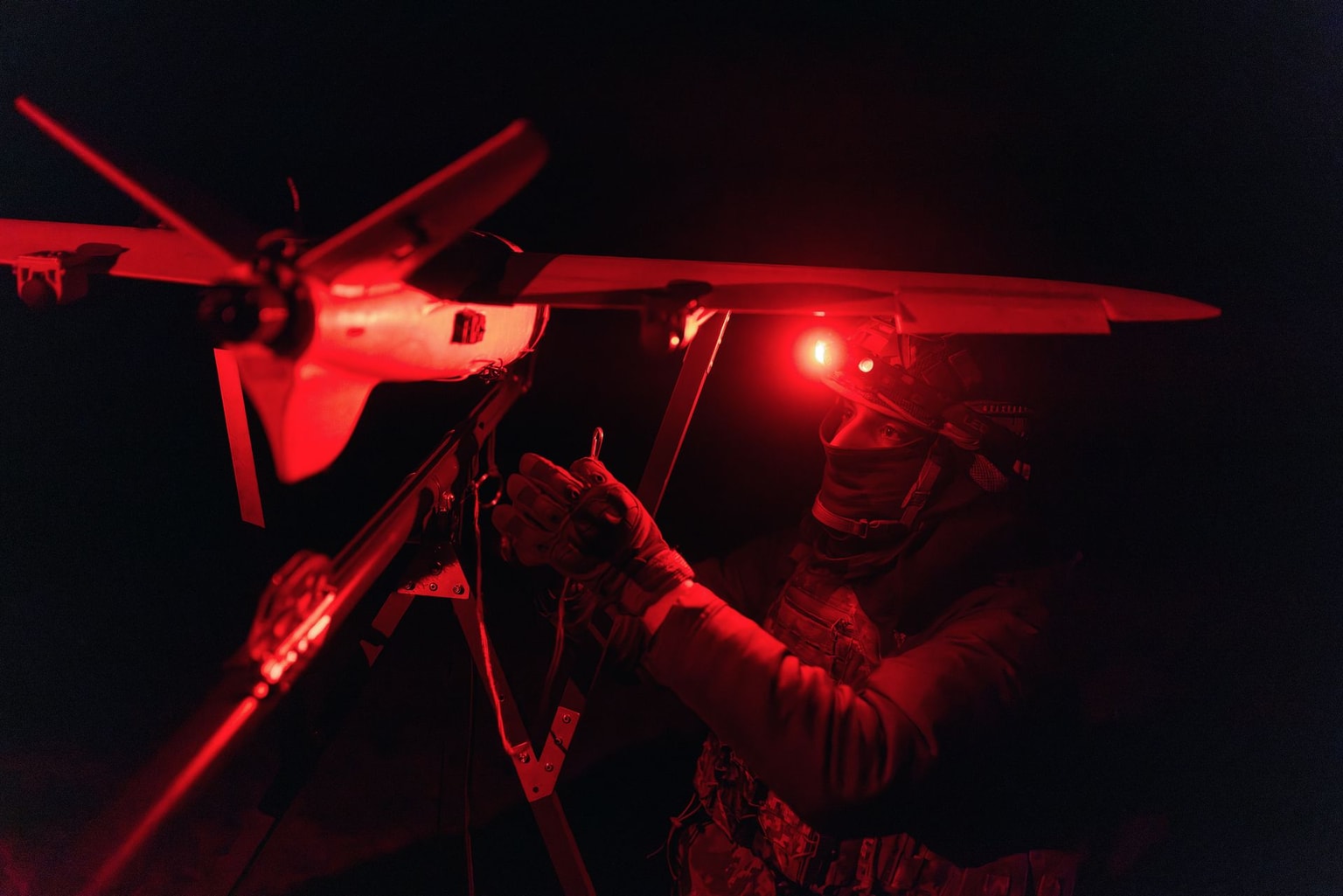
During the full-scale invasion, Iran has lent a hand to Russia by supplying Shahed combat drones, which are constantly used to attack Ukrainian cities. But analysts say that currently, Russia produces them on its own, and Iran's help is not needed.
"I am skeptical it will have much impact on Ukraine, because the Iranians no longer provide significant material support," Matthew Savill, director of military sciences at the Royal United Services Institute, told the Kyiv Independent.
"The Russians have expanded production of their Geran copies of the Shahed, and the more significant support comes from Chinese components supporting the Russian war effort."