Ukraine condemns Hungarian, Slovak 'ultimatums' amid energy dispute
 on Google


Editor's note: This article was updated to include the latest statement from Ukraine's Foreign Ministry.
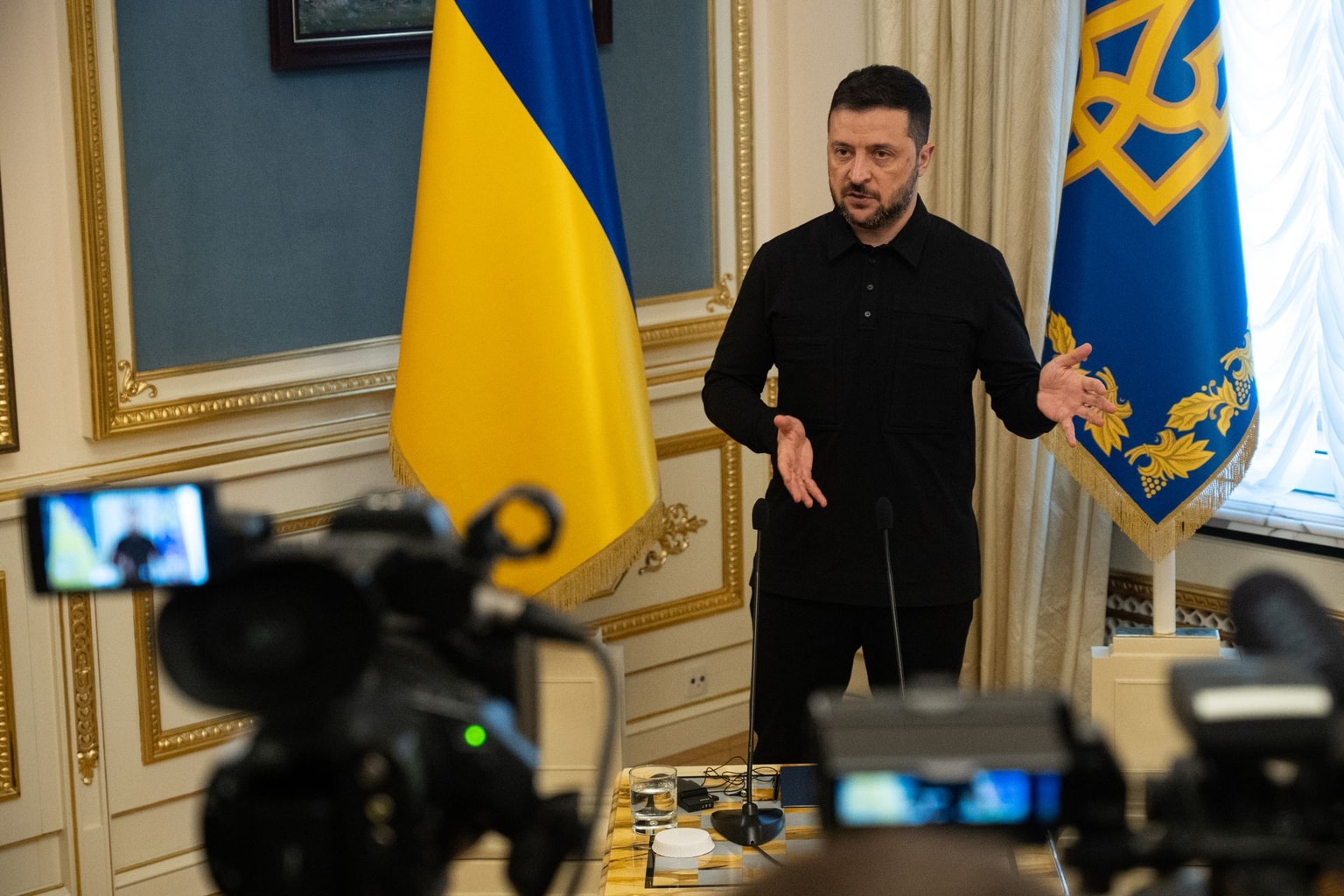
Ukraine's Foreign Ministry on Feb. 21 condemned what it described as "ultimatums and blackmail" from Hungary and Slovakia after the two countries threatened to halt emergency electricity supplies amid a growing dispute over Russian oil transit through the Druzhba pipeline, and as Ukraine grapples with a worsening energy crisis.
"Such actions, in the context of massive and targeted Russian strikes on Ukraine's energy infrastructure, are provocative, irresponsible, and threaten the energy security of the entire region," the ministry said in a statement.
"The governments of Hungary and Slovakia are not only playing into the hands of the aggressor, but also harming their own energy companies that supply energy on a commercial basis."
Kyiv said it remains in constant contact with the European Commission regarding damage caused by daily Russian strikes and has informed Budapest and Bratislava about the consequences of attacks on the Druzhba oil pipeline infrastructure. Repair and stabilization work is ongoing despite the continued threat of missile strikes, the ministry added, and Ukraine has proposed alternative routes for supplying non-Russian oil to Hungary and Slovakia.
"Ukraine has always been, is, and will remain a reliable energy partner of the EU," the statement read. However, in light of what it described as "unfounded and irresponsible threats," Kyiv said it is considering activating the Early Warning Mechanism under the EU-Ukraine Association Agreement.
"Ultimatums should be sent to the Kremlin, and certainly not to Kyiv," the ministry said.
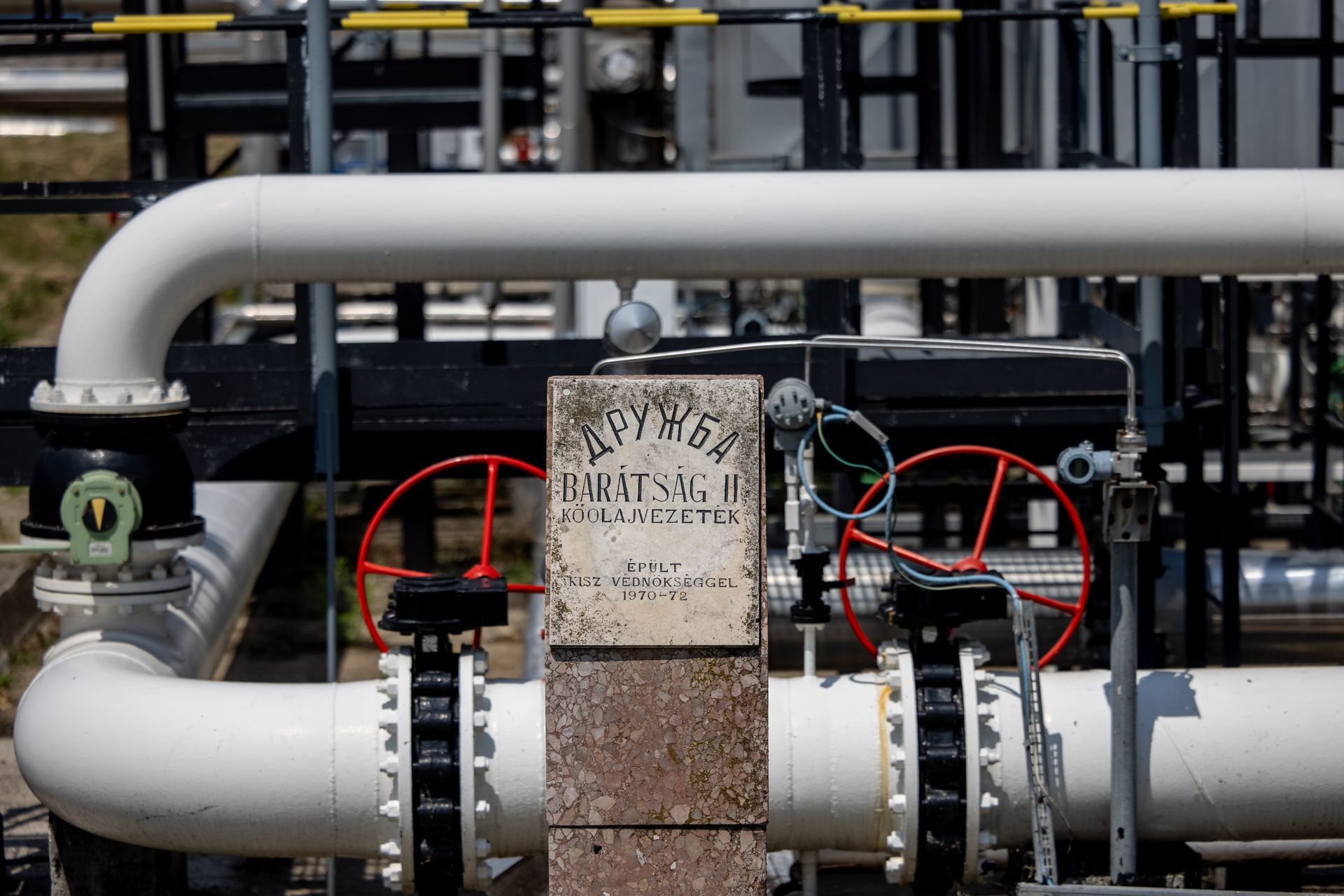
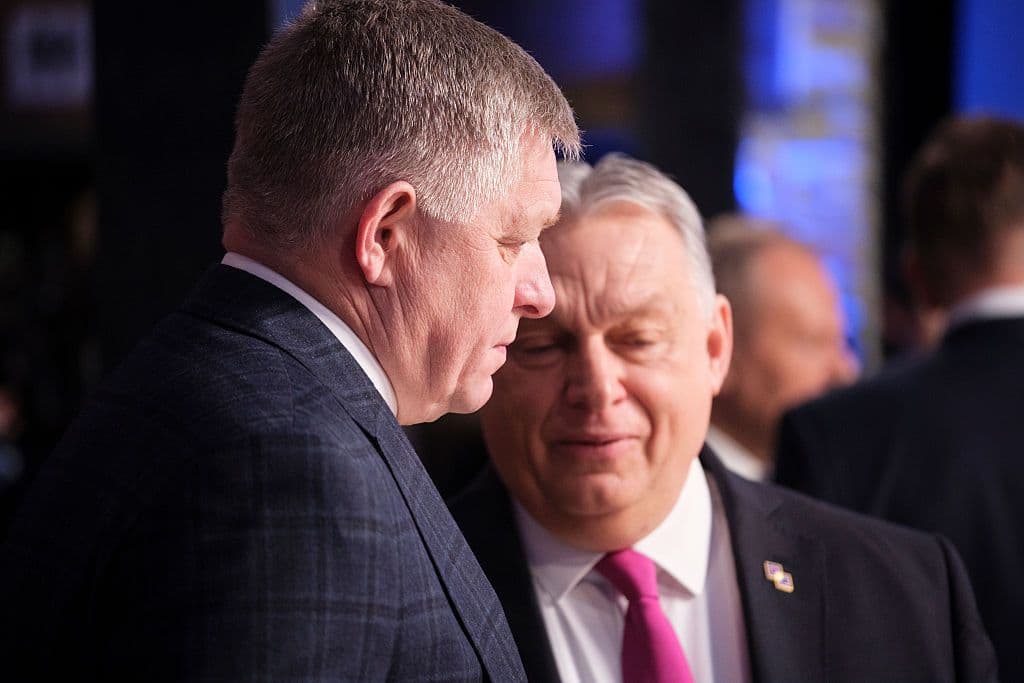
The statement came after Slovak Prime Minister Robert Fico and Hungarian Prime Minister Viktor Orban accused Kyiv of halting Russian oil transit through the Druzhba pipeline, after Russian strikes damaged Ukraine's energy infrastructure in late January.
Fico claimed Ukraine was deliberately stalling repairs and restarting of the pipeline, which carries Russian oil to Hungary and Slovakia — the last two EU states dependent on Russian crude.
"If the Ukrainian President does not resume oil supplies to Slovakia on Monday, on that same day I will ask the relevant Slovak companies to stop emergency electricity supplies to Ukraine," Fico wrote on X. "In January 2026 alone, these emergency supplies, needed to stabilize the Ukrainian energy grid, were required twice as much as during the entire year of 2025."
Orban also said he does not rule out cutting electricity exports if oil flows are not restored.
"If we stop that, bad things could happen," he told reporters at an event in the city of Bekescsaba, according to Hungarian outlet Telex.
With Russian strikes tearing apart Ukraine's power plants, the country is in the grip of a severe energy crisis. Last month, Ukraine drastically increased electricity imports from the European Union, overseen by the European Network of Transmission System Operators for Electricity (ENSOE).
Slovakia makes up some 17% of Ukraine’s electricity imports, Ukraine’s state-grid operator, Ukrenergo, told the Kyiv Independent. Hungary has a much higher share at around 45%, according to RBC Ukraine.
Hungary and Slovakia have previously followed through with their threats, including earlier this week when they stopped diesel exports to Ukraine. However, if Slovakia proceeds with cutting emergency electricity supplies on Feb. 23, it would be breaking energy market rules, said Polish energy expert Wojciech Jakobik.
"It would be costly for Slovakia to do it in an uncoordinated manner because it is not only about bilateral energy trade, but also European-Ukrainian trade. We are on the same market that is ruled by open access to the grids, and it is regulated by multiple rules," he told the Kyiv Independent. "Slovakia could do something on its own on a technical level, but it is questionable on the basis of common energy policy and international relations."
Ukraine's Energy Ministry declined to comment on the issue.
Budapest and Bratislava have sought alternative routes, asking Croatia to facilitate deliveries via the Adria pipeline. Croatian Economy Minister Ante Susnjar said Zagreb refused to transport Russian oil.
The Druzhba pipeline, one of the world's largest oil networks with a capacity of about two million barrels per day, remains a critical supply route for Hungary and Slovakia.
Ukraine has argued that continued reliance on Russian energy undermines efforts to cut off funding for Moscow's war, while Russian strikes — and Kyiv's own attacks on energy infrastructure inside Russia — have further complicated the pipeline's future.