Ilya Yashin launches a party for a Russia that doesn't exist
 on Google
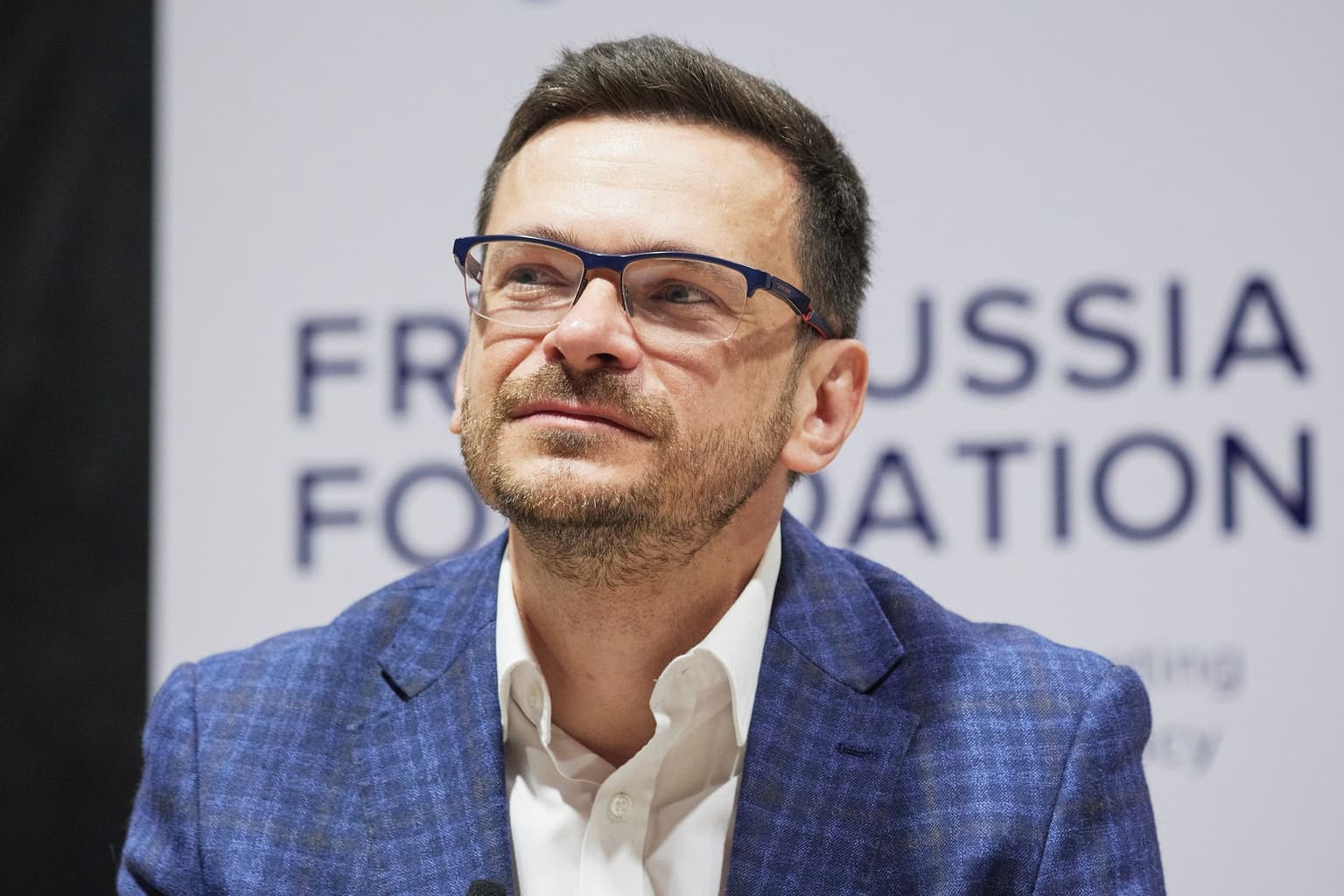
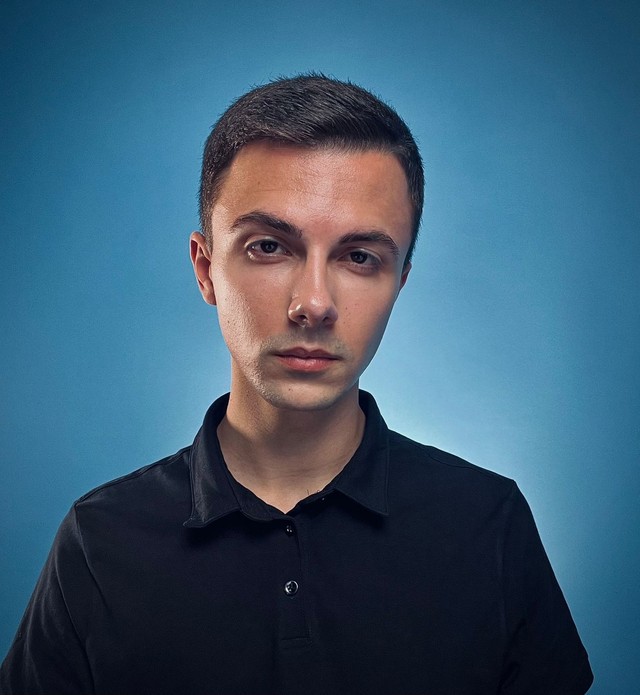
Exiled Russian opposition figure Ilya Yashin has announced plans to launch a new political party aimed at uniting Russians opposed to President Vladimir Putin.
The unnamed project, lacking a defined team or political platform, seeks to offer an alternative to the Kremlin at a time when Russia's opposition operates largely from abroad and remains fractured, with its ability to influence domestic politics remaining low.
Yashin, a longtime Kremlin critic, was imprisoned in 2022 over statements condemning Russia's war against Ukraine in a case widely denounced as politically motivated. He was released in 2024 as part of a high-profile prisoner exchange.
In a YouTube address, Yashin said the creation of a party — even one operating outside Russia — would send "a clear signal" and help unite like-minded individuals.
"We are raising the banner and openly declaring that there is a political and organized coalition of people whose goal is to come to power in Russia," Yashin said on March 19.
He didn't disclose who, besides him, has joined his party.
He argued that Russia's full-scale invasion of Ukraine in 2022 severed the country's political ties with Europe, leaving what he described as a vacuum.
"A vacuum remains, which we can fill and provide political representation for Russians," Yashin said, adding that the party would also seek to represent anti-war Russians in European institutions.
The party, lacking all the key features of a political project, will adopt a collegial leadership structure, Yashin said. He refused to talk to the Kyiv Independent about the newly announced project.
This development comes amid the broader challenge facing the Russian opposition, which remains deeply divided.
Groups linked to the late Alexei Navalny, independent activists, and other political figures often refuse to cooperate, leading to rivalries and internal conflicts that weaken their ability to present a united front against the Kremlin.
Yashin's move has also drawn little support from other notable political activists, with the project's existence, support and future looking uncertain.
The reality inside Russia
Russia's political system remains tightly controlled, with all the power concentrated in the Kremlin.
While multiple parties formally exist, independent opposition groups face systemic barriers, including legal pressure, exclusion from elections, imprisonment, and exile.
Many opposition figures who remained in Russia have been jailed or forced into silence.
Yashin acknowledged that the opposition currently has no pathway to participate in Russia's formal political process but argued that conditions could change.
He pointed to historical precedents, noting that opposition parties founded in exile during the late 19th century later entered politics after the collapse of the Russian Empire.
"Time passed, and some of these parties took part in elections after the emperor's abdication," Yashin said, hinting that the party is eyeing elections in post-Putin Russia.
Yashin implicitly acknowledges that meaningful change in Russia may require the collapse of the current system.
At the same time, the politician stopped short of indicating that his own movement intends to directly challenge that system.
Eyes on Europe, not Moscow
Despite his long-term ambition to take power in Russia, Yashin's project is widely seen as focused on engagement with European institutions rather than direct political competition inside Russia under current conditions.
The announcement comes shortly after the Parliamentary Assembly of the Council of Europe launched a platform for dialogue with exiled Russian opposition figures, signaling a shift in how European bodies interact with Kremlin critics.
It remains unclear whether Yashin's party plans to cooperate with the representatives already chosen for that platform, as he himself was not among them.
Yashin's project may instead seek to challenge them directly, continuing a pattern of infighting within the opposition.
The party's founding convention is scheduled for the summer of 2026.
Whether this initiative can translate into meaningful influence — either in European institutions or, eventually, inside Russia — remains an open question.