Russian-occupied Zaporizhzhia nuclear plant left with just 22 reactor operators, far below safety levels
 on Google
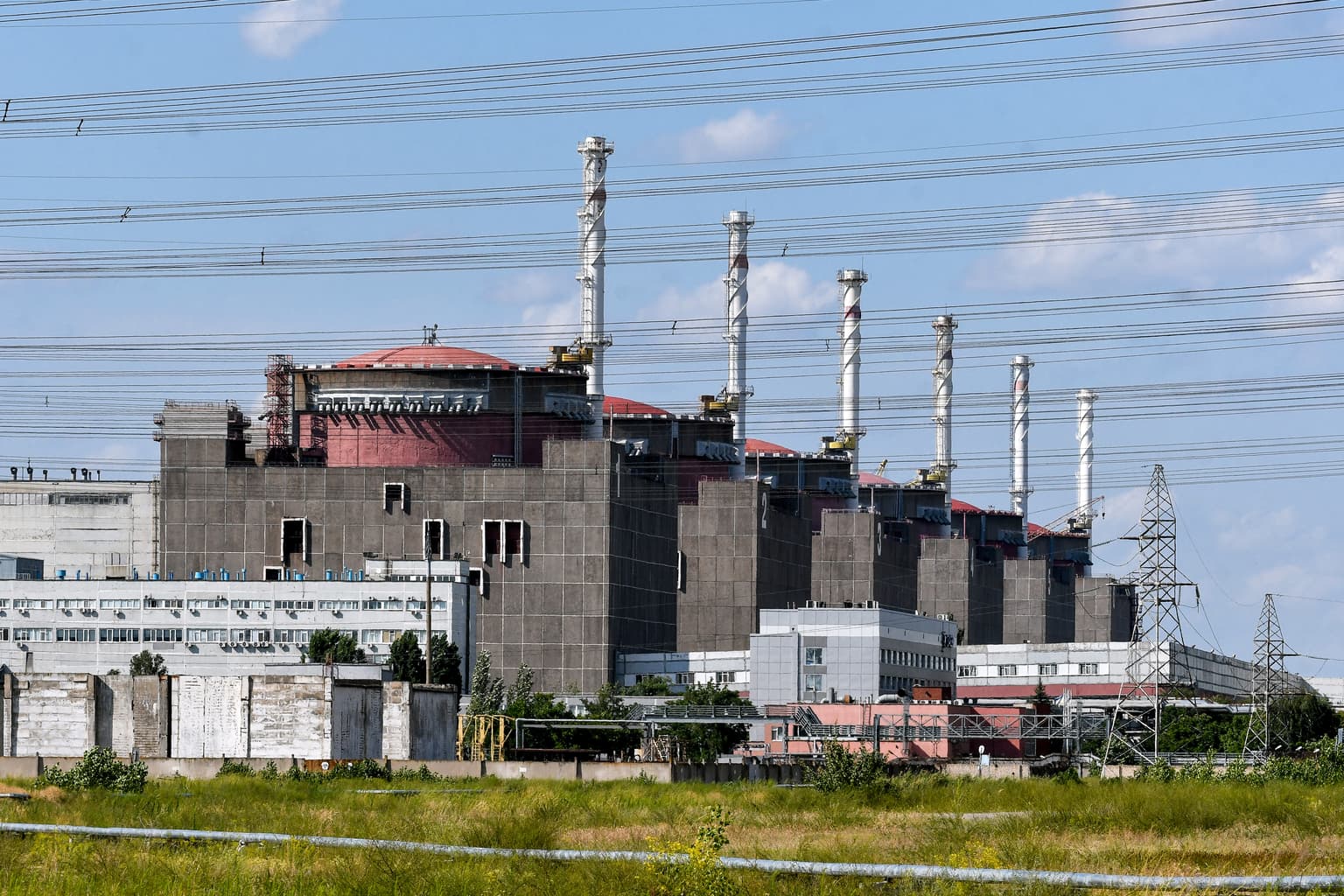
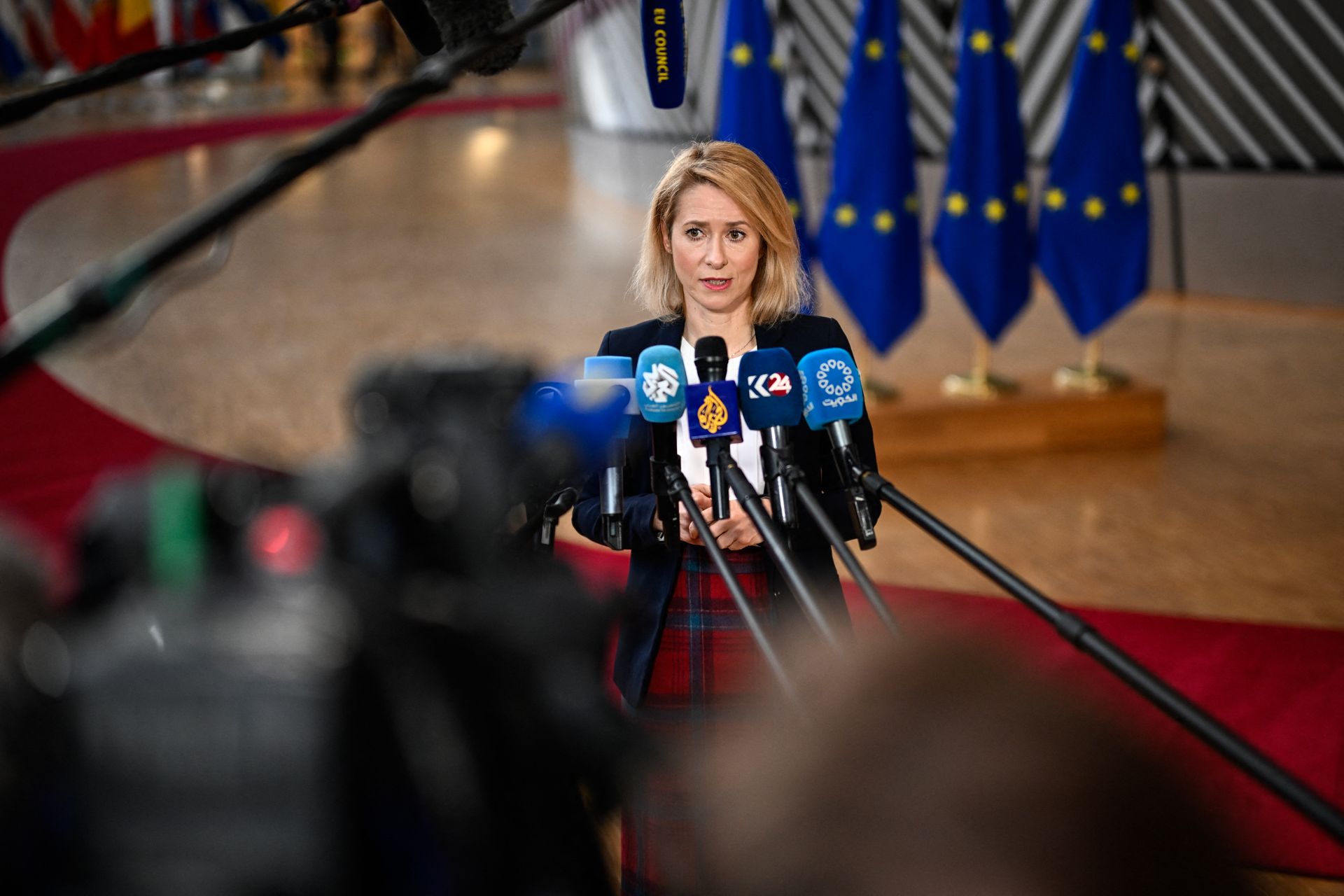
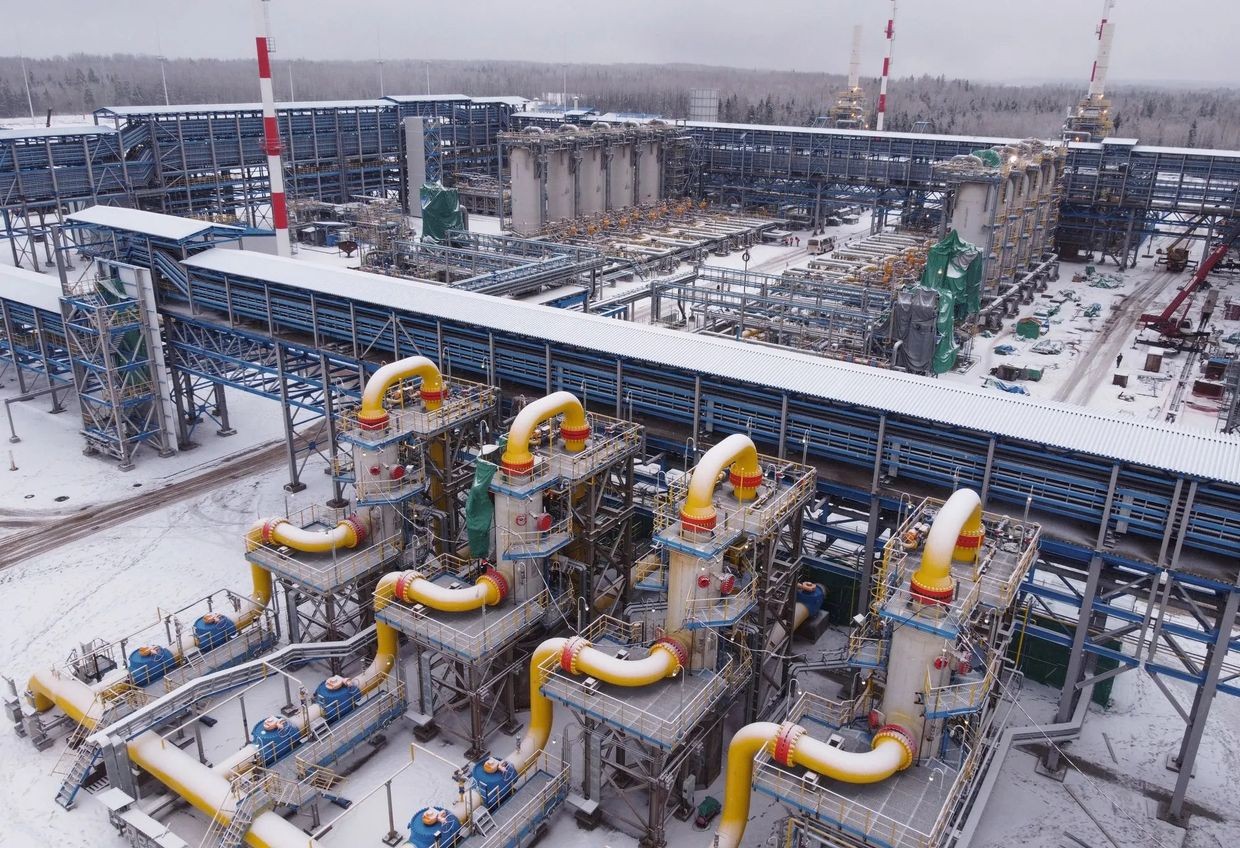
Nearly four years after Russia occupied the Zaporizhzhia nuclear power plant, thousands of employees have fled or gone into hiding — leaving just 22 licensed nuclear specialists where hundreds are needed to run the plant safely, a representative of Ukraine's state-run nuclear firm Energoatom said at a briefing in Kyiv organized by Legal Action Worldwide on Feb. 23.
The plant, legally owned by Energoatom, once employed 159 licensed specialists — the only people authorized to directly operate the plant’s six nuclear reactors, which, prewar, provided over a fifth of Ukraine’s electricity.
After Russia occupied the plant in March 2022 — the first nuclear plant to be occupied globally — more than half of the employees left, including 122 licensed operators. The staffing shortage and constant threats to employees are eroding nuclear safety at the plant, said Viacheslav Huba, chief consultant to the head of Energoatom.
"This demonstrates a severe shortage of qualified personnel. For six power units, at least three licensed operators must be on shift at any given time to ensure safety," Huba said.
"This is highly specialized work requiring around 10 years of training."
Since 2022, Russia has attempted to restart the plant under the illegal management of its state-run nuclear firm, Rosatom, and connect it to the Russian energy grid. Restarting the plant would pose serious nuclear risks, since it relied on cooling water from the now destroyed Kakhovka reservoir, the International Atomic Energy Agency has said.

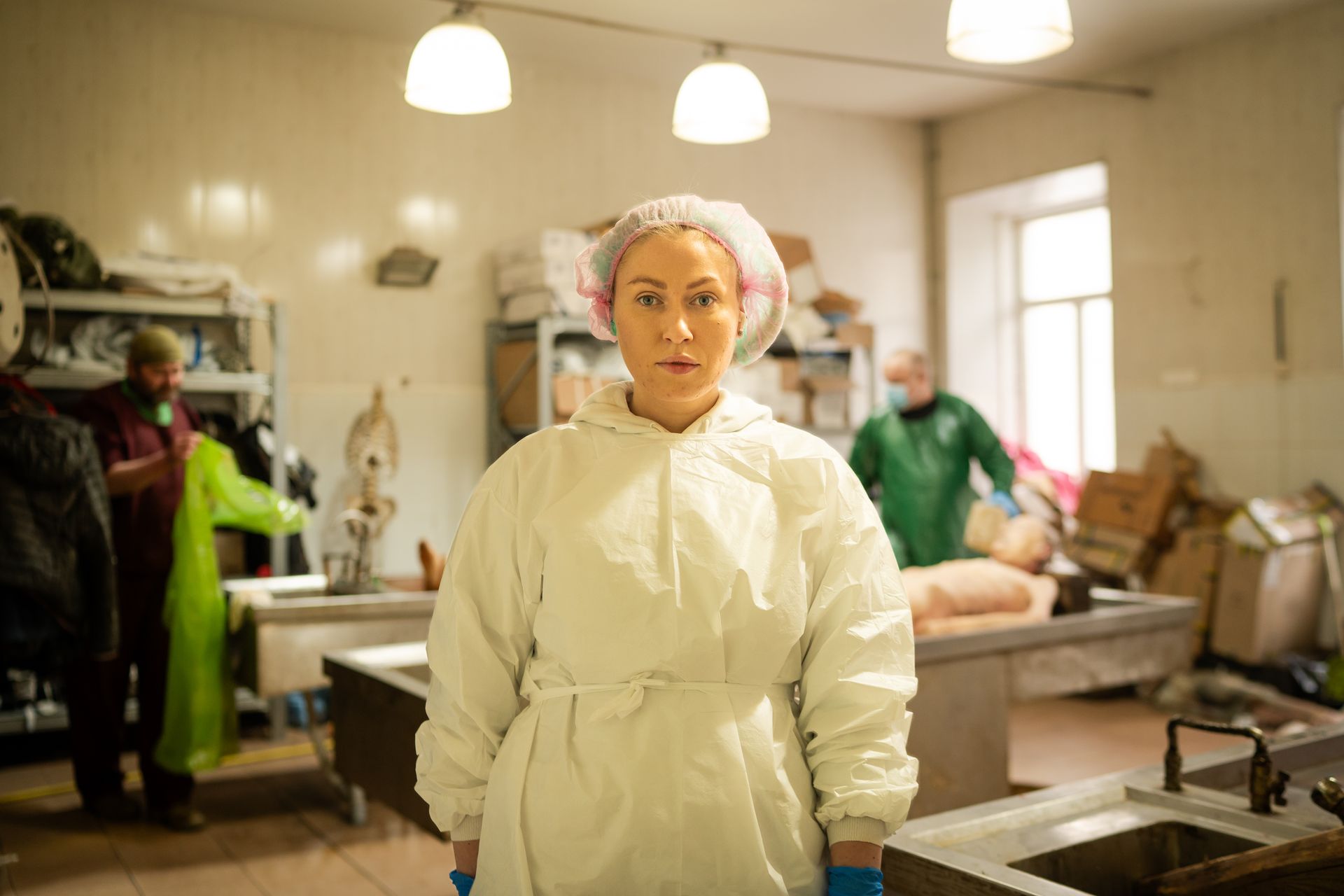
According to Energoatom, employees at the plant faced pressure, sometimes physically, to sign contracts with Rosatom. Despite the risks, 2,500 refused the contract, including 15 licensed reactor operators, with many now in hiding. Russia has tortured and unlawfully detained those who refused, Huba said.
In response to the unlawful detentions, Legal Action Worldwide, an NGO, submitted a complaint to the UN on behalf of 10 detained victims on Feb. 23. The organization called for their release and an independent investigation, as the fate of the plant is debated as part of U.S.-brokered peace talks between Ukraine and Russia.
Under a U.S.-backed framework proposed late last year, the plant would be operated jointly by Ukraine, the United States, and Russia, with all three parties sharing economic benefits. The idea has been slammed by Ukraine as dangerous and unrealistic.
Employees who escaped would never go back to work alongside Rosatom employees because they fear being targeted by Russia’s secret service (FSB), said Huba. The plant can only be safely operated by its legal owner, Ukraine, he said.
"This idea contradicts common sense. Any discussions about joint management or shared ownership with Russia are inconceivable," Huba added.
According to an investigation by Truth Hounds, a Ukrainian NGO, at least 78 Ukrainian power plant employees have been illegally detained and subject to torture and abuse, including electrocution and starvation. During interrogations, Rosatom employees aid FSB agents, said Roman Koval, head of research at Truth Hounds, during the briefing.
Energoatom has documented 14 employees in long-term detention, with 10 sentenced to Russian prison for five to 25 years. The victims have been falsely charged with espionage, terrorism, high treason, and sabotage.
In one case, an employee was beaten to death in a police station after refusing to cooperate with the occupying authorities, Alina Grigoras, head of the Occupied Territory Unit at the UN’s Ukraine monitoring mission, told the Kyiv Independent.
"The wheels of justice are turning very slowly, but they are turning. Even if we cannot bring people home today, it's still important to work together to document so that there is evidence in the future when there is a trial," Grigoras said at the briefing.