Russia 'going all in' to destroy Ukraine's energy system as 70% of Kyiv left without power
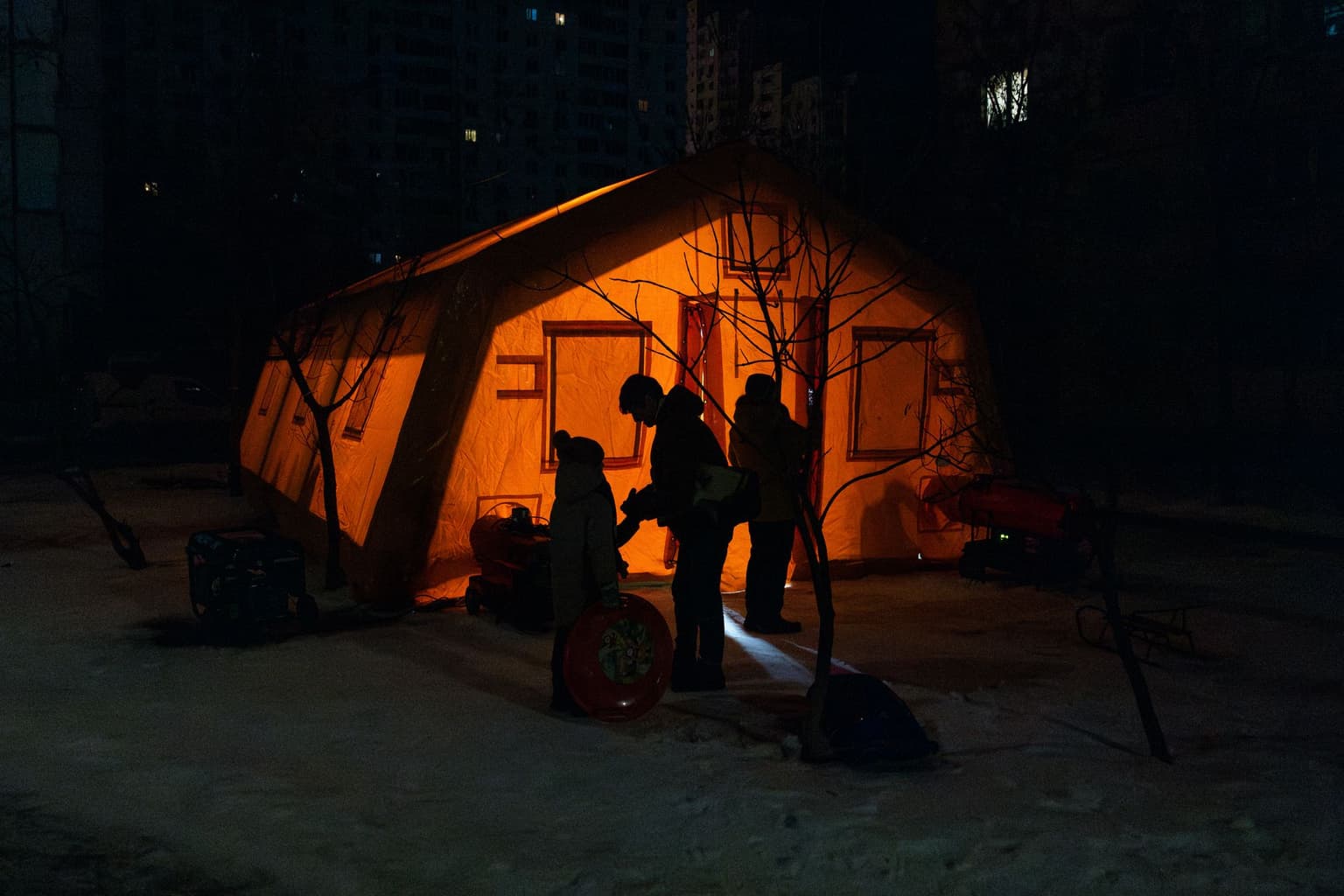
Kyiv residents gather near heating tents set up by the State Emergency Service for those whose homes were left without heating after strikes on critical infrastructure in Kyiv, Ukraine, on Jan. 10, 2026. (Andriy Dubchak / Frontliner / Getty Images)
 on Google
Editor's note: This is a developing story and is being updated.
Russia is "going all in" to destroy Ukraine's energy infrastructure after the second mass attack in less than a week, Deputy Energy Minister Mykola Kolisnyk said on Jan. 13.
"Today, the enemy launched an attack with an interval of no more than five days after the previous one... we see that the enemy is going all-in, spending all its forces and means to destroy the energy system," Kolisnyk said in comments reported by Liga.net.
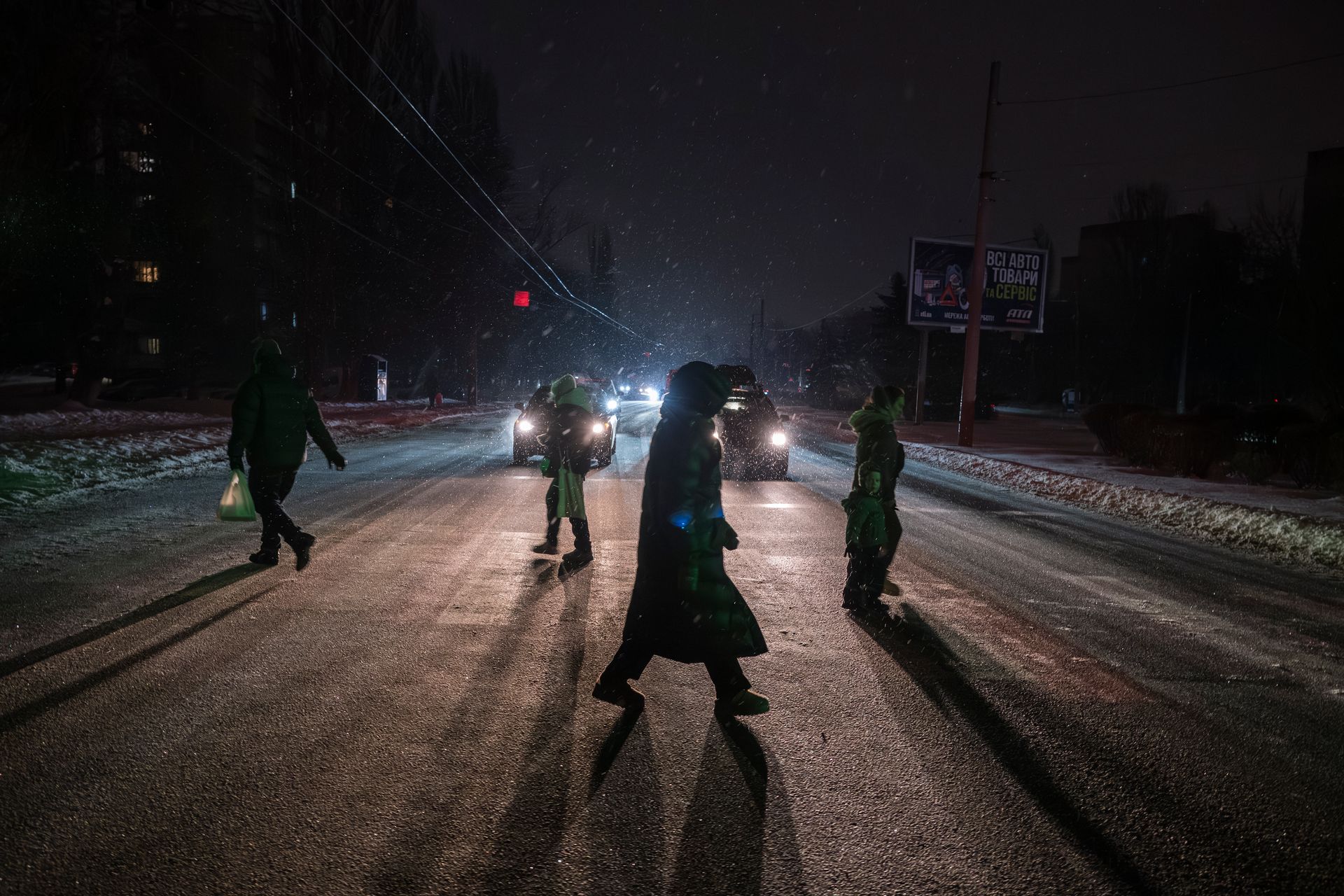
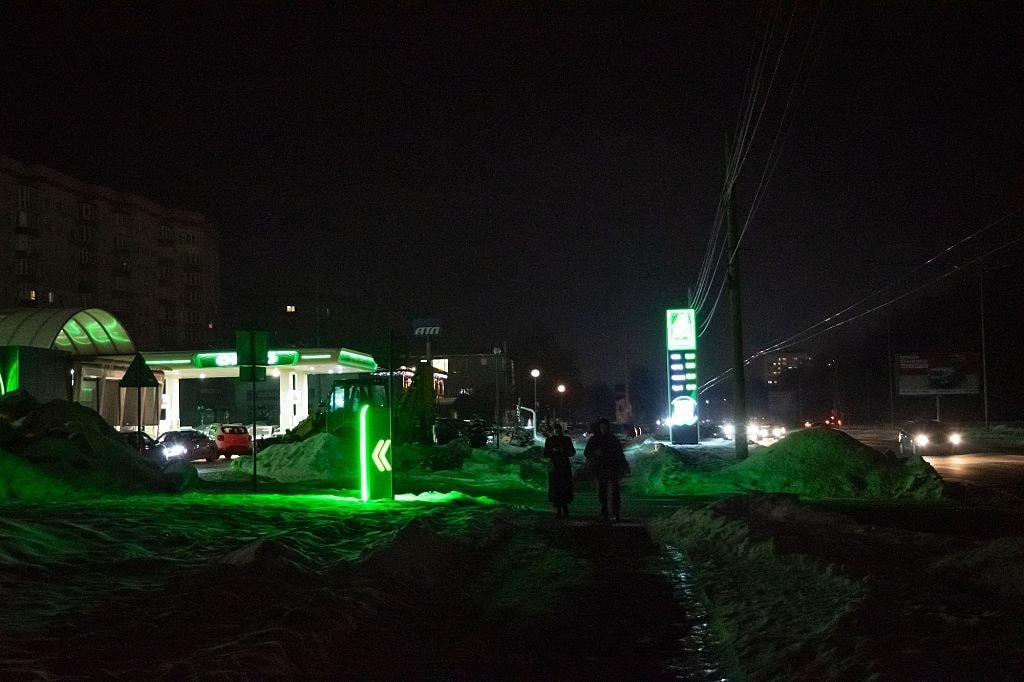
Around 70% of Kyiv is without electricity after yet another Russian mass strike overnight on Jan. 13, with Ukrenergo, the state-owned grid operator, saying Moscow's forces aim to "disconnect the city."
Already facing chronic power shortages in freezing temperatures forecast to plunge as low as -22 in the coming days, the latest attack comes just four days after the last mass assault on civilian infrastructure.
Ballistic missile explosions rocked Ukraine's capital at around 1:10 a.m. local time on Jan. 13, according to Kyiv Independent journalists on the ground. Additional explosions were also heard around 8:30 a.m. local time.
The Kyiv suburbs of Bucha, Hostomel, and Irpin were reportedly left without power and running water following Russian strikes. Emergency power outages have also largely been implemented in Kyiv and parts of Kyiv Oblast, Ukrenergo reported.
"The Russians are trying to disconnect the city and force people to move outside (Kyiv)," Vitaliy Zaichenko, Ukrenergo CEO, told the Kyiv Independent, saying a number of substations had been hit overnight and "70% of Kyiv is without electricity."
"We have information that Russia is ready to start the next wave of attacks with cruise missiles," he added.
DTEK, Ukraine's largest private energy company, said its thermal power plant was attacked again, with equipment at the facility damaged as a result of the strike. The company noted that this was the eighth attack on its thermal power plants since October last year.

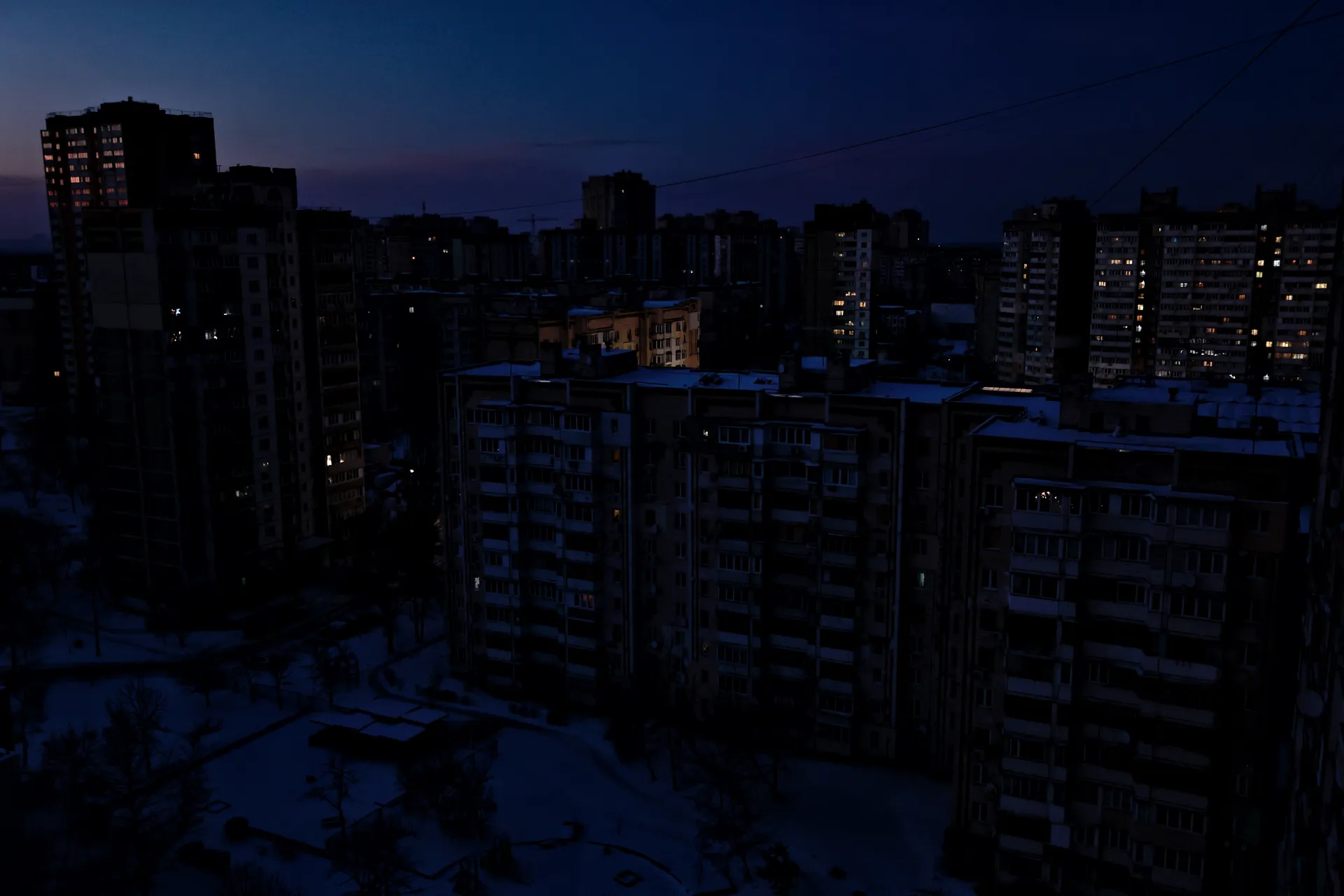
Supermarket chains Novus and Silpo announced they would be closing some stores in the capital due to the energy crisis. Later on Jan. 13, Kyiv authorities said the city's electric tram service was being replaced with buses.
According to Ukraine's Air Force, Russia launched 18 ballistic missiles, seven cruise missiles, as well as 293 Shahed-type drones. Energy infrastructure in Kharkiv, Zaporizhzhia, and Dnipropetrovsk oblasts was also targeted.
A combined missile and drone attack on the outskirts of Kharkiv killed at least four people and injured six others, regional authorities reported on Jan. 13.
Previously, overnight on Jan. 9, Russia launched a mass missile and drone attack, killing 4 and injuring 24 others in Kyiv. In the aftermath, Ukraine's capital was left without electricity, heating, and running water just as some of the winter's coldest days approached.
Immediately following the attack, approximately 6,000 buildings in the city were left without power. As of Jan. 12, about 800 residential buildings remain without electricity as crews work to restore power, according to Kyiv Mayor Vitali Klitschko.
"Maybe this wasn't the worst attack, but this is the worst impact we've seen. Compared to all previous winters, the situation now is the worst," Olena Pavlenko, president of the Kyiv-based energy-focused think tank DiXi Group, told the Kyiv Independent.