Russia wants to ban those over 60 in occupied Ukraine from receiving calls from abroad
 on Google
Russia plans to ban those aged over 60 living in occupied areas of Ukraine from receiving calls from abroad, potentially preventing them from communicating with relatives, Ukraine's authorities reported on March 25.
Oleksii Kharchenko, the head of Ukraine's Luhansk Oblast Military Administration, said Russia is trying to "severely limit" communication between family members separated because of the war.
People living in Ukraine-controlled areas cannot safely visit loved ones in occupied areas due to active front-line battles and strict filtration processes when trying to travel to occupied territories through third countries like Belarus.
Many Ukrainians under Russian occupation are unable to leave their homes for various reasons, such as ill health, making phone and internet the only means to stay in touch with their relatives.
"Control over the population (in occupation) is tightening every day," Kharchenko said.
This is just one step in Russia's effort to control information in occupied Ukraine.
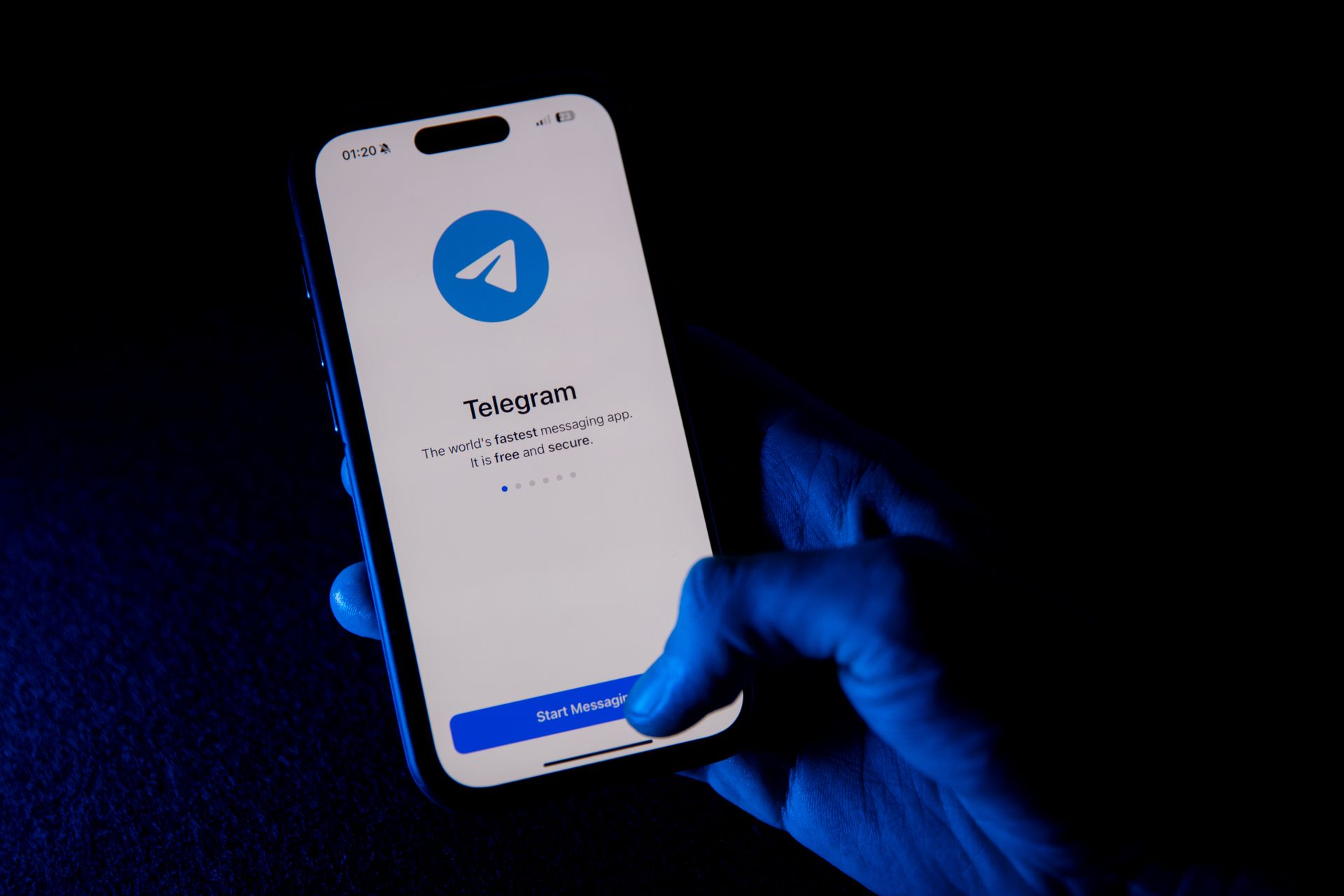
On March 22, the Luhansk Oblast Military Administration reported that Russia was blocking Telegram, a popular messaging app among Ukrainians, as well as VPN services, which are often used to bypass internet restrictions.
Ukraine's partisan group Atesh said on March 17 that Russian occupational authorities tried to block the internet in the occupied part of Zaporizhzhia Oblast.
According to Atesh, Yevgeny Balitsky, the Russian-installed head of the occupied part of Zaporizhzhia Oblast, appealed to Russian authorities to allow a complete internet shutdown in the region.