Why Russia’s attacks on Ukraine’s energy grid aren’t ‘revenge’ for Kyiv’s deep strike campaign
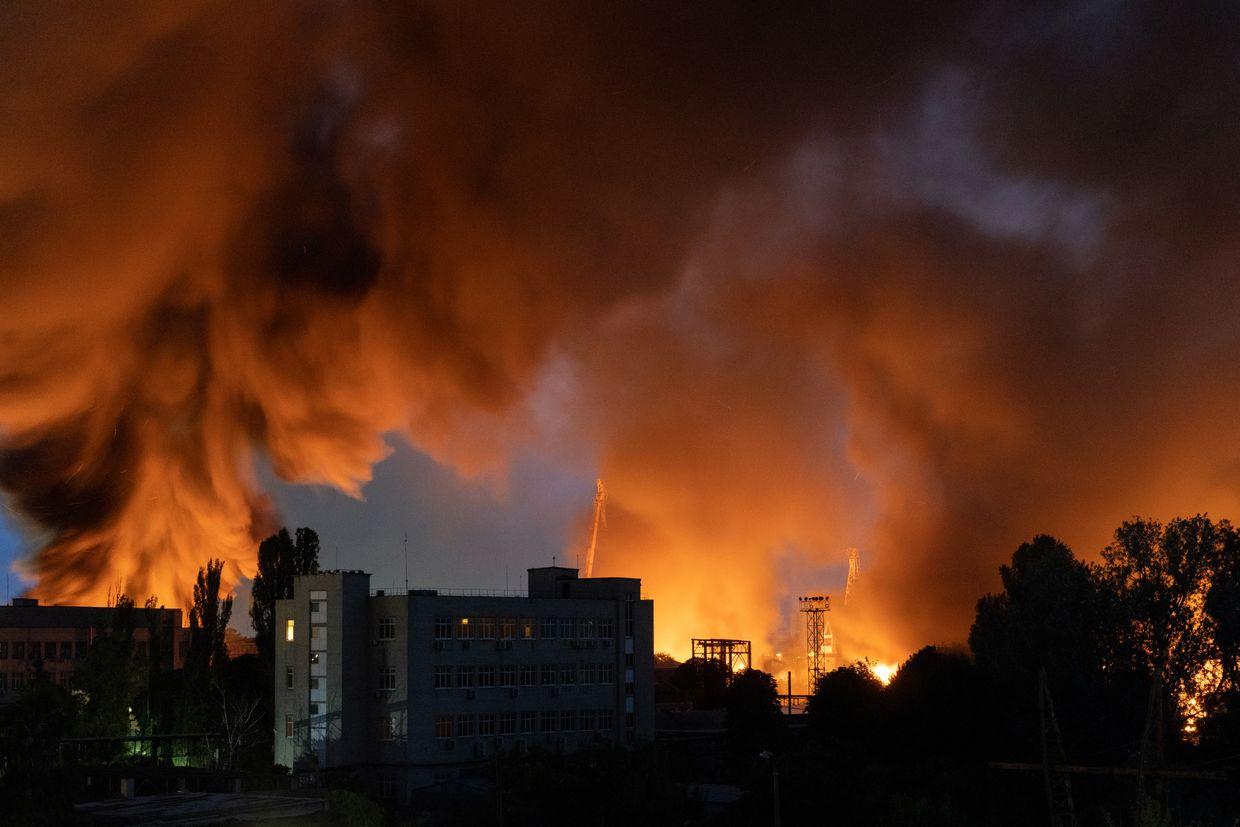
Fire and smoke are visible after Russian drone strikes on June 10, 2025 in Kyiv, Ukraine. (Oles Kromplias/Global Images Ukraine via Getty Images)
 on Google
After its largest winter mass attack on Feb. 3, Russia's Defense Ministry said the strikes on Ukrainian energy infrastructure were carried out "in response to terrorist attacks by Kyiv on civilian objects" in Russia. Some state media described the attack as "another act of retribution."
It's an old story — the first mass Russian strike on Ukraine's civilian infrastructure in October 2022 was framed by Russian President Vladimir Putin as retaliation for Kyiv's first successful strike against the Crimean Bridge, a key military logistics route on the occupied peninsula.
Since then, Russia has repeatedly framed repeated large-scale attacks as "responses," "revenge," or "forced measures." Just last month, a State Duma official called for the use of more powerful "weapons of retaliation."
It's a common theme from the Kremlin and its supporters. It's also completely false for several reasons.
Self-defense
The idea that any Russian strike is retaliation for Ukrainian military actions ignores one crucial factor — Russia and Russia alone started the full-scale invasion of Ukraine.
"The retaliation narrative risks creating false equivalency between Russian international aggression, and Ukraine’s justifiable efforts to defend itself.," the Razom Advocacy Team wrote in an article in response to the October 2022 strike.
If that weren't enough, there are also huge differences in both the tactics and the targets of Russian and Ukrainian long-range strikes.
The targets
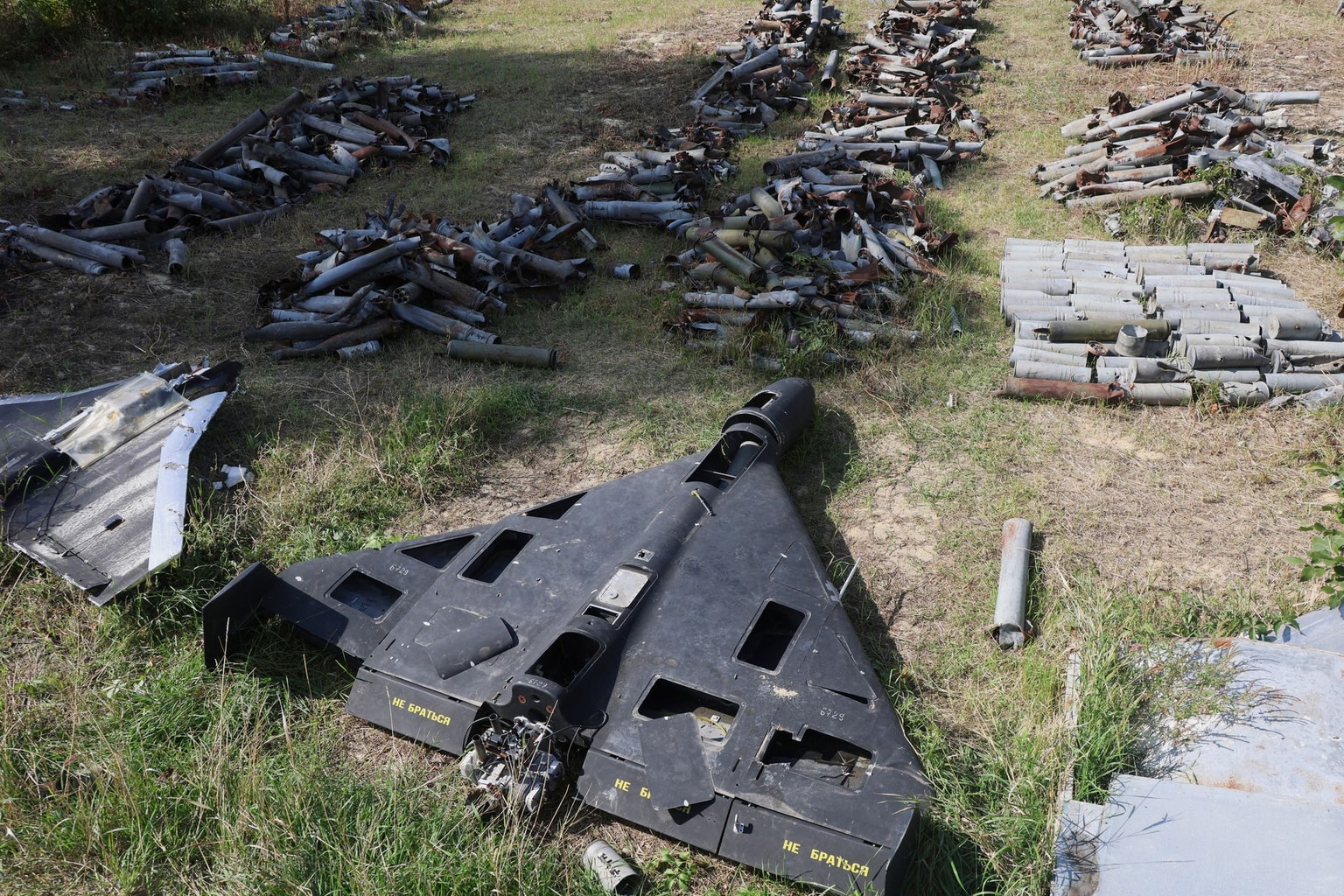
Russia's now years-long campaign of mass missile and drone strikes have consistently targeted civilian infrastructure, often located in densely populated cities.
Take the strike on Feb. 3 for example — 71 missiles and around 450 drones hit combined heat and power plants and thermal power stations in Kyiv, Kharkiv, and Dnipro.
"This was a deliberate strike on energy infrastructure, with a record number of ballistic missiles," President Volodymyr Zelensky said.
Such strikes regularly result in the deaths and injuries of civilians. A drone strike on Kharkiv this week killed three toddlers and their father, and also injured their pregnant mother.
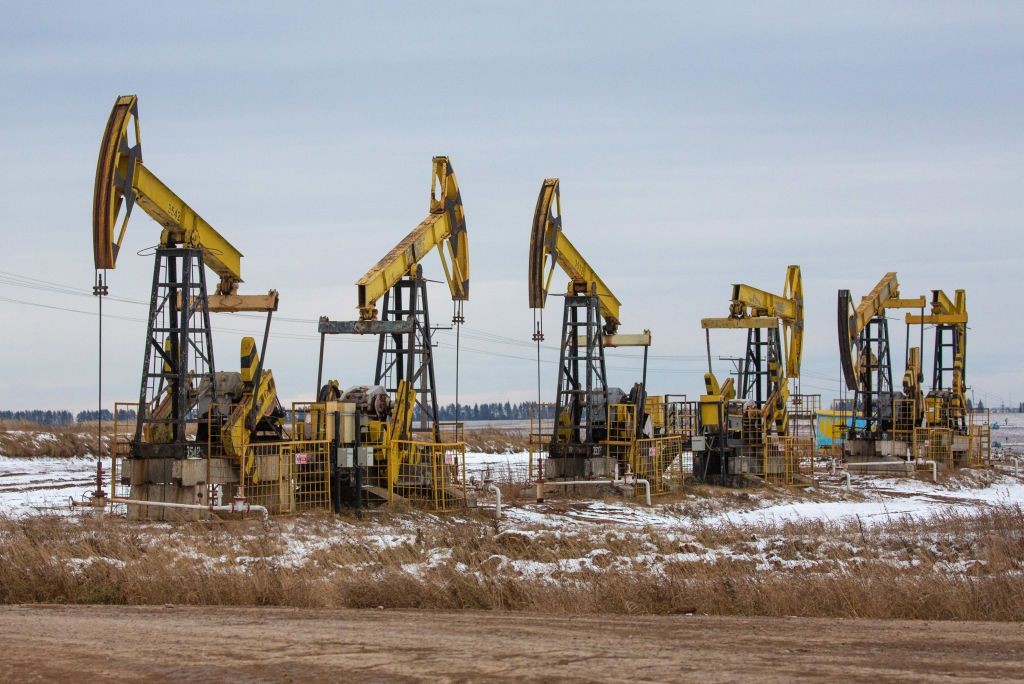
Ukrainian long-range strikes target a very different type of energy infrastructure — the oil refineries used to produce the oil that the Kremlin sells to fund its war machine.
And because of the toxic pollutants these facilities emit, they are usually located far from cities and other urban areas with civilian casualties vanishingly rare.
"Russian attacks on Ukraine's energy generation facilities appear designed specifically to affect civilians," Michael Clarke, a British defense expert and professor at King's College London, told the Kyiv Independent, adding that such strikes are "automatically evidence of a war crime."
The evidence for the effect of these strikes on civilians is currently visible across Ukraine right now — much of the population is struggling with blackouts, lack of heating, and sometimes even lack of water during one of the coldest winters in years.
"Ukrainian attacks, by contrast, target oil and fuel infrastructure that sustains Russia's war effort — a legitimate set of economic targets," he added.

Ukraine's strategy
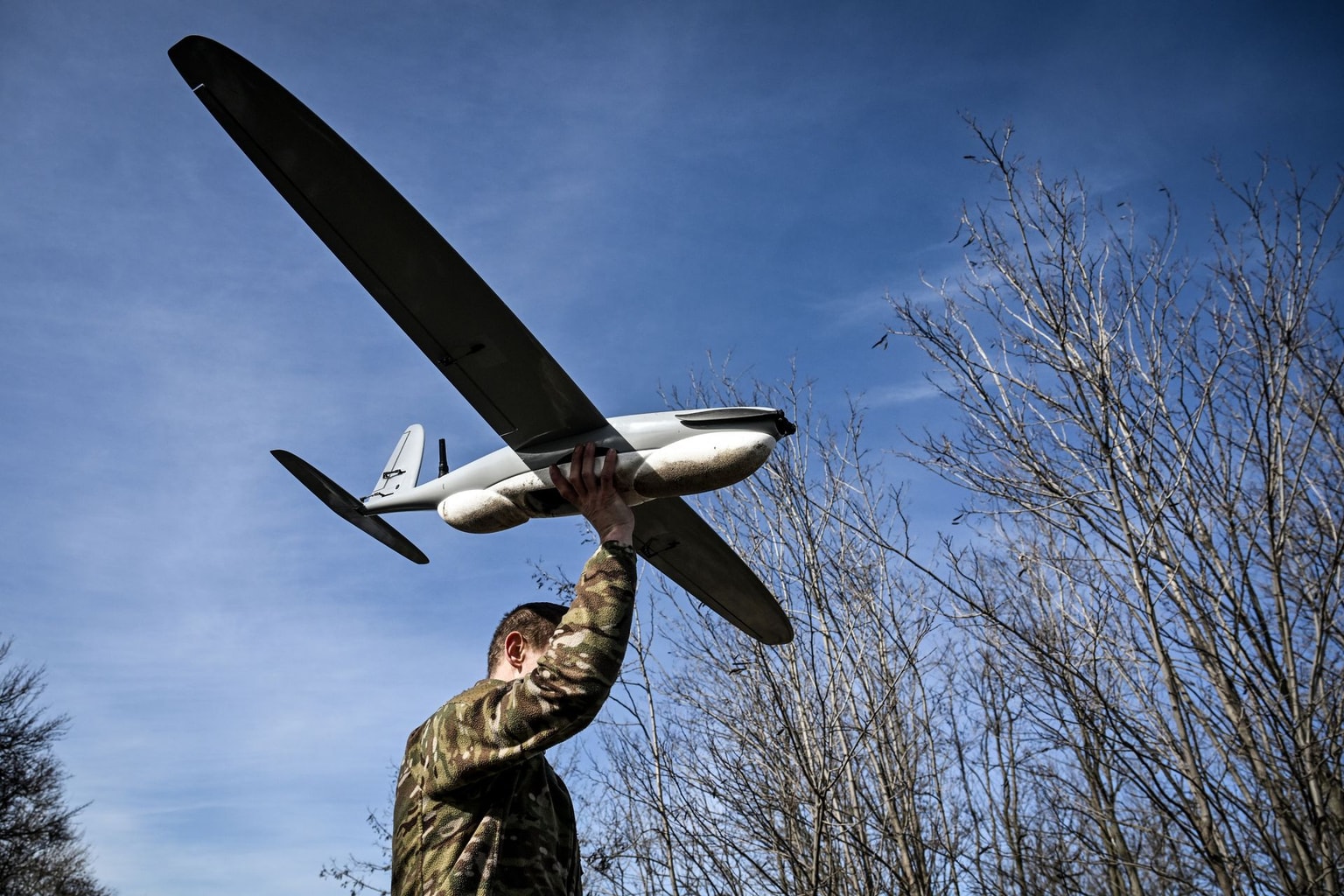
Ukraine has openly acknowledged its campaign of long-range strikes, which escalated and expanded greatly over 2025.
Ukraine's General Staff, as well as the Security Service of Ukraine (SBU) and military intelligence (HUR) regularly report attacks on oil production and refining facilities.
"Ukraine is trying to increase the economic costs of the war for Russia and create a sense among the Russian population that this war will not be cost-free as it continues into a fourth year," Clarke said.
In official statements, the operations are framed as systematic efforts to weaken Moscow's military capacity.
"Ukraine's Defense Forces will continue to carry out measures aimed at reducing the combat potential of the Russian aggressor," the SBU said following the last operation on Feb. 10.
Though energy facilities do not produce weapons, they underpin Russia's ability to wage war. Energy exports remain a core source of state revenue, funding a war budget that now consumes about 40% of federal spending.
"Russia sells oil, takes the money, and invests it in weapons. Those weapons are used to kill Ukrainians. That is why this energy sector is a legitimate target," Zelensky said on Feb. 8.
In addition, oil products, such as diesel and aviation fuel, are essential for powering tanks and armored vehicles at the front, supplying military transport, and fueling bombers and fighter jets conducting airstrikes.
In 2025 alone, Ukraine carried out nearly 160 strikes against oil production and refining facilities across Russia, former Security Service of Ukraine (SBU) head Vasyl Maliuk said in October 2025.
According to Maliuk, the campaign contributed to a 20% domestic fuel deficit in Russia, forced 37% of refining capacity to halt operations at various points, and led to fuel shortages in 57 regions. The disruptions prompted Moscow to temporarily ban gasoline exports through the end of the year.
And the strikes have only become more precise over time — in June 2025, U.S. and CIA officials worked with Ukrainian counterparts to target a specific type of pipe in the refineries that is exceptionally difficult to repair or replace, according to The New York Times.

Russia's strategy
In Russia's own long-range strike campaign, civilians and civilian infrastructure are among the hardest hit, with particular impact now on facilities supplying heat and electricity to residential areas.
The aim, Zelensky said, is not to weaken Ukraine's armed forces, but to break society under the strain of cold, and darkness.
"When Russia cannot break the military, it strikes civilians," he said.
Clarke said Russia has always seen civilian infrastructure as a legitimate pressure point.
"The Russians have always believed in targeting civilians as they judge it to be a successful tactic in warfare," he said.
"In public, the Russians claim they always stick to international and humanitarian law in their targeting. But their military doctrine and their conduct over the last five wars in 26 years — not to mention the Soviet experience in Afghanistan and during the Second World War — indicate quite the opposite."
For Ukrainian civilians, 2025 was the deadliest year since the beginning of the full-scale invasion, the UN Human Rights Monitoring Mission in Ukraine (HRMMU) reported in January.
The mission documented 2,514 civilians killed and 12,142 injured — a 31% increase compared to 2024 and a 70% increase compared to 2023. HRMMU said 97% of the civilian casualties occurred in Ukraine-controlled areas and were caused by attacks launched by Russia.
Since October 2025, Russia has damaged around 8.5 gigawatts of Ukraine's generating capacity through repeated strikes on power plants and substations.
In January, President Volodymyr Zelensky declared an emergency in Ukraine's energy sector, with particular attention on Kyiv, where 1,400 residential buildings remained without heating as of Feb. 11.