From ice to blackouts, Kyiv's most challenging winter exposes city leadership failures
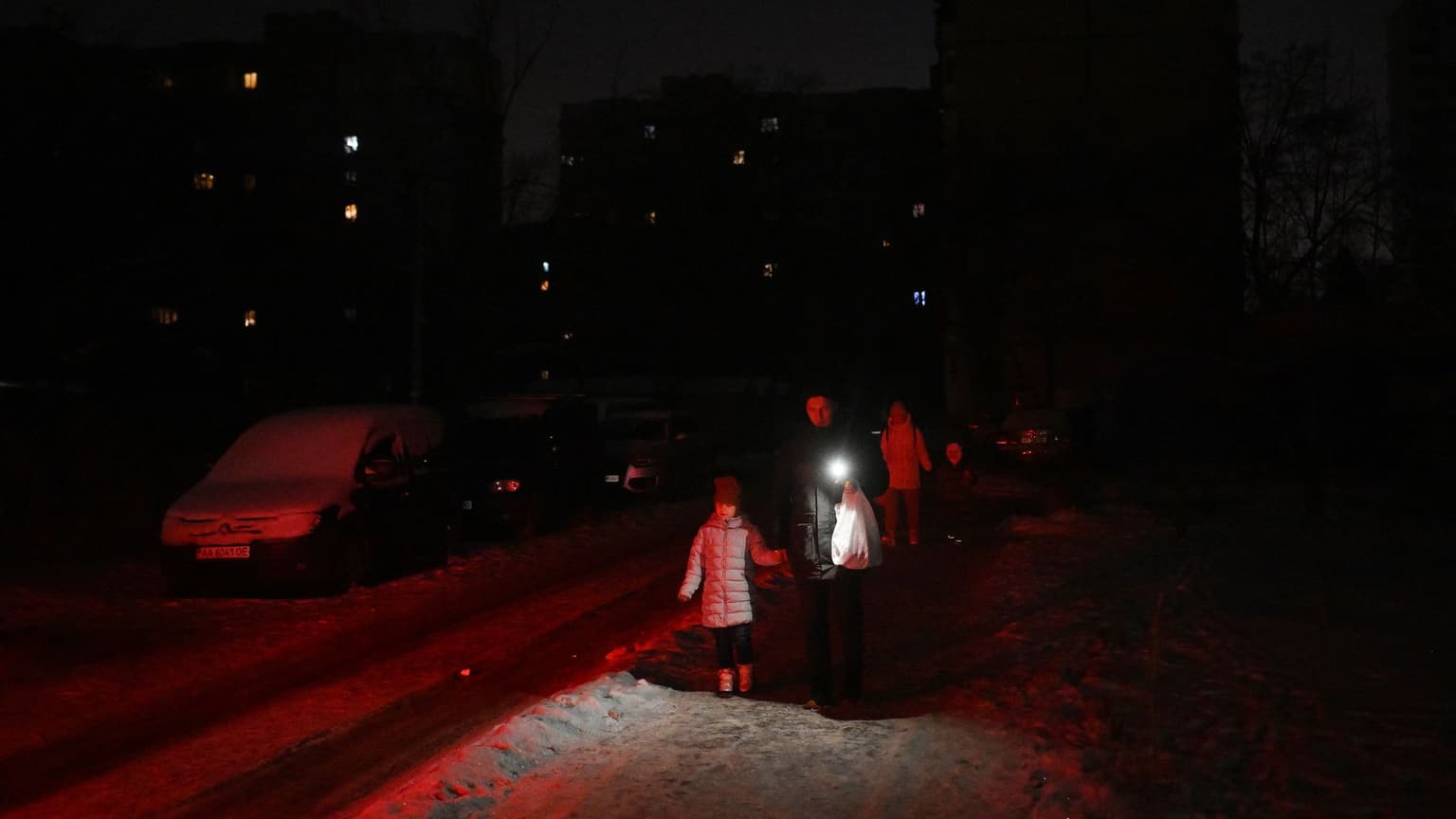
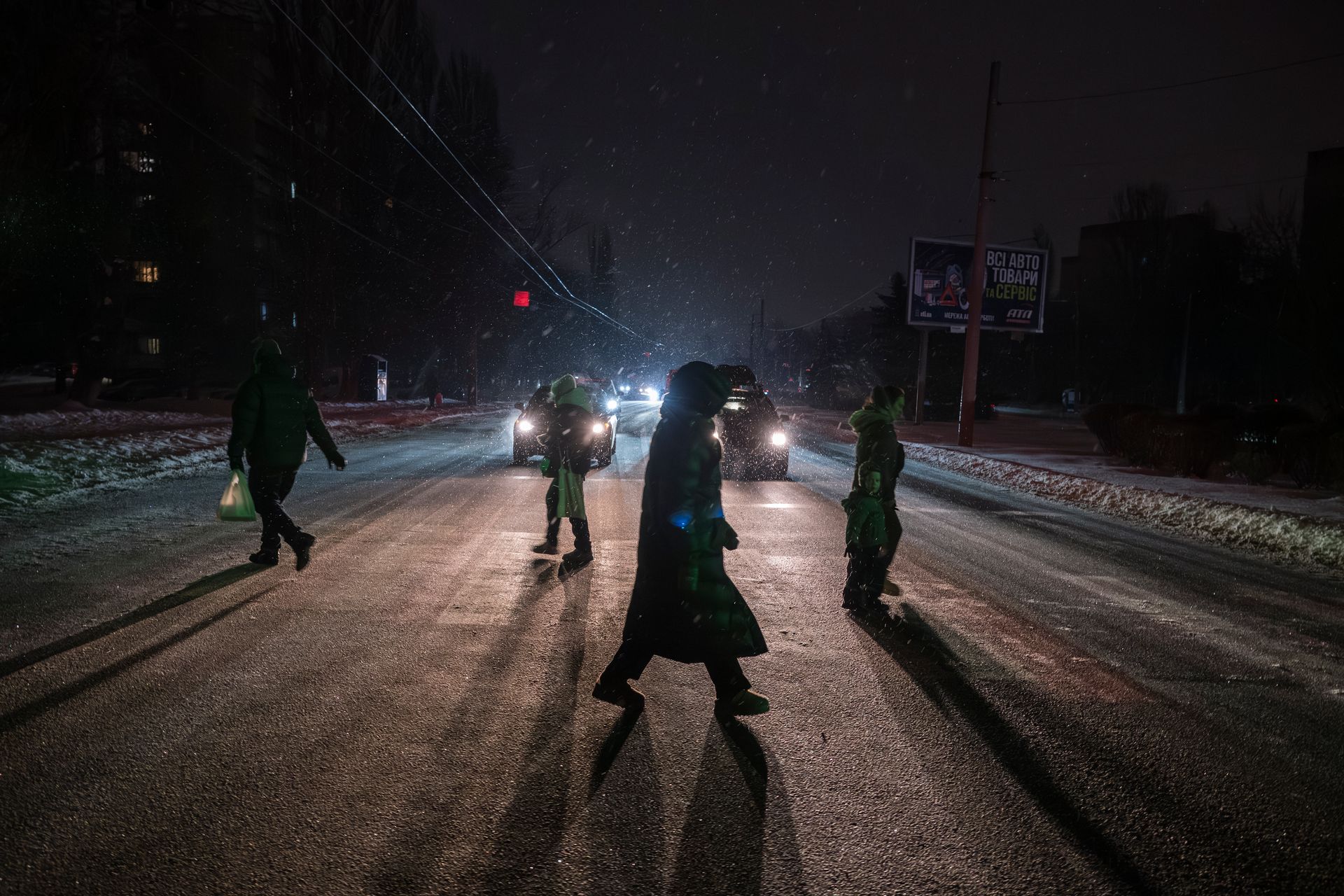
Pedestrians walk along a street during a power outage in Kyiv, Ukraine, on Jan. 15, 2026, amid Russia’s invasion of Ukraine. (Sergei Gapon / AFP via Getty Images)
 on Google
Ukraine's capital is currently facing "the most difficult" winter of the war as its energy infrastructure sustained detrimental damage and continues to undergo further Russian attacks.
Over the past weeks, snowfall and frigid temperatures have created a hazardous situation on the streets. Ice-coated pavements, piles of snow, and a lack of street light leave residents of Kyiv, a city of over 3 million, struggling to keep steady.
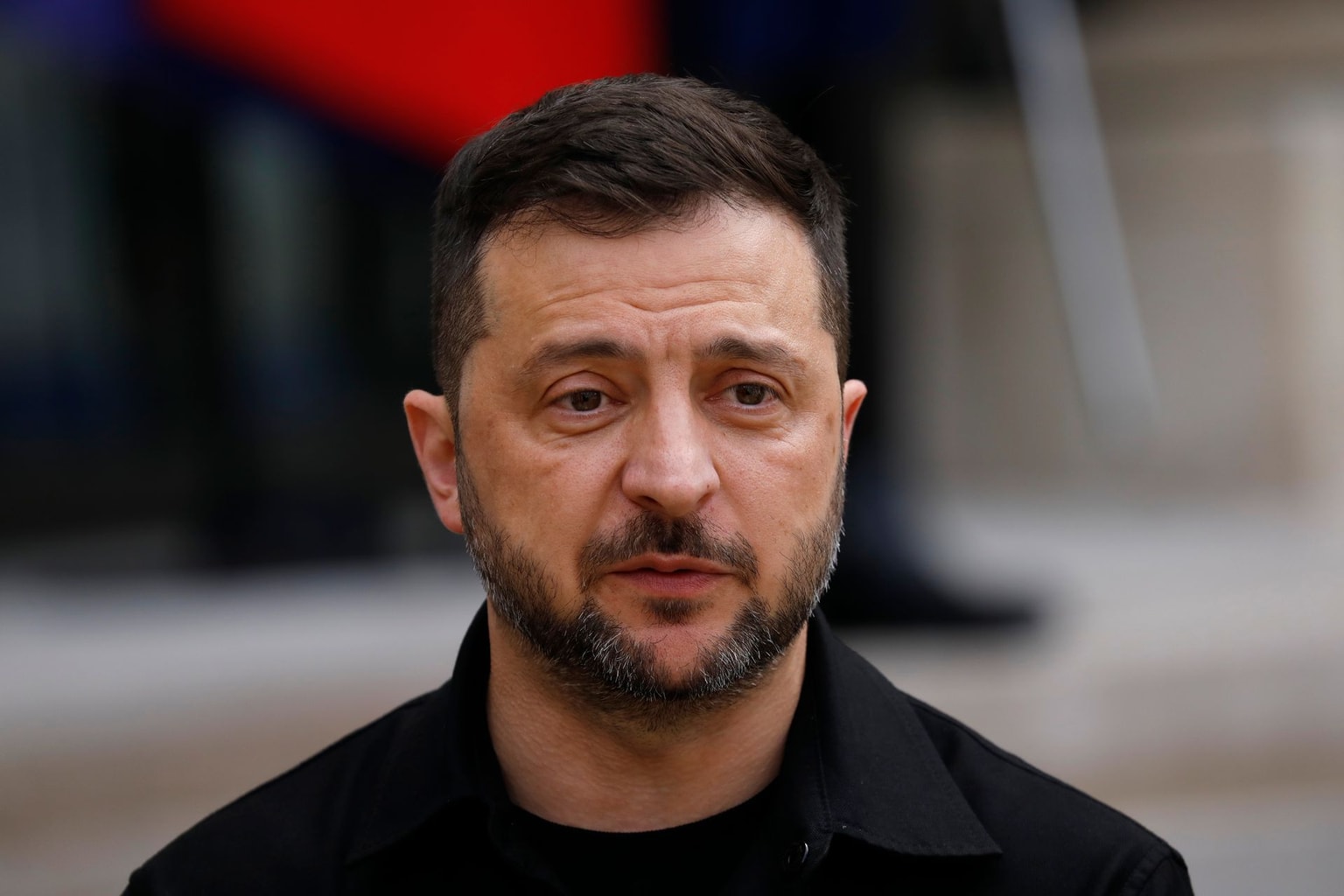
President Volodymyr Zelensky has attributed the situation to a lack of preparation and appropriate response from the local authorities, explicitly alluding to Kyiv Mayor Vitali Klitschko's poor management.
"The situation in Kyiv is particularly difficult — time was lost by the city authorities, and what was not done at the city level will now be corrected at the government level," Zelensky wrote on Jan. 15 on X.


The weather conditions, particularly the icy pavements, have claimed the life of at least one Kyiv resident who died after allegedly slipping and falling near a metro station a day prior.
Kyiv City Council Member Yevhen Kuzmenko suffered a spinal fracture after falling on ice, adding he is "ashamed of our work."
Kyiv's residents have become more and more agitated at the administration's handling of the situation. In addition to experiencing constant irregular blackouts and lack of heating in their homes, they are also facing adverse conditions outside.
“It's slippery, but we try to keep going, as slowly as possible."
A local retiree, Liudmyla, 71, described how restricting the current conditions can be. "If there are stairs or a hill, I know I won't be going that way because it's too dangerous."


For the past week, she has not been able to leave the premises of her building to walk her dog, nor carry any big bags from the supermarket.
The Kyiv Independent reached out to the Kyiv City Council for comments. It hasn't responded at the time of publication.
"Right in the city center, the Yevropeiska (European) Square, my colleagues and I barely made it in the evening, what a horrible situation even on the main streets," said local resident Nadiia, 39.
In response, Klitschko called these accusations "unfounded" and said they were politically motivated.

On Jan. 19, Klitschko warned the heads of district administrations that they have until the evening to improve the situation on Kyiv's roads and public spaces. At the same time, he alluded to Zelensky's criticism of his administration's approach to the crisis.
"I will appeal to the president, who appoints district heads (without consulting the mayor), to take personnel measures. Because, according to the 'wonderful' law, the mayor cannot even reprimand the district head," Klitschko said.
On Jan. 20, the sidewalks remained unwalkable.
The city's mismanagement is aggravated by the never-ending Russian attacks against the city's critical infrastructure.


The harsh winter conditions are set to continue in the coming weeks, further inhibiting the repair of crucial energy infrastructure. Energy Minister Denys Shmyhal said that the situation "remains difficult, with frosts creating additional strain."
The latest Russian attack on Kyiv's energy infrastructure on Jan. 20 left 5,635 residential buildings without heat and water. About 80% of them recently had their heating restored following this month's previous mass attack, according to Klitschko.
Irregular blackout schedules continue, leaving millions without electricity for up to ten hours a day, according to Ukraine's largest private energy firm DTEK.


A state of emergency in the energy sector was declared by Zelensky on Jan. 14, notably in Kyiv.
While no help in sight, Kyiv residents try to continue with their lives as much as possible.
“It's slippery, but we try to keep going, as slowly as possible," 20-year-old Daria said.

read also
 Kateryna Denisova
 Tania Myronyshena
 Tania Myronyshena