Kyiv reports zero deaths from winter outages — but there's a catch
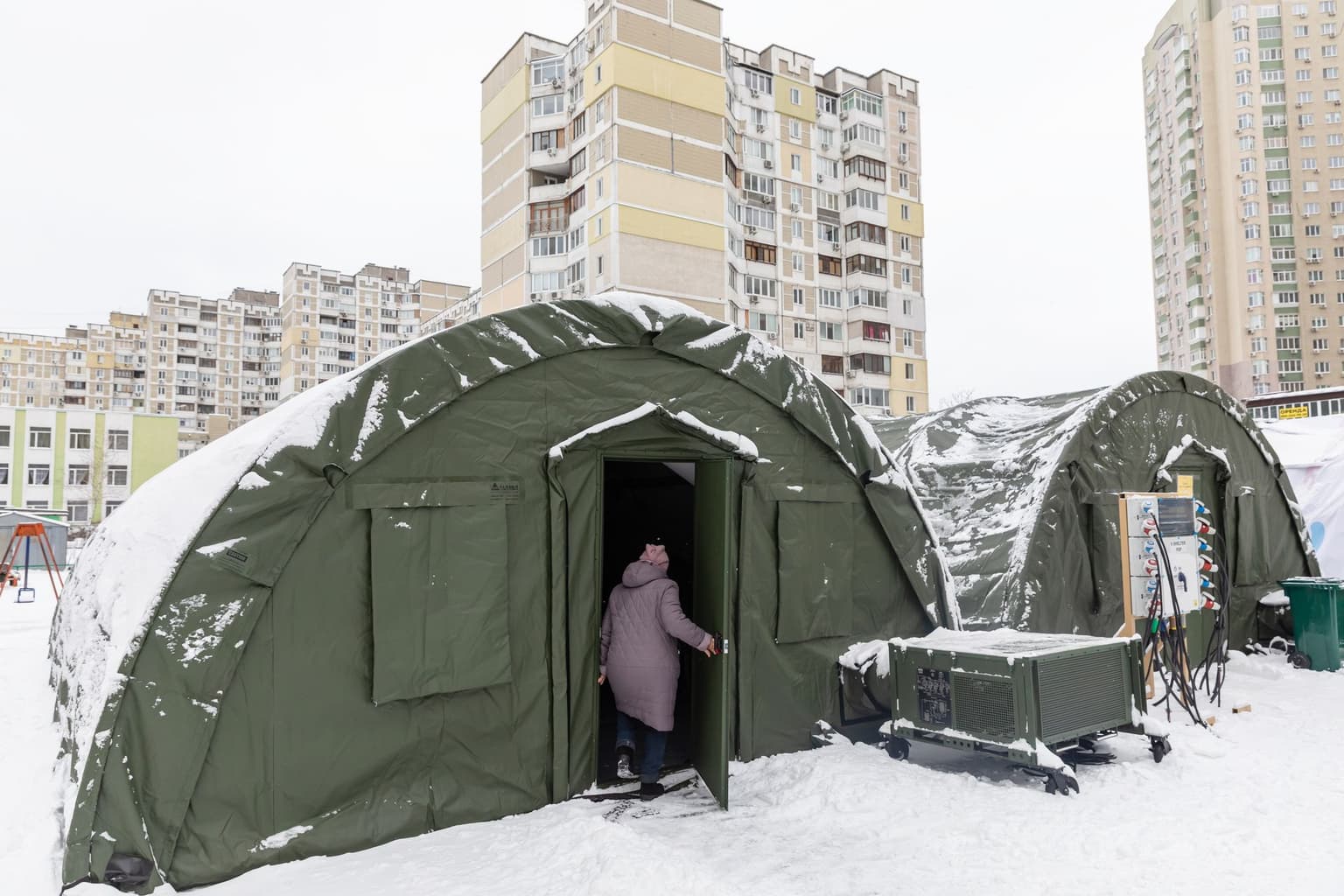
A temporary heating and aid point tent is seen set up outdoors in Kyiv on Feb. 16, 2026. (Mykhaylo Palinchak/SOPA Images/LightRocket via Getty Images)
 on Google
Zero deaths linked to winter power or heating outages have been officially recorded in Kyiv, city authorities have said, despite months of severe cold caused by repeated Russian strikes on Ukraine's energy infrastructure.
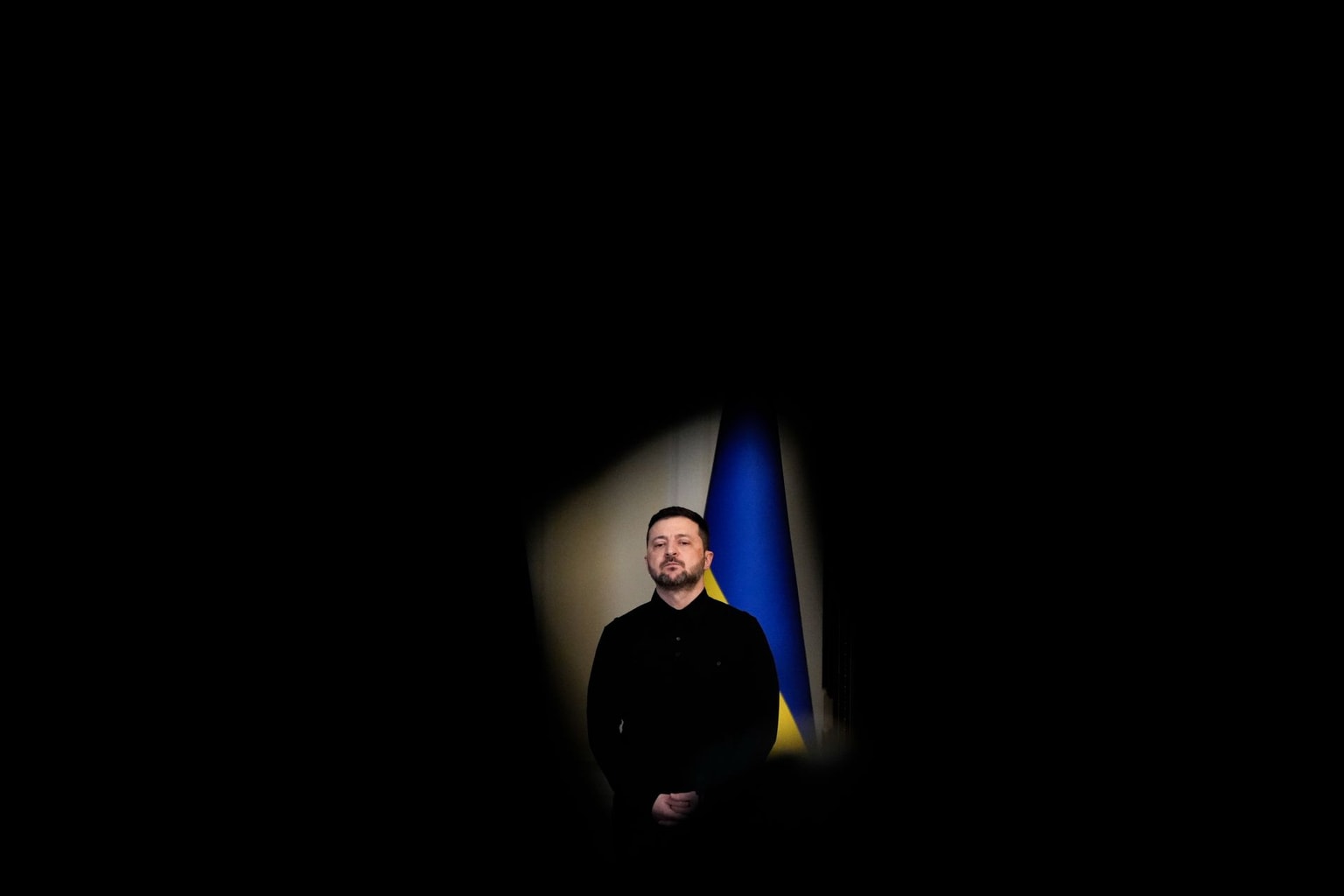
As Ukraine emerges from winter, President Volodymyr Zelensky said on March 1 that Russia launched more than 14,600 guided aerial bombs, 738 missiles, and nearly 19,000 attack drones over the three winter months.
"But despite everything, Ukrainians made it through this difficult winter," Zelensky said.
Since October 2025, repeated Russian strikes have placed an extraordinary strain on Kyiv's power system. At their worst, temperatures in the capital dropped to -25°C (-13°F), with heating outages lasting days at a time, leaving thousands of residents in freezing apartments. Ukrainian energy officials warned throughout the winter that continued attacks risked triggering a humanitarian catastrophe.


During the winter, rumors circulated online suggesting that cold indoor conditions may have contributed to several deaths in the capital. Among the cases that drew attention were the deaths of an 82-year-old Pavlo Loiko and another 88-year-old woman in Kyiv's Podil district. In both instances, city and regional authorities said forensic examinations determined the cause of death to be chronic cardiovascular disease rather than hypothermia.
In a written response to questions from the Kyiv Independent, the Kyiv City State Administration (KMDA) stated that it has no official data linking any deaths in the capital to cold caused by prolonged heating or electricity outages.
"As of today, no such cases have been recorded in the reporting data of the relevant services and health authorities," the administration said on March 6.
KMDA added that since January 2026, isolated deaths from hypothermia linked to outdoor cold exposure have been recorded, primarily among homeless people, and were not connected to indoor heating or electricity outages.
But an employee with a Kyiv-based volunteer organization, who chose to remain anonymous, said they were "skeptical" that official data captured the full impact of the winter outages.
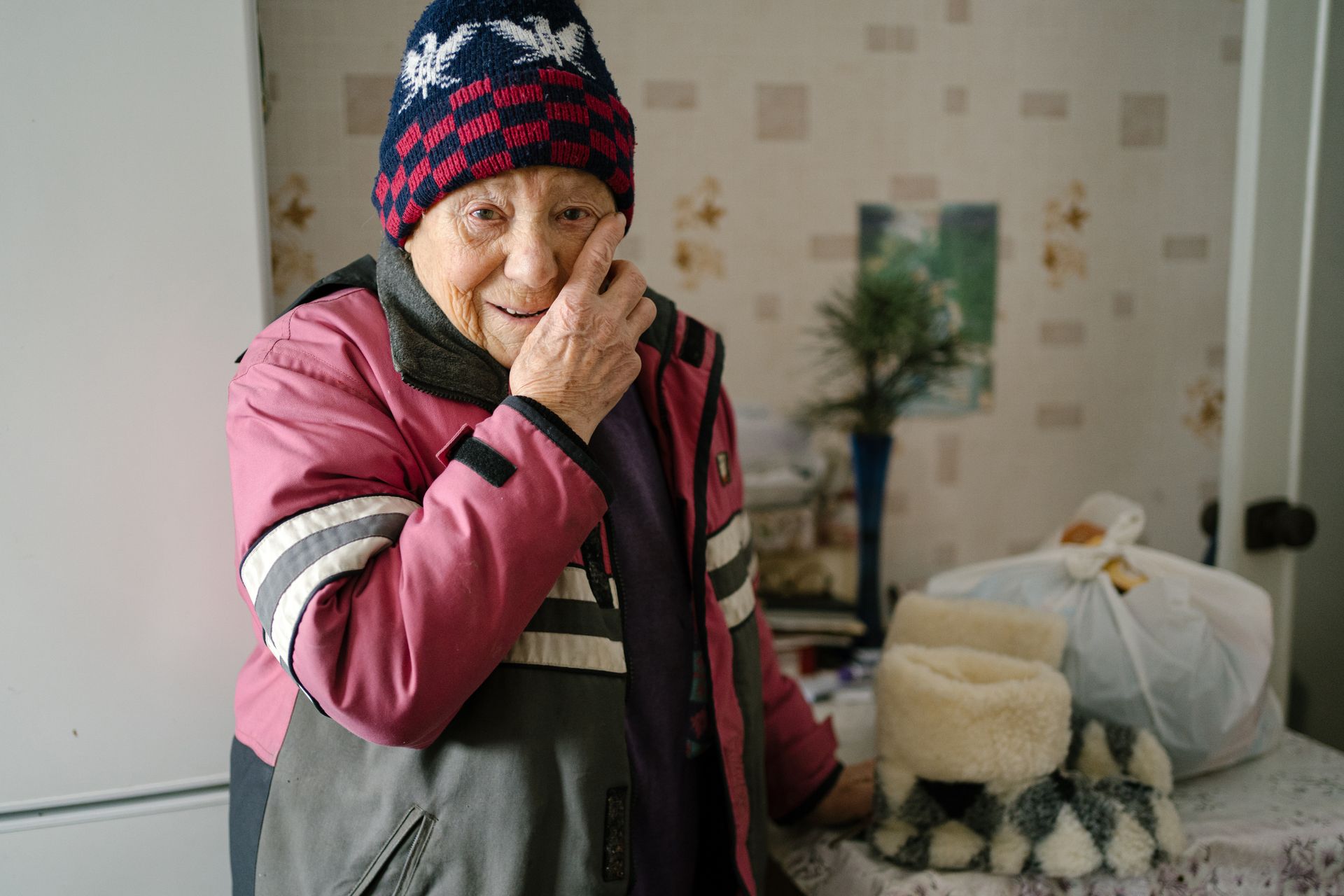
The volunteer described regularly encountering elderly residents struggling to endure prolonged cold at home during blackout periods. "We often arrived at apartments that were simply freezing," the volunteer said. "Older people were wearing multiple layers indoors, wrapped in scarves and hats, trying to keep warm however they could."
"I think some people could have died from cold conditions," the volunteer said. "But hypothermia usually is not what gets written as the diagnosis. The cold triggers something else, a stroke, respiratory failure, another condition, and that becomes the official cause of death."
Dr. Michele Heisler, medical director at Physicians for Human Rights, said prolonged exposure to cold places significant strain on the human body, particularly among older adults and people with pre-existing health conditions.


Dr. Michele Heisler, medical director at Physicians for Human Rights, said prolonged exposure to cold places significant strain on the human body, particularly among older adults and people with pre-existing health conditions.
"When it's cold, your sympathetic nervous system is activated. Blood vessels constrict, blood pressure increases, and blood becomes more prone to clotting," Heisler told the Kyiv Independent, noting that these physiological responses help explain why winter months often bring spikes in heart attacks and strokes.
Indoor cold can be particularly dangerous when temperatures inside homes fall below safe levels. The World Health Organization recommends maintaining indoor temperatures of at least 18°C (64°F), with higher levels advised for elderly people and children.
"Research consistently shows that when indoor temperatures fall below 18 degrees Celsius, it can lead to negative cardiovascular and respiratory outcomes," Heisler said. "When temperatures drop below nine degrees indoors, people — especially elderly people — can be at real risk of hypothermia."
However, cold exposure does not always appear in official statistics as a direct cause of death.
"This is not hypothermia, this is not frostbite — this is the physiological stress that cold places on the body," Heisler said, explaining that cold conditions can worsen underlying illnesses and trigger cardiovascular or respiratory events that are ultimately recorded as the primary cause of death.
Asked whether cold exposure can still play a role in mortality even if it is not listed as the official cause of death, Heisler said it can.
"Oh, absolutely," she said. "Cold can increase cardiovascular mortality and respiratory mortality. It doesn't have to be recorded as hypothermia."
The health effects of cold exposure can also emerge days after the initial event.
"Mortality risk peaks about five to six days after severe cold exposure, and it can last for up to around twenty-three days," Heisler said.
The volunteer added that mobility and isolation made conditions particularly difficult during outages. "When elevators stop working, some elderly residents effectively become trapped in their apartments. They can't go out for medicine or even basic supplies, and social workers and volunteers are already overstretched trying to reach everyone who needs help."
Kyiv's official position remains unchanged — no deaths have been formally classified as resulting from electricity or heating outages. Yet both medical and volunteer observations suggest that the health consequences of prolonged cold often emerge indirectly, appearing in medical records as underlying illness rather than exposure itself.
As Russian strikes continue against Ukraine's energy infrastructure, the medical consequences of winter outages may remain difficult to quantify, even as their impact is felt across Kyiv's elderly, chronically ill, and isolated residents.