Ukraine's corruption saga enters new chapter as two anti-corruption detectives released from custody
 on Google
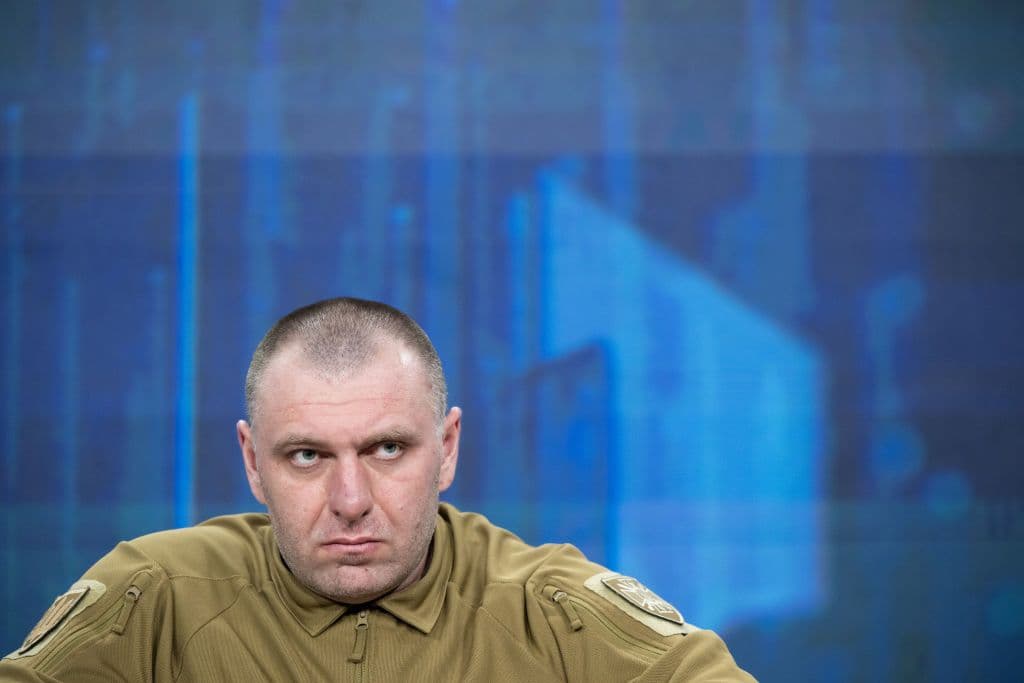
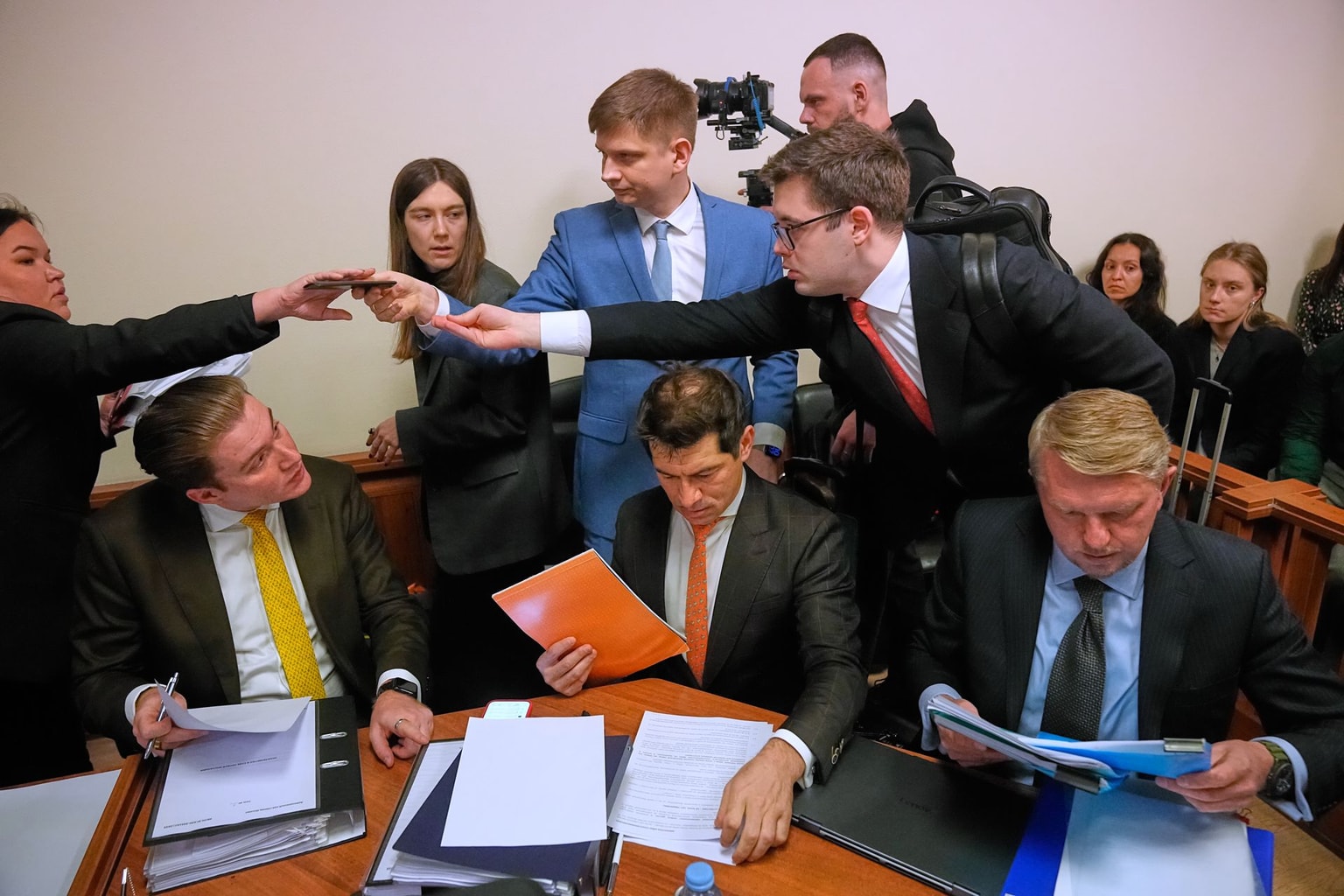
A Kyiv court placed Anti-Corruption Bureau's detective Viktor Husarov on house arrest on Dec. 9, freeing him from custody five months after his arrest.
The detective is charged with treason for allegedly passing state secrets to an associate who is said to be working with Russia.
Husarov, and the National Anti-Corruption Bureau (NABU) Head Semen Kryvonos have alleged that the detective was deliberately held in custody to pressure the anti-corruption bureau and hinder its work. Both denied that the detective had been working for Russia.
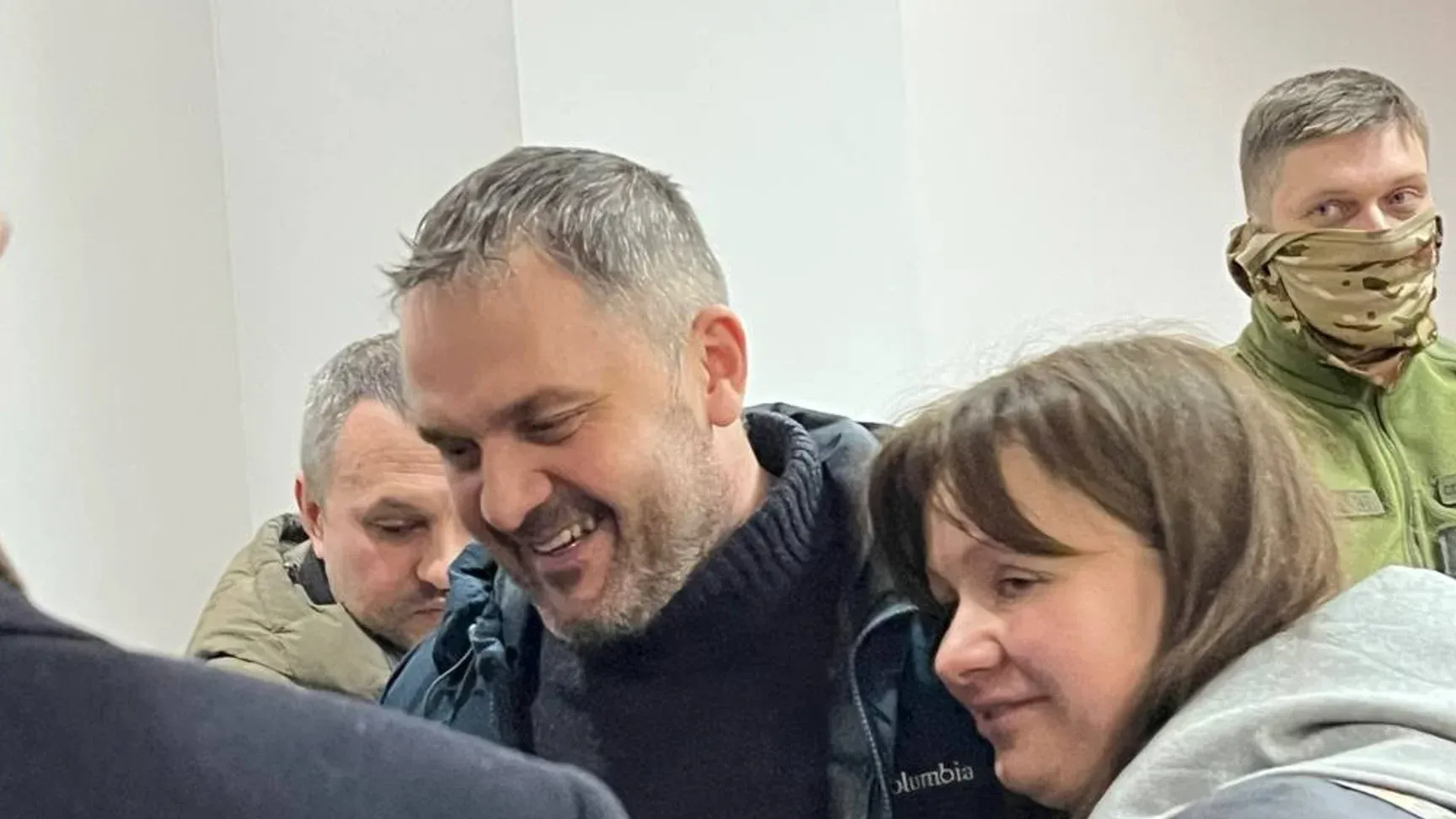
Back in July, Ukraine's Security Service arrested two detectives with the country's independent anti-corruption bureau, effectively launching a government-sponsored attack on anti-graft institutions.
The attack failed following popular pushback. Five months later, the two detectives returned home.
Mahamedrasulov, the other NABU detective kept behind bars, had been investigating the country's largest corruption case involving the state-run nuclear power monopoly Energoatom. He was freed last week.
The corruption probe centered around the state nuclear power company Energoatom turned into one of Ukraine's largest political scandals on record.
The alleged ringleader was Timur Mindich, a close associate of President Volodymyr Zelensky and a co-owner of the president's Kvartal 95 production company. Mindich was tipped off and left the country prior to being charged.

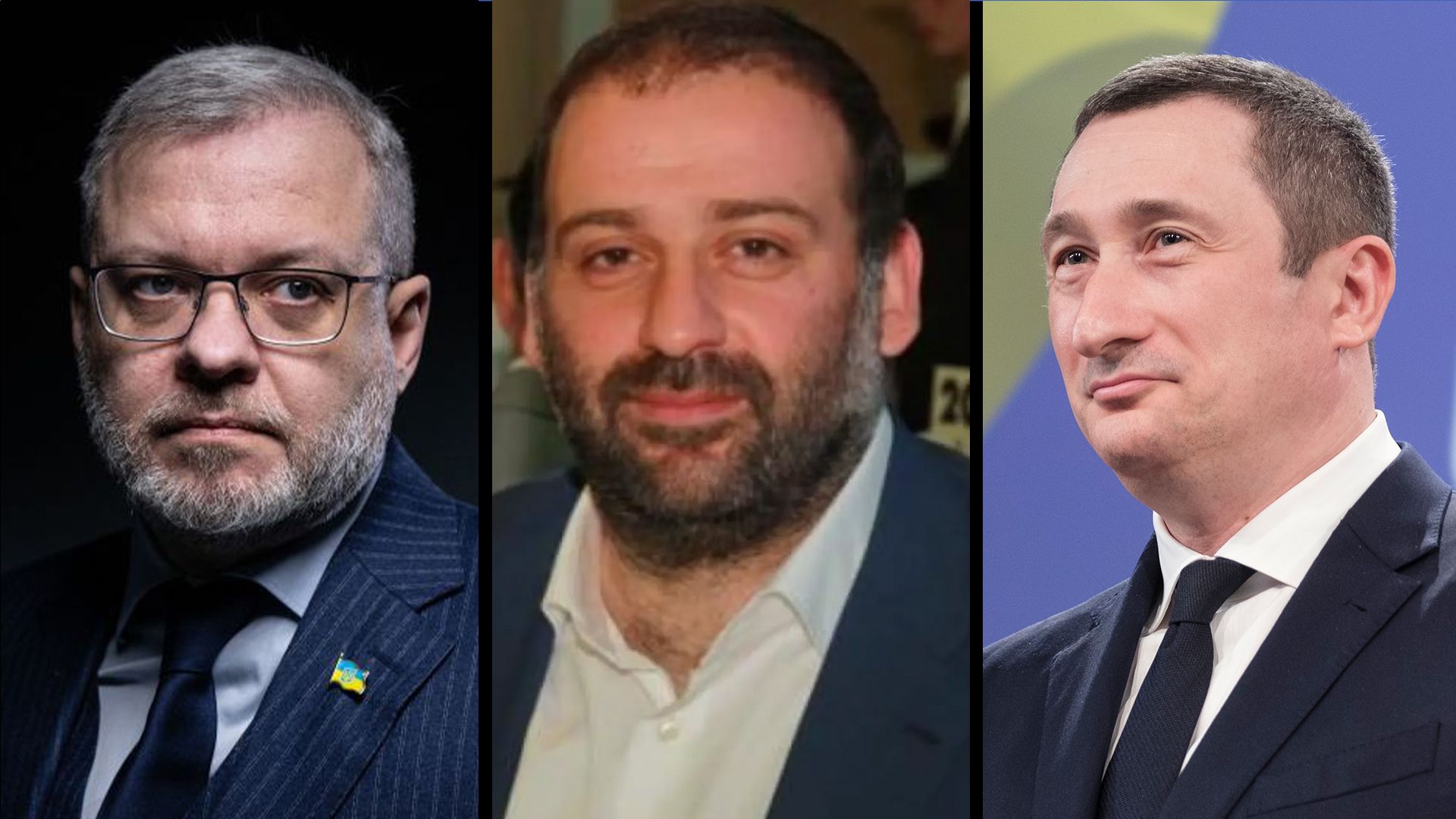
Others implicated include former Deputy Prime Minister Oleksiy Chernyshov, Justice Minister Herman Halushchenko, who served as energy minister earlier this year, and Rustem Umerov, former defense minister and current secretary of the National Security and Defense Council.
Mahamedrasulov's release came just days after Andriy Yermak was dismissed from his position as head of the President's Office, following NABU searches in his office.
Yermak's far-reaching powers and desire for control have been widely discussed among Ukrainian and foreign officials. Those who spoke with the Kyiv Independent have said that it was Yermak who pulled the trigger on the July attack against the country's anti-corruption institutions.
The Anti-Corruption Bureau is yet to say whether Yermak has been implicated in the Energoatom case.
"Undoubtedly, (the release of Mahamedrasulov) is good news. The bad non-news, however, is that the case of detective Mahamedrasulov is a diagnosis for (Ukraine's) law enforcement system," Anastasia Radina, head of the parliament's anti-corruption committee, said on Facebook.

"The entire system is deeply flawed and requires urgent intervention, primarily through legislative changes."
Prosecutor General Ruslan Kravchenko responded to public criticism on Dec. 4, describing the reaction to the case as "emotional" and "manipulative." He said that Mahamedrasulov and his father had been charged due to the "sufficient" evidence presented by investigators. They were freed from custody as the risk of obstructing the investigation decreased, the Prosecutor General added.
"This decision was made not on social media, but within the framework of the criminal process," he said.
Kravchenko, who is seen as Zelensky's loyalist, said that easing the preventive measure "is not a justification for the suspects," and the investigation continues.