Japan breaks into Ukraine’s drone market for first time as Tokyo confronts regional threats
 on Google
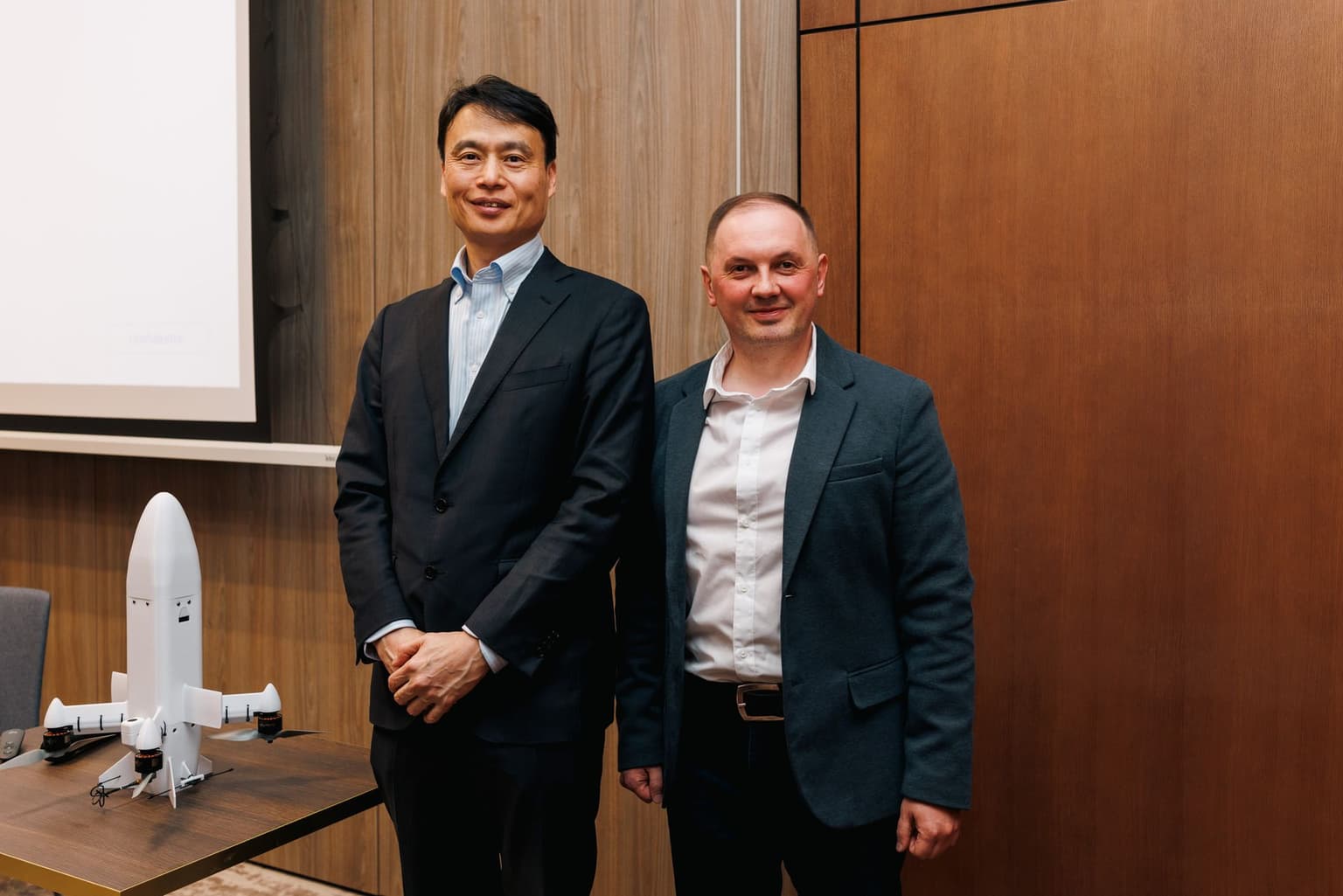
A Tokyo-listed drone firm is breaking with the trend of Japanese companies avoiding Ukraine's defense industry by partnering with interceptor drone producer Amazing Drones, the first Japanese company to invest in the sector.
The investment — undisclosed in size — will fuel a major production scale-up at Kharkiv-based Amazing Drones, with Terra Drone using its decade-long experience to handle supply chains, marketing, and global expansion, the company said at a launch event in Kyiv on March 31.
The partnership is a major shift for Japan. While Japanese companies have long eyed up Ukraine’s drone sector from afar, the government strongly discouraged investors from even visiting Ukraine.
But Tokyo has grown concerned about the dangers on its doorstep with the realization that suicide drones could reach Japan from neighboring Russia, China, or North Korea, Terra Drone’s CEO Toru Tokushige told the Kyiv Independent on March 31. Japan's defense budget for 2026 is its biggest ever — 9.04 trillion yen ($58 billion).
"China's threat is increasing. So now is the time to increase our capabilities to protect Japan," he said.
Tokushige called drones a "game changer," and Ukraine the place where one "can see the game is really changing."
Defense is a new direction for Terra Drone, which previously had experience using drone technology in the agricultural and infrastructure sectors.
While joint partnerships are rare for Ukrainian defense tech firms, they could become more common as countries continue to seek Ukraine's expertise to counter Iranian-made drones, amid the ongoing war in the Middle East.
Inspired by Ukraine's innovation, Tokushige first visited Ukraine in September — ignoring Tokyo's travel advice — and has since met over 100 Ukrainian defense tech companies, using his own connections and LinkedIn, he said.
Tokushige says he saw the biggest potential not in the overcrowded first-person view (FPV) drone market, but in the interceptor sector — air defense drones designed to shoot down other drones.
He initially failed to convince Japanese investors of their importance. But public sentiment shifted, he said, after Iran's retaliatory strikes on the U.S. and its allies in the Middle East revealed millions of dollars of air defense missiles being used to take down drones that cost just a fraction of that.
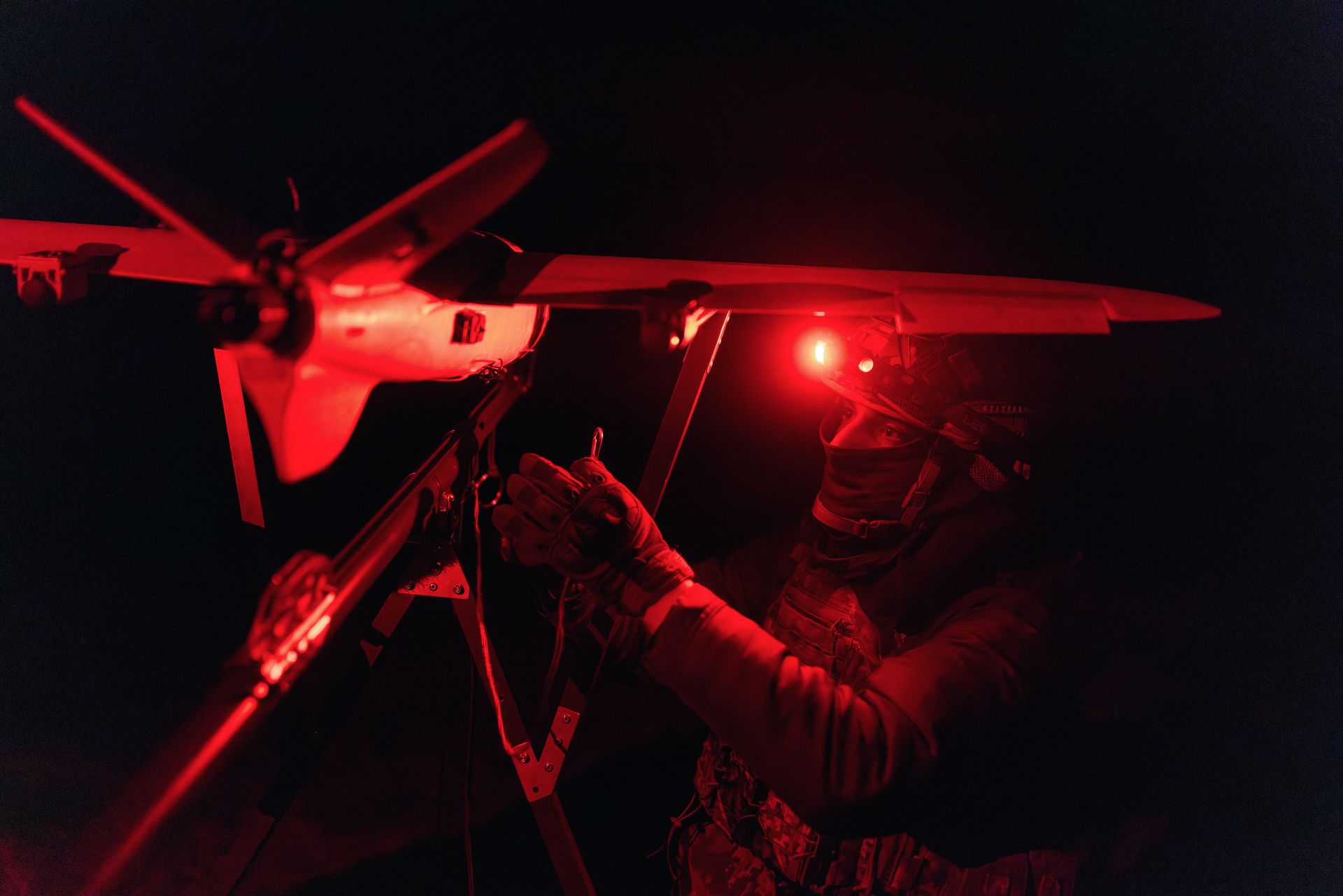
Amazing Drones began developing interceptors last year, making them for as little as $2,500-$3,000 — a much more cost-effective defense, Tokushige stressed. They can also be easily mass-produced, he said.
Its interceptors cover a range of 32 kilometers at a maximum speed of 300 kilometers an hour, with a flight time of 15 minutes.
Tokushige hopes to soon bring them not only to the Japanese market, where he is currently in talks with the country's defense ministry, but also worldwide. He is confident that there is a strong demand for the product following the Iran war.
This means more competition, but he is determined for Terra Drone to be at the top of the market. Particularly if they are successful in making the first autonomous interceptors.

The interceptors are currently being tested in the field, with Amazing Drones receiving real-time feedback from the military. In the next few months — once the interceptors have been fine-tuned — the company plans to expand manufacturing, hire a bigger team, bring in Japanese specialists, and set up an R&D center.
"You need to be really fast here," Maksym Klymenko, CEO of Amazing Drones, told the Kyiv Independent at the launch.
"Whatever you built a year ago, Ukraine has already moved past it."
In the future, Tokushige wants to join other Ukrainian defense companies working on technologies like amphibious drones, FPVs, and reconnaissance drones.
But first, he and Klymenko need to overcome the most pressing barrier — export restrictions on defense products. "This is our main challenge," Tokushige stressed.
Kyiv is still ambiguous about when or if it will relax weapons exports soon, even as Ukrainian specialists help Gulf countries shoot down Iranian drones. Ukraine’s defense industry is frustrated with the current limited export routes that require jumping through a lot of hoops.
The main argument is that Ukraine needs the drones for itself first and should worry about exports later. But defense companies say that easing restrictions will funnel in much-needed capital that will then allow them to produce cheaper drones for the Ukrainian army.
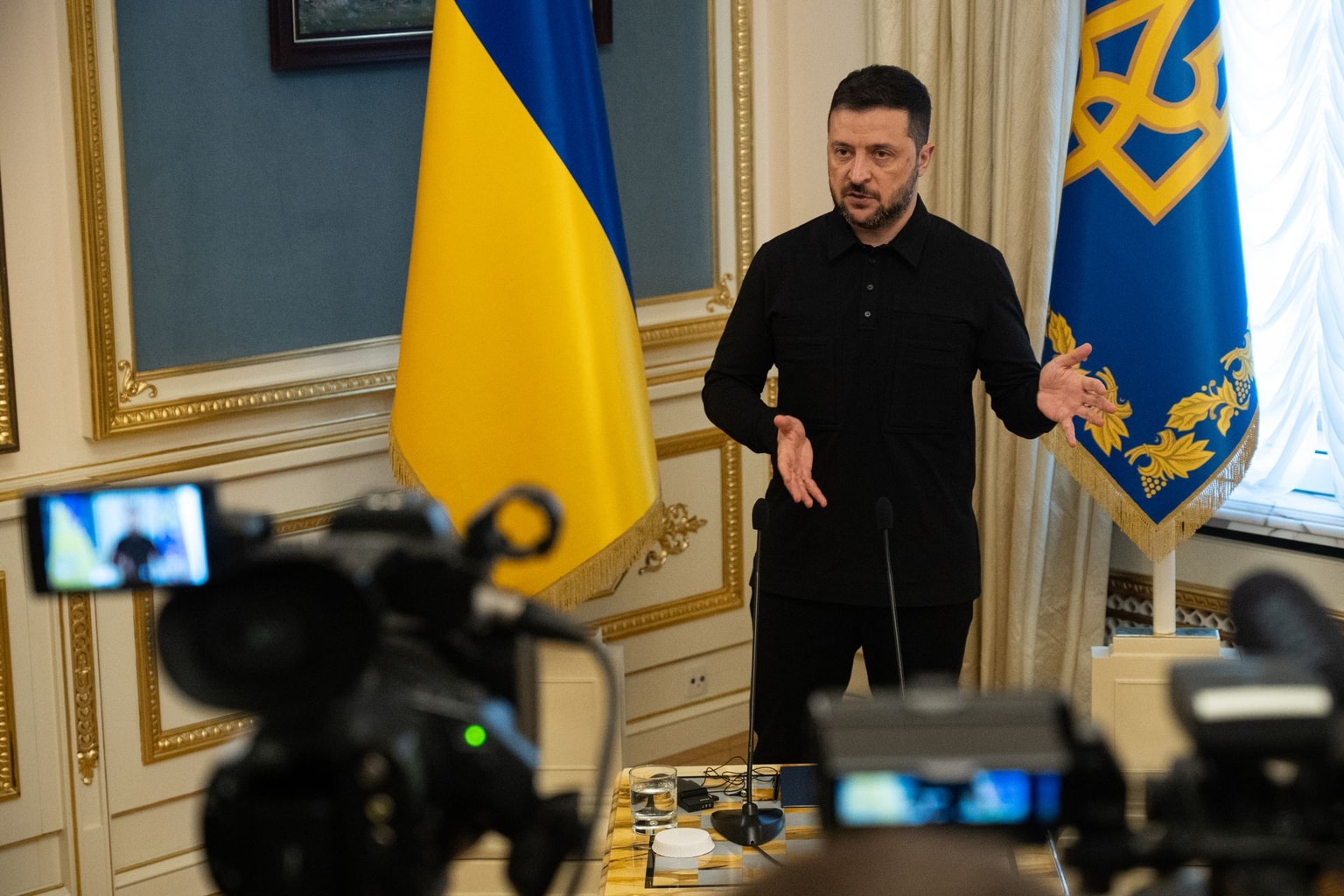
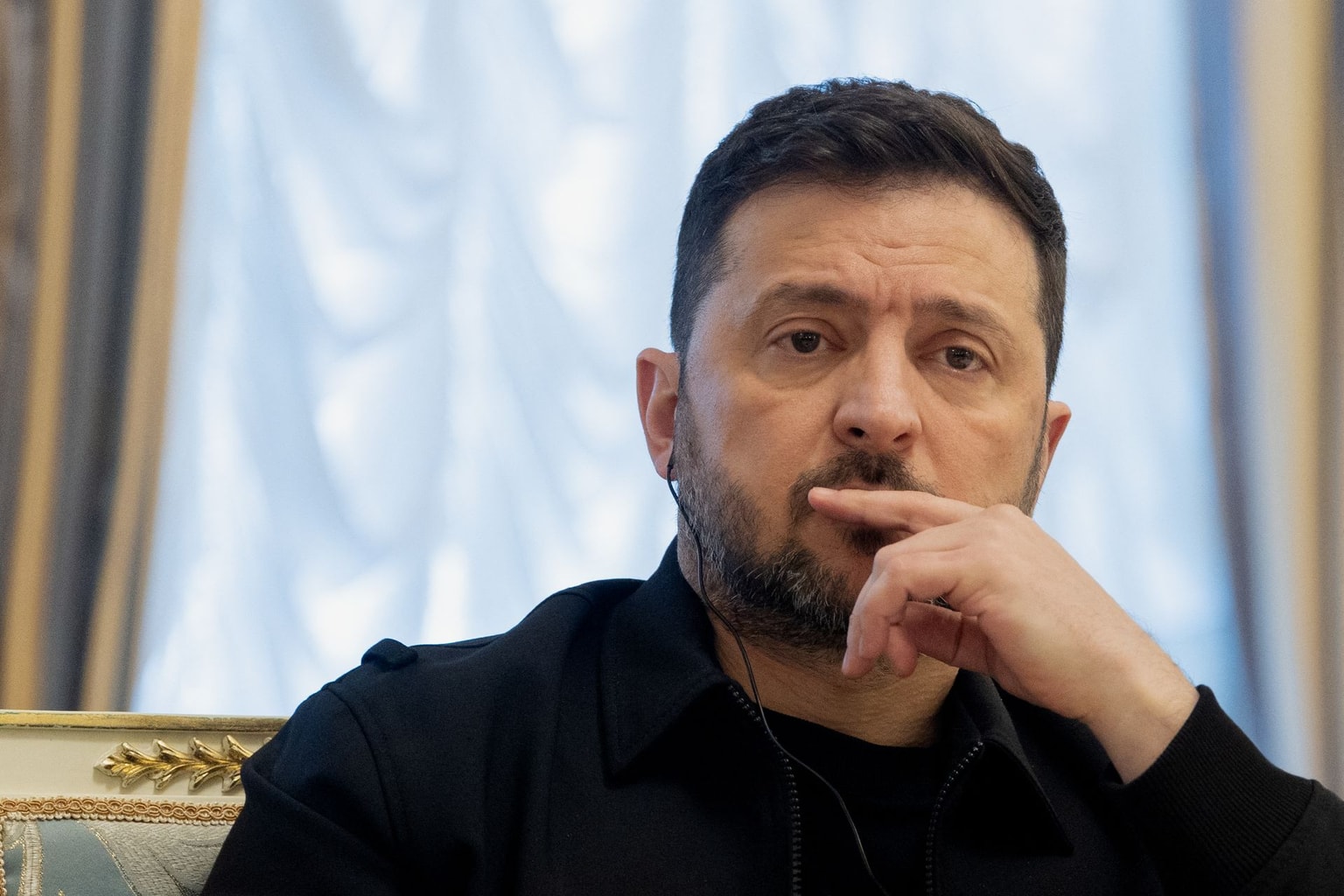
Some companies have gone ahead and opened up factories abroad anyway, earning the scorn of President Volodymyr Zelensky on March 29.
"I hope that we will be allowed to export these products in the near future," said Klymenko.
"We see the situation is changing, and there are lots of threats. If we get a license to export right now, there's a really easy solution."
Note from the author:
Hi, it’s Dominic, thank you for reading this story. Ukraine's defense tech sector will see major advancements this year so make sure to follow us to stay on top of the news! Please consider joining our community for as little as a cup of coffee a month.