It is time to sanction Rosatom and target Russia's military core
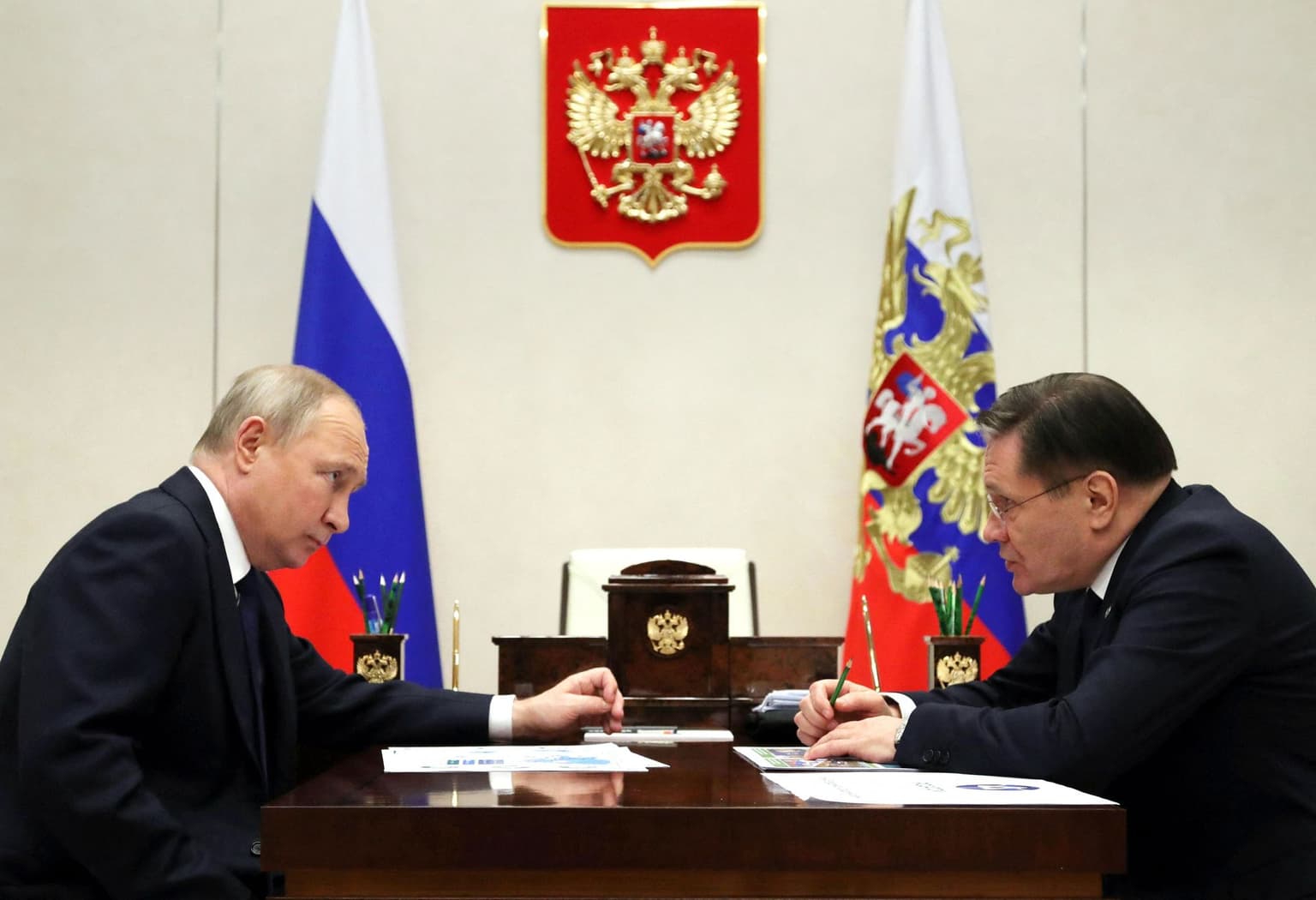
Russian President Vladimir Putin (L) meets with Director General of the Russian Atomic Energy Corporation Rosatom Alexey Likhachev (R) outside Moscow, Russia, on May 19, 2022. (Mikhail Klimentyev / Sputnik / AFP via Getty Images)
 on Google
Olena Lapenko
General manager for security and resilience at Kyiv-based think tank DiXi Group
For four years, Russia's state nuclear corporation Rosatom has remained a huge "elephant in the room" as no country, except Ukraine, has imposed a comprehensive package of sanctions against it.
Rosatom continues to supply enriched uranium and fuel assemblies to Soviet-designed reactors in Bulgaria, the Czech Republic, Hungary, and Slovakia under long-standing contracts. In Hungary, the company serves as a principal contractor in the country's nuclear expansion. In February, construction formally advanced at the Russian-built Paks II Nuclear Power Plant with the pouring of the first concrete.
Yet despite existing contracts in the EU, Rosatom is not just a nuclear corporation. The occupation of the Zaporizhzhia Nuclear Power Plant (ZNPP) — the largest nuclear power plant in Europe – created a historic and dangerous precedent in wartime.
On March 4, the world marks the fourth anniversary of Russia's seizure of the plant. Since 2022, the ZNPP has operated under Russian control, and the international community has been repeatedly warned that the situation there remains unstable and, at times, critically risky for the security of the entire continent.
The ZNPP is now the sharpest illustration of how Rosatom's presence intersects with acute security risks. The International Atomic Energy Agency's (IAEA) Seven Pillars of nuclear safety and security were formulated precisely to prevent crises of this kind.

Yet at the occupied plant, Rosatom's involvement has been associated with violations of core nuclear safety and security principles.
Reports indicate that plant personnel faced pressure, including accounts of forced employment contracts with Rosatom, and that they reported mistreatment. Rosatom's role at the site is linked to occupation functions, rather than neutral technical consulting. In addition, international concerns have been raised about dangerous operational practices, including changes to reactor regimes that increase risks to critical safety systems.
In April 2024, the IAEA reported drone incidents impacting ZNPP-related facilities (including the training center area). Ukrainian reporting additionally alleges a drone operator training presence, known as Archangel, using the ZNPP area as a practical space, exploiting the "safe-zone" logic around a nuclear facility.
The militarization of the ZNPP is clearly not just a Ukrainian issue. It is a global nuclear safety precedent: a civilian nuclear plant used as leverage and shield in wartime.
At the same time, Rosatom's structures and subsidiaries are directly linked to the production of non-nuclear weapons, their components, and broader support for the Russian military-industrial complex. As revealed by research conducted by the Kyiv-based think tank DiXi Group, this non-nuclear footprint covers at least 6 military-relevant domains, connecting it to more than 10 weapons systems and components.


Publicly available documentation and archived sources point to long-term involvement by Rosatom-affiliated institutes in conventional weapons development, including research, testing, and certain production stages.
The reported links extend to warheads and ammunition components for widely used systems, such as Igla-S, anti-tank guided missile systems including Sturm, Khrizantema-S, and Ataka, as well as multiple launch rocket systems like Grad and Smerch.
These are battlefield systems, meaning Rosatom's non-nuclear role is not abstract "dual-use" — it directly correlates with combat capability, which allows Russia to prolong the war.
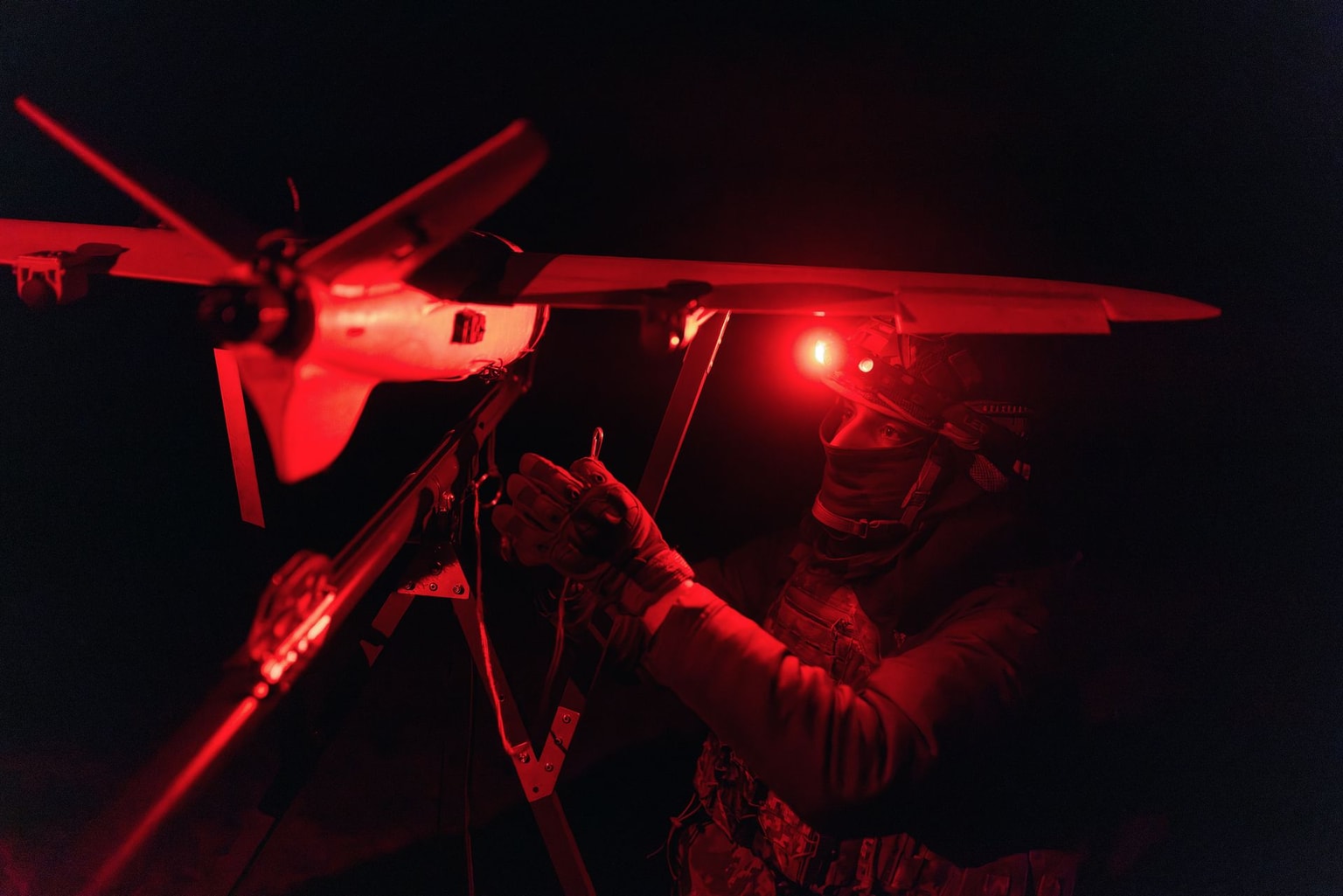
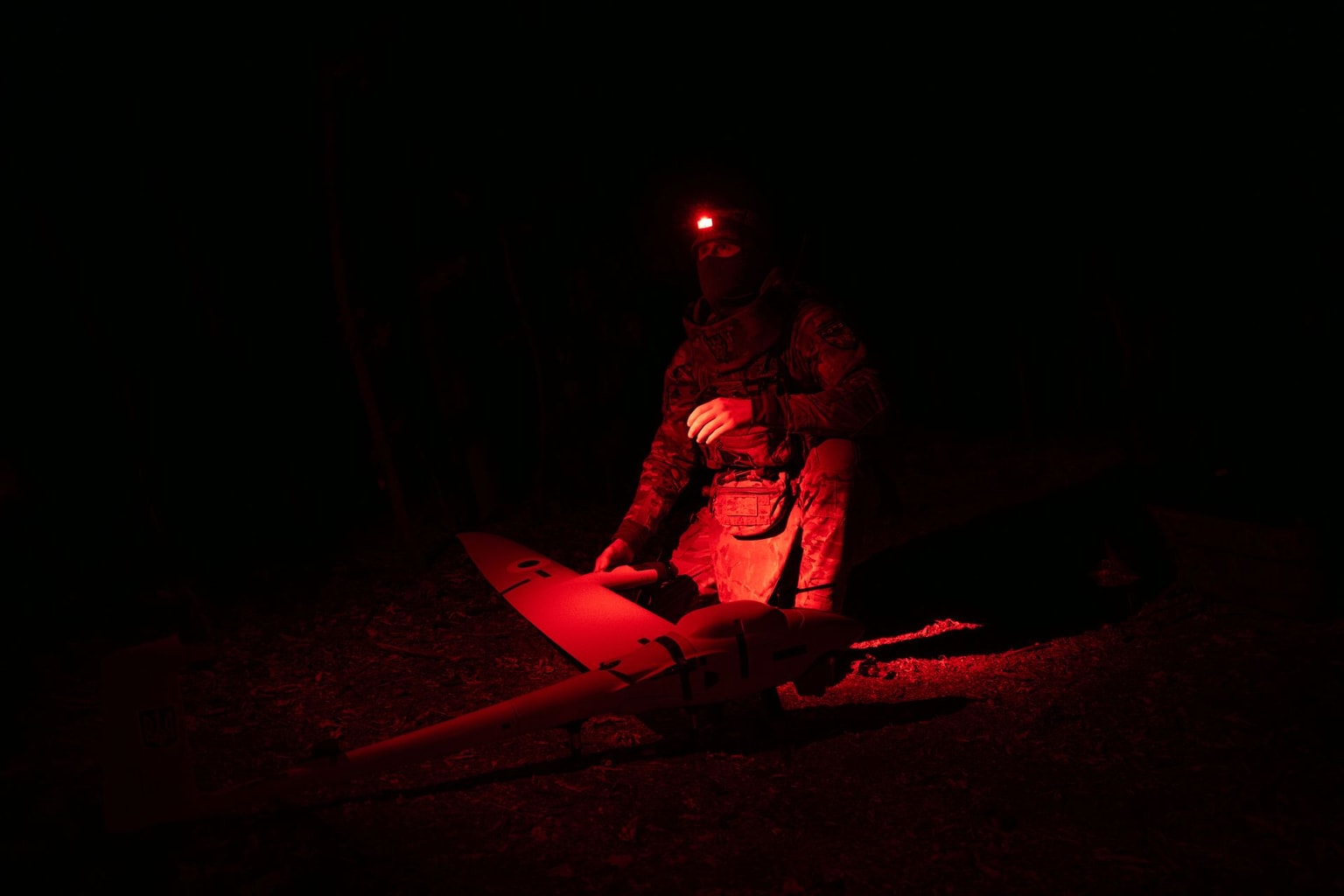
Rosatom-linked entities are also connected to unmanned aerial vehicle (UAV) programs, the development of drone batteries and energy storage systems, and counter-UAV technologies. This includes portable UAV detection systems and reported joint testing of countermeasures together with other state defense enterprises.
Drones are now a mass battlefield capability, and mastery over components, batteries, detection, and electronic warfare integration is a decisive factor in Moscow's technological competitiveness in Ukraine.
Furthermore, Rosatom's ecosystem is tied to materials that are critical for modern defense manufacturing: polymer composites, titanium alloys, high-temperature ceramics, rare-earth magnets, and specialty chemicals. These material streams reduce dependence on imports and strengthen the sustainability of Russia's defense-industrial supply chains under sanctions pressure.
Rosatom develops digital platforms with clear dual-use potential, too. These include engineering toolchains capable of reverse design and reproduction; national Computer-Aided Design and Computer-Aided Engineering (CAD/CAE) systems for advanced modeling and simulation; and specialized electromagnetic modules such as Logos EMI, designed to test how systems perform under conditions of electronic interference.
Modern weapons production relies heavily on software-enabled design, modeling, and lifecycle optimization, significantly accelerating development and deployment cycles.
Attempts to impose restrictions on Rosatom have been made, but they remain partial and fragmented.
The United States enacted the Prohibiting Russian Uranium Imports Act, signed into law on May 13, 2024 — yet the legislation includes waiver provisions allowing continued imports until Jan. 1, 2028, on energy security grounds, effectively softening its immediate impact.
At the sanctions level, the U.S. State Department has repeatedly targeted individuals and subsidiaries affiliated with Rosatom. By January 2025, the department had included Rosatom-related designations in eleven separate rounds of sanctions, targeting senior officials such as CEO Alexey Likhachev and members of the company's management board.
However, Rosatom, as a parent corporation, has never been subject to full blocking sanctions by any G7 country or the EU. Within the EU, proposals to expand nuclear-related restrictions have repeatedly stalled due to opposition from member states with direct contractual or infrastructure dependencies – most notably Hungary.
The pattern is consistent: partial measures, long transition periods, and political carve-outs that allow the corporation's core operations to continue uninterrupted.
Thus, the introduction of targeted sanctions against Rosatom and its affiliated subsidiaries is necessary to safeguard Europe's and global long-term security in energy, military, and political terms. The time for action in Brussels is now.
The material was prepared by the NGO DiXi Group with the support of the International Renaissance Foundation within the project "Strengthening Ukraine's Resilience in Energy (SURE)". The content reflects the views of the authors and does not necessarily reflect the position of the International Renaissance Foundation.
Editor's note: The opinions expressed in the op-ed section are those of the authors and do not purport to reflect the views of the Kyiv Independent.