'He just wanted to go home' — Brazilian recruit’s death in Ukraine points to torture, abuse in foreign fighter unit
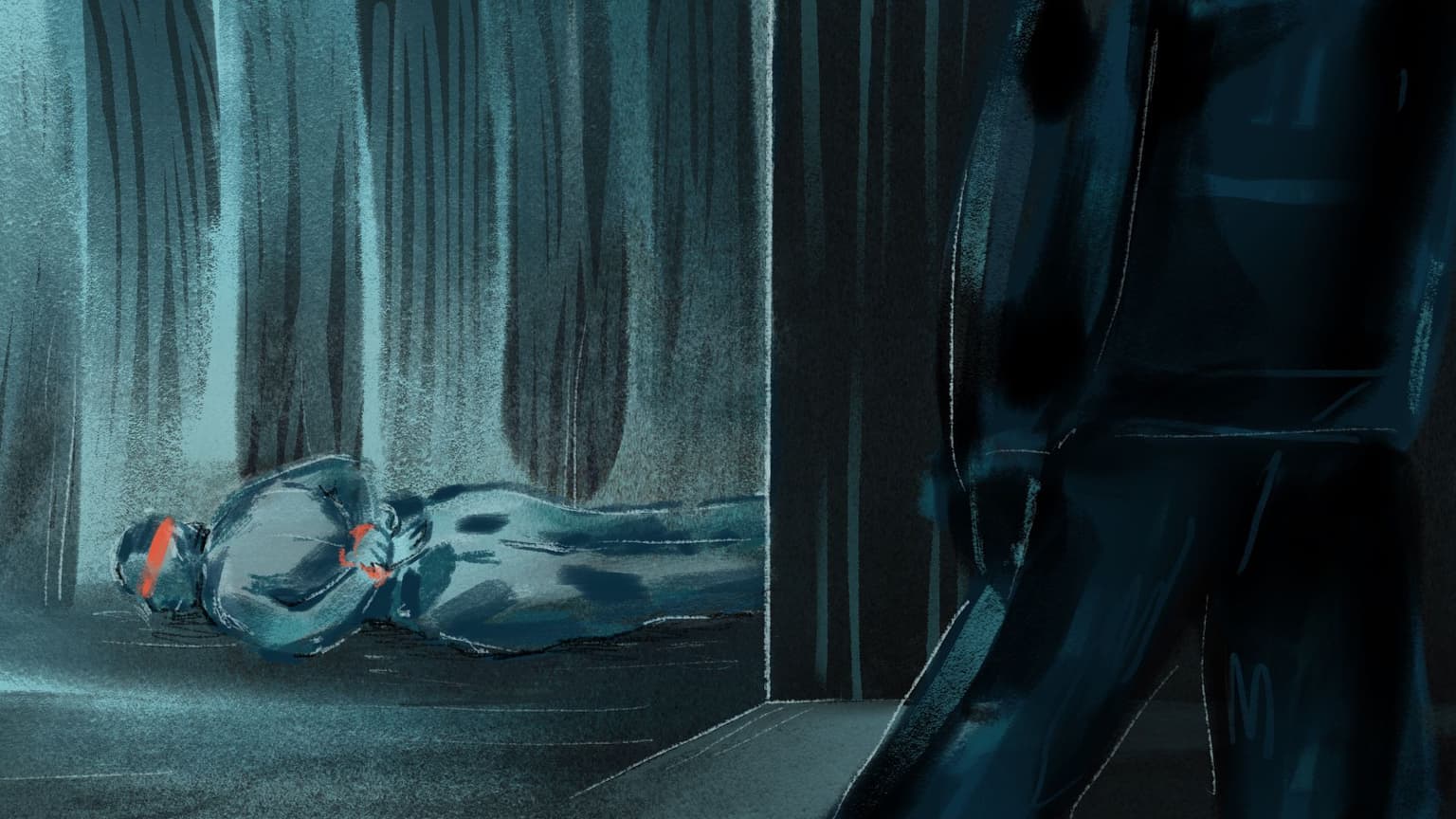
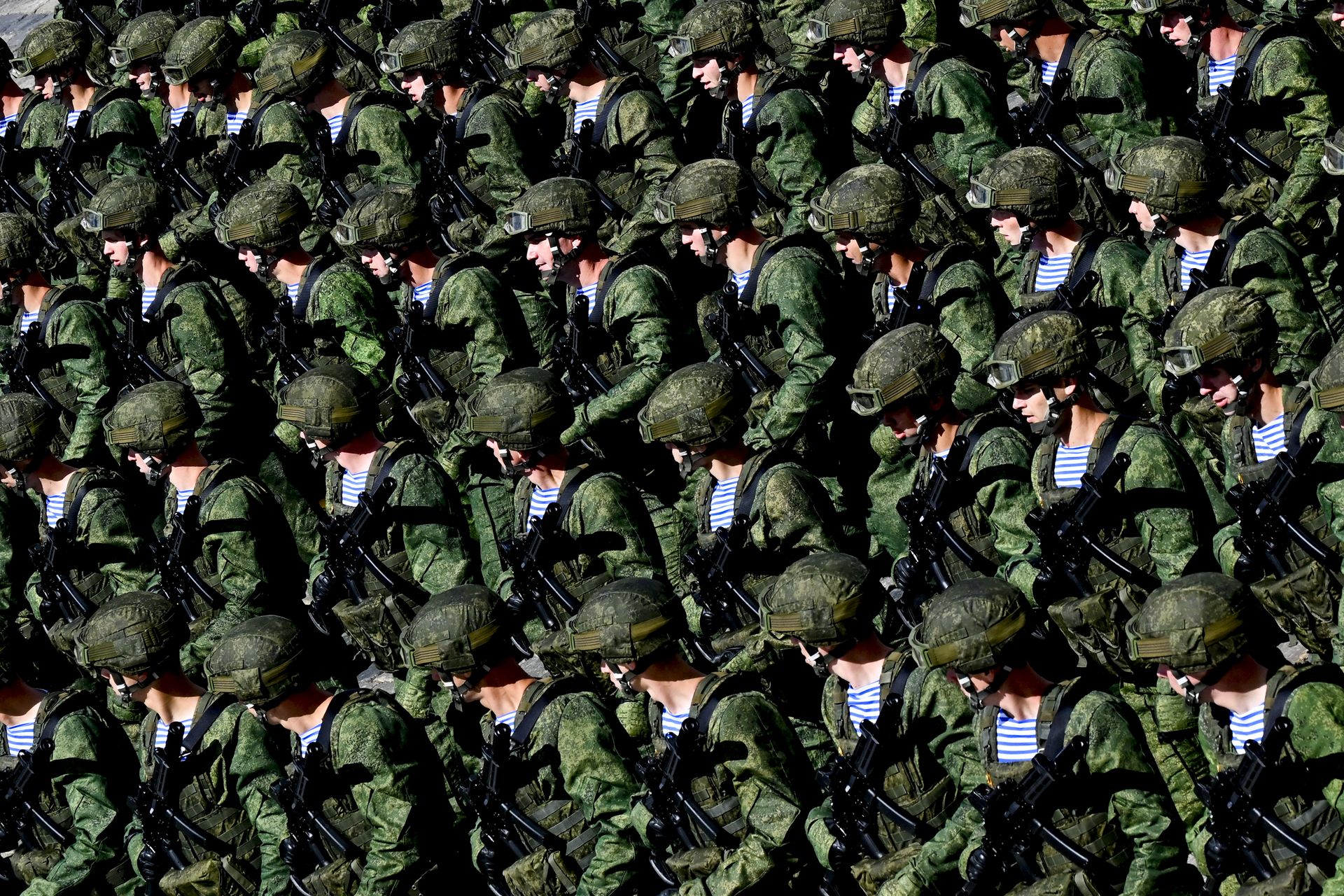
A Kyiv Independent investigation found allegations that a Brazilian-led unit fighting under Ukraine’s military intelligence (HUR) used violent “discipline” practices that former members described as torture. (Karolina Gulshani / The Kyiv Independent)
 on Google
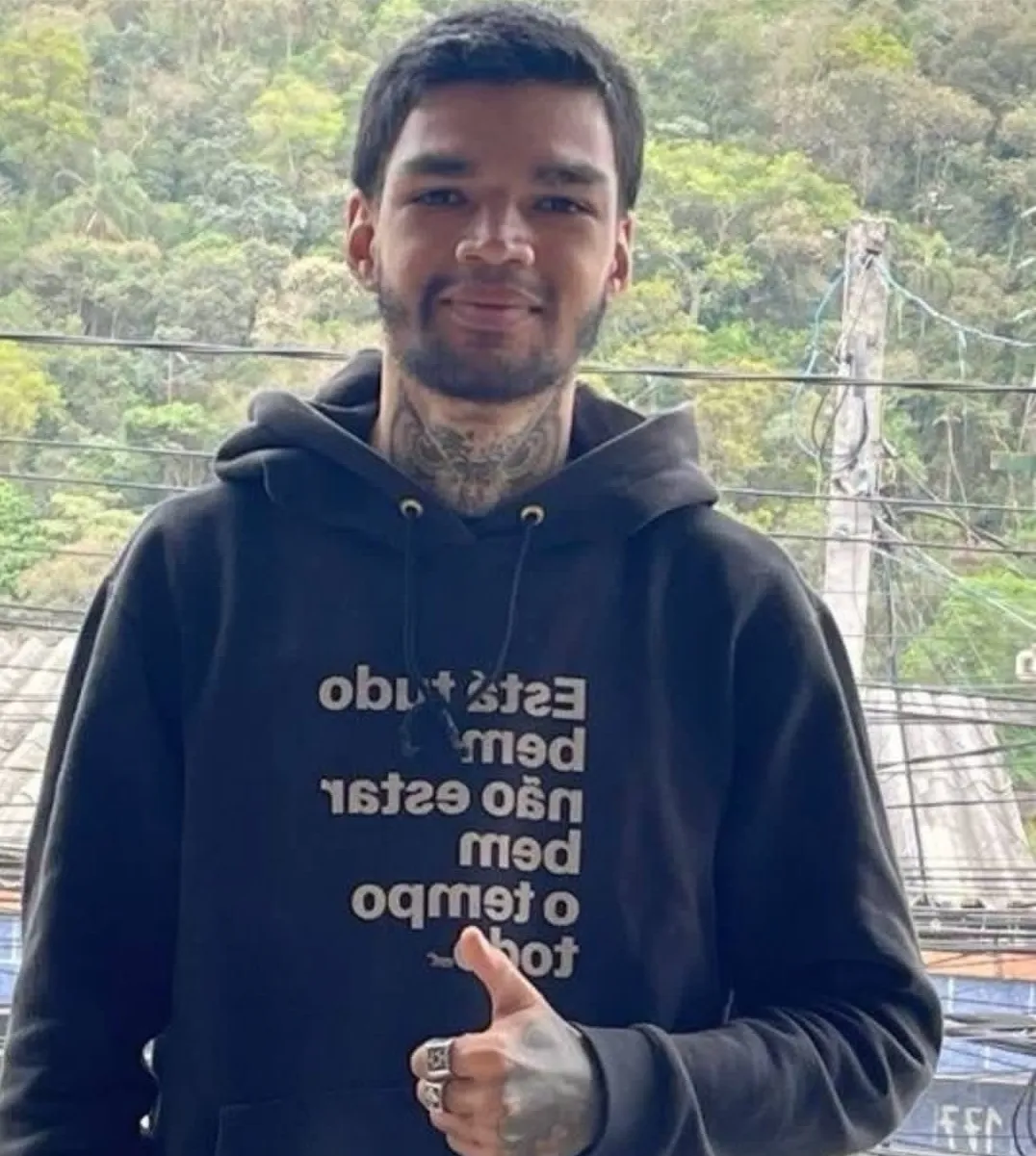
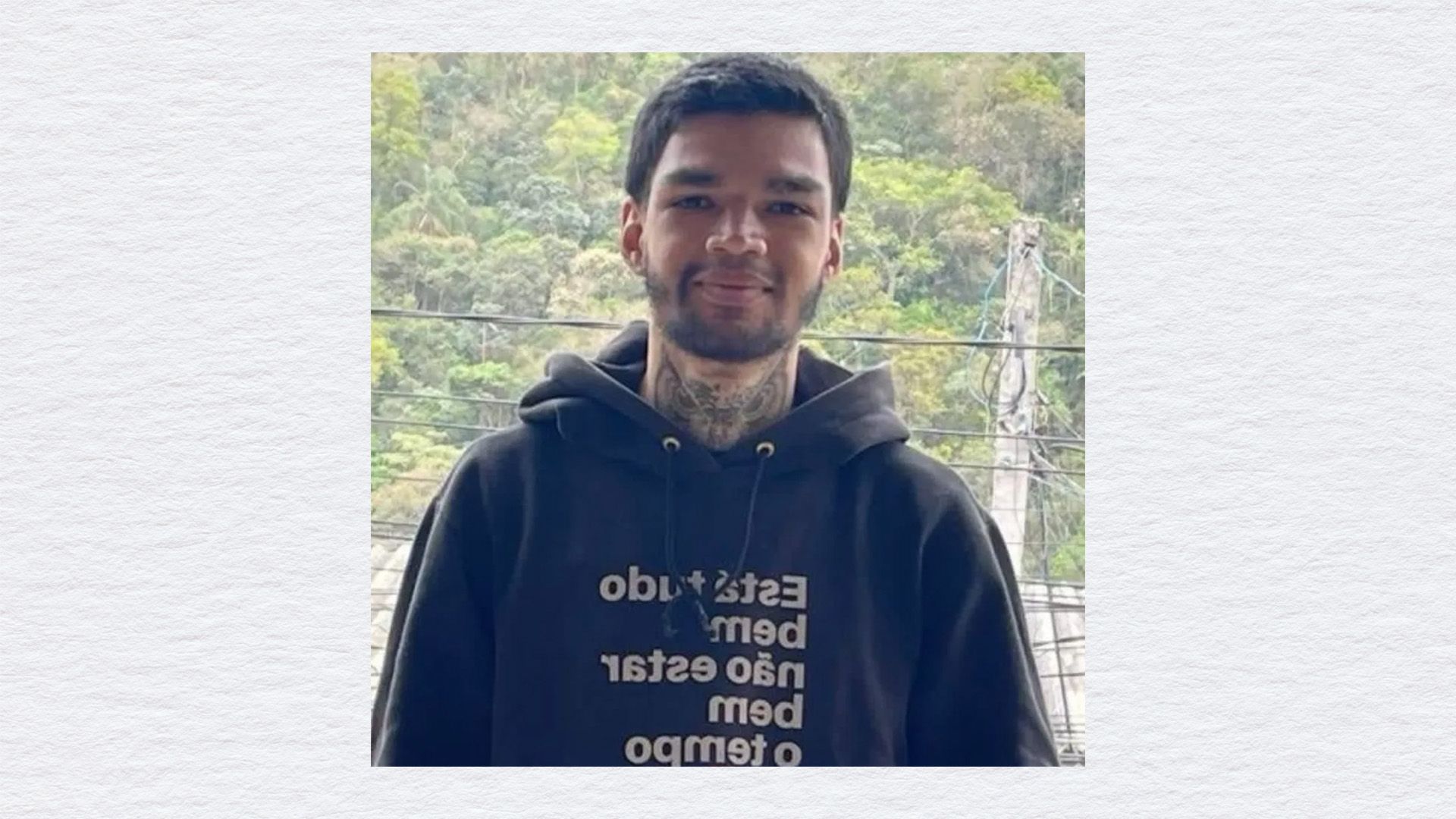
A 23-year-old Brazilian recruit died after a brutal punishment handed out in a unit that regularly used discipline practices described as "torture" by those who both witnessed and suffered them, a Kyiv Independent investigation can reveal.
The man, Bruno Gabriel Leal da Silva, died overnight Dec. 28-29, 2025, according to former fellow fighters who spoke to the Kyiv Independent on condition of anonymity because they feared retaliation.
The unit in question is a Brazilian-led formation called Advanced Company, led by the Brazilian Leanderson Paulino who is accused by several of those serving under him of overseeing — and in some cases taking part in — the abuse of his subordinates.
"It was a battalion that tortured people. Abuse there was normal," one former soldier said.
Witnesses and victims interviewed by the Kyiv Independent described torture including burnings, beatings, waterboarding, and even sexual assault with wooden objects.
Advanced operates under Ukraine's military intelligence (HUR) as an approximately 150-200-strong unit within Revanche, commanded by Bohdan Khodakovskyi, part of HUR's International Legion led by Maj. Vadym Popyk.
Ukrainian officials have acknowledged Leal da Silva's death and say they are investigating. Prosecutors said police have opened a pre-trial investigation after his body was found on the territory of a military unit in Kyiv, while the military ombudsman said her office has ordered an inspection of Advanced.
In a written response, HUR confirmed that at the time of his death, Leal da Silva was at the unit's "temporary deployment point" as a candidate undergoing selection for a possible contract. HUR has since told the Kyiv Independent that it will open its own internal investigation into Advanced Company.
The death of Bruno Gabriel Leal da Silva
Though he had not yet signed a contract with Advanced, the former fighters who spoke to the Kyiv Independent said Leal da Silva was trying to leave Ukraine, and was beaten after returning intoxicated to the unit's base in Kyiv.
Recruits in Advanced are subject to strict rules unusual for military units in Ukraine: They are confined to the base, rarely allowed to leave, and have their passports taken by command, current and former fighters said — and several said they were not issued a "green book," the Ukrainian military ID booklet used as a military registration document.
"I asked for my passport to leave and the guy threatened to shoot me in the face," one former recruit said, recalling a time he tried to leave the unit. He was eventually allowed to leave.
Leal da Silva's friends and comrades say he had no military experience, and was still waiting to sign his contract so he could begin basic training.
Several former members said that on the night of his death, Leal da Silva was allowed out, went out drinking, and did not return in time so a group of soldiers was sent to bring him back. Soldiers say he was drunk — which was against the unit's rules — and, as a form of punishment, was made to spar with boxing gloves against another soldier at the base. Several soldiers confirmed to the Kyiv Independent that at this point, Leal da Silva was not injured.
"He came back fine," one former member said. "He was joking. He wasn't in pain."
Later that evening, according to the former fighters, a group of soldiers who were operating in a position of authority, as delegated by Paulino, took Leal da Silva from the sleeping area to a small room called "the container." Soldiers said they heard Leal da Silva screaming as he was beaten. They said it lasted about 40 minutes.
"We could hear it — screams and blows, but we couldn't do anything," one said.
Several soldiers saw Leal da Silva's badly bruised and battered body the next morning, laid out in the snow by "the container" near the base entrance. They recalled seeing him topless, rope marks on his wrists, and marks over his torso.

Authorities declined to provide an autopsy or medical records describing Leal da Silva's injuries, citing the pending investigation.
"There's no way you end up with bruises like that from a boxing match with gloves," one former member said.
Police were called to the scene. Several recruits described being pressured by superiors to tell police investigators a story that blamed Leal da Silva's death either on a fight in the street or a medical emergency related to the sparring.
"They wanted a version," one former member said. Another added that detectives interviewed recruits in the presence of soldiers seen as loyal to the commander. "If we said anything, we were putting our lives in danger," he said.
A broader pattern of abuse
Hours of interviews conducted in Portuguese, Spanish, and English with former members of the unit suggest a broader pattern of abuse. They allege that, under Paulino's direction, Advanced used coercive methods to control recruits, punishing those who broke rules, fell out of favor, or tried to end their contracts.
While the use of physical discipline is not uncommon in military culture, several soldiers with prior military experience both within Ukraine and abroad said Paulino's tactics went beyond what is either legal or within military norms.
Group beatdowns or "remaços" were a common practice for even minor infractions. "A group gets together and beats one person while he's tied up. He has no chance to defend himself," one former soldier recalled.
A soldier in another Revanche unit, who previously served in another unit in Ukraine, recalled an incident last fall when troops were called to formation and a recruit was accused of filming inside the base, which was prohibited. Paulino, he said, called the recruit forward and, as the man stood in front of him, drew back his fist and hit him in the face. The recruit fell, but Paulino kept striking him, repeatedly landing blows as the rest of the soldiers stood in formation and watched.
"It was a savage beating... I was shocked. I realized I had entered another world. That wasn't military. That was mafia shit."
Interviews with former members portray incidents of abuse that generally fell into three categories: initiation-style "training" that they said escalated into torture; spontaneous beatdowns for minor infractions (such as with the soldier beaten for filming); and, most seriously, torture sessions in which soldiers were typically restrained in basements and subjected to severe beatings and other abuse for hours or days.
They further alleged that Paulino took part in the abuse or directed it via video calls, though they say he was not personally at the base the night Leal da Silva died.
The Kyiv Independent contacted Paulino multiple times via social media, messages he read but did not respond to.
'It was about power'
The Kyiv Independent interviewed victims who said they experienced torture in Advanced, spoke to witnesses who corroborated some details, and viewed related photos said to depict signs of torture — burns, lacerations, swelling and bruises.
The methods sources described include: beatings, burning with hot liquid, dousing with freezing water, electric shocks, whipping, waterboarding, asphyxiation with a plastic bag, restraint, sexual assault with an object and prolonged confinement without food or water.
One former member described being taken aside for punishment after an accusation he said was never investigated. "They stripped me and beat me," he said. He said they restrained him in a basement, took his phone, doused him with cold water, and beat him repeatedly, including in the face. He said the men shouted threats meant to make him believe they could kill him and later claim he tried to flee or grab a weapon.
Another former member said he was detained and beaten after trying to leave. "I thought they were going to kill me," he said. He said those holding him restrained him, beat him, threatened him with a firearm, and used cold exposure and water as part of the punishment before returning him to confinement. He said a doctor later brushed off his complaints of serious injuries. "The only thing they answered was, 'That's normal,'" he said.
Independent medical records were not available because those interviewed said they were not taken to a doctor after the alleged abuse or were never given any medical or forensic documentation. The Kyiv Independent is withholding case-specific details to avoid making sources identifiable to those they accuse. The former soldiers said they fear retaliation against them or their families.


"They told me that if I spoke about this, they would come looking for me — and they would come looking for my family," one former member told the Kyiv Independent.
"If my name gets out, whatever happens puts my life — and my family's life in Brazil — at risk," said another.
They alleged that beatdowns and torture were established practices in Advance.
"It was about power — to tie you up and beat you, to humiliate you," a former soldier said.
One of the most serious cases involves a Brazilian man known by the call sign Arcanjo. Current and former Advanced members said he was detained and tortured.
The Kyiv Independent has not been able to contact him. Videos said to show parts of his interrogation have circulated among foreign fighters.
The interrogation video shared with the Kyiv Independent shows him seated in a chair, gasping for breath as he struggles to answer questions. Men off camera press him to confess, and their dialogue lays out what they are doing and threatening to do:
"Give him a shock to see if he talks," one man says off camera.
"Let's put the pole of the broom up his ass," another says.
"I've been here giving him affection all week."
"I took the wire out."
"Talk, you bastard. Do you think I want to give you more shock?"
Paulino has appeared to respond to the controversy around the Arcanjo case, which gained traction on social media, via a Feb. 12 message in the stories of his Instagram page:
"Yes, at ADVANCED we do not accept and do not admit gays, trans people, much less pedophiles (rapists). Thieves and bums who come here to steal or to get media attention, to sell invitation letters to Brazilians — we do not accept this damned bunch among us.
"If you are exposed here in Advanced, you will ([be beaten )]🪵".
Complaints and warnings
A Brazilian who served in a separate group within HUR said he filed complaints about abuse within Advanced with Ukrainian commanders in 2024. He said he raised allegations that soldiers were being beaten, threatened, and robbed, and later forwarded videos he said showed abusive disciplinary practices. He said his complaints did not lead to visible action.
The Kyiv Independent met with officials from HUR and its International Legion to discuss the investigation’s findings. The officials refused to comment on the record, but said HUR would conduct its own internal review of the allegations involving Advanced Company.
They said soldiers can report alleged abuse to higher-ranking commanders, but acknowledged there may be gaps in how complaints from foreign fighters are received and processed. They said part of the challenge is that a significant portion of HUR resources are focused on vetting foreign volunteers for potential Russian influence, which they acknowledged can limit capacity to address other complaints — an issue they said they will look into.

Several soldiers said they also tried to contact the Brazilian Consulate in Kyiv for help. In the weeks after Leal da Silva's death, the Brazilian Foreign Affairs Ministry, known as Itamaraty, reposted a consular alert first issued on July 30, 2025, urging Brazilians to refuse offers to join foreign armies and warning that Brazilians can face prosecution in Brazil for serious crimes committed abroad.
Responding to a request from the Brazilian television network SBT, which worked with The Kyiv Independent on this investigation, Itamaraty representatives said Leal da Silva emailed the Brazilian consulate four days before his death to complain of mistreatment in his unit and to say his passport had been seized. They said consular staff advised him to report the complaint to his unit’s command so the allegations could be investigated and told him he could receive a replacement passport if he came to the consulate, but he never arrived.
Brazilian soldiers speak out
The soldiers who spoke to the Kyiv Independent said they agreed to speak despite fearing retaliation, because they believe the abuse is continuing and could claim more lives.
"I don't want other people to go through what I went through," one former soldier said.
"I think it’s important to highlight all the unethical things that happen, because a lot of people are coming to help Ukraine and don’t expect what’s going to happen here. The conduct is not professional at all," another solidier said. "I don’t think anyone deserves to be mistreated. People come to help — not to be tortured, not to be hurt, not to be imprisoned, not to lose their freedom."
Another framed it as a race against the next death. "If this doesn't stop at some point, it will keep happening," he said. "Bruno didn't have the same luck I did."
Still, they said they want consequences. "They should pay for everything they're doing," one former member said.
He added that the abuses he described had turned what was supposed to be a military unit into something else. "It didn't feel like a military unit. It felt like a cartel."
A Brazilian who said he filed complaints with Ukrainian superiors argued that speaking publicly was also about protecting Ukraine's standing, and the reputation of the many foreign volunteers. "Ninety percent of the Brazilians here work honestly," he said. "And the complaints that keep emerging are Brazilians denouncing these criminals."
While some of the soldiers interviewed for this story have left Ukraine, others continue fighting for other units.
"I still support Ukraine because I think there are better companies, better battalions. I don't believe that all of Ukraine, in general, is like this. In the time I've been here, I already know that, yes, there are shortcomings, but I don't believe it's at that level," one Brazilian soldier said.
"I think the cause continues, and that doesn't change the fact that Ukraine's sovereignty is under threat. And that doesn't change the final objective. Therefore, yes, my goal up to this point remains the same, just far from Advanced."
Many are still angry about what happened to Leal da Silva. As one soldier pointed out, he had yet to sign a contract, and already decided that he wanted to return to Brazil.
"Bruno was a poor guy from Brazil, from Pernambuco. The only thing he wanted was to go home. That's all he wanted," he said.
Editor’s note: This article initially listed Bruno Gabriel Leal da Silva’s age as 28, based on accounts from his friends. His mother later told the Kyiv Independent he was only 23, and we have corrected the text.
Note from the author:
Hi, this is Jared, the writer of this article.
This was a difficult story to report. I’m grateful to the soldiers and recruits who trusted me with painful accounts and were willing to speak despite what they saw as real risks to themselves and their loved ones.
Reporting like this is only possible because The Kyiv Independent is truly independent — committed to documenting Russia’s crimes in Ukraine and holding local officials and institutions accountable as well. If you value this kind of journalism, please consider supporting it by becoming a member.
Oi, aqui é o Jared, autor desta reportagem.
Foi uma história difícil de apurar. Sou grato aos soldados e recrutas que confiaram em mim relatos dolorosos e falaram mesmo com medo de riscos para eles e para suas famílias.
Esse tipo de reportagem só é possível porque o The Kyiv Independent é realmente independente — comprometido em documentar os crimes da Rússia na Ucrânia e também em cobrar responsabilidade de autoridades e instituições locais. Se você valoriza esse jornalismo, por favor, considere apoiar nosso trabalho tornando-se membro.
read also
 Asami Terajima
 Kollen Post
 Liubov Tsybulska