In the middle of war, Ukraine's top university reimagines Russian Studies
 on Google
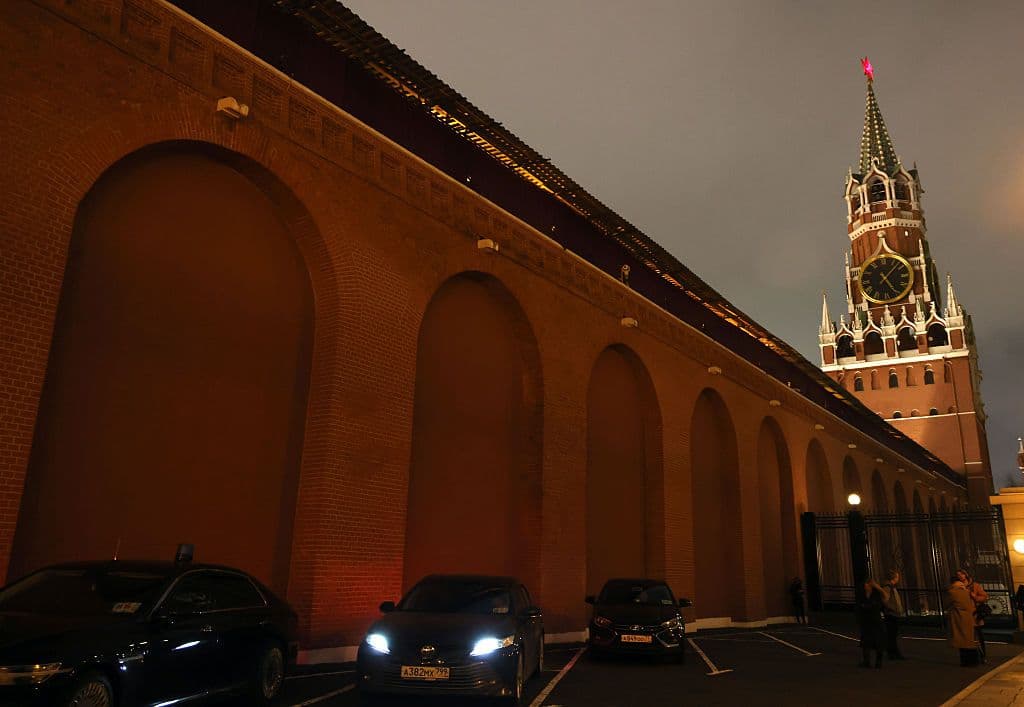
Eleven years into Russia’s war, a Ukrainian university is forging ahead with an unexpected academic pursuit: launching a Russian Studies program to study the country that had imposed itself on Ukraine.
“Our goal is to study Russia from different angles — its economy, its society, its elites, its foreign policy — in order to take a critical look at what Russia has done to us and the world,” said Professor Maksym Yakovlyev, co-founder of the program at the Kyiv-Mohyla Academy, one of Ukraine’s oldest and most prestigious universities.
“We examine how it threatens global stability, how it has long undermined the international security architecture, and how it continues to operate as an imperial power,” Yakovlyev told the Kyiv Independent.
The certificate program, which is run by the Department of International Relations in partnership with the School for Policy Analysis, moved quickly through the approval process, but even small details sparked debate before its official launch in September.
While the certificate program currently exists only for undergraduates, it is poised to develop into a full Master’s degree in the near future.
To build the coursework, Yakovlyev and his colleagues cast a wide net, not only looking into Russian Studies programs abroad but also seeking advice from relevant NGO workers, exiled members of Russia’s indigenous groups, and even Ukrainian intelligence on what a modern curriculum on Russian Studies should include.
Sign up for our newsletter
Roman Steblivskyi, a policy expert at the Economic Security Council of Ukraine, an independent Kyiv-based institution that is currently tasked with identifying sanctions that weaken Russia’s military-industrial complex, was among the early supporters of the program.
“The main task for Ukrainian institutions is to deliver accurate analytical data on Russia so that Western partners can act on it effectively,” Steblivskyi told the Kyiv Independent.
“Some of us have been studying Russia since 2014, when the war began, and now it is time to share that knowledge more widely so that a broader group can access and benefit from this knowledge.”
The coursework of Kyiv-Mohyla’s Russian Studies program spans everything from Russia’s power dynamics and economy to propaganda and post-Soviet foreign policy — but one thing is conspicuously absent: the humanities.
“We were advised not to go deep into the study of Russian history and literature as that could lead us to fall into the trap of many Russian Studies programs abroad,” Yakovlyev explained, as many such programs tend to read canonical literary works “outside” the lens of Russia’s history of aggression.
As the program expands, figuring out how much of the humanities to include will be a key challenge.
“We will include a module or course on key Russian texts to help students understand Russian ideology and society. We’ll also offer a short course on Russia’s political history — how the state developed over time. But what we won’t do is recreate a traditional humanities-style study of Russia.”

Although their program does not emphasize the humanities in the way many traditional Russian Studies programs do, Yakovlyev and his colleagues hope it will provoke a reckoning with the longstanding Russophilia that pervades many Slavic Studies programs worldwide.
“Hopefully, (Russian Studies programs abroad) will begin to shift away from this focus on being in love with the ‘great Russian literature’ to taking a more critical stance in understanding Russia,” he said.
In light of the push to expel Russian cultural influence to the periphery of public life since 2014, and even more so after 2022, it may seem unexpected that students are enrolling in a certificate program focused on the study of Russia, even if this knowledge is useful for a number of careers.
But Yakovlyev describes the program as something that “embodies the very idea of de-Russification (in Ukrainian society) because it treats Russia explicitly as an adversary.”
According to Yakovlyev, the students drawn to the certificate program resemble those who pursue International Relations, often preparing for careers in NGOs, think tanks, government ministries, or military intelligence — roles focused on actively shaping a better future for Ukraine.
As for the professors running the certificate program, they also hope to prepare future generations of students for careers in international organizations, where they can raise awareness of the threat Russia poses worldwide.
“We believe that Ukrainians have a unique advantage in their experience dealing with Russia — and we hope to transform this advantage into a successful and relevant program,” Yakovlyev said.

Note from the author:
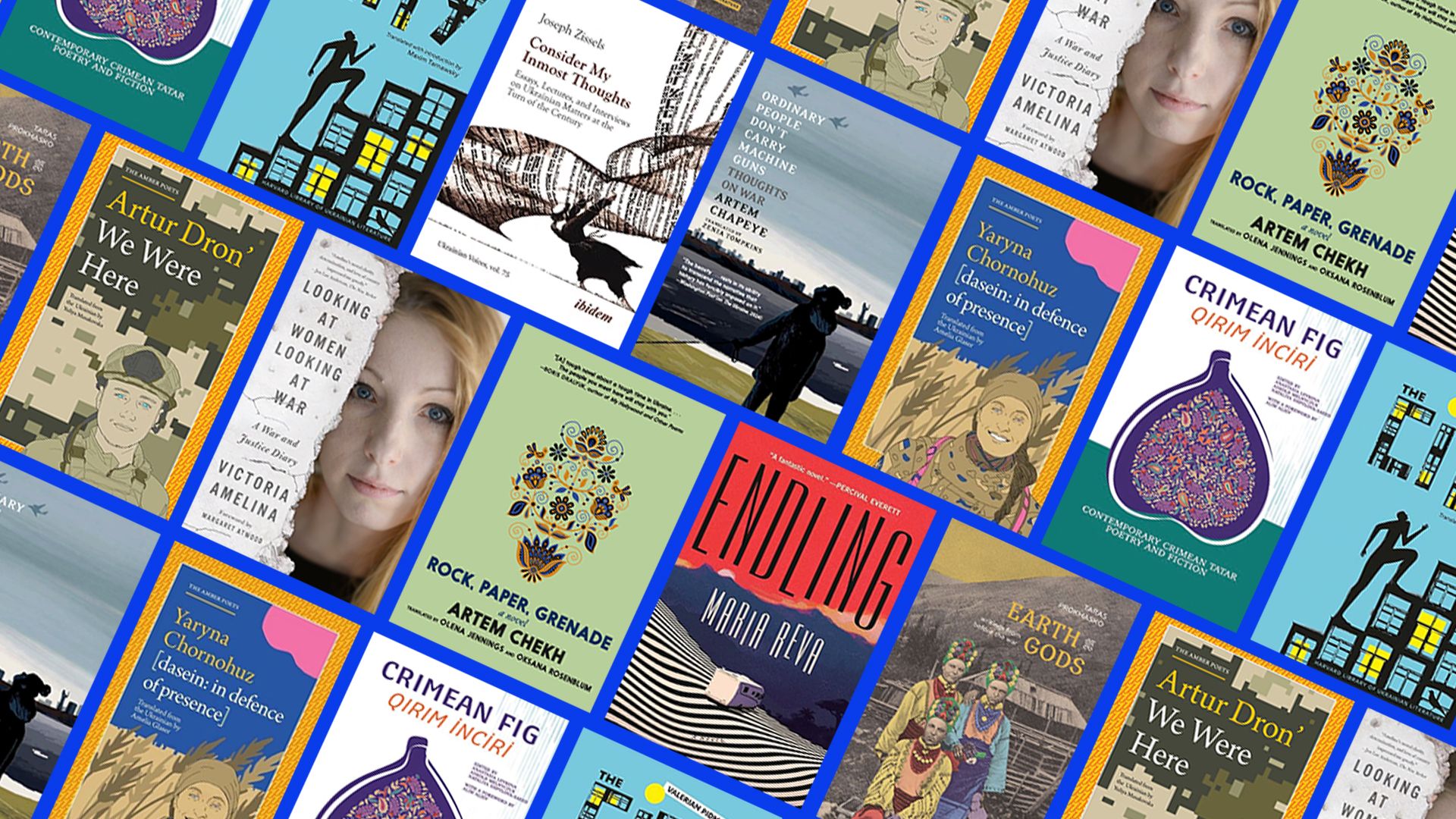
Hi, this is Kate Tsurkan, thanks for reading this article. I was so intrigued to learn about Kyiv-Mohyla Academy's Russian Studies Program, especially amid a push in Ukrainian society to establish firm boundaries with anything related to Russia. The need to understand your enemy is important though, so I'm glad such programs existed, and that they are crafted with such care. If you like reading about this sort of thing, please consider supporting The Kyiv Independent.