Energy crisis in Kyiv unprecedented, Mayor Klitschko says
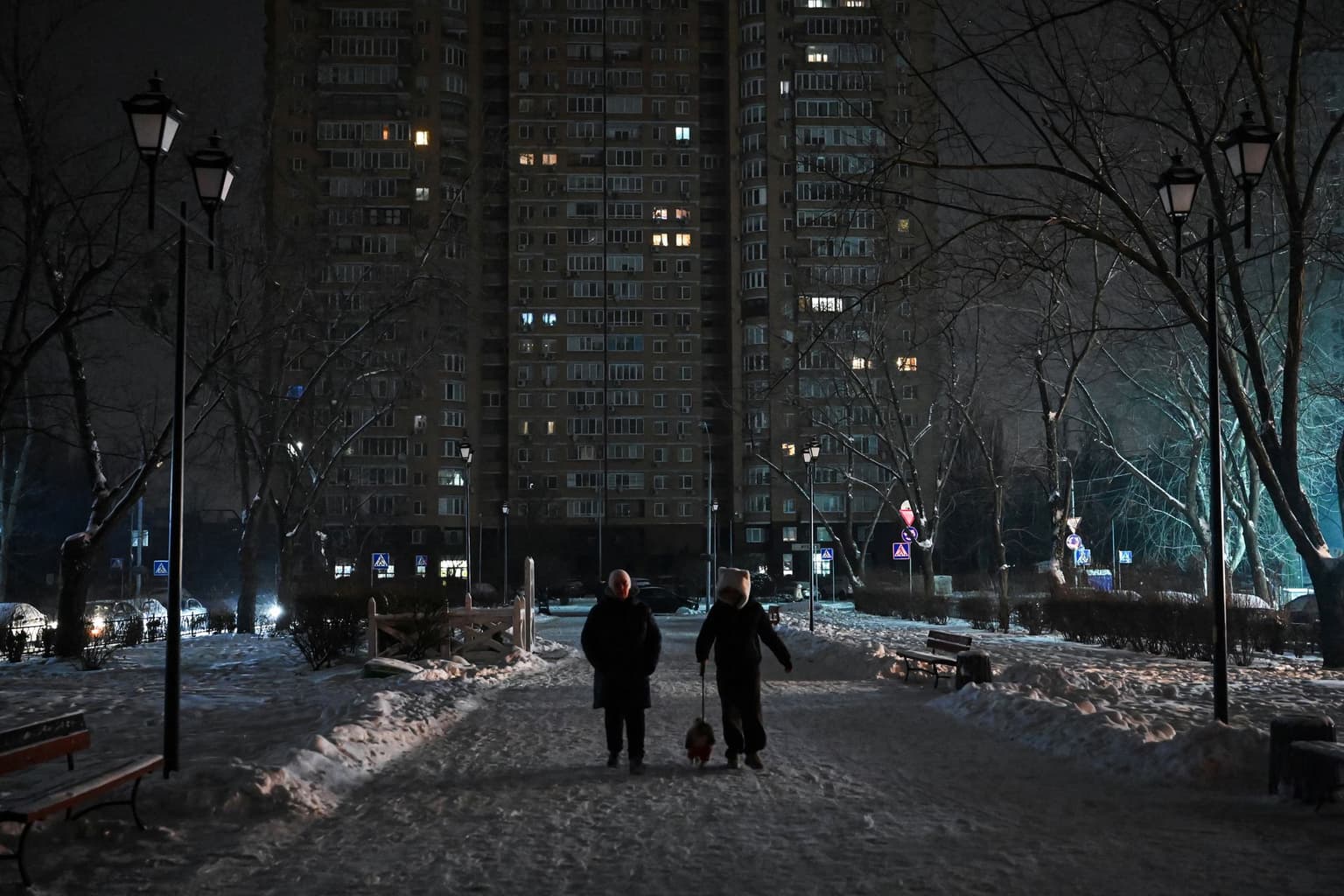
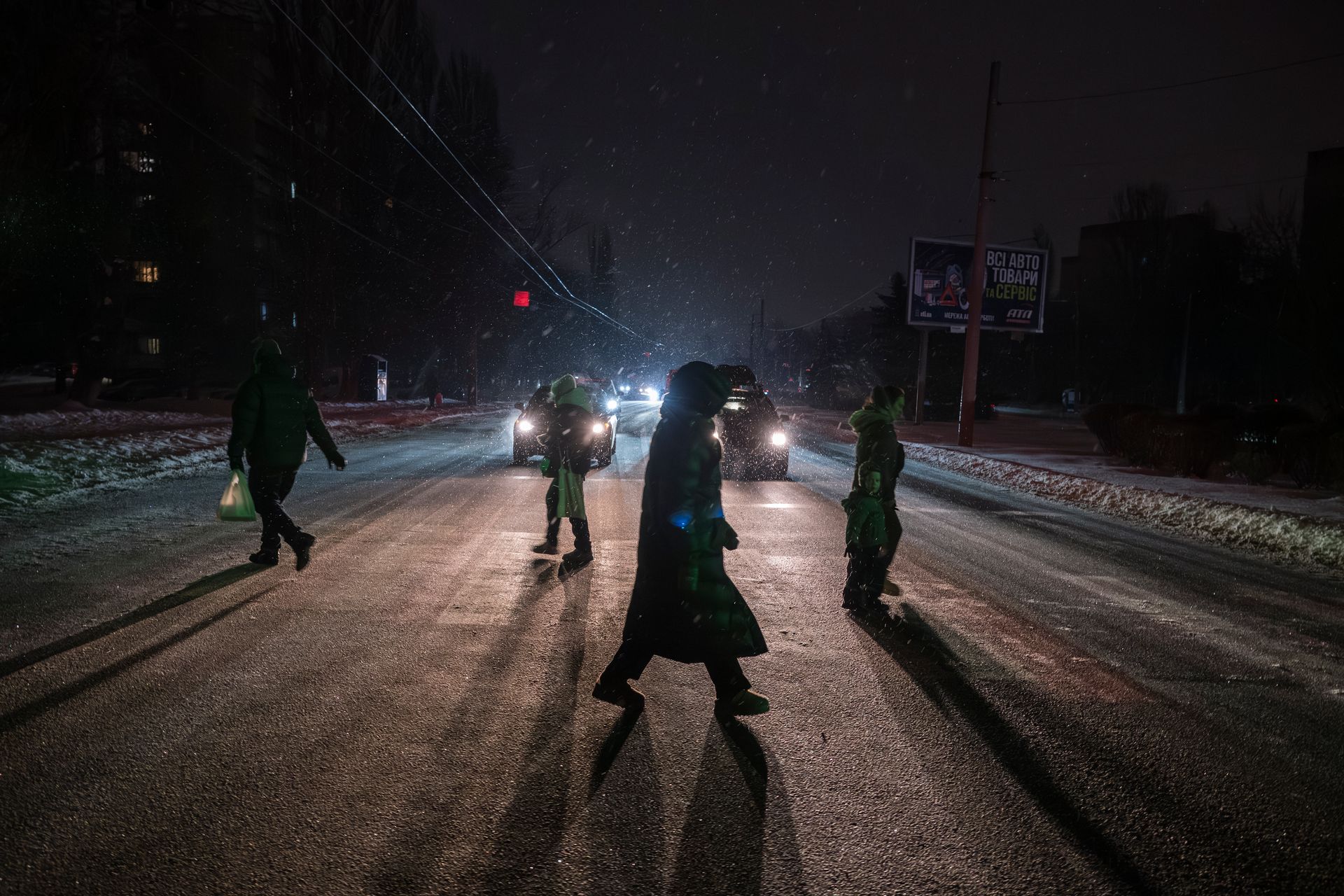
People walk with a dog along an unlit, snow-covered street during a power outage in Kyiv, Ukraine, on Jan. 13, 2026. (Genya Savilov / AFP via Getty Images)
 on Google
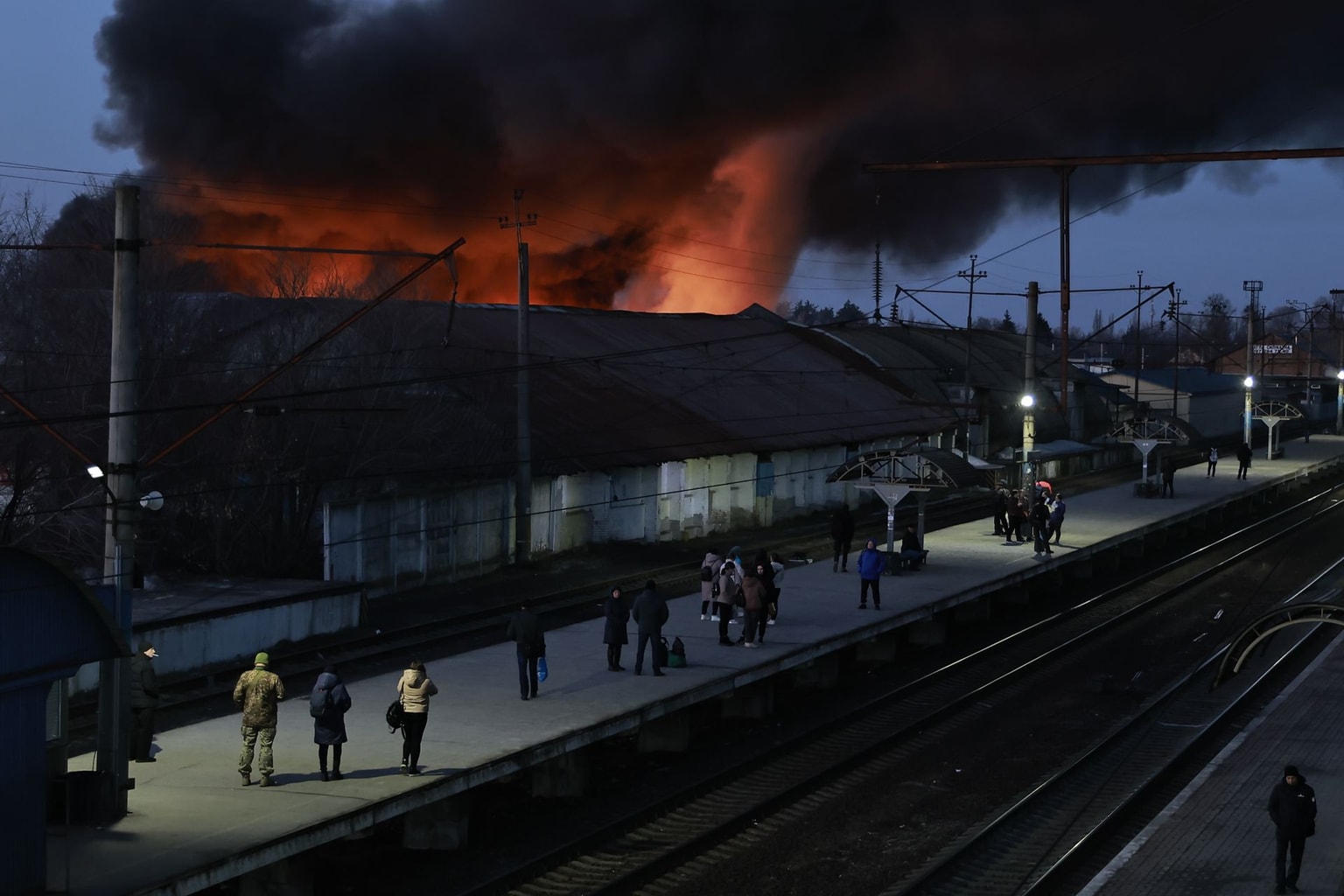
Explosions rang out on a Wednesday morning in central Kyiv as Russia ramps up its drone and missile attacks on the city's power and heating infrastructure, taking advantage of the freezing temperature outside in an attempt to break Ukrainians' morale.
Local authorities reported on Jan. 14 that air defenses were active in the capital due to yet another Russian drone attack. They have not specified what Russia was targeting in this attack.
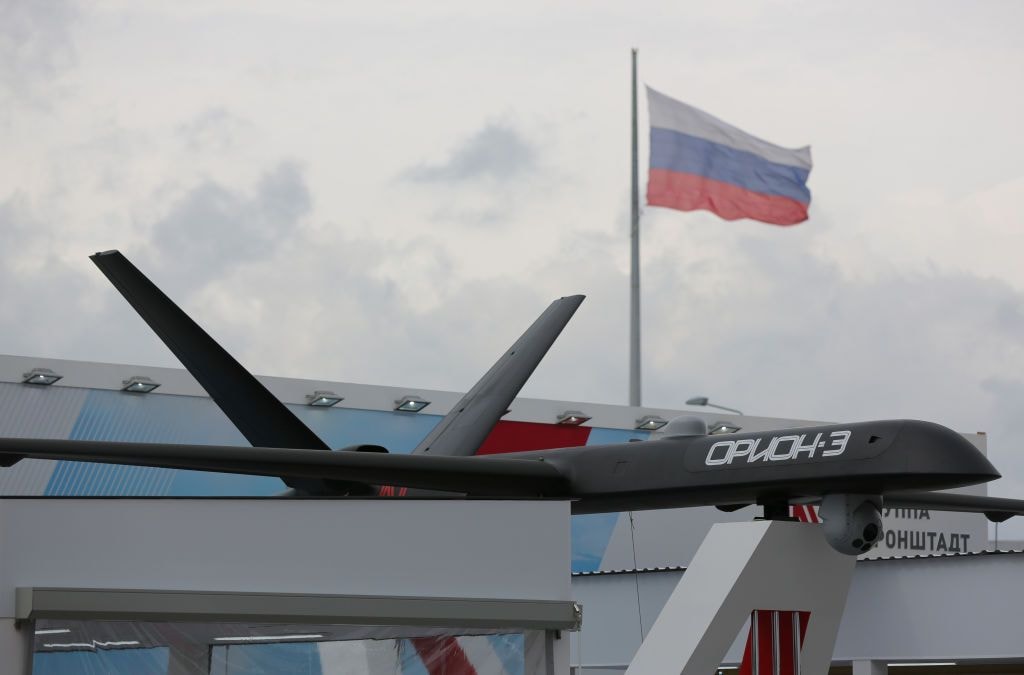
The Air Force reported that it had downed all ten jet-powered drones that headed toward Kyiv from 7 a.m. to 5 p.m. local time, either over Kyiv or northern Chernihiv oblasts. It added that specialists will likely determine the type of drones used and their payload after studying the wreckage.
Around two hours prior to the latest attack, Tymur Tkachenko, head of the Kyiv City Military Administration, reported a drone threat on the capital. An air raid alert went off at around 3 p.m. local time as well, with the local authorities reporting another Russian drone threat.
Tkachenko said that a facade of a private residence located far from the center sustained minor damage during the morning drone attack, but there were no casualties reported.
Kyiv Mayor Vitali Klitschko said later on Jan. 14 that the energy and heating situation in the capital remains "very difficult," with about 400 multi-story buildings in Kyiv remaining without heating.


"This is the first time in four years of full-scale war that we have seen a situation of this magnitude," Klitschko said in a Telegram post.
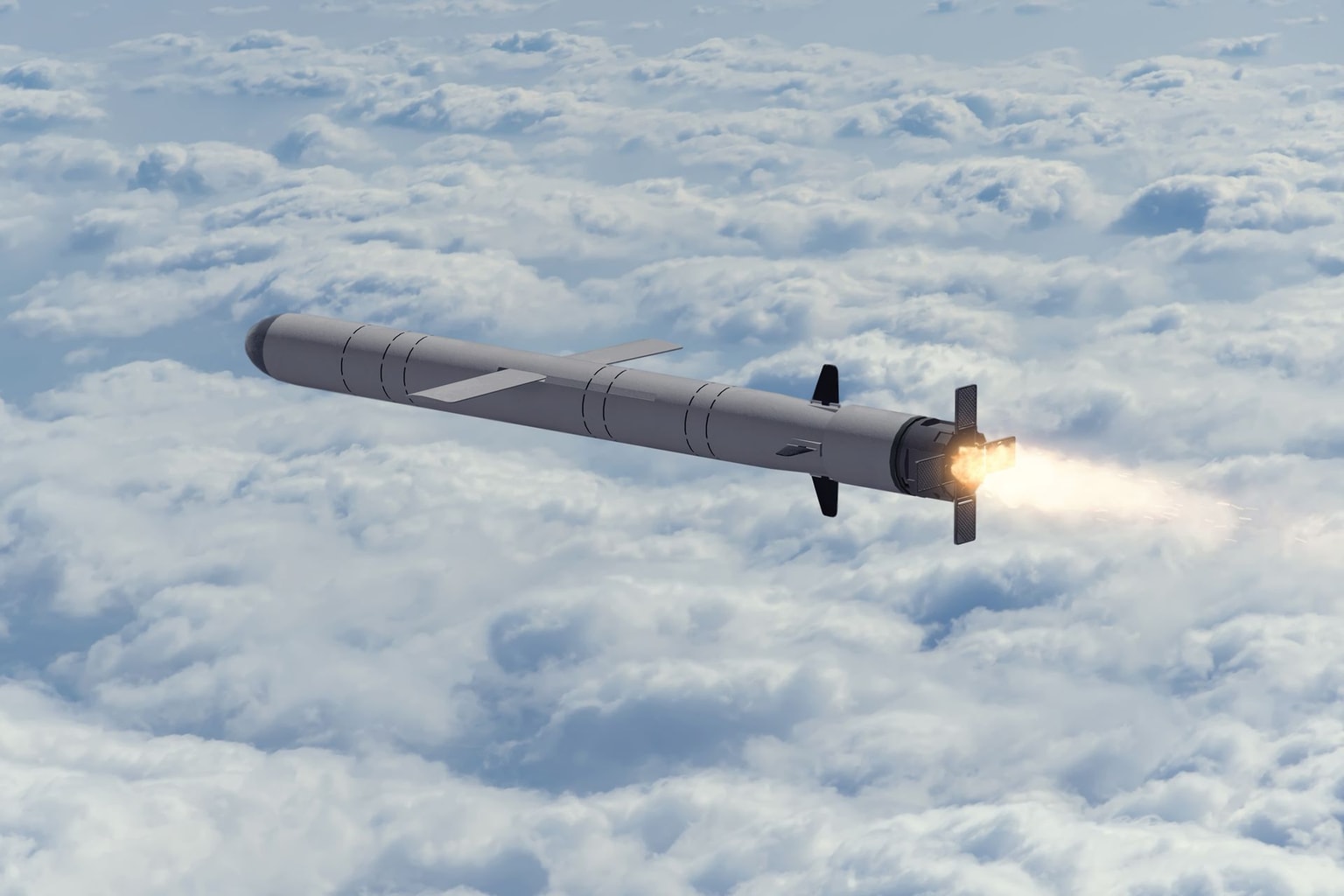
Russian drones and missiles have been targeting critical infrastructure in an intensified blitz in recent days to deprive people of power and heating supplies in the subzero temperatures, nearly four years into the full-scale war.
Deputy Energy Minister Mykola Kolisnyk warned on Jan. 13 that Russia is "going all in" to destroy Ukraine's energy infrastructure after the second mass attack in less than a week.
Vitaliy Zaichenko, Ukrenergo CEO, told the Kyiv Independent on Jan. 13 that Russia was trying to disconnect Kyiv from the power and force people to flee the city, adding that about 70% of the capital was left without electricity.
The second mass attack, which occurred in the early hours of Jan. 9, significantly worsened the power and heating situation in the capital. The mass missile and drone attack left much of Kyiv without electricity, heating, and running water as the city entered some of its coldest days.
While Russia has waged a similar energy blitz over the winter of 2022-2023, Olena Pavlenko, president of the Kyiv-based energy-focused think tank DiXi Group, told the Kyiv Independent that "compared to all previous winters, the situation now is the worst."
Klitschko said that around 6,000 buildings, which account for nearly half of the total, were left without heating. He reported that heating will be restored later on Jan. 14 to some of the 400 buildings that are still without it.
Following the Jan. 9 attack, Kyiv Mayor Vitali Klitschko recommended that Kyiv residents who have the means to temporarily leave the city do so for a short time.
"We are doing everything we can to resolve this as quickly as possible," Klitschko said.