Chart of the week: Ukraine's missile interception rate slides lower as Russian attacks plunge country into crisis
 on Google
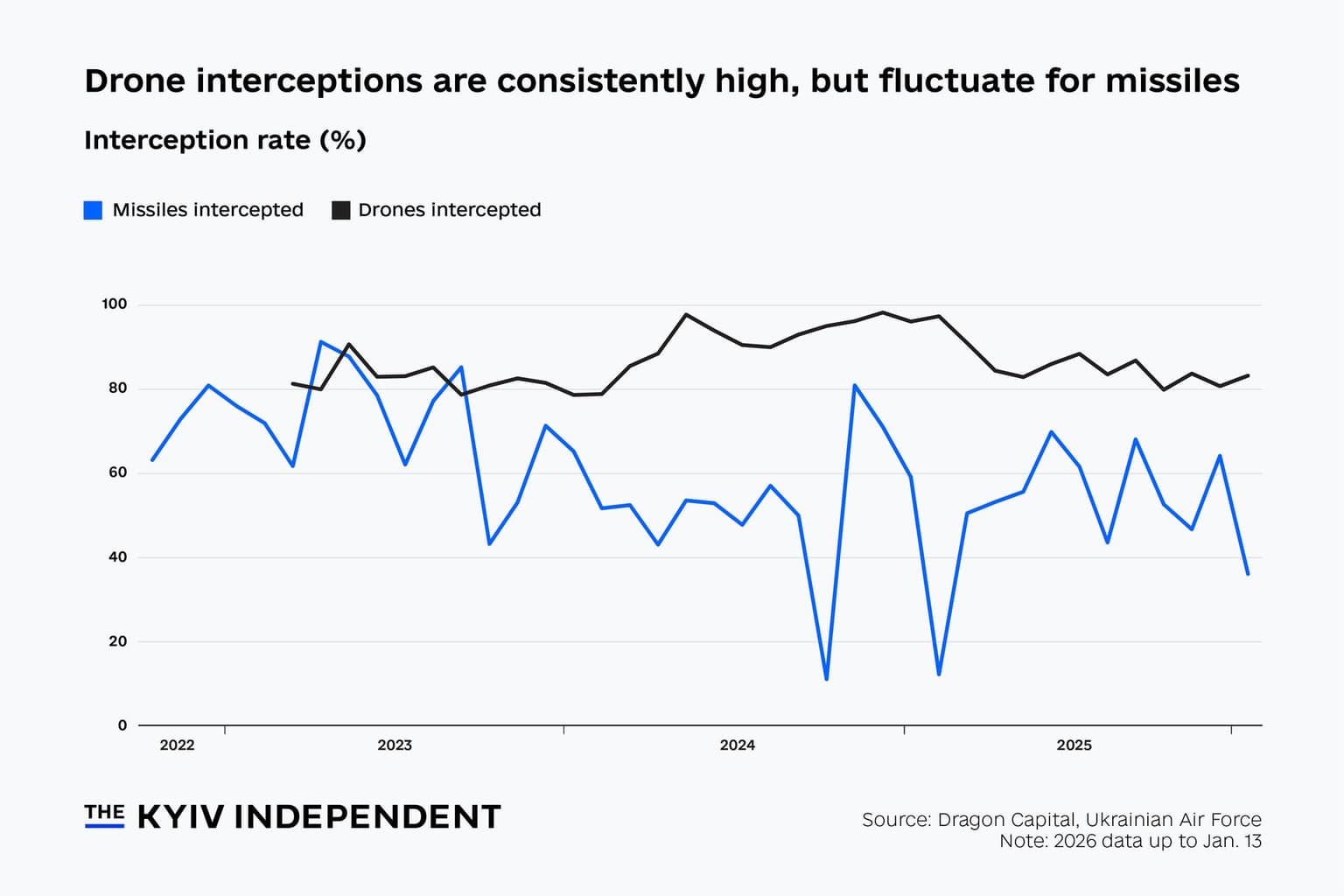
Ukraine's missile interception rate slid lower in the first two weeks of 2026, as Russia continued its months-long bombing campaign against the country's energy infrastructure.
Ukraine's Air Force reported downing 26 of the 73 missiles launched by Russia in the first two weeks of January, according to data compiled by Dragon Capital — an interception rate of 36%. The average monthly rate since October 2022 is 60%.
In an overnight attack targeting several cities across Ukraine on Jan 12–13, Ukraine reported downing just two of 18 ballistic missiles launched.
Russia also launched 1,852 drones at Ukraine in the first two weeks of the year, of which 83% were intercepted, according to Dragon Capital.

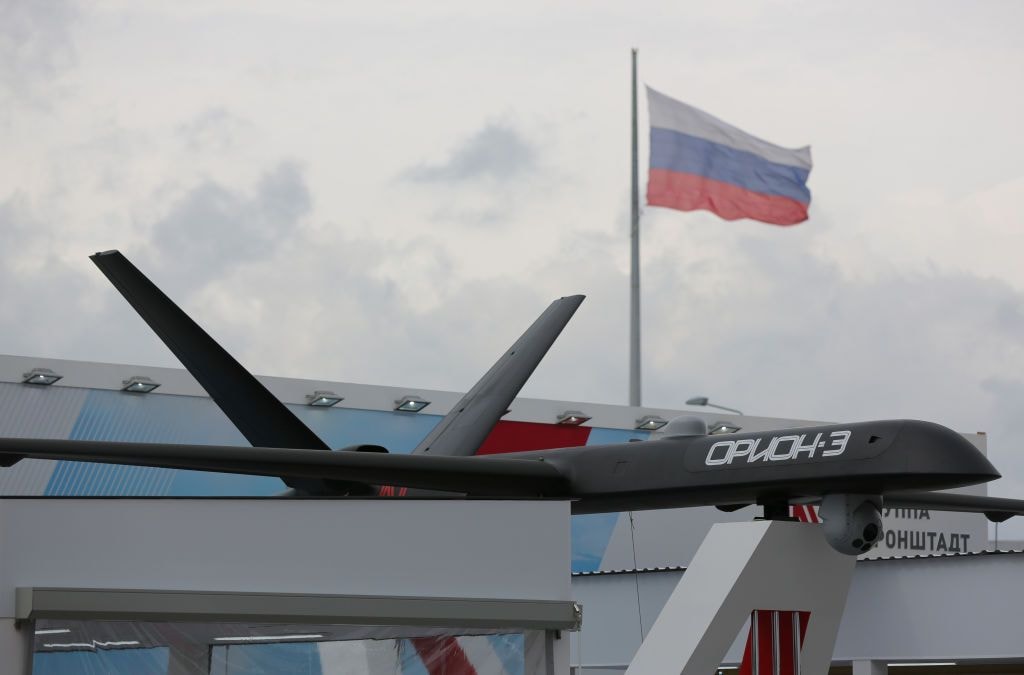
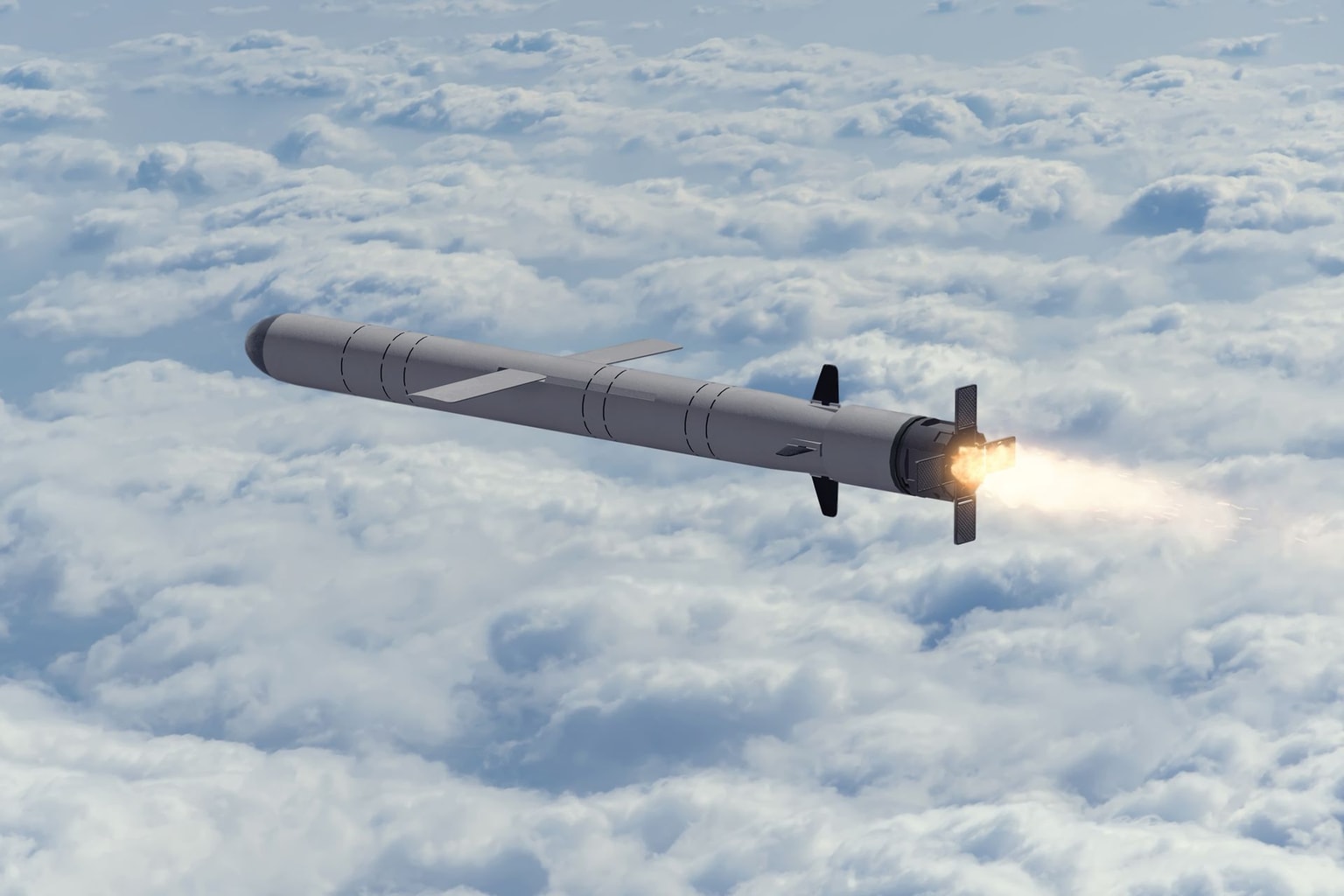
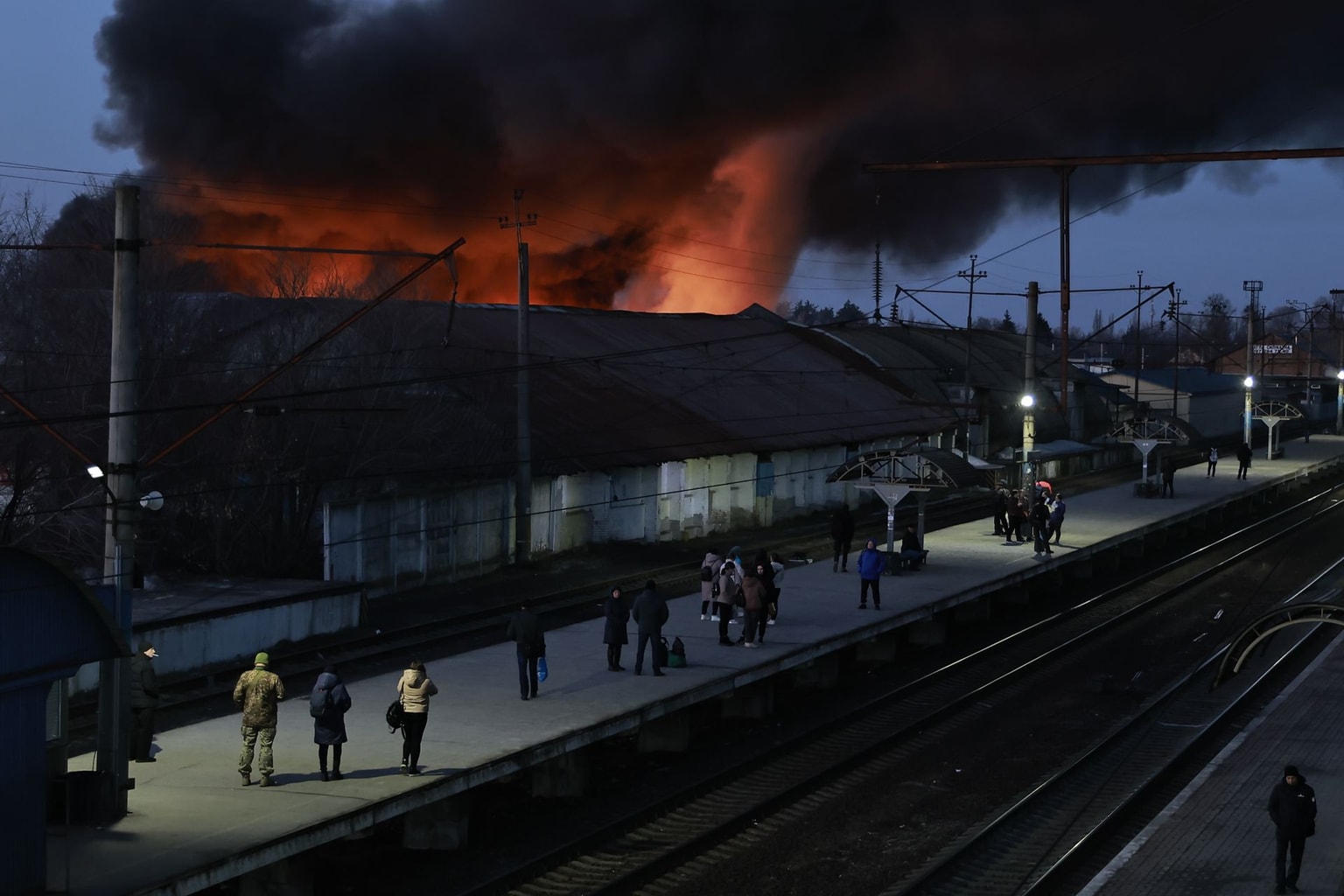
Moscow launches a menacing combination of drones, ballistic missiles, hypersonic missiles, and cruise missiles in weekly assaults, which since October have targeted Ukraine's energy grid, power stations, and heating infrastructure.
To counter these attacks, Ukraine employs several layers of defense, including anti-missile systems, interceptor drones, mobile defense units — pickup trucks with mounted machine guns — and the use of fighter jets and helicopters to shoot down missiles and drones.
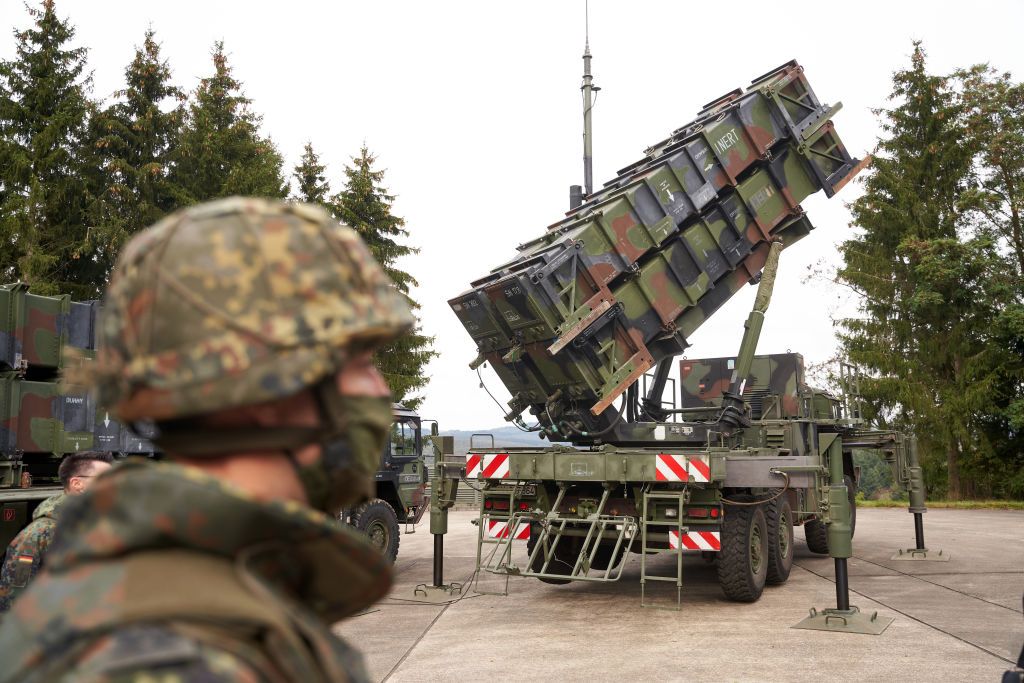
But defense against missiles relies on sought-after ammunition, including American-made PAC-3 interceptors for Patriot batteries. President Volodymyr Zelensky has repeatedly called for more air defense from allies.
"We don't have enough missiles or radars to do the job," says "Free," a lieutenant colonel serving in Ukraine's Eastern Air Command, who requested to be identified by call sign only as Ukrainian soldiers are not authorized to speak to the press.
"Our radars are getting knocked out every day," they added.
The U.S., in agreement with Lockheed Martin, announced on Jan. 6 that it would triple production of PAC-3 interceptors from the current rate of 600 per year.