Budapest rallies highlight Hungary’s divide over Ukraine, Europe before April vote
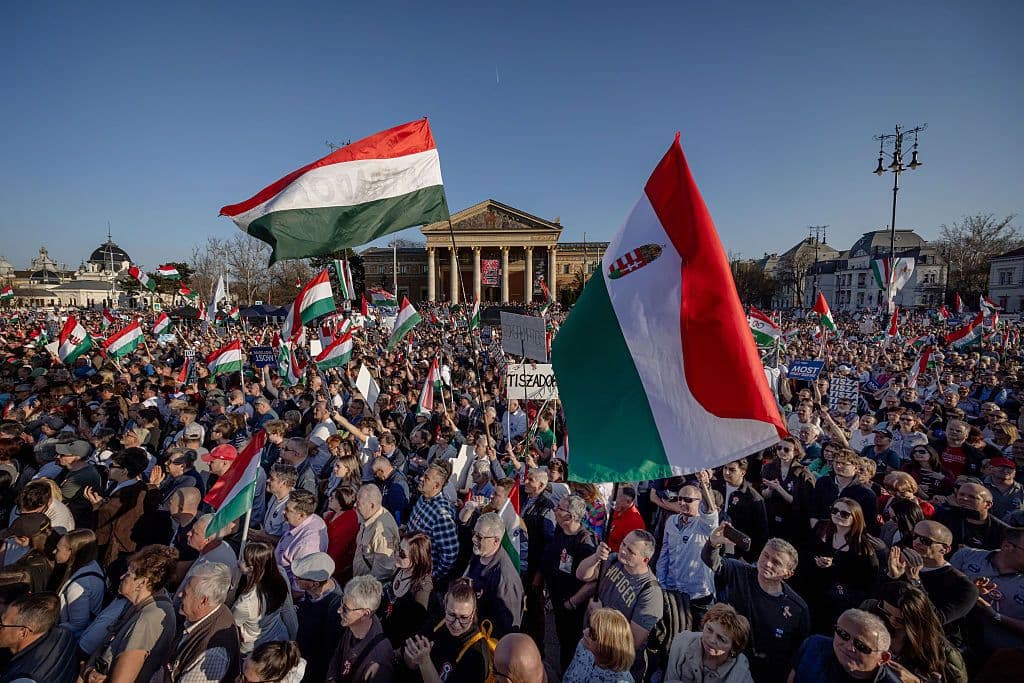
Supporters of Peter Magyar, Hungarian opposition leader, march at a demonstration during commemorations of the 178th anniversary of the 1948/49 Hungarian Revolution on March 15, 2026 in Budapest, Hungary. (Janos Kummer/Getty Images)
 on Google
BUDAPEST, Hungary — Hundreds of thousands of people filled the streets of Budapest on March 15 as rival political camps staged dueling rallies on Hungary’s national holiday, offering starkly different visions of the country’s future just four weeks before a pivotal parliamentary election.
At opposite ends of the capital, Prime Minister Viktor Orban and his challenger, Tisza party leader Peter Magyar, addressed massive crowds marking the anniversary of the 1848 Hungarian Revolution — a day long associated with national independence and political defiance.
But the messages could hardly have been further apart. While Orban framed the vote around war in neighboring Ukraine and Hungary’s place in Europe, Magyar cast the election as a referendum on Hungary’s domestic future and its democratic direction.
The April 12 vote could reshape Hungary’s relationship with the European Union and influence the bloc’s unity on supporting Ukraine amid Russia’s full-scale invasion. The two rallies, visited by the Kyiv Independent, revealed a country increasingly divided.
'I don't want to fight for Ukraine'
Orban, whose Fidesz party has been in power since 2010, has staunchly opposed assistance to Ukraine and blocked the country's EU accession efforts.
Orban's term in office has been marked by democratic backsliding and a sharp deterioration of ties with the EU.
The pro-government Peace March gathered at Kossuth Square near the Hungarian parliament building. Orban and his closest allies delivered speeches to a cheering crowd.
The rally marched with a sign reading, "We will not be a Ukrainian colony."

Speaking from a podium, the Hungarian leader warned against alleged efforts to draw his homeland into war, declaring that "our sons will not die for Ukraine, but will live for Hungary."
The prime minister accused Brussels of attempting to impose outside control on Hungary, warning supporters not to allow the ideals of the 1848 Revolution to be replaced by what he called foreign interference.
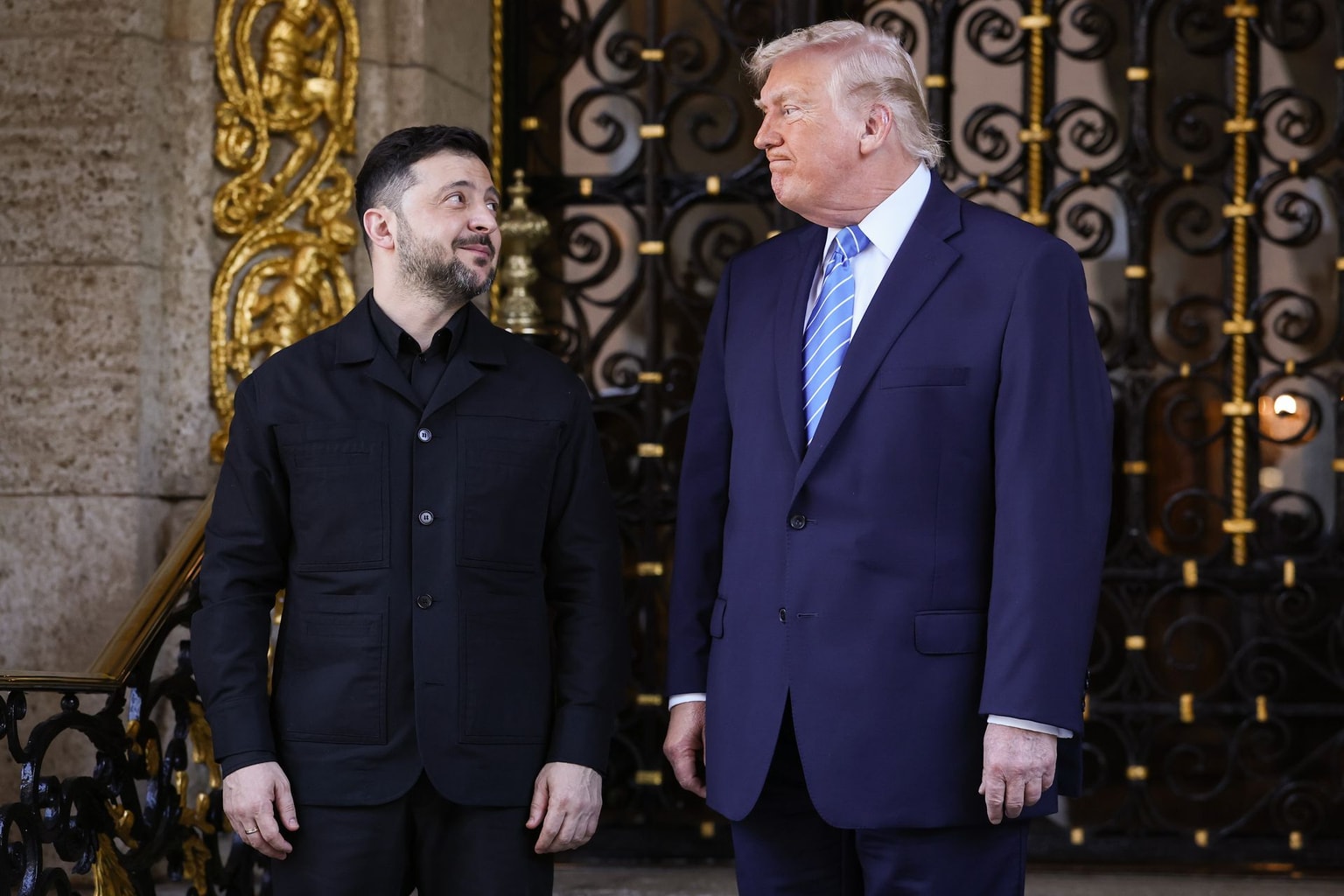
"Can you see this, Ukrainians? Can you see this, Zelensky?" Orban said, referring to the massive pro-government crowd. "This is the 1,000-year-old state of the Hungarians, and you think that with an oil blockade and blackmail you can scare us?"
The Hungarian leader has also repeatedly accused Tisza of colluding with Kyiv to drag Hungary into war.

Gergo, 24, who attended a Fidesz rally, said he is worried about voices in the EU "who are preparing for the war."
"We are completely unequipped for war; the EU and NATO (are) completely unequipped for war with Russia," he told the Kyiv Independent, adding, "I don't want to fight for Ukraine."
Talking about Hungary's relationship with Russia, Gergo said: "We have to be friendly with Russia; we don't really have any choice," referring to his homeland's energy reliance on Moscow.
Hungary, a landlocked country, is heavily reliant on Russian oil and gas, a dependency that has only deepened during the full-scale war.

Agnes, Orban's supporter, said she worried that if the prime minister is not re-elected, "our sons would be dragged to the Ukrainian front."
She also expressed outrage over recent remarks President Volodymyr Zelensky made toward Orban, which many perceived as a personal threat.
"The Ukrainian president should feel ashamed of himself. How dare he threaten another country's prime minister? Even Hitler did not do such a thing."
According to Agnes, Magyar is being "controlled from abroad," as "Zelensky is telling him what to do."
Orban has been accusing, without proof, the opposition of colluding with Ukraine to drag Hungary into war.
Tisza has ruled out sending Hungarian arms or soldiers to Ukraine — yet Magyar has openly identified Russia as the aggressor, in contrast to the current prime minister's Kremlin-friendly rhetoric.

read also
 Martin Fornusek
 Martin Fornusek
Rising tensions
The campaign is taking place in a tense atmosphere, with Magyar accusing the Kremlin of propping up Orban's campaign by deploying disinformation methods tested in Moldova.
The streets of Budapest are littered with anti-Ukrainian posters and billboards depicting Zelensky, sometimes begging for money, sometimes flanked by EU officials or Magyar.
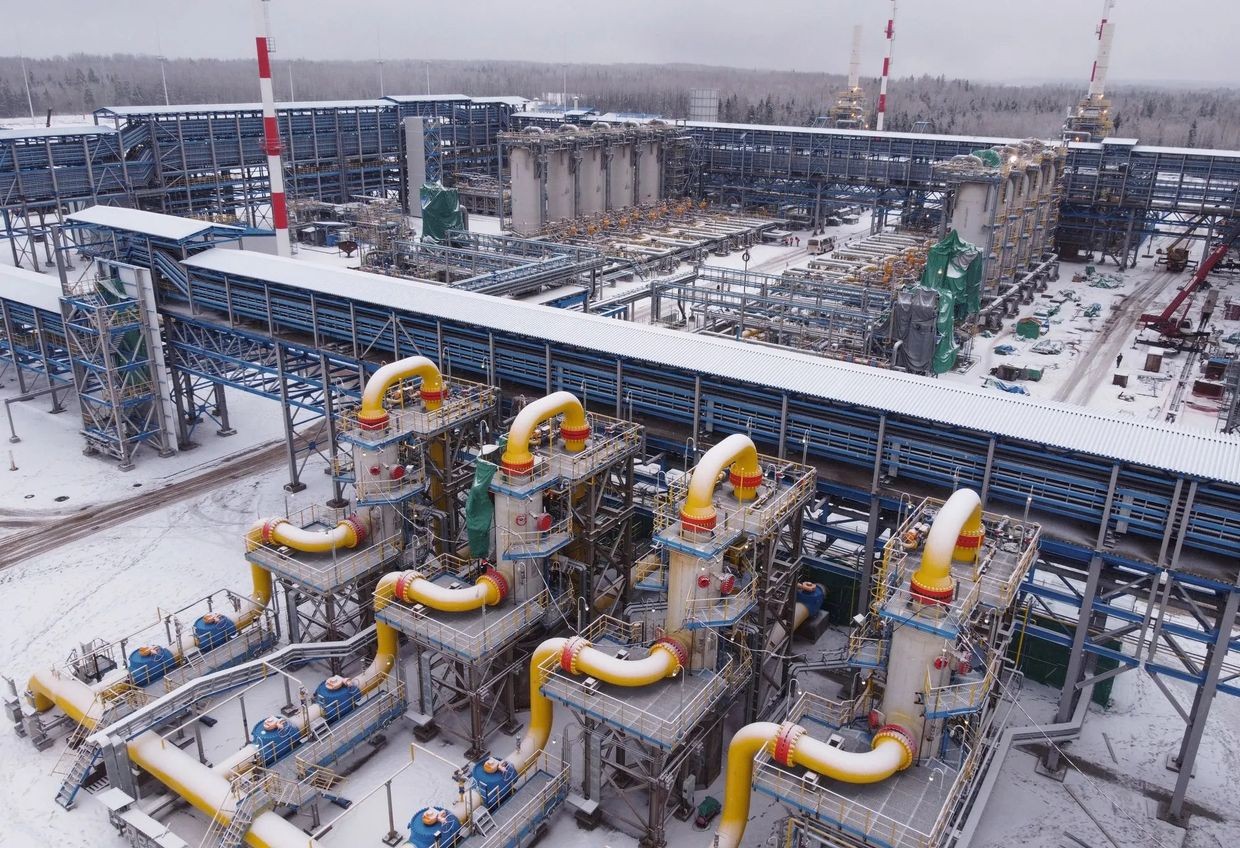
Tensions between Kyiv and Budapest have surged recently over a dispute over the Druzhba oil pipeline, which had delivered Russian crude to Hungary and Slovakia via Ukraine.

The pipeline has been offline since late January due to a Russian strike in western Ukraine, Kyiv said. Budapest and Bratislava accused Ukraine of withholding transit for political reasons and demanded an inspection of the pipeline.
Orban retaliated by blocking the EU's 20th package of sanctions against Russia and a 90-billion-euro ($107-billion) loan for Kyiv — moves that have become his common strategy during the full-scale war.
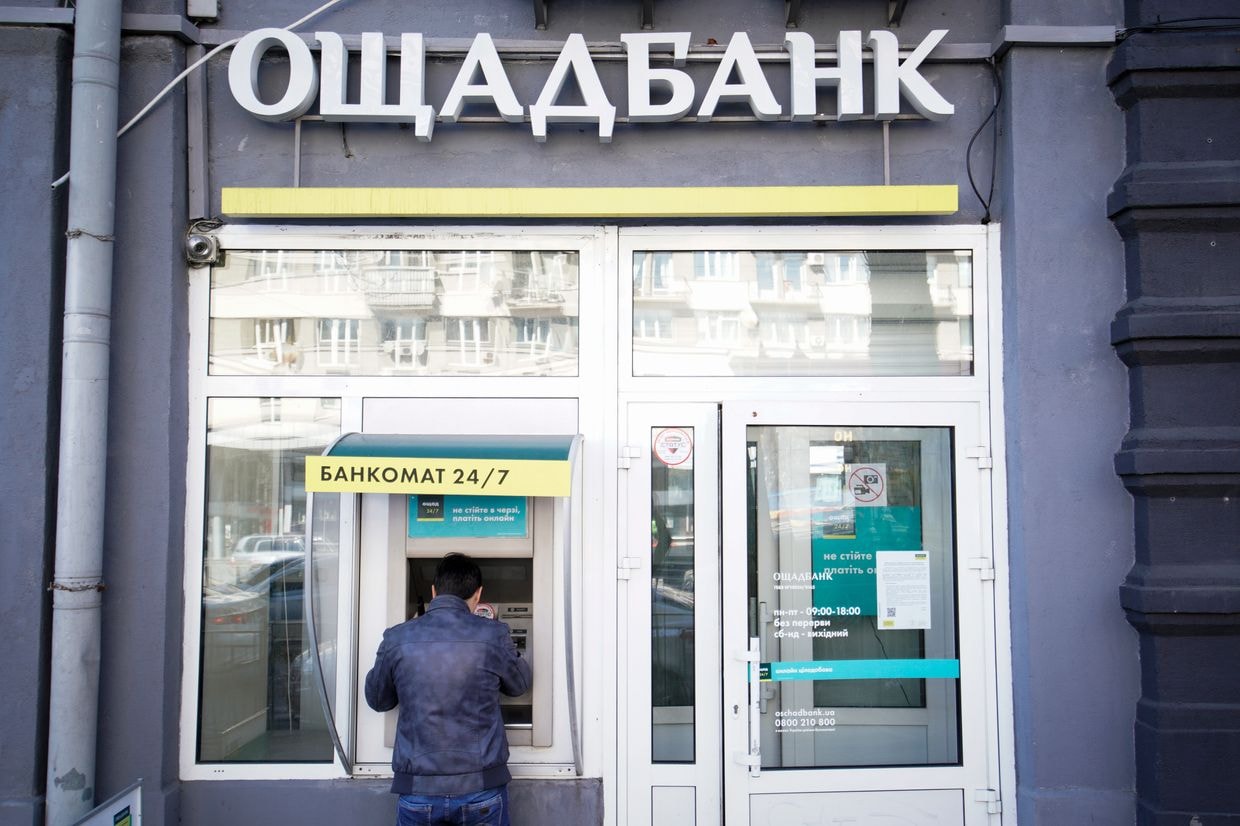
Relations deteriorated further in March after Hungarian authorities briefly detained and expelled a group of Ukrainian bank employees transiting through the country, seizing over $80 million in cash and gold over alleged money laundering suspicions.
Rally for Change
Against the backdrop of rising tensions between Ukraine and Hungary, the opposition sought to frame the election around domestic change.
Tisza, which holds a narrow lead over Fidesz in the polls, held the National Rally for Change, which moved from Deak Ferenc Square to Hosok (Heroes) Square in the afternoon.
Under Magyar's leadership, the party has been rapidly rising in the polls since 2024, driven by growing dissatisfaction with high living costs and the government's corruption scandals.
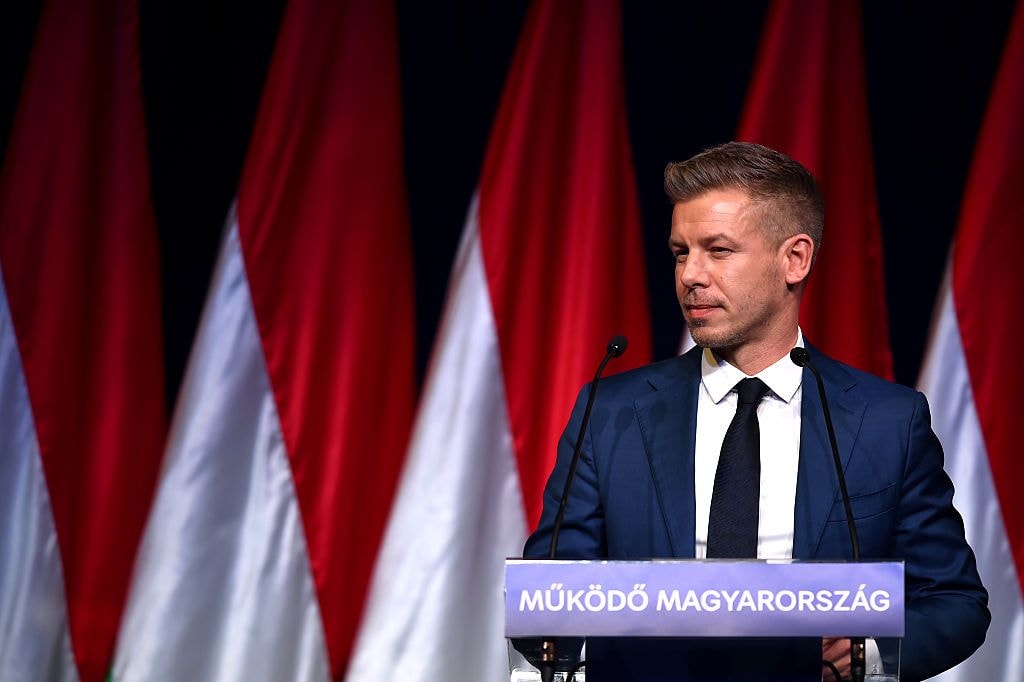
Magyar addressed his supporters, presenting his movement as a break from what he described as years of corruption and isolation under Orban.

He also criticized the government's economic management and alleged misuse of public funds, arguing that Hungary's stagnation was the result of entrenched corruption.
"On April 12, we will achieve a victory so great it will be visible not only from the Moon, but from the Kremlin as well," the opposition leader said.
During his campaign, Magyar pledged to stamp out corruption, stabilize Hungary's relations with European partners, and end the country's reliance on Russian energy — while cautiously navigating the topic of Ukraine.
"We are really on crossroads for Hungary, whether we actually belong to Europe... or we go back in time where we belong to the not-so-friendly East," Katalin, a Tisza supporter, told the Kyiv Independent.
Sonya Bandouil contributed to the reporting.