'Bratislava shooting itself in the foot,' says Kyiv, as Slovakia walks away from emergency electricity imports to Ukraine
 on Google
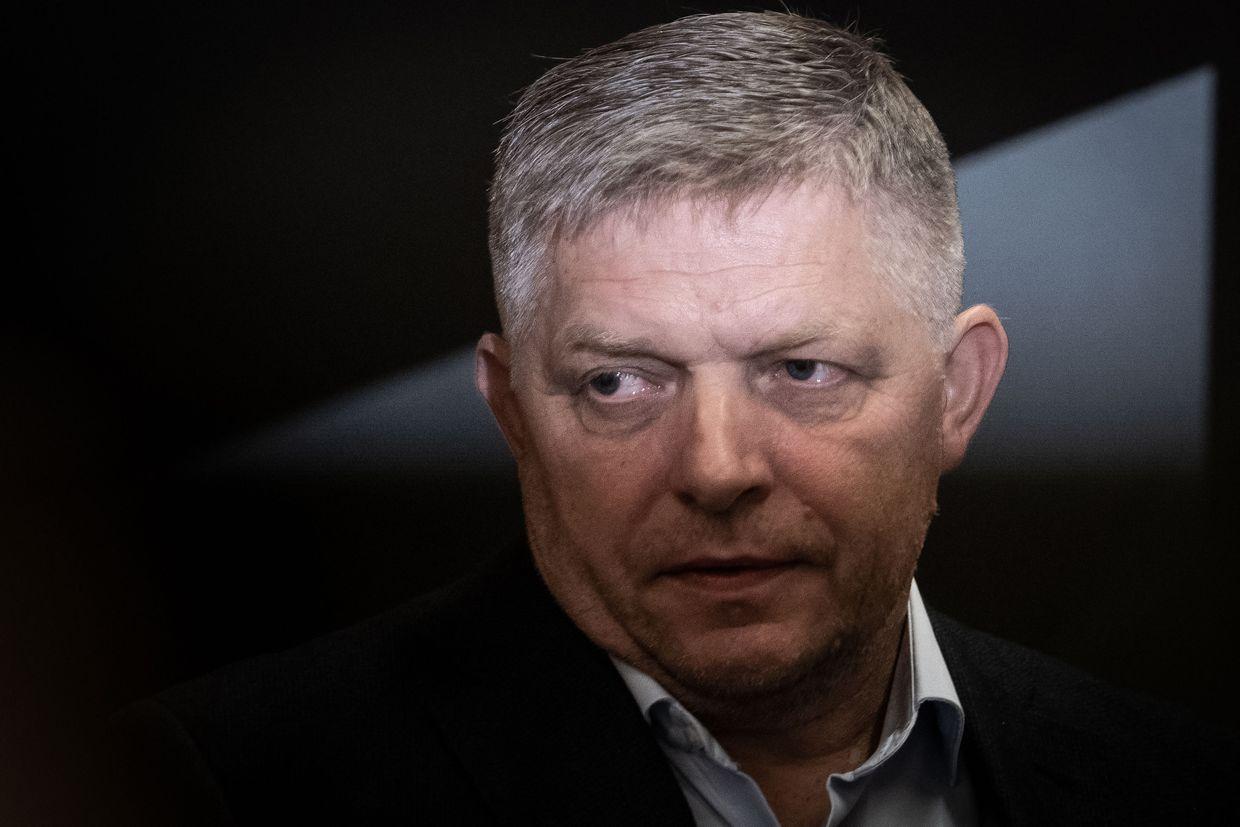
As Slovakia's grid operator (SEPS) says it will terminate a deal with Kyiv and cut electricity exports, Ukrainian officials say it's Bratislava that will suffer.
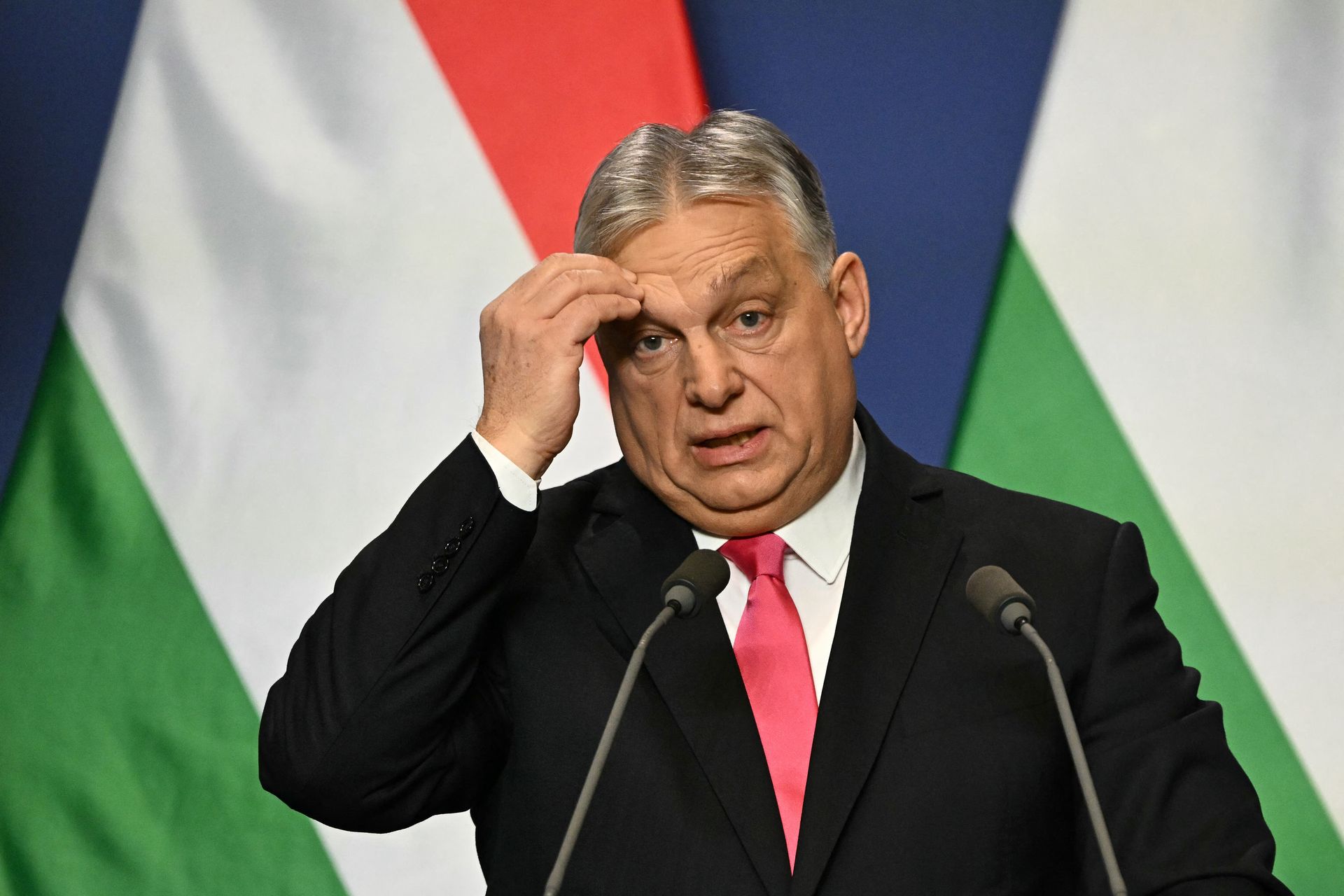
"We can only congratulate Bratislava for preparing to shoot itself in the foot. Or rather in the feet of its own energy companies," Ukraine’s Foreign Ministry spokesperson Heorhiy Tykhyi told the Kyiv Independent in a written statement.
"Ukraine purchases the electricity and does not receive it for free. So the Fico government will simply deprive Slovak companies of earnings, while Ukraine will receive this electricity from other sources," he added.
SEPS is expected to immediately cut supplies to Ukraine's state-grid operator, Ukrenergo, following threats from Slovak Prime Minister Robert Fico last week, according to Slovakian media Tasr.
SEPS, however, hasn’t yet sent an official notice to Ukrenergo, its Ukrainian counterpart, Ukrenergo's CEO Vitaliy Zaichenko told the Kyiv Independent. Even if it does, the impact would be minimal as Ukraine doesn’t depend on Slovakian energy supplies, he added.
Tensions center on the Druzhba pipeline, a major route supplying Russian crude through Ukraine to Hungary and Slovakia. The pipeline has been offline since late January following a Russian drone strike.
Slovakia and Hungary have accused Ukraine of withholding transit for political reasons, claims Kyiv rejects. Fico then escalated by threatening to cut emergency power supplies to Ukraine on Feb. 21 and Feb. 23 unless oil transit through the Druzhba pipeline resumes.
It was not clear if Slovakia had followed through on the threat last week. Ukraine hasn’t had to purchase Slovakian electricity, which only makes up 17-19% of emergency energy imports, since January, said Zaichenko.
Ukraine ramped up electricity imports at the start of the year as Russian drones and missiles tore apart its power plants, causing a dire energy crisis. The situation has slightly improved since then as the weather warms up from the crippling -25°C conditions last month, and Ukraine's allies pool together critical equipment and financial support.
Fico refused to meet President Volodymyr Zelensky to discuss the issue, said Tykhyi. But the offer still stands, he added.
Slovak Foreign Ministry declined to comment when asked by the Kyiv Independent for a response to the situation. The country's Finance Ministry did not reply by the time of publication.
Some energy experts say that the decision is a political show from Fico, who has repeatedly pushed anti-Ukrainian and pro-Russian rhetoric. Others have pointed out that Slovakia's threats would break energy market rules.
"It would be costly for Slovakia to do it in an uncoordinated manner because it is not only about bilateral energy trade, but also European-Ukrainian trade. We are on the same market that is ruled by open access to the grids, and it is regulated by multiple rules," Polish energy expert Wojciech Jakobik previously told the Kyiv Independent.