'Farmers are in survival mode' — Why the Iran war could wreak havoc on Ukraine’s harvest
 on Google
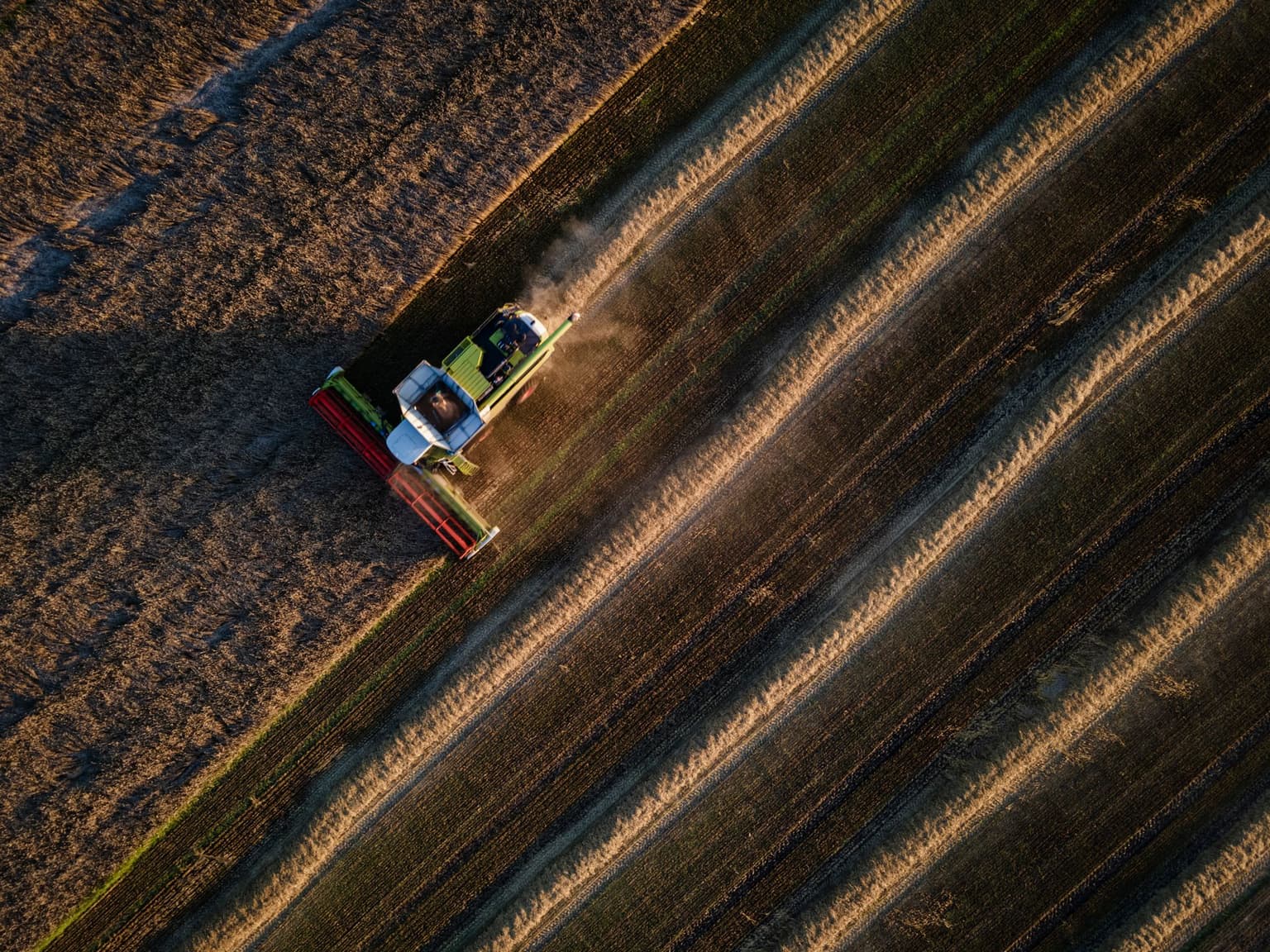
The U.S.-Israeli war on Iran has pushed Ukrainian farmers to the brink of crisis as fertilizer supplies run dry, threatening to cut crop yields by up to 20% this year.
As they sow spring crops like corn and wheat, farmers are facing a 200,000-ton shortfall in nitrogen fertilizers.
These fertilizers, including urea and ammonium nitrate, are fed into the soil before seeding to help farmers grow healthy and bountiful crops — around 80% of which will be exported.
The deficit is primarily caused by Iran blocking ships through the Strait of Hormuz following U.S. and Israeli strikes on Tehran on Feb. 28, throttling a third of seaborne fertilizer trade.
Ukraine is struggling to import enough fertilizer to cover demand, while domestic production has almost halved compared to last season because of Russian attacks on power facilities and infrastructure. Meanwhile, Russia — a fertilizer giant — is benefiting from the blockade as its flows remain unaffected.
With fertilizer prices skyrocketing by 30%, cash-strapped Ukrainian farmers either have to bear the cost themselves or sow less, which could hamper the country’s agriculture-heavy economy.
"Farmers are currently operating in survival mode using reserves accumulated over the winter," Oleh Khomenko, the CEO of the Ukrainian Agribusiness Club (UCAB), a business association, told the Kyiv Independent.
"If supply chains do not stabilize by late April or early May, farmers will be forced to drastically reduce application rates. This lack of nutrition could lead to a projected yield loss of 15-20% for key cereal crops, particularly corn and wheat," he added.
Last year, Ukraine earned $22.71 billion from selling its food products abroad, making it one of the highest-earning sectors, accounting for 10% of gross domestic product (GDP). Agricultural exports generate a larger share of Ukraine’s export revenues than any other category, making up the majority of export earnings.
But a 20% drop in yields could shave off $4-5 billion in foreign exchange revenue, with Ukraine’s budget losing out on $800 million to $1 billion over the year, according to UCAB’s calculations.
At the same time, Russia's full-scale invasion has already slashed agricultural companies' profits, with threats from landmines restricting access to around 23% of Ukraine's land.

The harsh winter this year also delayed the sowing season by several weeks, while higher fuel prices — which make up 15% of the cost of crop production — have cut farmers’ margins.
The blocking of the Strait of Hormuz also means Ukraine cannot export to the UAE, Qatar, Bahrain, and Kuwait, which together import around 5 million tons of Ukrainian grain per year.
That could lead to a grain surplus in Ukraine that cuts local prices and squeezes limited storage space, with farmers ultimately losing out, Khomenko said. Agribusinesses may be forced to fire staff, UCAB warned in an appeal to the government last week.
A spokesperson for Ukraine’s Economy Ministry, which also oversees agriculture, told the Kyiv Independent that it is finding channels to get hold of critical resources like fertilizers and fuel for farmers with help from partners, and is constantly monitoring the world market.
But if the global market hasn’t stabilized by mid-season, the ministry said it will consider "additional solutions to support the fall sowing campaign." Prolonged restrictions in the Strait of Hormuz will keep fertilizer, energy, and logistics costs high, the spokesperson said.
"This will mean an increase in the cost of agricultural production, an additional financial burden on farmers, and the risk of reduced fertilizer application, and therefore pressure on future yields."
Khomenko is not convinced that the government is doing enough to keep agricultural producers afloat. Current programs, like the low-interest Affordable Loans 5-7-9% initiative, don’t cover the tripled cost of production, he said.
"There are no active subsidies or state-funded interventions specifically targeting the fertilizer shortage," he said.
"UCAB is trying to lobby for the removal of import duties on nitrogen fertilizers and the simplification of maritime safety regulations for chemical cargo. But these measures have yet to be implemented."