76% of civil society organizations in Ukraine continue working despite resource shortages, new study finds
 on Google
As Russia’s missile and drone attacks continue to hit Ukrainian cities and towns, the burden of keeping services running and helping communities recover has increasingly fallen on civil society organizations alongside the state and local authorities.
A new nationwide study shows that 76% of these groups remain active despite insufficient financial resources, working alongside communities to help people recover from strikes, access basic services, and rebuild a sense of normalcy amid the war.
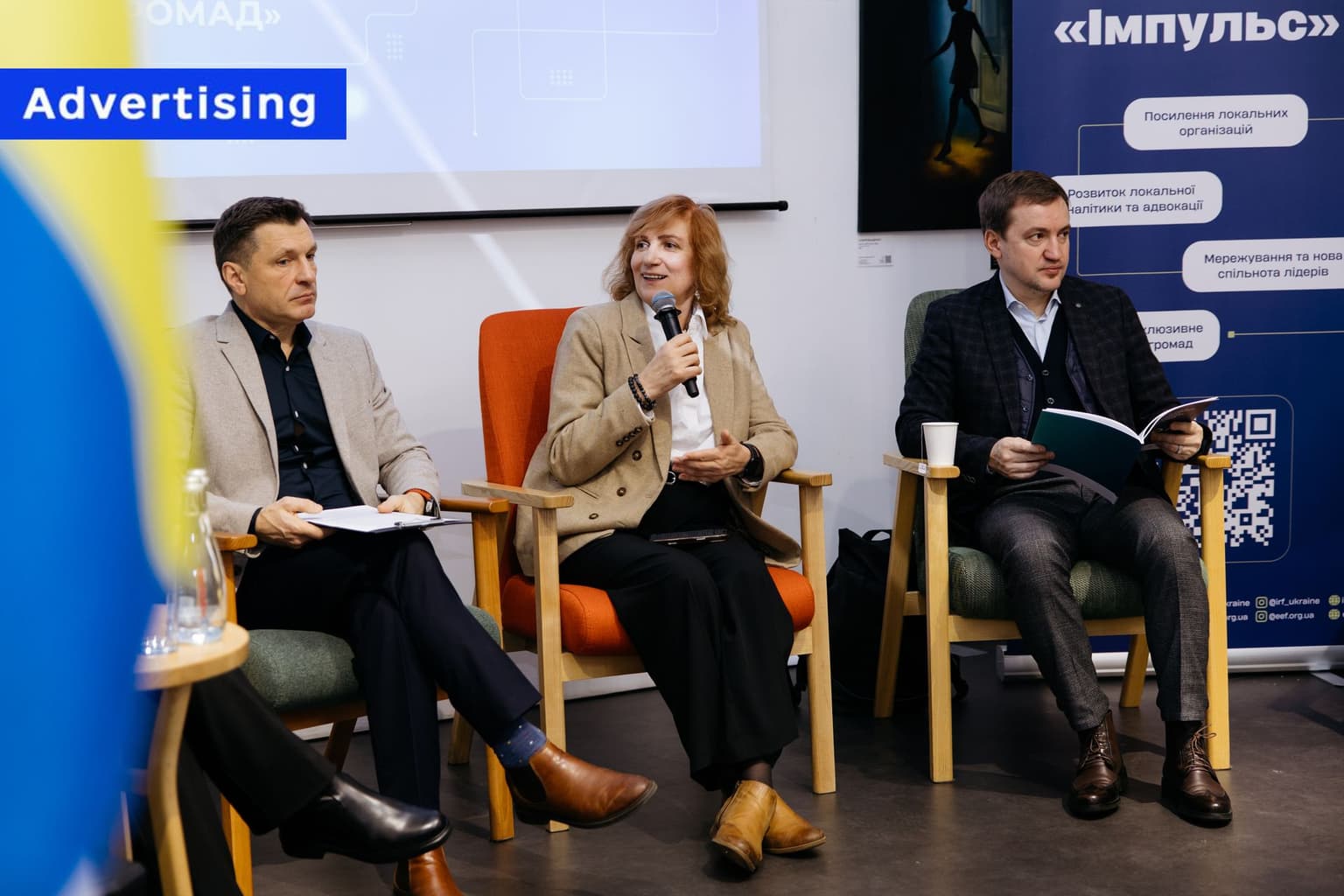
"The essence of civil society organizations lies in representing and defending the interests of specific groups. In this field, the civic sector is often the most effective and adaptive actor compared to the state or local authorities," said Victor Liakh, president of East Europe Foundation, during the presentation of the research on Dec. 11.
This growing role is also reflected in the rising demand for civic organizations.
According to data presented by Liakh, the number of newly registered civic and charitable initiatives in Ukraine increased by 200% over the past year, showing that more people are stepping up to help their communities cope with the war.
People are the priority
The study shows that CSOs are most active in areas where human connection matters most.
Restoring social cohesion is the most common focus area, with 81.1% of organizations supporting the integration of internally displaced people, the reintegration of veterans, community events, and efforts to rebuild trust between local authorities and residents.

They are also restoring access to essential services. Nearly half of the surveyed CSOs work to ensure that people can access healthcare, education, administrative support, and psychosocial care in their communities. Often, they partner with local governments to make these services possible.
Organizations operating in frontline territorial communities, in particular, stand out for the scale and intensity of their work. Operating under constant threat, they implement more projects, work across a wider range of sectors, and focus heavily on humanitarian assistance, as front-line communities rely on them to meet urgent, day-to-day needs.
Participation is more limited overall in sectors requiring technical or financial capacity. Only 6.5% of CSOs are involved in direct infrastructure reconstruction, and just 4% in assessing war-related damage. Environmental and economic recovery also show even lower engagement rates.
Limits
The study assessed resilience across five categories: human capacity, financial capacity, material and technical capacity, expert capacity, and communication capacity.
The strongest dimension is communication. 75.2% of organizations report sufficient engagement with local authorities, residents, businesses, and media.
Expert capacity is also high: 72.6% report having sufficient knowledge to contribute to recovery. However, concerns about quality and continuity are growing, especially in front-line areas
"We now have grant managers who haven’t even finished university. The quality of proposals has dropped significantly," wrote one respondent from Mykolaiv in anonymous feedback collected during the survey.
Human capacity is more strained. 61.2% report having sufficient staff or volunteers, yet burnout and personnel shortages continue to undermine their operational capacity.
"Our biggest problem is human resources. There’s a real outflow of young people and activists," shared a CSO leader from Chernihiv in anonymous feedback collected during the survey.
Financial resilience is the weakest point. 76.2% of CSOs report a lack of financial resources.
CSOs in frontline areas rely heavily on international grants, whereas those in the rear exhibit the most diversified funding structures, combining donor support with local budgets and self-generated income, such as donations.

Regional contrasts
The study also reveals differences depending on where an organization is based.
Organizations operating in front-line communities are the most active and resourceful in terms of project scope, despite operating under the greatest pressure. They are more likely to be involved in direct service provision and humanitarian assistance.
In contrast, CSOs from central regions, while geographically safer, are the least financially stable and the least engaged in high-impact recovery efforts. Their role often remains limited to soft support functions such as communication and outreach.
CSOs in the rear are in a relatively better position. They have greater financial flexibility and more experience in engaging with diverse funding streams. This allows them to remain operational and participate more consistently in recovery planning.
About the study
The research was conducted as part of the Impulse project by East Europe Foundation and the International Renaissance Foundation. It is based on surveys of more than 200 leaders of civil society organizations and six focus groups conducted across Ukraine, including both front-line and rear regions. The study was supported by Norway and Sweden.