Exclusive: US-Belarus 'big deal' would normalize relations between Washington and Minsk, envoy says
 on Google
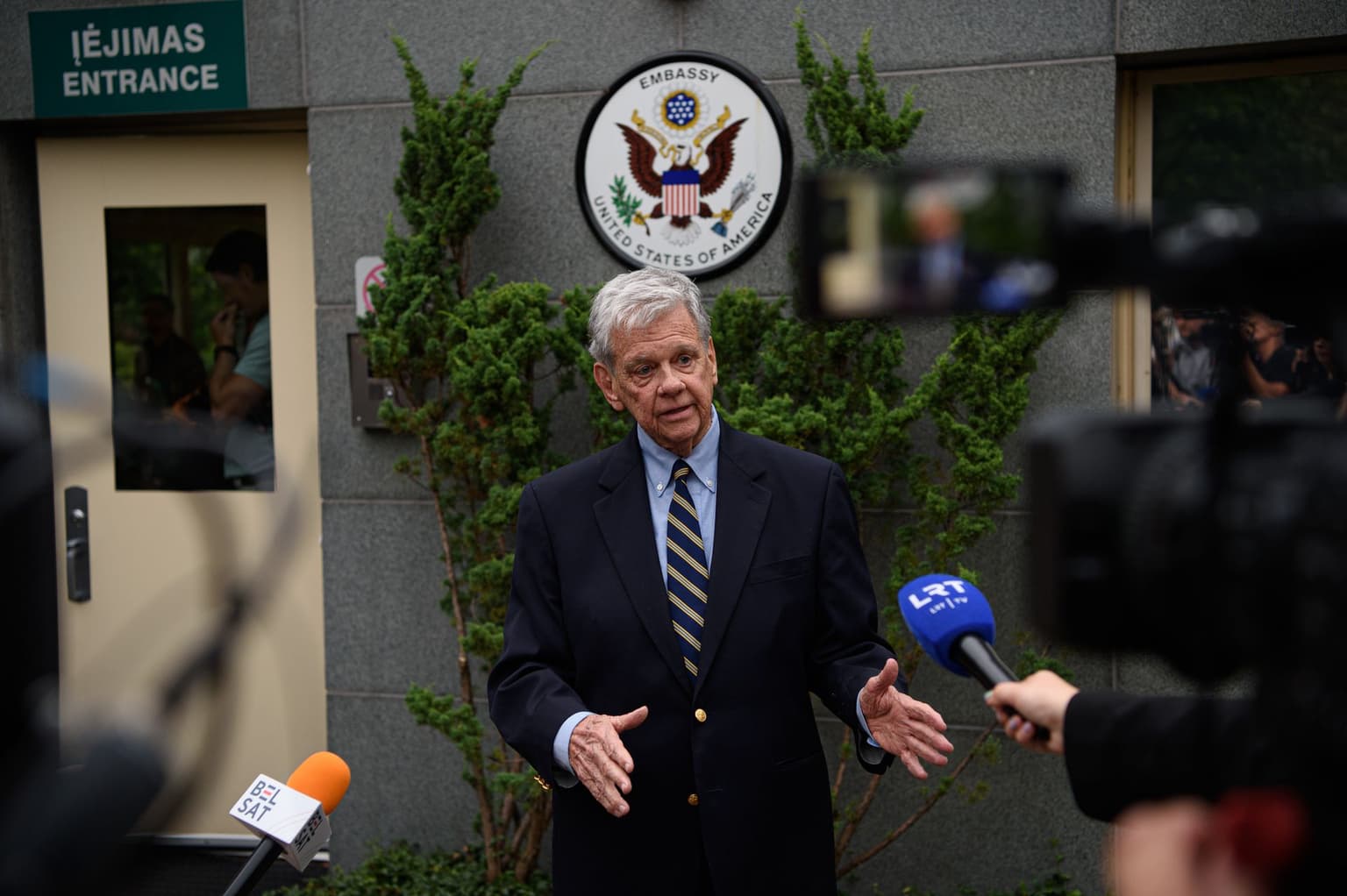
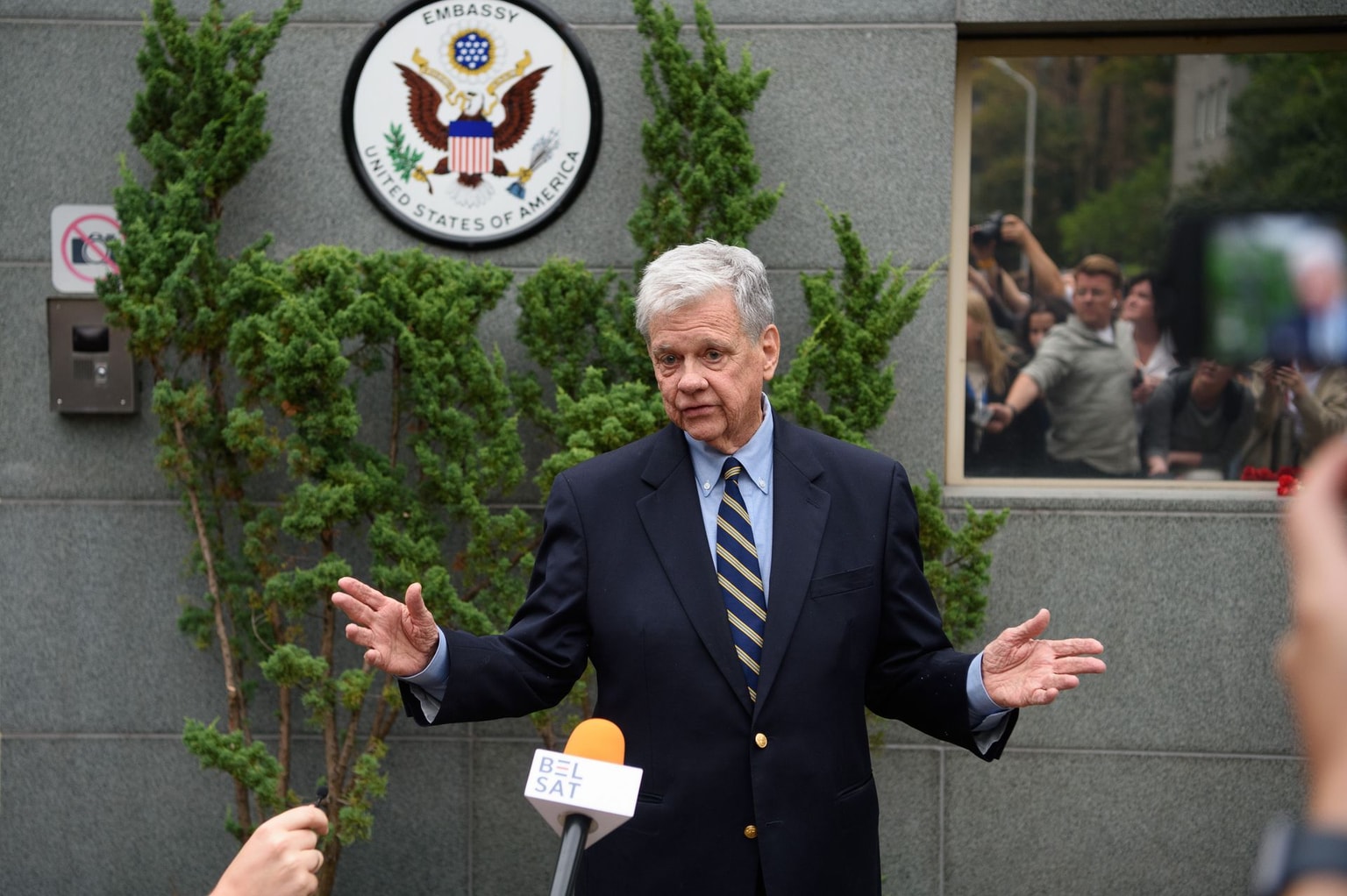
A potential "big deal" between Belarus and the United States would effectively normalize relations between Washington and Minsk, U.S. Special Envoy for Belarus John Coale told the Kyiv Independent in a phone interview.
The remarks follow growing outreach from Washington to Minsk and come days after Belarusian ruler Alexander Lukashenko said that the U.S. had proposed a "big deal," claiming the initiative came from U.S. President Donald Trump.
Coale confirmed that normalization is part of the broader negotiations, describing the potential agreement as a step toward restoring standard diplomatic and economic engagement between the two countries.
"That's part of the negotiation. Everybody has a goal," he said, adding that the U.S. aims to secure the release of political prisoners while restoring limited economic ties.
"We would like to realize the goal of normalizing the relationship… the things that normal countries do between themselves."
The outreach marks a notable shift in U.S.-Belarus relations, which deteriorated sharply after Minsk's crackdown on mass protests in 2020.
'I'm trying to get people freed'
Washington has framed its engagement with Belarus primarily as humanitarian, with prisoner releases forming the backbone of the diplomatic effort.
Coale has emerged as one of the most active figures in this outreach, holding a series of meetings with Lukashenko that have repeatedly led to the release of detainees.
Following a March 19 meeting, Lukashenko pardoned 250 prisoners, bringing the total number of people released through U.S. engagement to more than 500.
These releases came in exchange for limited easing of sanctions.
"Under this administration, our view is you talk to whoever you have to talk to to get the job done."
Coale explained that his involvement began about a year ago, when he was tasked with securing the release of an American detainee. The effort soon expanded into broader negotiations as he established direct contact with Lukashenko.
"I started a relationship with Lukashenko… and each time I came away with a good amount of prisoners," he added.
At the same time, the envoy has cultivated contacts with members of the Belarusian opposition — an unusual balancing act that has drawn cautious praise.
One senior Belarusian opposition representative told the Kyiv Independent that Coale "is doing something no one could imagine happening a few years ago."


"You build some relationships here and there. But I'm not judging either side at this point. I'm trying to get people freed," Coale said, describing his approach.
Many of the detainees were arrested after mass protests erupted following the disputed 2020 presidential election, in which Lukashenko claimed victory.
Tens of thousands of Belarusians took to the streets accusing authorities of electoral fraud. The government responded with a sweeping crackdown targeting protesters and opposition figures — dramatically increasing the number of political prisoners.
According to the Belarusian human rights organization Viasna, nearly 900 political prisoners still remain in detention.
Coale said the U.S. strategy reflects a willingness to engage without preconditions, arguing that rigid demands would have stalled negotiations.
"Preconditions just don't work," he said, noting that talks helped secure the release of several high-profile prisoners, including prominent opposition figures.
The envoy added that the most recent agreement also allowed some prisoners to return home rather than being forced into exile — a shift he described as significant.
"That was a big move forward," he said.
Lukashenko and Washington
The possibility of normalization marks a sharp departure from the trajectory of U.S.-Belarus relations over the past several years.
For decades prior to 2020, Lukashenko pursued a balancing strategy, maintaining ties with both Russia and the West — a policy often described as "multi-vector."
That strategy collapsed after the disputed 2020 presidential electionю Western sanctions followed, deepening Belarus's isolation and pushing Minsk further into Moscow's arms.
Now, discussions about restoring ties include the possibility of Lukashenko visiting the White House — a development that would have seemed unlikely only a few years ago.
"Of course, (Lukashenko) would want it, and we're negotiating on that," Coale said.
The envoy also emphasized that reopening embassies and restoring diplomatic engagement would not require political alignment.
"When the embassies open and all kinds of normal relationship doesn't mean that we agree on most anything," he said.
"We have relationships with China, with Vietnam, and other countries."
Engagement despite Russia ties
Despite the outreach, Belarus remains closely aligned with Moscow.
Lukashenko, who has ruled the country since 1994, has provided political and military support to Russia throughout its full-scale war against Ukraine.
Still, Coale said Washington's strategy reflects the U.S. president's willingness to engage broadly to achieve tangible outcomes.
"We don't have to agree with them on many, many issues," he said.
"President Trump will sit down and talk to anybody… to get success. You see, President Trump sat down and talked to the mayor of New York (Zohran Mamdani)."
According to the envoy, this approach has so far defined his dealings with Lukashenko, allowing negotiations to move forward despite differences.
"He has not broken the trust with me, and I haven't broken the trust either."
Note from author:
Hi, this is Tim. The author of this article. Thank you for taking the time to read it.
At the Kyiv Independent, we don't have a wealthy owner or political backing. We rely on readers like you to support our work.
If you found this article interesting, consider joining our community today