In Ukraine’s drone-dominated battlefield, critically wounded face slim chance to survive
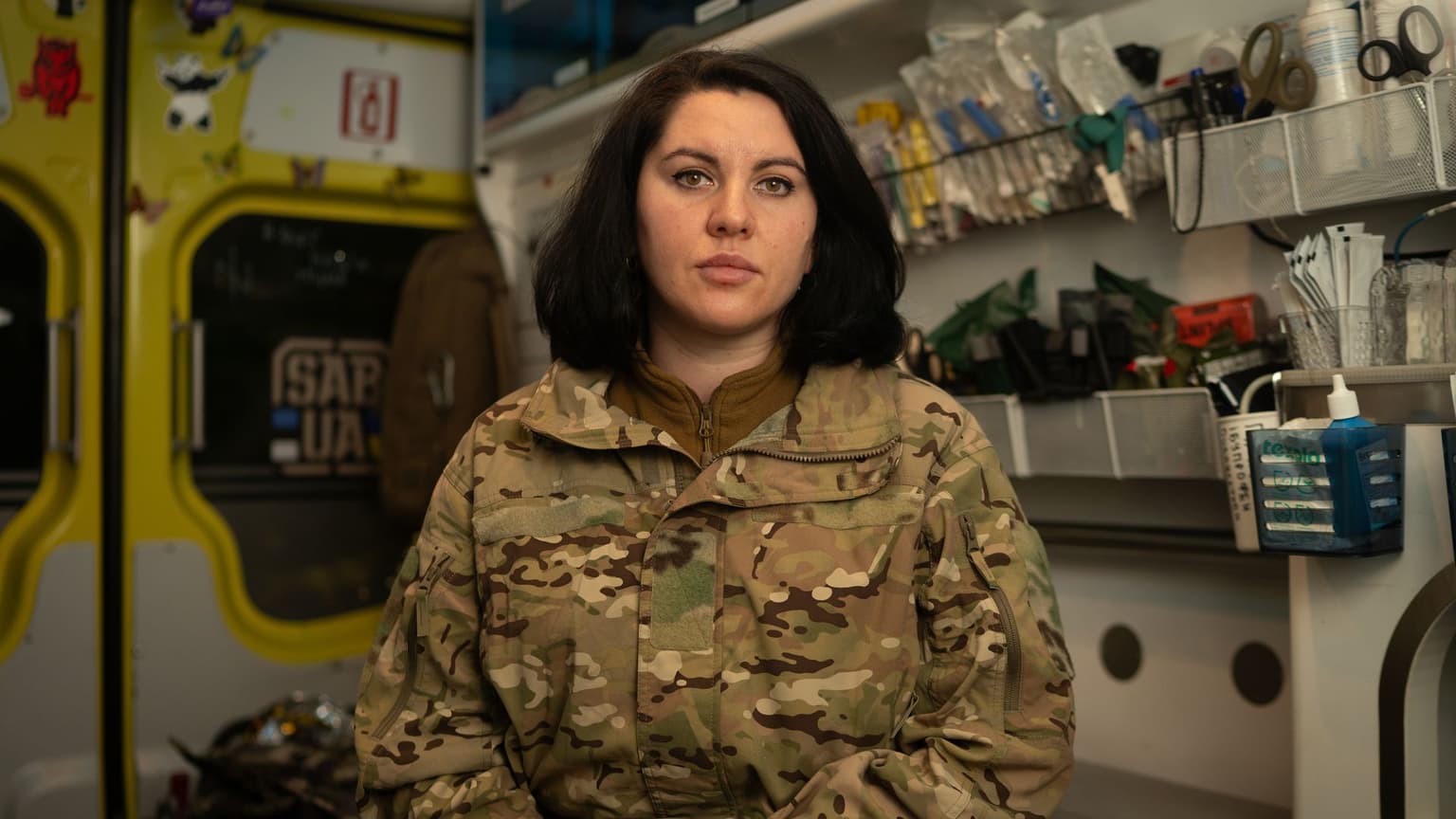
Olesiia, a medic with Ukraine’s 60th Mechanized Brigade who goes by her callsign "Panda," sits inside the ambulance in eastern Donetsk Oblast on Jan. 24, 2026. (Patryk Jaracz / The Kyiv Independent)
 on Google
For Ukrainian medics, one of the hardest parts of the drone war is accepting that critically wounded soldiers often cannot be saved.
"If it's a critical injury, it's usually lethal," Ukrainian medic Dmytro, who goes by his callsign Winnie, told the Kyiv Independent in his evac vehicle not far from the front.
Wounds in areas where tourniquets can't be used are often the deadliest, such as the head, chest, torso, or groin injuries, he explained.
"We would like to do something, but there is just no possibility. The enemy knows the front so well that there is no way," Winnie said. Medics and commanders interviewed for the story asked that their full names not be disclosed due to security concerns amid the ongoing war.
In the era of a drone-dominated battlefield, Ukrainian soldiers carrying an injured comrade, often moving slowly, become prime targets for Russian forces as they represent an opportunity to inflict multiple casualties at once. Hauling a wounded soldier across the field makes them easy targets for Russian drones, especially when vehicles can get no closer than 10 to 20 kilometers (6 to 12 miles) from the most forward positions.
Waiting out from hours to days, sometimes even over a month, is often the reality for the wounded, leaving the critically injured with a slim chance of survival. It is often impossible for commanders to know when, or even if, an evacuation would be feasible, even as many keep promising "soon," officers say.
Ukraine is grappling with the challenges of evacuating the wounded as the country's manpower situation grows increasingly bleak, more than four years into the full-scale war. Battle-hardened units struggle to fill the gaps left by heavy casualties, making saving as many of the wounded, who already possess combat experience, especially vital.
No matter how much they want to evacuate the wounded, soldiers say they know that moving in and out of positions is already the most dangerous part of a mission, and trying to carry a fully equipped comrade makes it suicidal.
Closely listening in on Ukraine's radio communications, Russian troops send out a swarm of deadly drones as soon as they hear the word "evacuation," Winnie says.
Ground robots
On a cold January day, officers with the 1st Separate Medical Battalion watched a bank of monitors showing the first-person view from an unmanned ground vehicle (UGV) carrying a wounded soldier and clapped when it reached a stabilization point, where medics were waiting to take over.
Scenes like this remain rare across the front. The Ukrainian military is increasingly relying on UGVs to evacuate the wounded in order not to risk other lives, but many units — such as Winnie's battalion in the 66th Mechanized brigade — have not received them yet.
With Russia closely monitoring UGV routes to either target them with drones or inflict destruction on the roads or pontoon bridges to make them unpassable, medical commanders say UGVs usually offer the last — but not a certain — hope of evacuation.
"Logistics is the blood of war."
Dmytro Styranets, the Chief Medical Officer for the National Guard's elite Khartiia Brigade, said Russian drones have recently begun targeting UGVs intensely, even though they had previously moved smoothly through his unit's sector in northeastern Kharkiv Oblast, evacuating the wounded or bringing in supplies.
"Logistics is the blood of war," Styranets told the Kyiv Independent.

Each evacuation operation on UGVs takes meticulous planning, starting with reconnaissance drone surveillance to ensure the roads are passable and that there are no Russian drones awaiting them in an ambush, said Bohdan, who leads a three-man UGV operator group.
Bohdan's 1st Separate Medical Battalion is among the Ukrainian units making extensive use of UGVs, helping other units without access to ground robots evacuate the wounded. Maintaining concentration, even after staring at a screen for long periods, is crucial because it is "a big responsibility" in which the wounded soldier's fate is in the operator's hands, Bohdan said. A simple mistake, such as taking a wrong turn, can be costly.
Some missions succeed on the first attempt, while others require several tries and can last anywhere from about an hour to a full day, Bohdan said. Sitting beside his comrade operating the UGV in a room with three large monitors, he described the work as nerve-wracking and fraught with risks, including the possibility of accidentally flipping the wounded.

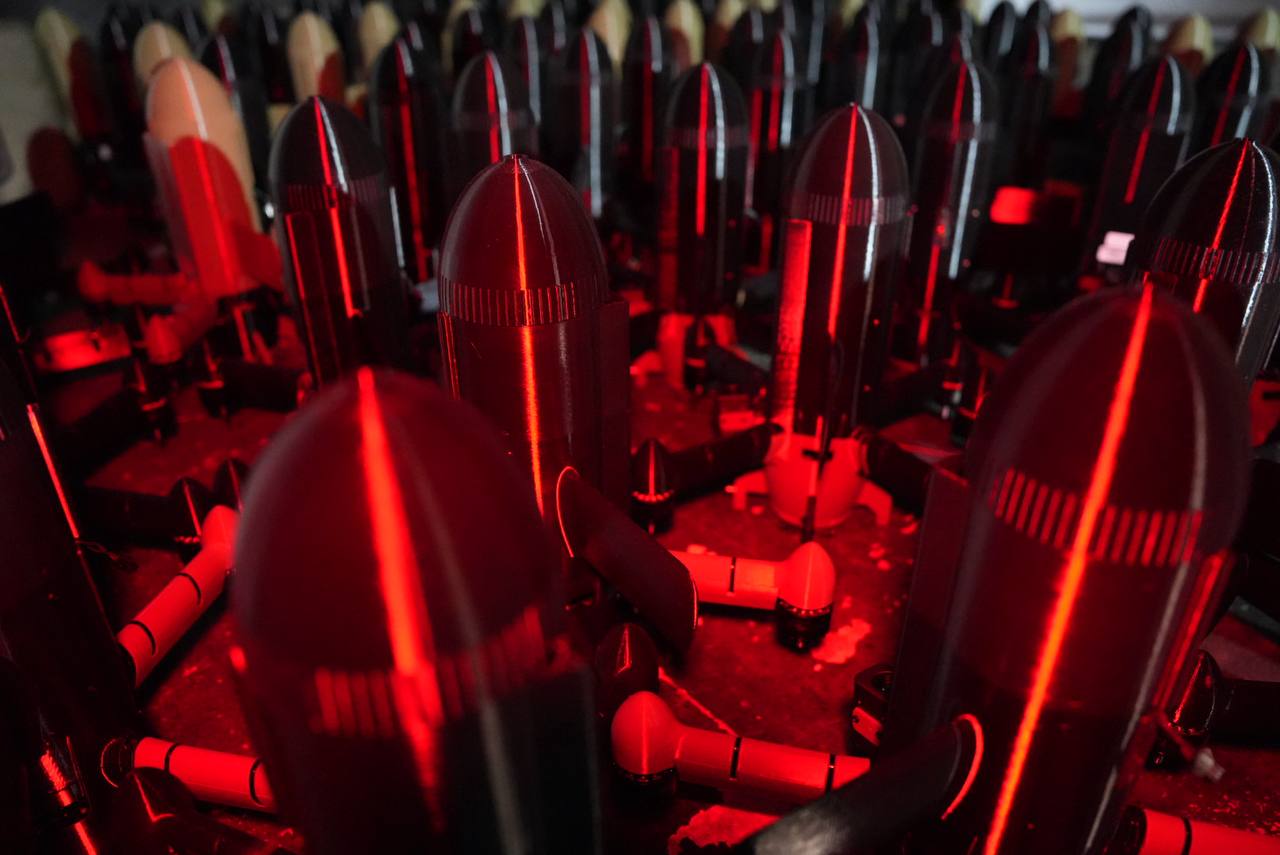
Not only are Russian drones a threat to UGVs, but the landscape also shapes the robots' effectiveness. A deputy battalion commander of the 38th Marine Brigade, who goes by his callsign "Webster," said the UGVs don't get to the positions four out of five times.
Winnie rarely gets called on for evacuations these days, but when he does, he transports wounded soldiers from casualty collection points to makeshift hospitals known as stabilization points. Based on his experience, he estimated that 80% of those who might have survived with a timely evacuation died on the front.
It is emotionally difficult to offer hope to critically wounded soldiers over radio communications or the Starlink satellite internet system, especially when it is clear the soldier is beyond help, Winnie admitted.
"Even when you know (the hope for) a person is gone and there won't be an evacuation, you still try to give him hope so he can relax a bit in his last moments," Winnie said, staring into the distance.
Russian drones on the hunt
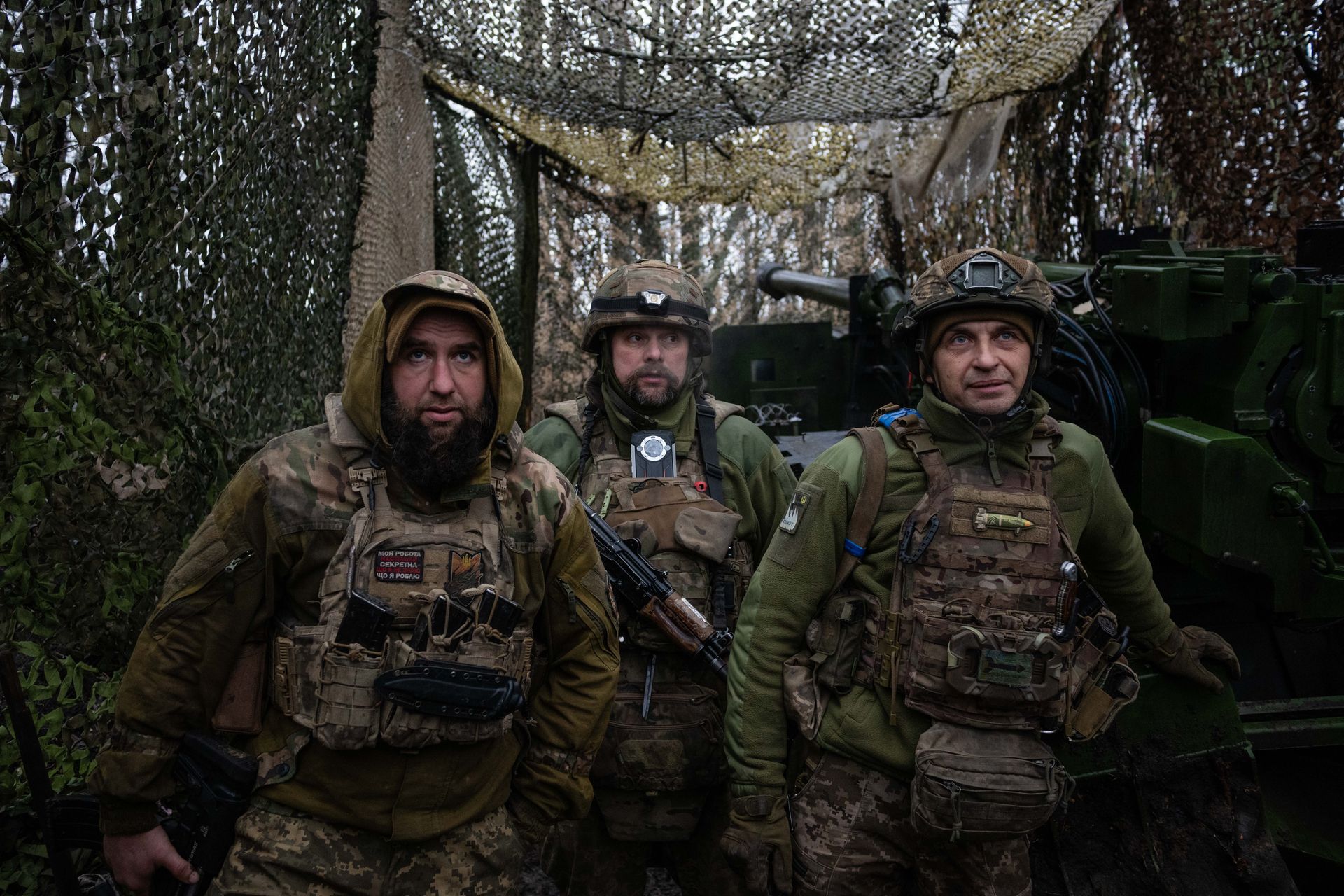
With drones tracking every movement from above, Russia quickly identifies the approximate locations of casualty collection points no matter how often Ukraine moves them, often within "hours," Winnie said.
"Everything flies directly at the evacuation groups," he added. "They strike everything on the approach, whether it gets through or not."
Since medics are unable to reach the wounded on the front, it falls to soldiers to know tactical medicine to help themselves and others in need. Multiple front-line units said they were ramping up medical training to increase soldiers' chances of survival.
"Everything flies directly at the evacuation groups."
About 90 percent of all injuries are shrapnel wounds from first-person view (FPV) drones, according to Oleksandr Potapov, Chief Medical Officer for one of the battalions with the 93rd Mechanized Brigade.
"Before (2024) it was artillery where shrapnel could hit or not hit you, depending on your luck," Potapov told the Kyiv Independent from his safe house in eastern Donetsk Oblast.
"Now it's FPV, which comes flying directly at you and you can't do anything about it, especially if you are a critically injured (soldier)."


Most soldiers who make it to the stabilization point have only light injuries, Potapov said, as critically wounded soldiers often do not survive long enough to be evacuated from the drone-dominated battlefield.
President Volodymyr Zelensky claimed on March 10 that the killed-to-wounded ratio among Russian casualties is 62% make up the killed and 38% for the wounded, citing Ukrainian intelligence's obtained data. The figure could not be independently confirmed.
Ukrainian medics on the ground say the outlook for their own critically wounded is also grim, especially in cases where a timely evacuation might have saved them.
For Olesiia, a medic in the 60th Mechanized Brigade who goes by her callsign "Panda," the most painful reality of the war is when she is informed of an injury on the battlefield and starts preparing accordingly, only to find the wounded didn't make it to the casualty collection point.
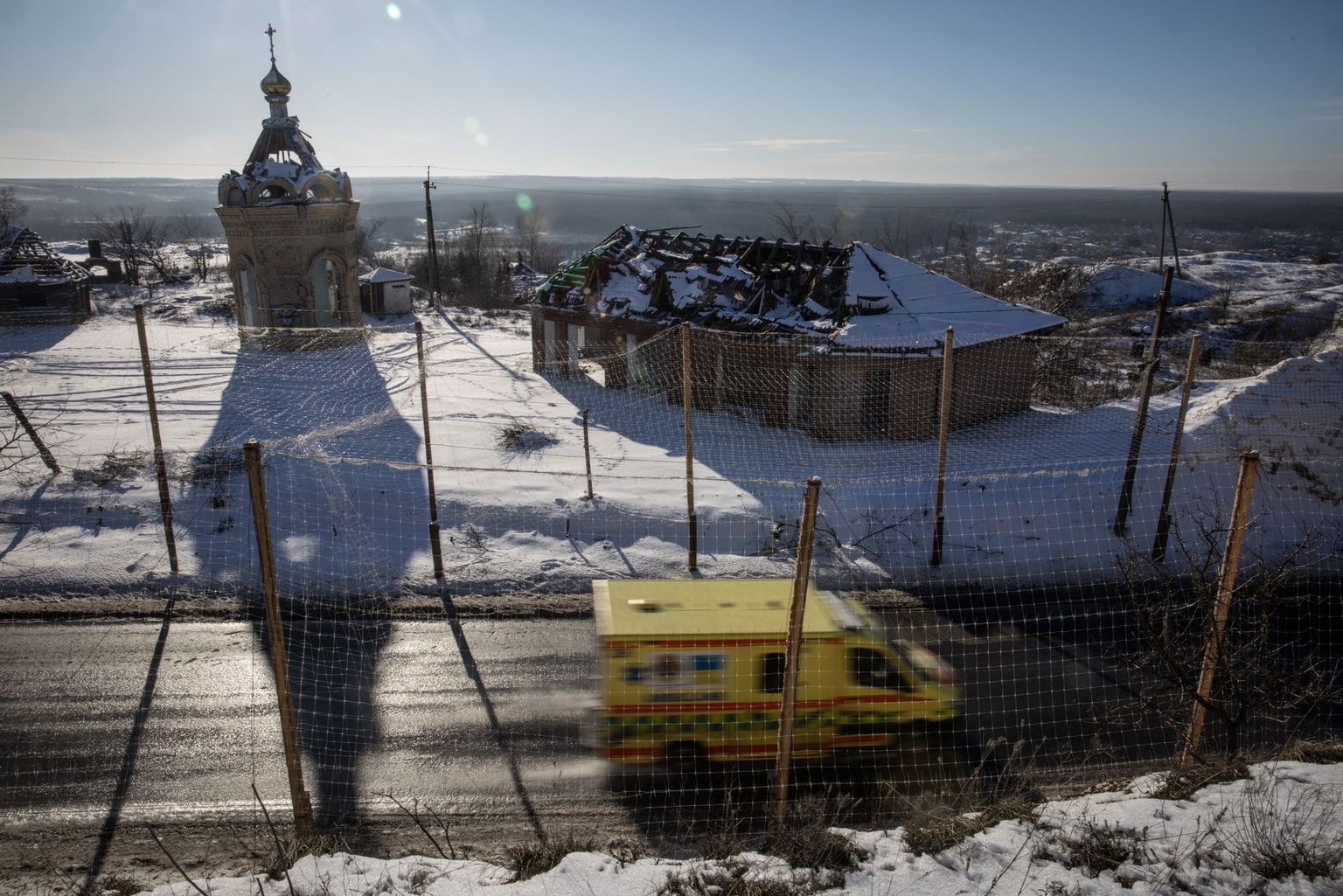
In addition to controlling casualty collection points, usually at least 10 kilometers (about six miles) from the front, Russia regularly uses drones to hit all routes leading to them, closely observing them from afar, according to Panda. She added that bridges get destroyed quickly, and pontoon bridges that Ukraine builds to support logistics don't last long either, while distance mining, explosives deployed from either drones or artillery, also adds to the nightmare.
With every ongoing day, it becomes harder to evacuate the wounded from the front, but Panda said she is always prepared to help casualties, which spike when Russian assaults start.


Battle of tactical medicine
Sometimes, life-threatening injuries are hidden, such as internal bleeding, making it difficult for soldiers to provide the right help, according to Panda.
Soldiers' knowledge of combat medicine is vital, but medics say everything depends on the tactical situation and whether there is even a brief pause in fighting that allows them to reach their wounded comrades.
Applying tourniquets unnecessarily can lead to avoidable amputations. Incorrect doses of pain-relieving narcotics can have serious, sometimes fatal, consequences. Panda said multiple severe injuries are especially difficult to manage because soldiers must quickly decide where tourniquets are needed and where they are not.
Medics say the average soldier's knowledge of combat medicine has improved over the past year, but it's one thing to know how to provide help on a training ground, and another to do it in a real combat situation under fire.
Panic is a natural response, Styranets, the Khartiia Brigade's Chief Medical Officer, said, because most soldiers only have basic medical training and are unaccustomed to seeing so much blood.
The cold weather exacerbates the hardship of saving the wounded, with low temperatures ramping up hypothermia and shrinking the time tourniquets can be used without risking amputations, Styranets said. A wounded soldier who has faced massive bleeding is already enduring hypothermia after losing a lot of blood, he explained.

Accepting the reality of war
Even if the wounded soldier is lucky enough to make it to either a stabilization point or an advanced surgical group's facility located deeper in the rear, survival is not guaranteed.
Andrii Telezhnyi, who leads the surgeons at the 1st Separate Medical Battalion, said the advanced surgical group's mission is to perform "damage control" and stabilize wounded soldiers so they can reach fully equipped hospitals in cities such as Dnipro, hours away. Surgeons assess which procedures must be done on site without putting too much strain on the patient and sometimes halt an operation midway if they determine the wounded soldier can survive the trip to the hospital, he said.
"We need to learn to accept the reality of war."
Among the challenges, Telezhnyi said, is planning far enough ahead to move quickly once the wounded arrive, delivering the necessary care while remaining ready for a mass-casualty scenario. That is made harder by shortages of advanced Western medical equipment, he said, including devices such as rapid blood infusers, which are delicate and cannot be used continuously.

A shortage of medical professionals, especially surgeons, makes the problem worse, forcing them into rotations lasting a month or more in a basement with barely any breaks, according to the Khartiia Brigade's senior medical commanders.
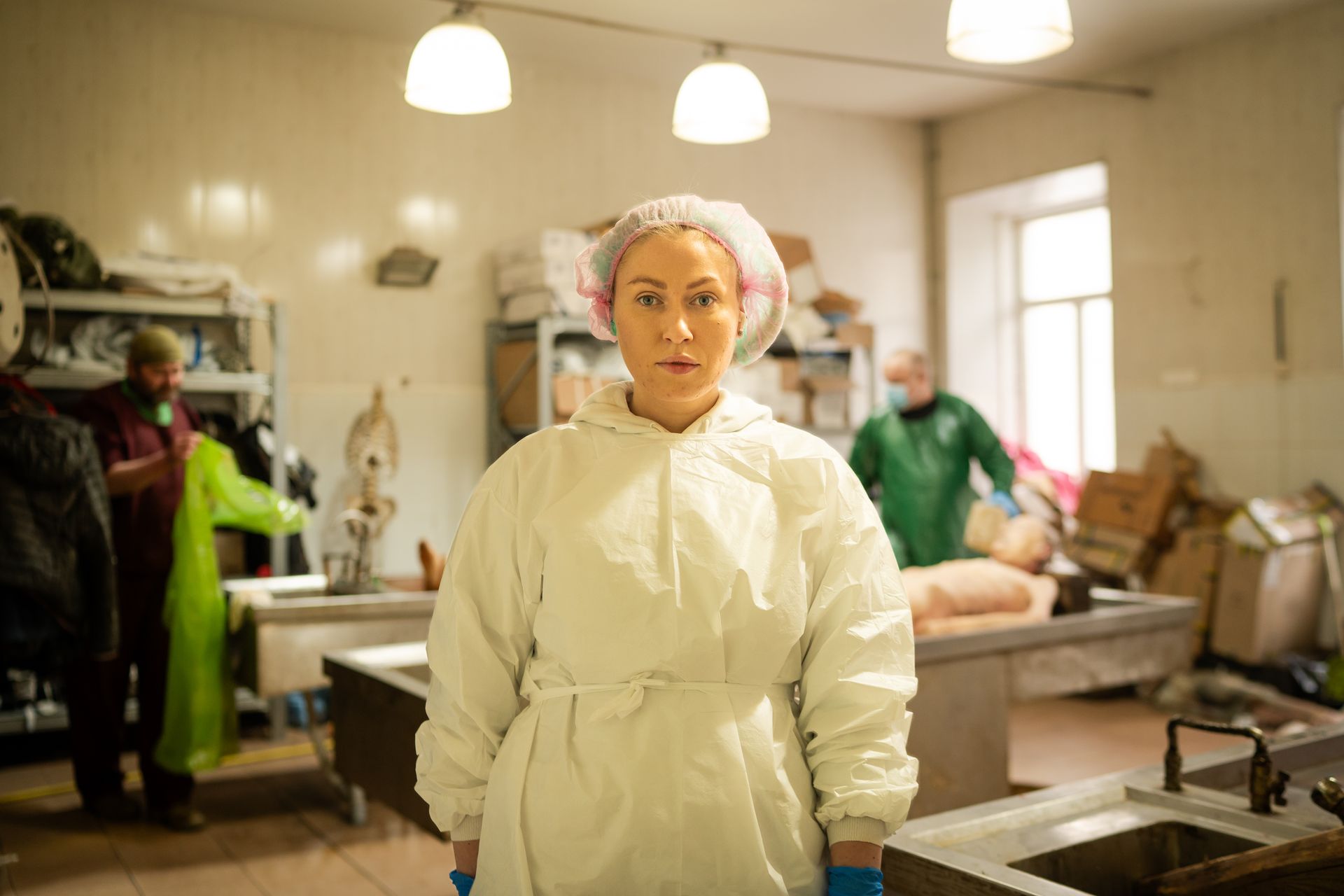
Telezhnyi said reviewing each case is essential because mistakes are sometimes inevitable, and the lessons can help save future patients. Surgeons fight to keep wounded soldiers alive, performing resuscitation when they show signs of imminent death, such as a slowing heart rate or paling skin.
"We need to learn to accept the reality of war," Telezhnyi told the Kyiv Independent, stressing the importance of diverting emotions for self-improvement.
"Continuous analysis is also hard, but it is work that we must constantly do so that every case teaches us how to save the next wounded person."
A note from the author:
Hi, this is Asami, the author of this article. Thank you for reading it till the end. At the Kyiv Independent, we strive to shed light on both positive and alarming developments in Ukraine. Please consider supporting our reporting, which is available without a paywall thanks to the support of our members